Cutaneous Horn: Clinical Features and Management
Understanding cutaneous horns: causes, diagnosis, and effective treatment options for horn-like skin projections.
Cutaneous Horn: A Comprehensive Clinical Overview
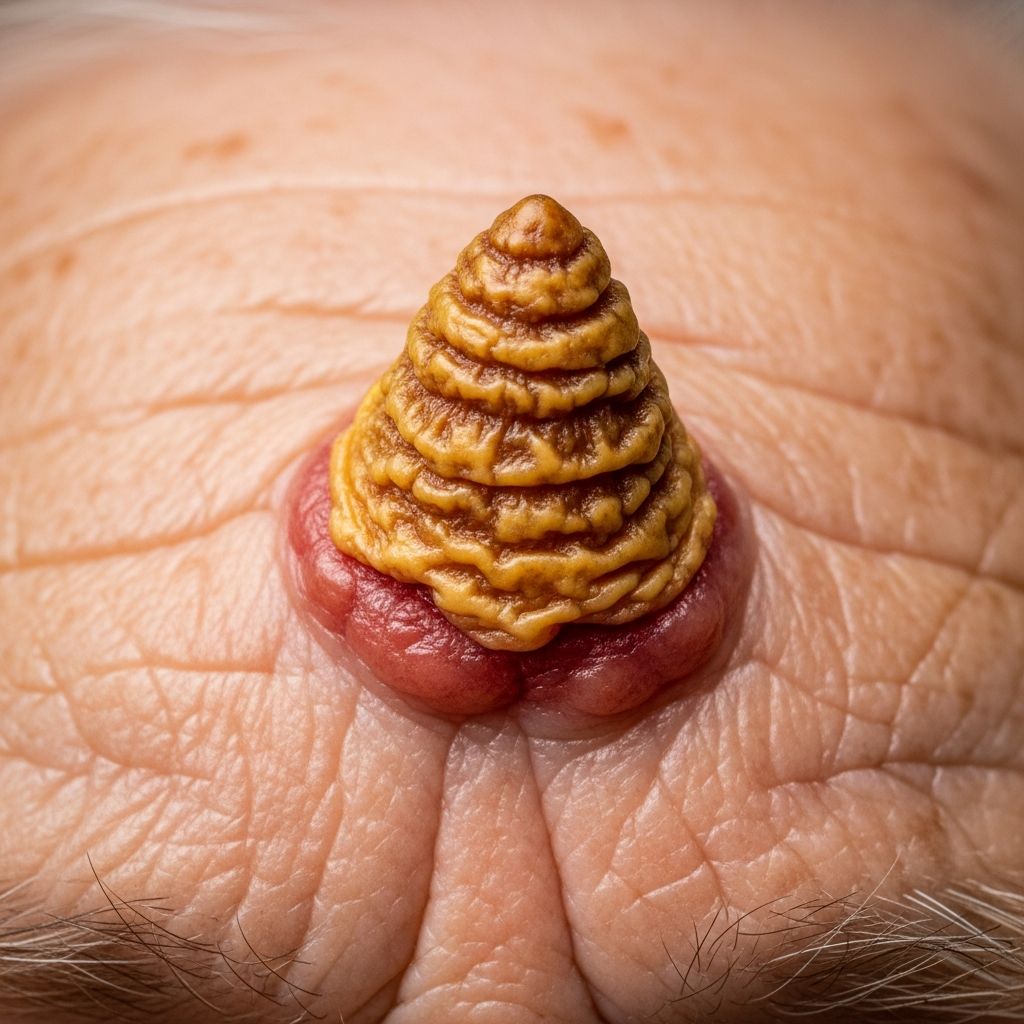
A cutaneous horn (cornu cutaneum) is a hard, conical projection from the skin composed of compact keratin—the same protein that makes up hair and nails. These distinctive lesions get their name because they resemble an animal’s horn protruding from the skin surface. While cutaneous horns may appear alarming due to their unusual appearance, understanding their nature, potential underlying causes, and treatment options is essential for proper management and patient reassurance.
Cutaneous horns arise from benign, premalignant, or malignant skin lesions beneath the visible horn structure. This means that while the horn itself may be a harmless keratin accumulation, the underlying tissue requires careful evaluation to rule out serious conditions. Approximately 40% of cutaneous horns are caused by precancerous lesions known as actinic keratoses, while others may overlie skin cancers such as squamous cell carcinoma or basal cell carcinoma, or benign growths like warts and seborrheic keratoses.
Demographics and Risk Factors
Cutaneous horns are more commonly observed in older adults, particularly those with reduced skin pigmentation and a history of sun exposure. Both men and women can develop these lesions, though malignant lesions are statistically more common in males and in older patient populations. The prevalence increases with age, reflecting cumulative sun damage to the skin over decades.
Several factors contribute to cutaneous horn development:
- Chronic sun exposure and accumulated ultraviolet (UV) damage
- Cellular aging and skin barrier dysfunction
- Human papillomavirus (HPV) infection
- Chronic skin irritation
- Certain keratotic conditions that predispose to abnormal skin growths
- Underlying skin cancer or precancerous lesions
Clinical Features and Presentation
Cutaneous horns present with distinctive clinical characteristics that make them relatively easy to identify on physical examination. Most horns appear as cone-shaped, hard projections that protrude visibly from the skin surface. However, considerable variation exists in their appearance.
Color and Appearance
These lesions typically display the following visual characteristics:
- Off-white, yellowish, or skin-colored surface
- May be darker than surrounding skin in some cases
- Firm, rigid texture when palpated
- Can range from a few millimeters to several centimeters in length
Shape Variations
The morphology of cutaneous horns is quite diverse. They may present in multiple configurations:
- Conical or cone-shaped (most common)
- Cylindrical
- Pointed or spike-like
- Curved or irregularly shaped
- Rigid with hard consistency
Base Characteristics
The base of a cutaneous horn—the tissue directly beneath the horn—demonstrates important clinical features. The base may appear flat, nodular, or crater-like. In some cases, inflamed or reddish skin surrounding the horn’s base may be present, particularly when underlying malignancy exists.
Anatomical Distribution
Cutaneous horns most frequently develop on sun-exposed areas of the body, reflecting the role of UV damage in their pathogenesis. Common locations include:
- Ears
- Nose
- Cheeks and facial skin
- Dorsal surfaces of hands
- Forearms
- Scalp
- Neck and upper extremities
Approximately 30% of all cutaneous horns appear on the scalp or face, reflecting the high sun exposure these areas receive. However, horns can develop on any body surface, including areas with minimal sun exposure, necessitating careful evaluation regardless of location.
Related Stories



Symptoms and Complications
Most cutaneous horns are asymptomatic and discovered incidentally by patients or healthcare providers. However, several symptoms warrant clinical attention and may indicate underlying pathology:
Pain and Inflammation
While many patients experience no discomfort, some cutaneous horns are associated with pain, redness, or inflammation. Pain is a particularly important symptom because it may suggest malignant transformation or cancer development beneath the horn. Symptoms such as tenderness, inflamed skin surrounding the lesion, or pain upon touch should prompt immediate medical evaluation.
Trauma-Related Complications
Cutaneous horns, being rigid projections, can be easily injured by contact with clothing, bedding, or accidental trauma. Such injuries may cause pain, bleeding, or increased inflammation around the lesion.
Functional Impairment
In rare cases, cutaneous horns can grow large enough to resemble tree branches and may interfere with hand function or cosmetic appearance, particularly when located on fingers or palms.
Red Flags Requiring Medical Attention
Patients should seek immediate dermatological evaluation if they experience any of the following:
- New onset cutaneous horn
- Pain or inflammation involving the horn or surrounding skin
- Bleeding or redness at the lesion site
- Rapid growth of the horn
- Hardening or thickening of skin at the horn’s base
- Changes in the horn’s appearance or size
Diagnosis and Investigation
Diagnosis of cutaneous horn is primarily clinical, based on the characteristic appearance and presentation. However, histopathological examination is essential to determine the nature of the underlying lesion and rule out malignancy.
Clinical Evaluation
During clinical assessment, dermatologists evaluate several features that help predict whether the underlying lesion is benign, premalignant, or malignant. These include:
- Patient age (malignancy more common in older patients)
- Ratio of horn height to base diameter
- Presence or absence of pain
- History and degree of sun exposure
- Appearance of the horn’s base
- Surrounding skin inflammation
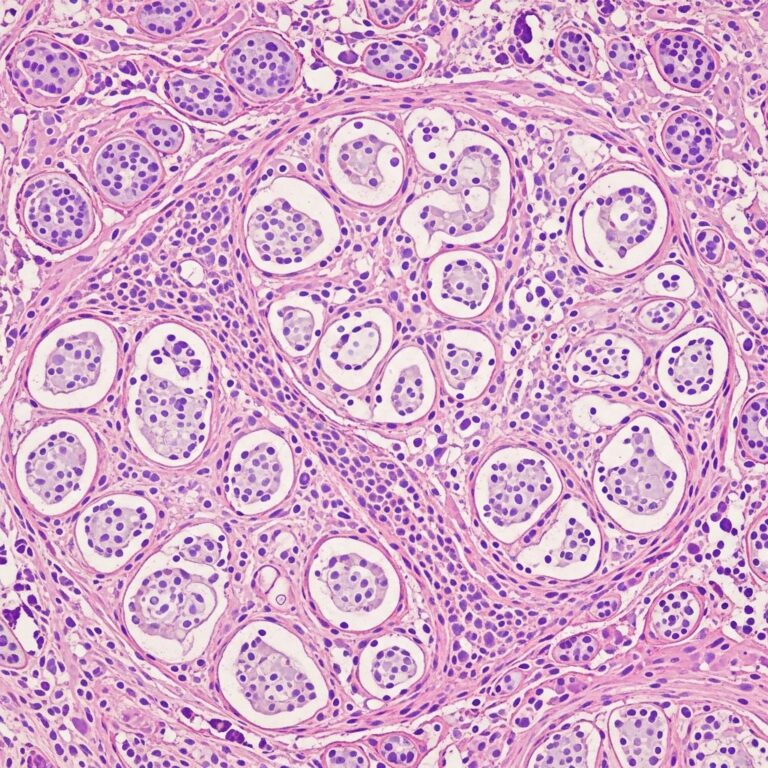
Histopathological Analysis
Microscopic examination of tissue samples reveals important diagnostic features:
- Hyperkeratosis: Marked thickening of the stratum corneum (outermost skin layer)
- Keratin arrangement: Orderly, horizontal parallel layers of keratin are typically associated with benign lesions, while erratic growth patterns suggest malignant transformation
- Acanthosis: Often present in underlying lesions
- Base features: Histology of the base reveals the underlying pathology—benign lesion, actinic keratosis, or carcinoma
Biopsy and histological examination are therefore mandatory to confirm diagnosis and evaluate whether the cutaneous horn overlies a benign, premalignant, or malignant lesion.
Malignancy Risk and Underlying Lesions
A critical aspect of cutaneous horn management is recognizing that the horn itself is merely a clinical presentation—not a diagnosis. The true clinical concern lies in identifying the underlying pathology. Risk factors suggesting malignancy include:
- Older age at presentation
- Male gender
- Larger height-to-base ratio
- Rapid growth pattern
- Associated pain or inflammation
- Immunocompromised status
When squamous cell carcinoma underlies a cutaneous horn, the lesion demonstrates rapid growth, erratic histological patterns, increased acanthosis, and features of malignancy in the base tissue.
Treatment Approaches
Treatment of cutaneous horns involves physical removal of the horn combined with definitive management of the underlying lesion based on histopathological findings.
Removal Methods
Various techniques can effectively remove cutaneous horns:
- Surgical excision: Complete removal of the horn and underlying lesion with histopathological examination
- Cryotherapy: Freezing with liquid nitrogen for smaller, benign lesions
- Electrocautery: Electrical burning to remove the growth
- Laser therapy: Focused light energy for precise removal
- Curettage and cautery: Scraping followed by cauterization
Management of Underlying Lesions
Once the underlying pathology is identified through histology, appropriate treatment follows:
- Benign lesions: Simple removal may be sufficient
- Actinic keratosis: Topical therapies or cryotherapy may be used
- Squamous cell or basal cell carcinoma: Requires more extensive surgical excision with adequate margins and possible additional treatments
Prevention and Patient Education
While not all cutaneous horns can be prevented, sun protection measures significantly reduce risk:
- Regular use of broad-spectrum sunscreen (SPF 30 or higher)
- Protective clothing and hats during sun exposure
- Avoiding peak sun hours (10 AM to 4 PM)
- Regular skin self-examination
- Periodic dermatological screening, particularly in high-risk individuals
Prognosis and Outlook
The prognosis for cutaneous horns depends entirely on the nature of the underlying lesion. Cutaneous horns themselves are not contagious and cannot spread to other individuals or body sites. Most cutaneous horns overlying benign lesions have excellent prognosis after removal with minimal recurrence risk. However, horns associated with skin cancer require appropriate oncologic management and follow-up surveillance.
Frequently Asked Questions
Q: Are cutaneous horns dangerous?
A: While the horn itself is a benign keratin accumulation, it may overlie precancerous or cancerous lesions. This is why medical evaluation is essential—the danger lies in what’s beneath the horn, not the horn itself.
Q: Can I remove a cutaneous horn at home?
A: No. Home removal is not recommended because it prevents histopathological examination of the underlying tissue, which is critical for determining whether malignancy is present. Professional medical removal with tissue analysis is necessary.
Q: Will a cutaneous horn grow back after removal?
A: Recurrence is unlikely after complete surgical removal if the underlying lesion is adequately treated. However, new cutaneous horns may develop from other sun-damaged areas, particularly in older adults with significant UV exposure history.
Q: What is the difference between a cutaneous horn and a wart?
A: While both can appear as projections on skin, cutaneous horns are compacted keratin with potentially serious underlying pathology, whereas warts are caused by human papillomavirus. Histopathological examination can distinguish between them.
Q: How long does recovery take after cutaneous horn removal?
A: Recovery time varies depending on the removal method and lesion depth. Most patients experience complete healing within 2-4 weeks, though larger or deeper excisions may require longer.
References
- Cutaneous Horn: Causes, Diagnosis, and Treatment — Skinsight. 2024. https://skinsight.com/skin-conditions/cutaneous-horn/
- Cutaneous Horn – StatPearls — National Center for Biotechnology Information (NCBI). 2024. https://www.ncbi.nlm.nih.gov/books/NBK563280/
- Cutaneous horn — DermNet. 2013. https://dermnetnz.org/topics/cutaneous-horn
- Cutaneous Horn: Symptoms, Treatments, and Risk Factors — Healthgrades. 2024. https://resources.healthgrades.com/right-care/skin-hair-and-nails/cutaneous-horn
- Cutaneous horn – Primary Care Dermatology Society — Primary Care Dermatology Society (PCDS). 2024. https://www.pcds.org.uk/clinical-guidance/cutaneous-horn
Similar Articles








Read full bio of Sneha Tete