Cutaneous Lupus Erythematosus Images: 16 Clinical Photos
Comprehensive visual guide to cutaneous lupus erythematosus subtypes, clinical features, and diagnostic insights for dermatologists and patients.
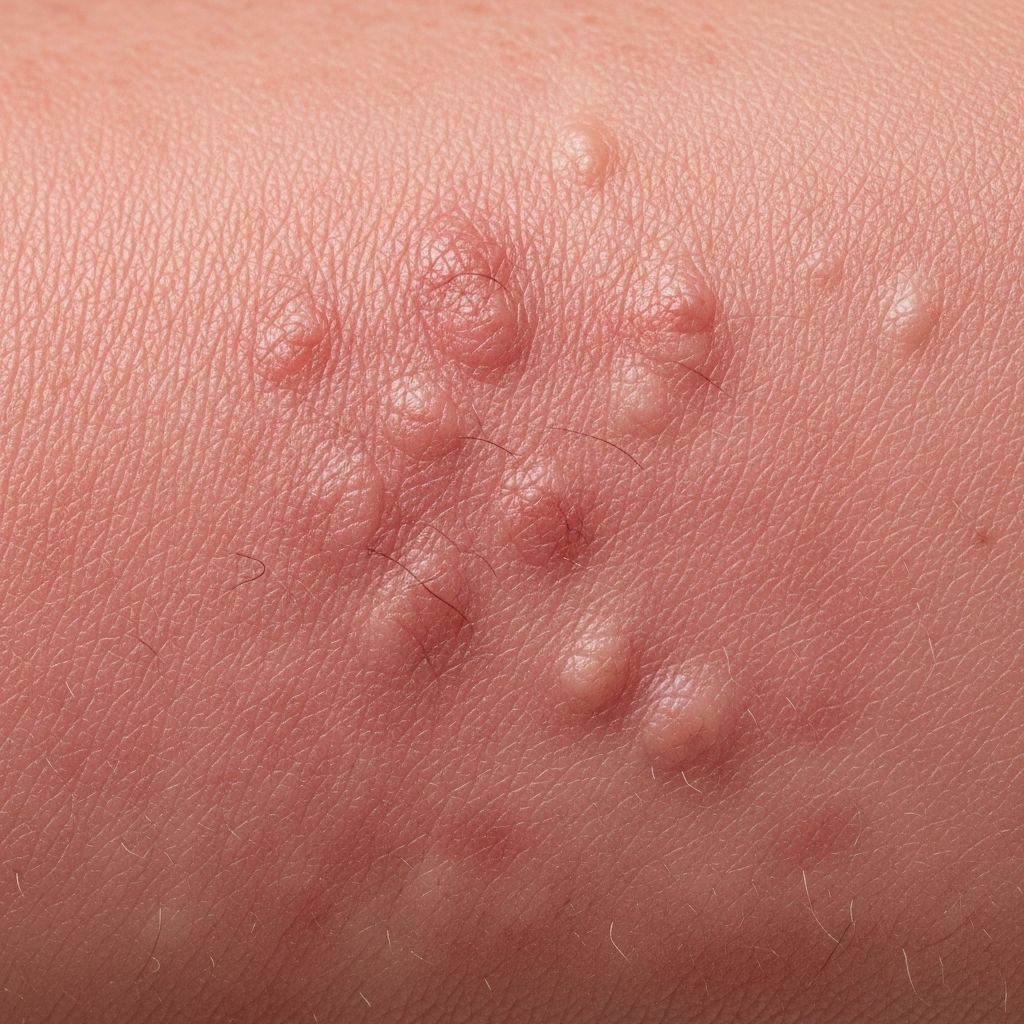
Cutaneous lupus erythematosus (CLE) represents a spectrum of autoimmune skin disorders characterized by inflammation and damage to the skin, often triggered by ultraviolet (UV) light exposure. CLE can occur independently or alongside systemic lupus erythematosus (SLE), affecting approximately 4-5 per 10,000 individuals, predominantly women of childbearing age. This article presents a comprehensive collection of clinical images illustrating the diverse manifestations of CLE subtypes, aiding in accurate diagnosis and management. Proper identification relies on clinical presentation, histopathology, and serology, with sun protection as a cornerstone of therapy.
What is cutaneous lupus erythematosus?
Cutaneous lupus erythematosus encompasses inflammatory skin conditions driven by autoimmune mechanisms targeting skin keratinocytes and dermal structures. It is classified into three main categories: acute cutaneous lupus erythematosus (ACLE), subacute cutaneous lupus erythematosus (SCLE), and chronic cutaneous lupus erythematosus (CCLE). ACLE often signals active SLE, while CCLE, particularly discoid lupus erythematosus (DLE), may remain skin-limited in up to 90% of cases. Lesions typically exhibit interface dermatitis on histology, with vacuolar degeneration and perivascular lymphocytic infiltrates.
Key triggers include UV radiation, smoking, and certain medications. Patients with CLE require screening for systemic involvement, including renal, joint, and neurological symptoms, via baseline labs such as ANA, anti-dsDNA, and complements.
Acute cutaneous lupus erythematosus
Acute cutaneous lupus erythematosus (ACLE) manifests as transient, photosensitive eruptions, most classically the malar “butterfly” rash across the cheeks and nasal bridge, sparing nasolabial folds. Lesions appear suddenly following sun exposure, presenting as edematous erythema that resolves without scarring but may leave post-inflammatory hyperpigmentation. Oral ulcers and widespread involvement signal higher SLE risk.
- Malar rash: Symmetric erythema on face, tender to touch.
- Photosensitive rash: Polymorphous on sun-exposed areas like V-neck and arms.
- Associated with high ANA (95%) and anti-dsDNA positivity.
Image descriptions:
Figure 1: Classic butterfly rash in a 28-year-old woman with newly diagnosed SLE, showing sharp erythema sparing nasolabial folds after beach exposure.
Figure 2: Extensive ACLE on upper chest and arms, with edematous plaques resolving into telangiectasias.
Subacute cutaneous lupus erythematosus
Subacute cutaneous lupus erythematosus (SCLE) features non-scarring, photosensitive papulosquamous or annular polycyclic lesions on sun-exposed areas like the upper trunk, shoulders, and arms. Lesions heal with hypopigmentation or telangiectasias, persisting 6-12 weeks. Anti-Ro/SSA antibodies are positive in 70-90% of cases, linking to neonatal lupus risk in offspring.
- Papulosquamous variant: Psoriasiform plaques with adherent scale.
- Annular variant: Centrifugal expansion with trailing edge scale.
- Differential includes tinea corporis, granuloma annulare, and erythema annulare centrifugum; biopsy shows interface dermatitis without basement membrane thickening.
Image descriptions:
Figure 3: Annular SCLE on the back of a 35-year-old patient, with characteristic arcuate lesions and central clearing post-sun exposure.
Figure 4: Papulosquamous SCLE mimicking psoriasis on shoulders, resolving with hypopigmentation.
Figure 5: Periungual telangiectasias and cuticular overgrowth in SCLE patient.
Chronic cutaneous lupus erythematosus
Chronic cutaneous lupus erythematosus (CCLE) includes scarring subtypes like discoid lupus erythematosus (DLE), the most common form, affecting scalp, face, and ears. Lesions evolve from erythematous papules to indurated plaques with adherent scale, central atrophy, scarring, and follicular plugging, leading to permanent alopecia and dyspigmentation in 60-80% of cases.
Related Stories



Discoid lupus erythematosus
DLE presents as well-demarcated plaques with hyperkeratotic borders and depressed scarring centers. Scalp involvement causes irreversible scarring alopecia. Histology reveals hyperkeratosis, basement membrane thickening, and dermal sclerosis. Only 5-10% progress to SLE.
- Ear involvement: Hypertrophic plaques with cartilage destruction.
- Scalp DLE: “Violin-string” scarring sign.
- Mucosal DLE: Verrucous plaques on vermilion border.
Images:
Figure 6: Facial DLE with active erythematous border and central hypopigmented scar.
Figure 7: Scalp DLE causing patchy alopecia with follicular plugging.
Figure 8: Confluent DLE on conchal bowl, showing atrophy and scale.
Lupus erythematosus profundus / lupus panniculitis
This deep dermal/subcutaneous variant features tender subcutaneous nodules on extremities, face, or trunk, evolving into depression atrophy or ulceration. Biopsy shows lobular panniculitis with lymphoid follicles. Associated with anti-Ro antibodies; 50% have systemic involvement.
- Nodules on arms and legs, resolving with lipoatrophy.
- Facial panniculitis mimicking cellulitis.
Images:
Figure 9: Lupus profundus on thigh with deep nodule and overlying DLE-like plaque.
Figure 10: Facial lupus panniculitis with depressed scar post-resolution.
Chilblain lupus
Acral, cold-induced purple papules and plaques on fingers, toes, nose, resembling perniosis. Lesions persist weeks, healing with scarring. Linked to TREX1 mutations; 40% develop SLE.
Images:
Figure 11: Chilblain lupus on toes with violaceous swelling.
Figure 12: Dysmorphic fingers from chronic chilblain lesions.
Lupus tumidus
Succulent, edematous plaques on trunk and arms without scale or scarring, highly photosensitive. Histology: Mucin-rich dermal infiltrate. Excellent topical response.
Images:
Figure 13: Lupus tumidus on chest with bright red, edematous plaque.
Other variants
- Keratoacanthoma-like lupus: Crateriform nodules on face.
- Bullous lupus: Tense blisters on sun-exposed skin, subepidermal with neutrophil infiltrate.
- Mucosal lupus: Ulcerative lesions on oral mucosa, gingiva.
- Nail changes: Dilated cuticles, nail fold erythema, red lunulae.
Images:
Figure 14: Bullous CLE on dorsum of hand.
Figure 15: Oral lupus with radiating white striae.
Figure 16: Nail apparatus involvement with periungual telangiectasia.
Diagnosis
Diagnosis integrates clinical morphology, histopathology (interface dermatitis), direct immunofluorescence (lupus band), and serology (ANA, anti-Ro/SSA, dsDNA). Biopsy lesional skin; exclude mimics like sarcoidosis, lichen planus.
| Subtype | Key Histology | Serology | Scarring |
|---|---|---|---|
| ACLE | Mild interface | ANA+, dsDNA+ | No |
| SCLE | Interface, apoptotic keratinocytes | Anti-Ro 70-90% | No |
| DLE | Hyperkeratosis, BM thickening | ANA 50-70% | Yes |
Treatment
Sun protection (SPF 50+ broad-spectrum, UPF clothing) is essential. Topical corticosteroids (potent) or calcineurin inhibitors first-line; intralesional steroids for DLE. Systemic: Hydroxychloroquine (first-line, 200-400mg/day), methotrexate, thalidomide for refractory.
- Topical: Clobetasol 0.05% for DLE (27% complete response).
- Systemic: Antimalarials effective in 70-80%; monitor retinae.
- Refractory: Mycophenolate, rituximab, lenalidomide under trial.
Frequently Asked Questions (FAQs)
Q: Does cutaneous lupus always mean systemic lupus?
A: No, 70-90% of DLE remains skin-limited, but all CLE patients need systemic screening.
Q: Is sun exposure dangerous for CLE patients?
A: Yes, UV triggers 80% of flares; daily broad-spectrum SPF 50+ is mandatory.
Q: Can CLE be cured?
A: No, it’s chronic/relapsing, but remission achievable with adherence.
Q: What if topical treatments fail?
A: Escalate to antimalarials or immunosuppressants; consult rheumatology.
Q: Is smoking harmful for CLE?
A: Yes, reduces antimalarial efficacy by 50%; smoking cessation critical.
References
- Cutaneous Lupus Erythematosus: Diagnosis and treatment — PMC/NCBI. 2014-02-20. https://pmc.ncbi.nlm.nih.gov/articles/PMC3927537/
- Cutaneous Lupus Erythematosus — JAMA Dermatology. 2014-11-01. https://jamanetwork.com/journals/jamadermatology/fullarticle/1843885
- Guideline for the Diagnosis, Treatment, and Long-Term Management of Cutaneous Lupus Erythematosus — UPMC Physician Resources. 2021-09-08. https://www.upmcphysicianresources.com/news/090821-cutaneous-lupus-erythmatosus
- Practical Approaches to Cutaneous and Systemic Lupus for Dermatologists — Journal of Clinical and Aesthetic Dermatology. 2023. https://jcadonline.com/practical-approaches-to-cutaneous-and-systemic-lupus-for-dermatologists/
- Cutaneous lupus erythematosus — Primary Care Dermatology Society (PCDS). 2023. https://www.pcds.org.uk/clinical-guidance/lupus-erythematosus
- Cutaneous Lupus Registry FAQs — UT Southwestern Medical Center. 2023. https://www.utsouthwestern.edu/departments/dermatology/research/cutaneous-lupus-registry/disease-faq.html
Similar Articles








Read full bio of medha deb