Cutaneous Lupus Erythematosus: 3 Types, Diagnosis, Treatment
Comprehensive guide to cutaneous lupus erythematosus: subtypes, diagnosis, treatment, and management strategies for skin manifestations of lupus.
Cutaneous lupus erythematosus (CLE) encompasses a spectrum of autoimmune skin disorders where the immune system targets healthy skin tissue, often triggered by sunlight and associated with systemic lupus erythematosus (SLE) in some cases. CLE is classified into
acute cutaneous lupus erythematosus (ACLE)
,subacute cutaneous lupus erythematosus (SCLE)
, andchronic cutaneous lupus erythematosus (CCLE)
, with discoid lupus erythematosus (DLE) being the most common chronic form. While CLE can occur independently, up to 25% of cases progress to systemic involvement affecting organs like kidneys and joints, necessitating vigilant monitoring.What is Cutaneous Lupus Erythematosus?
CLE represents skin-limited or skin-predominant manifestations of lupus erythematosus, an autoimmune disease two to three times more common in cutaneous forms than full SLE. It arises from multifactorial triggers including genetic predisposition, UV exposure, smoking, and immune dysregulation, leading to interface dermatitis with basal keratinocyte damage and lymphocytic infiltration. Unlike SLE, which impacts multiple organs, CLE primarily affects the skin but requires evaluation to exclude systemic disease. Women are disproportionately affected, with peak onset between ages 20-50, though pediatric and elderly cases occur.
Who Gets Cutaneous Lupus Erythematosus (Epidemiology)?
CLE affects approximately 73 per 100,000 individuals, with higher prevalence in women (female-to-male ratio 4:1 in SCLE and ACLE, lower in DLE). Genetic factors like HLA-DR3 correlate with SCLE, while African Americans show higher DLE scarring risk. Environmental triggers such as UV light (73-90% photosensitivity), smoking, and drugs (e.g., terbinafine, statins) precipitate flares. Familial clustering occurs in 5-12% of cases, underscoring hereditary susceptibility.
What Causes Cutaneous Lupus Erythematosus?
The pathogenesis involves Type I interferon overproduction, autoantibody formation (anti-Ro/SSA in 70% SCLE), and T-cell mediated epidermal damage. UV radiation induces apoptotic keratinocytes, exposing autoantigens and triggering plasmacytoid dendritic cell activation. Smoking exacerbates by impairing antimalarial efficacy and promoting acanthosis. Viral infections and medications may initiate immune dysregulation in genetically susceptible hosts.
What are the Clinical Features and Subtypes of Cutaneous Lupus Erythematosus?
CLE lesions are polymorphic, often photosensitive, and heal with atrophy, dyspigmentation, or scarring. Key subtypes include:
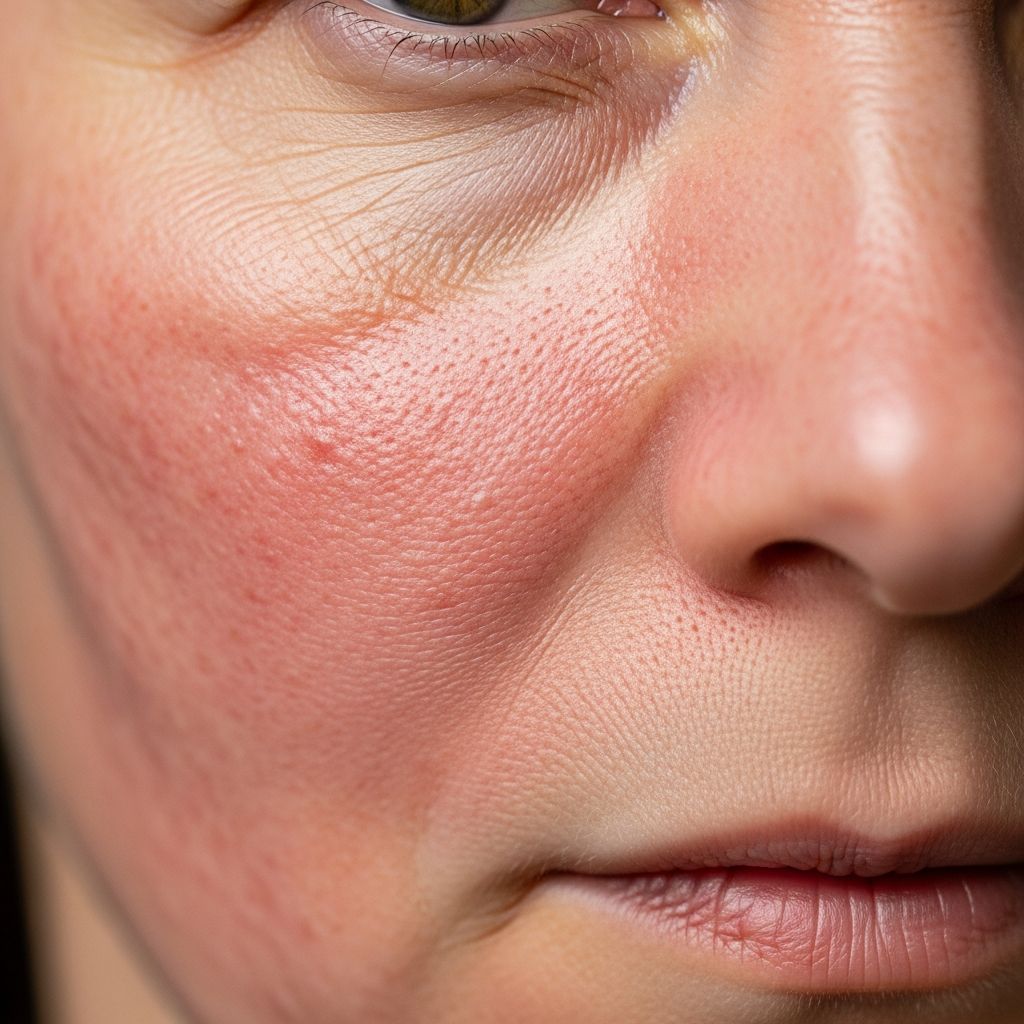
- Acute Cutaneous Lupus Erythematosus (ACLE): Transient, widespread erythema, especially malar ‘butterfly rash’ across cheeks/nose sparing nasolabial folds; resolves without scarring but recurs with flares.
- Subacute Cutaneous Lupus Erythematosus (SCLE): Papulosquamous (psoriasiform) or annular polycyclic lesions on sun-exposed areas (upper trunk, arms); non-scarring, heals with telangiectasia/dyspigmentation.
- Chronic Cutaneous Lupus Erythematosus (CCLE): Includes discoid (DLE: coin-shaped plaques with keratotic scale, follicular plugging, scarring), profundus (deep nodules), chilblain (acral perniotic), and tumidus (urticarial plaques).
Mucosal involvement (buccal erosions, gingival hypertrophy) and nail changes (periungual erythema, telangiectasia) occur in 25-50%.
Acute Cutaneous Lupus Erythematosus
ACLE manifests as reversible, edematous erythema in sun-exposed areas, hallmark malar rash in 40-70% SLE patients.
Subacute Cutaneous Lupus Erythematosus
SCLE presents annular or papulosquamous eruptions resolving with dyspigmentation, anti-Ro positive in 70%.
Discoid Lupus Erythematosus
DLE features indurated plaques with central atrophy/scarring, active edge scaling; 15-25% risk of SLE progression.
Other Chronic Forms
Lupus profundus (panniculitis), chilblain lupus (cold-induced), and lupus tumidus (flesh-colored plaques).
Diagnosis of Cutaneous Lupus Erythematosus
Diagnosis relies on clinicohistologic correlation; biopsy shows interface dermatitis, basement membrane thickening, mucin deposition. Lesional biopsy is cornerstone, with direct immunofluorescence (DIF) showing lupus band (IgG/C3) in 90% DLE. Serology: ANA positive 80-90%, anti-dsDNA/Sm in ACLE, anti-Ro in SCLE. Exclude mimics like sarcoidosis, tinea. Baseline labs (CBC, CMP, complements, urinalysis) screen for systemic disease.
Related Stories



| Test | Rationale | Frequency |
|---|---|---|
| CBC, CMP | Baseline organ function | Every 6-12 months |
| ANA, anti-dsDNA, C3/C4 | Disease activity | Annually or flares |
| Urinalysis | Renal screening | Baseline + symptoms |
Treatment of Cutaneous Lupus Erythematosus
Treatment escalates from sun protection to systemic agents for refractory disease.
Sun Protection
Critical first-line: broad-spectrum SPF50+ sunscreen (UVA/UVB), UPF50+ clothing, avoid peak sun.
Topical Treatments
Superpotent corticosteroids (clobetasol) short-term; calcineurin inhibitors (tacrolimus) for face/periorbital. Intralesional steroids for localized DLE.
Systemic Treatments
Antimalarials: Hydroxychloroquine first-line (200-400mg/day), response in 6-8 weeks; add quinacrine if partial.
Other: Methotrexate, mycophenolate for refractory; thalidomide for DLE. Corticosteroids brief for severe flares.
Physical Treatments
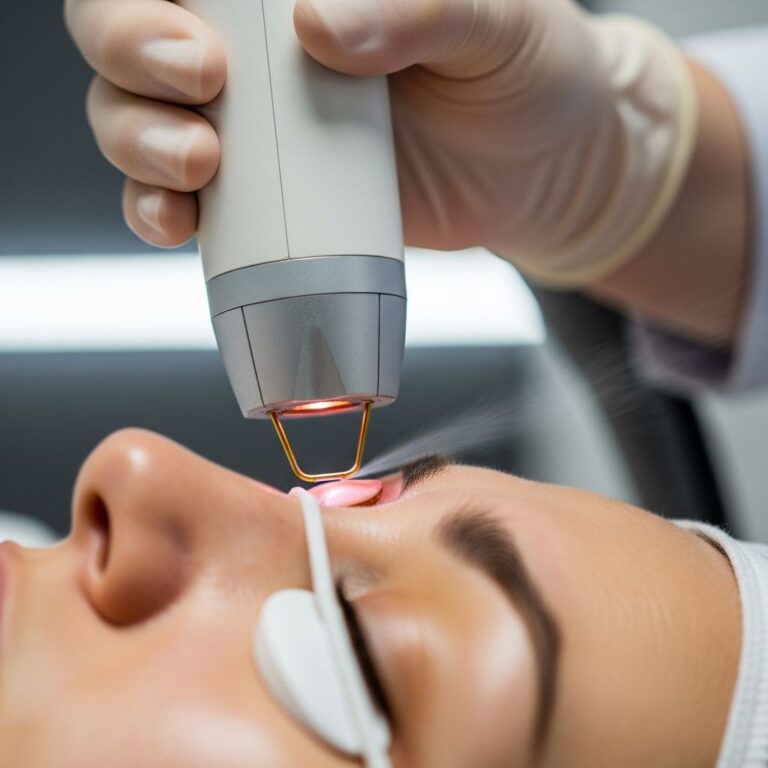
Cryotherapy, laser (pulsed-dye) for hypertrophic DLE; risks include pigment changes.
Complications of Cutaneous Lupus Erythematosus
Scarring alopecia (DLE scalp), dyspigmentation, squamous cell carcinoma in chronic scars (5-10%), progression to SLE.
Prevention of Cutaneous Lupus Erythematosus
Avoid UV/smoking, medication review; early treatment prevents scarring.
Personal and Family History for Cutaneous Lupus Erythematosus
Elicit photosensitivity, smoking, drug exposure, family autoimmunity.
Other Conditions to Consider (Differentials)
Sarcoidosis, psoriasis, dermatomyositis, drug eruptions, porphyria.
Patient Education for Cutaneous Lupus Erythematosus
Emphasize lifelong sun avoidance, treatment adherence, report systemic symptoms (fever, arthralgia, edema).
Frequently Asked Questions (FAQs)
Q: Is cutaneous lupus contagious?
A: No, CLE is autoimmune, not infectious.
Q: Does CLE always mean I have SLE?
A: No, most cases are skin-limited, but 5-25% progress to SLE requiring monitoring.
Q: Can sun exposure trigger CLE?
A: Yes, UV provokes 70-90% of lesions; daily SPF50+ is essential.
Q: Are antimalarials safe long-term?
A: Yes, first-line with retinal screening; safe in pregnancy/pediatrics.
Q: How do I know if my CLE is worsening systemically?
A: Watch for fever, joint pain, urine changes; seek urgent care.
This comprehensive overview draws from evidence-based guidelines, emphasizing multidisciplinary care for optimal outcomes in CLE management.
References
- Cutaneous Lupus Erythematosus: Diagnosis and treatment — PMC / Baima B, Sticherling M. 2014-12-01. https://pmc.ncbi.nlm.nih.gov/articles/PMC3927537/
- Cutaneous Lupus Erythematosus — JAMA Dermatology. 2014-10-01. https://jamanetwork.com/journals/jamadermatology/fullarticle/1843885
- Guideline for the Diagnosis, Treatment, and Long-Term Management of Cutaneous Lupus Erythematosus — UPMC Physician Resources. 2021-09-08. https://www.upmcphysicianresources.com/news/090821-cutaneous-lupus-erythmatosus
- Practical Approaches to Cutaneous and Systemic Lupus for Dermatologists — Journal of Clinical and Aesthetic Dermatology. 2023-01-01. https://jcadonline.com/practical-approaches-to-cutaneous-and-systemic-lupus-for-dermatologists/
- Cutaneous lupus erythematosus — Primary Care Dermatology Society (PCDS). 2023-01-01. https://www.pcds.org.uk/clinical-guidance/lupus-erythematosus
- Cutaneous Lupus Registry FAQs — UT Southwestern Medical Center. 2023-01-01. https://www.utsouthwestern.edu/departments/dermatology/research/cutaneous-lupus-registry/disease-faq.html
Similar Articles








Read full bio of Sneha Tete