Cutaneous Mucinoses: Diagnosis, Treatment, And Key Insights
Comprehensive guide to cutaneous mucinoses: disorders involving abnormal mucin accumulation in the skin, their classification, clinical features, diagnosis, and management.
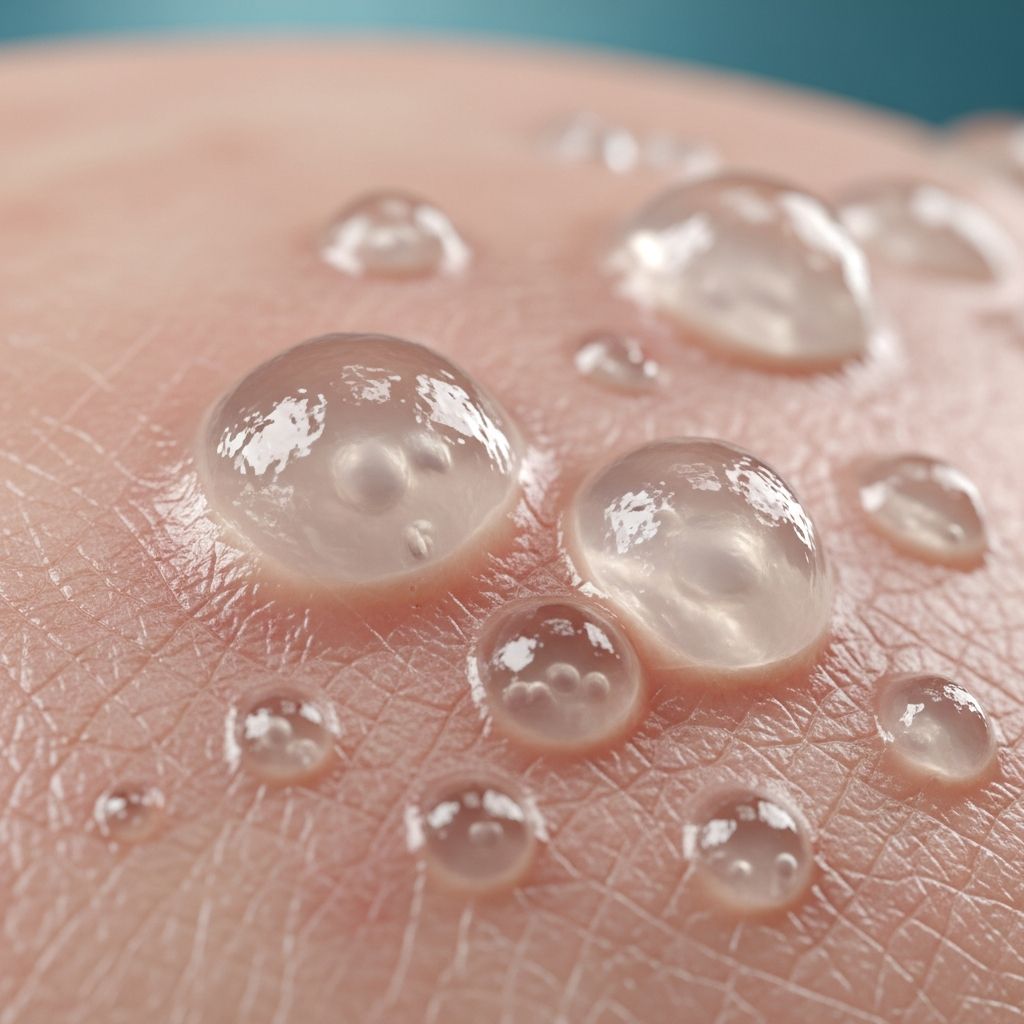
Cutaneous mucinoses are a heterogeneous group of rare skin disorders characterized by the accumulation of mucin—an amorphous, gel-like substance primarily composed of hyaluronic acid and other glycosaminoglycans—in the dermis or sometimes the epidermis. This deposition disrupts normal skin architecture, leading to a wide array of clinical presentations ranging from subtle papules to diffuse thickening and indurated plaques. Mucin is normally present in small amounts in the dermis, produced by fibroblasts, but in these conditions, there is excessive production or reduced degradation, often triggered by fibroblast dysfunction, immune dysregulation, or associated systemic diseases.
The term ‘cutaneous mucinoses’ encompasses both primary disorders, where mucin deposition is the primary pathological event, and secondary forms associated with other conditions like autoimmune diseases or malignancies. These disorders can affect any age group but often present in adulthood, with varying degrees of cosmetic disfigurement, pruritus, or functional impairment. Early recognition is crucial, as some forms are linked to systemic involvement, such as paraproteinemias in scleromyxedema.
What is mucin?
Mucin is a complex extracellular matrix component consisting mainly of hyaluronic acid, chondroitin sulfate, and dermatan sulfate. In healthy skin, it provides hydration and structural support in the dermis. Pathological mucin accumulation appears as basophilic (blue) material on hematoxylin and eosin (H&E) stains, confirmed by special stains like Alcian blue (pH 2.5), colloidal iron, or periodic acid-Schiff (PAS) after hyaluronidase digestion, which differentiates it from other matrix substances. Fibroblasts in mucinotic areas often show stellate or dendritic morphology with increased mucin synthesis.
Who gets cutaneous mucinoses (epidemiology)?
Cutaneous mucinoses are uncommon, with incidence rates not well-established due to their rarity. Localized forms like digital myxoma or solitary focal mucinosis affect individuals across ages without gender predilection. Generalized papular mucinosis (GPM) and lichen myxedematosus (LM) variants show slight female predominance. Scleromyxedema, a severe LM subtype, typically occurs in middle-aged adults (40-60 years). Associations with systemic conditions include monoclonal gammopathy (IgG kappa/lambda) in 80% of scleromyxedema cases, connective tissue diseases (e.g., lupus, dermatomyositis), and rarely thyroid dysfunction or HIV. Pediatric cases are exceptional, often self-resolving like self-healing cutaneous mucinosis.
Classification of cutaneous mucinoses
Cutaneous mucinoses are classified into:
- Primary cutaneous mucinoses: Mucin deposition is the primary abnormality without underlying systemic disease.
- Secondary cutaneous mucinoses: Mucin accumulates due to other dermatoses, autoimmune diseases, or neoplasms.
Major primary cutaneous mucinoses include:
- Localized forms: Cutaneous focal mucinosis (solitary or multiple), myxoid cyst, digital myxoma, acral persistent papule, nodular mucinosis associated with hypothyroidism.
- Generalized papular and sclerodermoid forms: Discrete papular mucinosis (self-healing or persistent), plaque-like mucinosis, generalized papular mucinosis, scleromyxedema (subset of lichen myxedematosus).
Secondary mucinoses occur in lupus erythematosus (lupus mucinosis), dermatomyositis, scleroderma, granuloma annulare, Degos disease, nephrotic syndrome, and paraneoplastic settings.
Related mucinoses
Conditions with prominent but not dominant mucin include follicular mucinosis (alopecia mucinosa, with mycosis fungoides association), mucin stains in mycosis fungoides variants, and pretibial myxedema (thyroid-associated, with high TSH-receptor antibodies). These are histologically distinguished by mucin location (follicular in follicular mucinosis, dermal in true mucinoses).
Related Stories



Clinical features
Presentations vary widely:
- Solitary lesions: Asymptomatic dome-shaped papules/nodules (2-10 mm), flesh-colored to translucent, on extremities or trunk. Solitary cutaneous focal mucinosis often on upper back/arms.
- Multiple papules: Skin-colored to red-brown waxy papules in linear, arcuate, or reticulate patterns on trunk/extremities. Discrete papular mucinosis shows hundreds of papules without systemic signs.
- Plaques/nodules: Indurated, yellowish plaques with peau d’orange or leonine facies in scleromyxedema. Doughnut sign on knuckles (central depression with rim).
- Sclerodermoid: Diffuse skin thickening mimicking scleroderma, with reduced mobility, pruritus, or dysesthesia.
- Symptoms: Usually asymptomatic; itch, pain, or burning in extensive disease.
Diagnosis
Diagnosis relies on clinicopathologic correlation:
- Clinical exam: Characteristic morphology and distribution.
- Skin biopsy: Essential; shows amorphous mucin pools in dermis separating collagen bundles, with stellate fibroblasts. Confirm with Alcian blue/colloidal iron (dark blue mucin). H&E shows pale basophilic material.
- Laboratory: Serum protein electrophoresis/paraprotein check for scleromyxedema; autoantibodies (ANA, ENA) for CTD associations; thyroid function if pretibial. No routine labs for solitary lesions.
- Dermoscopy: Homogenous whitish-yellow areas with sharp borders.
| Feature | Solitary Focal Mucinosis | Scleromyxedema |
|---|---|---|
| Lesions | Single papule/nodule | Multiple papules, plaques, leonine face |
| Location | Extremities/back | Generalized, esp. face/trunk |
| Associations | None | Monoclonal gammopathy |
| Histology | Focal upper dermal mucin | Diffuse dermal mucin, fibrosis |
Treatment
Treatment is challenging, tailored to extent and symptoms:
- Localized: Observation or excision for solitary lesions (curative, no recurrence).
- Topical: Corticosteroids, tacrolimus for mild papular/plaque forms to reduce inflammation.
- Systemic: Hydroxychloroquine, methotrexate, cyclosporine, IVIG for refractory GPM/scleromyxedema. Retinoids, thalidomide for gammopathy-associated cases.
- Physical: Phototherapy (PUVA/NB-UVB), cryotherapy, laser for plaques.
- Supportive: Emollients for xerosis.
Severe scleromyxedema may require autologous stem cell transplant. No universal cure; many stabilize spontaneously.
Differential diagnosis
- Lichen simplex, granuloma annulare, amyloidosis, lipoid proteinosis, morphea.
- Malignancy mimics: Lymphoma (papulonodular CM).
- Other: Dermatofibroma, cysts, BCC.
Frequently Asked Questions (FAQs)
What causes cutaneous mucinoses?
Exact causes unknown; involves fibroblast overproduction of mucin, possibly triggered by cytokines, immunoglobulins, or genetic factors. Associated with gammopathies or autoimmunity in some.
Are cutaneous mucinoses dangerous?
Mostly benign cosmetically; scleromyxedema can have systemic complications (e.g., neuropathy, cardiomyopathy) due to paraproteinemia.
Can cutaneous mucinoses be cured?
Localized forms yes (excision); generalized often chronic but manageable. Self-healing variants resolve spontaneously.
Is biopsy always needed?
Yes for confirmation, especially to rule out mimics and assess extent.
What is the prognosis?
Excellent for solitary; variable for generalized—monitor for systemic disease.
References
- Mucinosis: Causes, Signs, and Treatment — Medicover Hospitals. 2023. https://www.medicoverhospitals.in/diseases/mucinosis/
- Solitary Cutaneous Focal Mucinosis — PMC – NIH. 2021-10-25. https://pmc.ncbi.nlm.nih.gov/articles/PMC8580111/
- Cutaneous mucinosis clinically masquerading as cutaneous lymphoma — Indian Journal of Dermatology, Venereology and Leprology. 2023. https://ijdvl.com/cutaneous-mucinosis-clinically-masquerading-as-cutaneous-lymphoma-and-associated-with-undifferentiated-connective-tissue-disease/
- Lichen myxedematosus: a rare group of cutaneous mucinosis — Anais Brasileiros de Dermatologia. 2021. https://www.anaisdedermatologia.org.br/en-lichen-myxedematosus-rare-group-cutaneous-articulo-S0365059620306450
- Cutaneous lupus mucinosis — Dermatology Advisor. 2023. https://www.dermatologyadvisor.com/home/decision-support-in-medicine/dermatology/cutaneous-lupus-mucinosis-papulonodular-mucinosis-papular-and-nodular-mucinosis-of-lupus-papular-and-nodular-mucinosis-of-gold/
- Cutaneous mucinoses — DermNet NZ. 2023. https://dermnetnz.org/topics/cutaneous-mucinoses
Similar Articles








Read full bio of medha deb