Cutaneous Squamous Cell Carcinoma: Signs, Risks, Treatment
Understanding cutaneous squamous cell carcinoma: causes, diagnosis, treatment, and prevention of this common skin cancer.
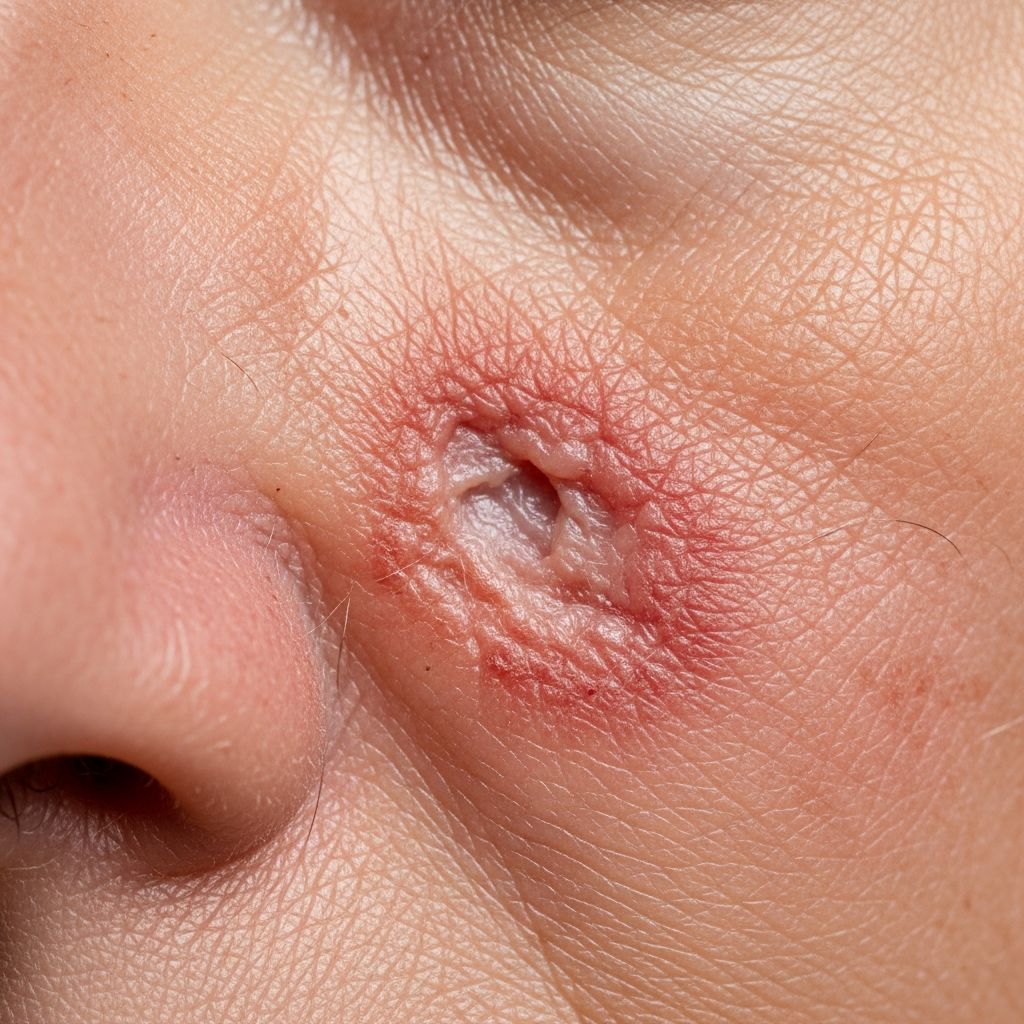
Cutaneous squamous cell carcinoma (cSCC) is the second most common form of skin cancer worldwide, arising from malignant transformation of keratinocytes in the epidermis. It accounts for a significant portion of non-melanoma skin cancers, with rising incidence due to increased UV exposure and aging populations. While most cases are curable with early intervention, high-risk tumors can lead to local recurrence, metastasis, or death, particularly in immunocompromised individuals.
What is cutaneous squamous cell carcinoma?
Cutaneous squamous cell carcinoma originates from squamous cells, the flat cells forming the skin’s outermost layer. These cancers develop when DNA damage in keratinocytes leads to uncontrolled proliferation. Unlike basal cell carcinoma, cSCC has a greater potential for metastasis, though this occurs in less than 5% of cases overall.
Histologically, cSCC shows atypical keratinocytes invading the dermis, often with keratin pearls and intercellular bridges. Subtypes include well-differentiated, moderately differentiated, and poorly differentiated forms, with poorer differentiation correlating to worse prognosis.
Who gets cutaneous squamous cell carcinoma?
cSCC primarily affects older adults, with peak incidence over age 70. Fair-skinned individuals (Fitzpatrick skin types I-II) are at highest risk due to lower melanin protection against UV radiation.
- UV exposure: Cumulative sun exposure, tanning beds, and PUVA therapy are major risk factors.
- Immunosuppression: Organ transplant recipients, HIV patients, and those on chronic immunosuppression have 65-250 times higher risk.
- Genodermatoses: Xeroderma pigmentosum, dystrophic epidermolysis bullosa increase susceptibility.
- Chronic wounds/scar carcinoma: Marjolin ulcers in burn scars or osteomyelitis sites.
- Chemical exposure: Arsenic, polycyclic hydrocarbons.
- Previous skin cancer: History of basal cell carcinoma or actinic keratosis elevates risk.
What causes cutaneous squamous cell carcinoma?
The primary cause is ultraviolet radiation (UVR) from sunlight or artificial sources, inducing TP53 mutations in over 90% of sporadic cSCC cases. UV signature mutations (C to T transitions) are hallmark genetic changes.
Other contributors include:
- Human papillomavirus (HPV), especially beta-HPV types in immunosuppressed patients.
- Ionizing radiation and immunosuppressive drugs like azathioprine, which impair DNA repair.
- Inherited mutations in RAS, NOTCH1, and TP53 pathways.
What are the clinical features of cutaneous squamous cell carcinoma?
cSCC typically presents as a firm, hyperkeratotic plaque, nodule, or ulcer on sun-exposed sites like the head, neck, hands, and forearms. Lesions evolve over weeks to months.
- Low-risk features: Small (<20 mm), superficial, well-defined on trunk/extremities.
- High-risk features: Large (>20 mm), >2 mm thick, poorly differentiated, perineural invasion, recurrent, on ear/lip/temple.
- Symptoms: Painless growth, bleeding, ulceration; advanced cases may cause nerve symptoms if perineural spread occurs.
Diagnosis of cutaneous squamous cell carcinoma
Diagnosis relies on clinical suspicion confirmed by biopsy. A punch, shave, or incisional biopsy provides tissue for histopathology, assessing invasion depth, grade, and lymphovascular/perineural involvement.
For high-risk tumors, staging includes sentinel lymph node biopsy (SLNB), ultrasound, or CT/PET if metastasis suspected. The Brigham and Women’s Hospital (BWH) staging system is recommended for prognostication: T1 (low risk), T2a/b (moderate), T3 (high risk with bone erosion or gross nerve invasion).
Related Stories



High-risk cutaneous squamous cell carcinoma
High-risk cSCC is defined by features predicting poor outcomes:
| High-Risk Factor | Description |
|---|---|
| Location | Ears, lips, central face, scalp, genitalia |
| Size | >20 mm head/neck, >10 mm high-risk sites |
| Depth/ Invasion | >2 mm or Clark level ≥ IV, perineural invasion |
| Differentiation | Poor/undifferentiated |
| Patient Factors | Immunosuppression, prior radiation, recurrence |
These factors guide aggressive management; NCCN stratification aids treatment decisions.
Staging of cutaneous squamous cell carcinoma
AJCC 8th edition staging incorporates tumor (T), node (N), metastasis (M):
- T1: <2 cm without risk factors.
- T2: ≥2 cm or single high-risk factor.
- T3: ≥4 cm, ≥2 high-risk factors, gross perineural invasion.
- T4: Bone invasion.
- N0: No nodes; N1: single ≤3 cm node; up to N3: ≥6 cm.
- M0/M1: No/distant metastasis.
BWH system preferred for localized disease.
Management of cutaneous squamous cell carcinoma
Surgery is first-line for most cSCC. Treatment varies by risk:
Surgical options
- Standard excision: 4-6 mm margins to subcutaneous fat for low-risk; histopathologic margin control.
- Mohs micrographic surgery (MMS): Gold standard for high-risk (100% margin control, tissue sparing).
- Curettage & electrodessication (C&E): Low-risk, non-hair-bearing areas.
Nonsurgical treatments
For inoperable cases or low-risk:
- Radiation therapy (RT): Adjuvant for high-risk or primary treatment.
- Cryotherapy: Superficial low-risk.
- Intralesional 5-FU or immunotherapy for select cases.
Advanced/metastatic: Systemic therapy (cemiplimab PD-1 inhibitor), chemotherapy, targeted EGFR inhibitors. Multidisciplinary approach essential.
Prognosis of cutaneous squamous cell carcinoma
Excellent for early detection: 95-99% cure rate. High-risk features increase 5-year recurrence to 18%, metastasis 9%. Immunosuppressed patients have 5x mortality risk. Post-treatment surveillance crucial.
Prevention of cutaneous squamous cell carcinoma
- Sun protection: SPF 50+ sunscreen, UPF clothing, shade.
- Regular skin exams: Annual dermatologist checks for high-risk.
- Immunosuppression management: Minimize sun, adjust meds.
- Treat precursor actinic keratoses.
Follow-up for cutaneous squamous cell carcinoma
High-risk patients need exams every 3-6 months initially, then annually lifelong. Self-exams monthly; 50% develop second cSCC within 5 years. Monitor for field cancerization on sun-damaged skin.
Frequently Asked Questions
What is the most effective treatment for cSCC?
Surgical excision, preferably Mohs for high-risk, offers highest cure rates.
Can cSCC spread to other parts of the body?
Yes, though rare (<5%), high-risk tumors metastasize to lymph nodes or distant sites.
How can I prevent cSCC?
Avoid midday sun, use broad-spectrum sunscreen daily, and get regular skin checks.
Is cSCC more aggressive in transplant patients?
Yes, significantly higher incidence and mortality due to immunosuppression.
What does a high-risk cSCC look like?
Large, ulcerated, bleeding nodule on face/ears/lips, growing rapidly.
References
- Guidelines of care for the management of cutaneous squamous cell carcinoma — American Academy of Dermatology. 2018-08-01. https://www.aad.org/member/clinical-quality/guidelines/scc
- Cutaneous squamous cell carcinoma — DermNet NZ. 2023-01-15. https://dermnetnz.org/topics/cutaneous-squamous-cell-carcinoma
- Squamous cell carcinoma of the skin – Diagnosis and treatment — Mayo Clinic. 2024-05-20. https://www.mayoclinic.org/diseases-conditions/squamous-cell-carcinoma/diagnosis-treatment/drc-20352486
- Guidelines of care for the management of cutaneous squamous cell carcinoma — Journal of the American Academy of Dermatology (PMC). 2018-08-01. https://pmc.ncbi.nlm.nih.gov/articles/PMC6652228/
Similar Articles








Read full bio of medha deb