Cutaneous Tuberculosis Pathology: A Comprehensive Guide
Understanding the pathological mechanisms and histological findings of skin tuberculosis infection.
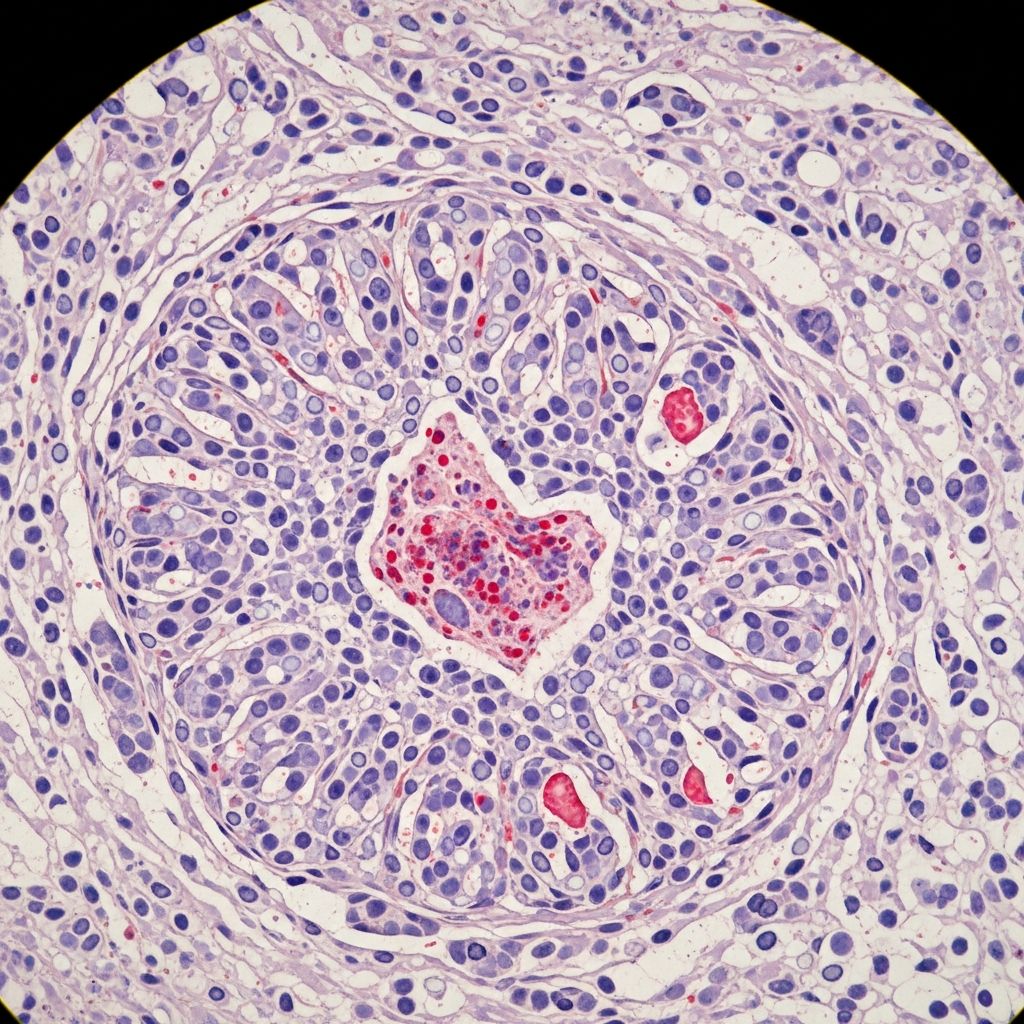
Cutaneous Tuberculosis Pathology: An Overview
Cutaneous tuberculosis (CTB) represents a rare but significant manifestation of infection caused by Mycobacterium tuberculosis, the same organism responsible for pulmonary tuberculosis. While cutaneous tuberculosis accounts for only 1.5% to 3% of all tuberculosis cases worldwide, understanding its pathology is essential for healthcare professionals involved in dermatological diagnosis and treatment. The pathological mechanisms underlying cutaneous tuberculosis vary depending on the route of infection, the immune status of the host, and the specific clinical form of the disease. This comprehensive examination of cutaneous tuberculosis pathology explores the histological findings, classification systems, and the underlying mechanisms that define this complex dermatological condition.
Histopathological Features of Cutaneous Tuberculosis
The histopathology of cutaneous tuberculosis presents a diverse range of findings that evolve as the disease progresses. The classic histopathological hallmark of cutaneous tuberculosis is the presence of a tuberculoid granuloma, characterized by a central area of caseous necrosis surrounded by epithelioid cells and multinucleated giant cells. However, the histological presentation is not uniform across all cases and varies significantly depending on the stage of disease and the specific clinical form involved.
Early lesions of cutaneous tuberculosis frequently demonstrate a suppurative reaction pattern rather than the classic granulomatous response. These early-stage lesions are characterized by a dense dermal infiltrate composed of neutrophils, lymphocytes, and plasma cells. As the disease progresses over time, a homogeneous eosinophilic necrotic center develops within the dermis, with multinucleated giant cells arranged in a palisading pattern around the central caseous material. This evolution from a suppurative to a granulomatous pattern reflects the host’s developing immune response to mycobacterial antigens.
Classification of Cutaneous Tuberculosis and Associated Pathology
Cutaneous tuberculosis is broadly classified into two main categories based on the bacterial load and histopathological characteristics: multibacillary and paucibacillary forms. This classification system has important implications for understanding the pathological mechanisms and predicting treatment outcomes.
Multibacillary Forms
Multibacillary forms of cutaneous tuberculosis contain numerous acid-fast bacilli (AFB) that can be readily visualized using special staining techniques. These forms include tuberculous chancre, scrofuloderma, and tuberculosis verrucosa cutis.
Tuberculous Chancre Pathology: The tuberculous chancre represents the initial manifestation of primary inoculation tuberculosis. The pathological hallmark of tuberculous chancre is the presence of a suppurative infiltrate of neutrophils at the inoculation site during the early stages. As the lesion develops, dermal necrosis may become evident in the reticular dermis. Notably, acid-fast bacillus stains are usually positive in tuberculous chancre, reflecting the high bacterial load present at the site of initial inoculation. Granulomas may develop in later stages of the disease as the host immune system mounts a response. The evolution from a primarily neutrophilic infiltrate to granulomatous inflammation characterizes the pathological progression of this lesion.
Tuberculosis Verrucosa Cutis (TVC) Pathology: Tuberculosis verrucosa cutis demonstrates distinct histopathological features characterized by pseudoepitheliomatous hyperplasia with marked hyperkeratosis. Within the dermis, microabscesses composed of neutrophils are found in the papillary dermis. The epidermis often displays reactive changes as the skin attempts to contain the infection, leading to the characteristic warty or verrucous clinical appearance. The presence of microabscesses and the acanthosis observed in TVC distinguish it histologically from other forms of cutaneous tuberculosis.
Scrofuloderma Pathology: Scrofuloderma represents cutaneous tuberculosis that develops through direct extension from an underlying focus of infection, such as infected lymph nodes, bone, or joints. Histopathologically, scrofuloderma demonstrates tuberculous granulomas with central caseous necrosis. The presence of draining sinus tracts may reveal suppurative material within the dermis and subcutis. The pathology reflects the underlying systemic infection and the extension of mycobacterial organisms from deeper tissues to the overlying skin.
Related Stories



Paucibacillary Forms
Paucibacillary forms of cutaneous tuberculosis contain few or no detectable acid-fast bacilli on routine staining. These forms, which include lupus vulgaris, tuberculosis papulosa, and lichen scrofulosorum, represent hypersensitivity reactions rather than direct mycobacterial infection of the skin.
Lupus Vulgaris Pathology: Lupus vulgaris, the most common form of cutaneous tuberculosis in immunocompetent individuals, demonstrates a characteristic histopathological pattern. The lesions show tuberculous granulomas in the dermis, typically without central caseous necrosis or with minimal necrosis. The granulomas are composed of epithelioid cells and Langhans giant cells. Acid-fast bacilli are rarely found or absent, despite active disease. The epidermis may show atrophy, and ulceration may be present if secondary changes have occurred. The pathology of lupus vulgaris reflects a hypersensitivity reaction to mycobacterial antigens in individuals with previous TB exposure or infection.
Tuberculosis Papulosa and Lichen Scrofulosorum: These paucibacillary forms represent true hypersensitivity reactions without local mycobacterial infection. Histopathologically, they demonstrate granulomatous inflammation with minimal or absent acid-fast bacilli. Mycobacterial DNA may be detected using polymerase chain reaction (PCR) techniques, but organisms cannot be cultured from these lesions. The granulomas are often associated with vasculitis and varying degrees of necrosis, features characteristic of hypersensitivity reactions to mycobacterial antigens.
Pathophysiological Mechanisms
The development of cutaneous tuberculosis involves complex interactions between the mycobacterial pathogen and the host immune system. Several pathophysiological factors influence the manifestation and severity of cutaneous tuberculosis.
Immune Response and Host Factors
The immune status of the host plays a critical role in determining the clinical and pathological presentation of cutaneous tuberculosis. Individuals with intact cellular immunity typically develop the paucibacillary forms of disease, characterized by a strong granulomatous response and few bacilli. Conversely, immunocompromised individuals may develop miliary tuberculosis of the skin, a rare but severe manifestation characterized by massive hematogenous dissemination of tubercle bacilli. The strength of the delayed-type hypersensitivity (DTH) response determines whether the disease remains localized to the skin or progresses to systemic involvement.
Route of Infection
The pathophysiological presentation of cutaneous tuberculosis is significantly influenced by the route of infection. Exogenous infection, resulting from direct inoculation of tubercle bacilli into the skin through penetrating injuries, produces primary inoculation tuberculosis (tuberculous chancre). Endogenous infection occurs through hematogenous dissemination or direct extension from internal foci of infection, producing forms such as lupus vulgaris or miliary tuberculosis of the skin. The route of infection determines the initial histopathological appearance and the subsequent evolution of the lesion.
Microbiological Identification in Histopathology
Accurate identification of mycobacterial organisms within cutaneous tuberculosis lesions is essential for diagnostic confirmation. Acid-fast bacillus staining, particularly using the Ziehl-Neelsen or auramine-rhodamine methods, remains the traditional approach for identifying mycobacteria in histological specimens. The presence and abundance of acid-fast bacilli vary depending on the form of cutaneous tuberculosis and the stage of disease.
Multibacillary forms, such as tuberculous chancre and tuberculosis verrucosa cutis, typically show numerous acid-fast bacilli that are readily visualized on special staining. In contrast, paucibacillary forms, such as lupus vulgaris and lichen scrofulosorum, characteristically show few or no organisms on routine AFB staining. However, modern techniques such as nucleic acid amplification tests (NAAT) and polymerase chain reaction (PCR) may detect mycobacterial DNA even when organisms cannot be visualized on AFB stains, improving diagnostic sensitivity in paucibacillary disease.
Special Histopathological Findings
Beyond the basic granulomatous and suppurative patterns, several special histopathological features may be observed in cutaneous tuberculosis:
- Epidermal changes: Atrophy, ulceration, or reactive hyperplasia may be present depending on the lesion’s duration and severity
- Vasculitis: Inflammatory infiltration of blood vessel walls, particularly in paucibacillary forms and tuberculids
- Necrosis patterns: Central caseous necrosis in multibacillary forms; minimal or absent necrosis in paucibacillary disease
- Foreign body reactions: May be observed in chronic lesions with tissue destruction and keratin spillage
- Secondary changes: Fibrosis, scarring, and epithelial changes in long-standing lesions
Relationship Between Pathology and Clinical Presentation
The pathological findings in cutaneous tuberculosis directly correlate with the clinical manifestations observed on physical examination. The granulomatous response seen histologically manifests clinically as nodular, papular, or plaque lesions. The presence of central necrosis in multibacillary disease corresponds to the formation of ulcers with granulating bases. The extensive dermal involvement seen in lupus vulgaris produces the characteristic apple-jelly induration palpated on clinical examination. Understanding the pathological basis of these clinical features assists healthcare providers in recognizing cutaneous tuberculosis and differentiating it from other dermatological conditions.
Pathological Features Aiding Differential Diagnosis
Histopathological examination provides crucial information for distinguishing cutaneous tuberculosis from other conditions that may present with similar clinical features. Sarcoidosis, leprosy, atypical mycobacterial infections, fungal infections, and malignancy must be considered in the differential diagnosis. Special stains for acid-fast bacilli, fungi, and organisms specific to other conditions help differentiate cutaneous tuberculosis from mimicking conditions. The pattern of granulomatous inflammation, combined with positive AFB stains or positive culture results, establishes the diagnosis of cutaneous tuberculosis.
Frequently Asked Questions
Q: What is the most common histopathological finding in cutaneous tuberculosis?
A: The classic histopathological finding is the tuberculoid granuloma, characterized by central caseous necrosis surrounded by epithelioid cells and multinucleated giant cells, though early lesions may present as suppurative infiltrates.
Q: Why do paucibacillary forms of cutaneous tuberculosis show few or no acid-fast bacilli?
A: Paucibacillary forms represent hypersensitivity reactions to mycobacterial antigens rather than direct mycobacterial infection, resulting in granulomatous inflammation with minimal or absent organisms, though mycobacterial DNA may be detected by PCR.
Q: How does the histopathology of tuberculous chancre differ from lupus vulgaris?
A: Tuberculous chancre shows suppurative infiltrates with numerous acid-fast bacilli and dermal necrosis in early stages, while lupus vulgaris demonstrates granulomas with minimal necrosis and few or no acid-fast bacilli, reflecting different immune responses.
Q: Can histopathology alone confirm the diagnosis of cutaneous tuberculosis?
A: While histopathology showing granulomas with acid-fast bacilli strongly suggests cutaneous tuberculosis, definitive diagnosis requires correlation with clinical findings, positive culture, and molecular testing such as NAAT or PCR.
Q: What is the significance of mycobacterial DNA detection by PCR in cutaneous tuberculosis?
A: PCR detection of mycobacterial DNA improves diagnostic sensitivity in paucibacillary forms where organisms are not visualized on routine staining, helping confirm diagnosis when AFB stains and cultures are negative.
References
- Cutaneous Tuberculosis — DermNet NZ. 2024. https://dermnetnz.org/topics/cutaneous-tuberculosis
- Cutaneous Tuberculosis – StatPearls — National Center for Biotechnology Information (NCBI). 2024. https://www.ncbi.nlm.nih.gov/books/NBK482220/
- Cutaneous Tuberculosis: A Practical Case Report and Review for the Dermatologist — Journal of Clinical and Aesthetic Dermatology. 2024. https://jcadonline.com/cutaneous-tuberculosis-a-practical-case-report-and-review-for-the-dermatologist/
- Cutaneous Tuberculosis. Part I: Pathogenesis, Classification, and Clinical Manifestations — PubMed, National Center for Biotechnology Information. 2022. https://pubmed.ncbi.nlm.nih.gov/35149149/
- Centers for Disease Control and Prevention (CDC) – Tuberculosis Information — U.S. Department of Health and Human Services. 2024. https://www.cdc.gov/tb/
- World Health Organization (WHO) – Tuberculosis Fact Sheets — World Health Organization. 2024. https://www.who.int/news-room/fact-sheets/detail/tuberculosis
Similar Articles








Read full bio of Sneha Tete