Cutis Verticis Gyrata: Causes, Diagnosis, and Treatment
Understanding the rare scalp disorder: symptoms, causes, diagnosis, and effective treatment options.
Cutis Verticis Gyrata
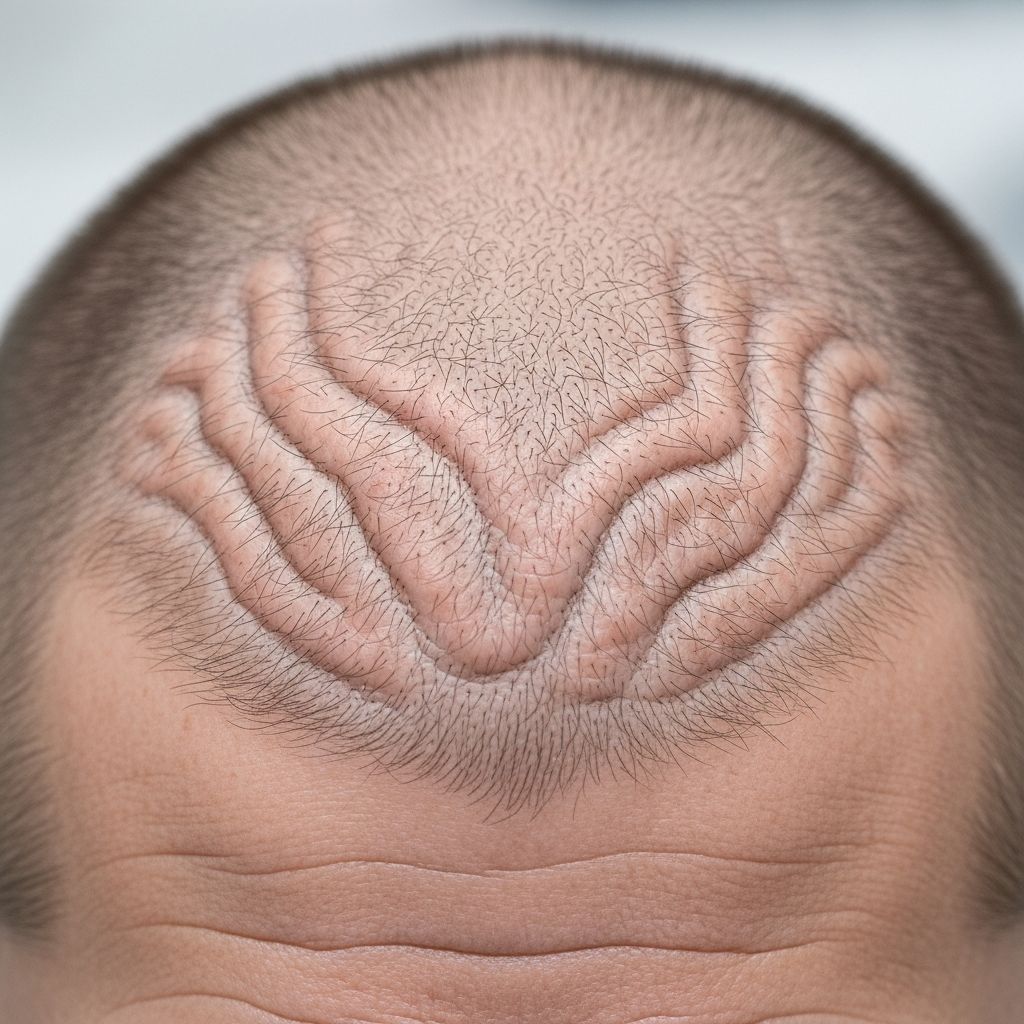
Cutis verticis gyrata (CVG) is a rare cutaneous disorder characterized by an overgrowth of the scalp skin resulting in convoluted folds and deep furrows that resemble the surface of the brain. This progressive condition predominantly affects males and is typically identified by excessive thickening of the soft tissues of the scalp. The condition develops multiple thickened skin folds in a cerebriform pattern, usually numbering between 2 to 12 folds. While most cases are asymptomatic, some patients experience discomfort and seek treatment due to cosmetic concerns.
Classification of Cutis Verticis Gyrata
CVG is classified into three distinct categories based on its etiology and associated features. Understanding these classifications is essential for proper diagnosis and treatment planning.
Primary Essential CVG
Primary essential cutis verticis gyrata is the most common form and occurs without any associated systemic or neurological abnormalities. This form represents a diagnosis of exclusion, as underlying systemic diseases must be ruled out to confirm the diagnosis. The etiology and pathophysiology of primary essential CVG remain largely unknown, though genetic and endocrinologic factors such as X-linked inheritance and increased utilization of testosterone in peripheral tissues have been implicated. The male predominance of this condition, combined with its postpubertal onset, suggests hormonal influences, though specific hormonal abnormalities have not been consistently identified in research studies.
Primary Non-Essential CVG
Primary non-essential cutis verticis gyrata can be associated with various neuropsychiatric and ophthalmological abnormalities. Patients with this form may experience intellectual deficits, epilepsy, cataracts, blindness, and deafness in addition to the characteristic scalp changes. This classification underscores the importance of comprehensive medical evaluation to identify any associated systemic conditions.
Secondary CVG
Secondary cutis verticis gyrata develops as a result of underlying inflammatory, neoplastic, or systemic conditions that lead to cellular infiltration of the dermis. This form is caused by an underlying disease that induces secondary skin changes through processes such as inflammation, lymphedema, neoplasia, or hyperplasia. Secondary CVG typically presents with asymmetric and disordered distribution of scalp folds and furrows compared to the more symmetric presentation of primary CVG.
Associated Conditions and Causes
Secondary CVG has been associated with a broad spectrum of conditions ranging from minor inflammations to serious systemic disorders. Understanding these associations is critical for comprehensive patient management:
- Inflammatory conditions: eczema, psoriasis, and folliculitis
- Neoplastic conditions: leukemia and lymphoma
- Endocrine disorders: acromegaly and diabetes mellitus
- Infectious diseases: syphilis
- Connective tissue and metabolic disorders: scleromyxedema and amyloidosis
- Genetic abnormalities: Turner syndrome, Klinefelter syndrome, and fragile X syndrome
- Neurological conditions: intracerebral aneurysm
- Substance-related causes: anabolic steroid use
- Dermatological conditions: cerebriform intradermal nevus
Clinical Presentation and Pathology
CVG typically presents as symmetric, redundant folds on the scalp with deep furrows and convolutions most commonly running from anterior to posterior. The hair is usually normal in the furrows but may be sparse on the folds. Despite being benign in nature, primary essential CVG can be associated with significant discomfort and pruritus, likely stemming from accumulation of cutaneous secretions in the grooves of the scalp.
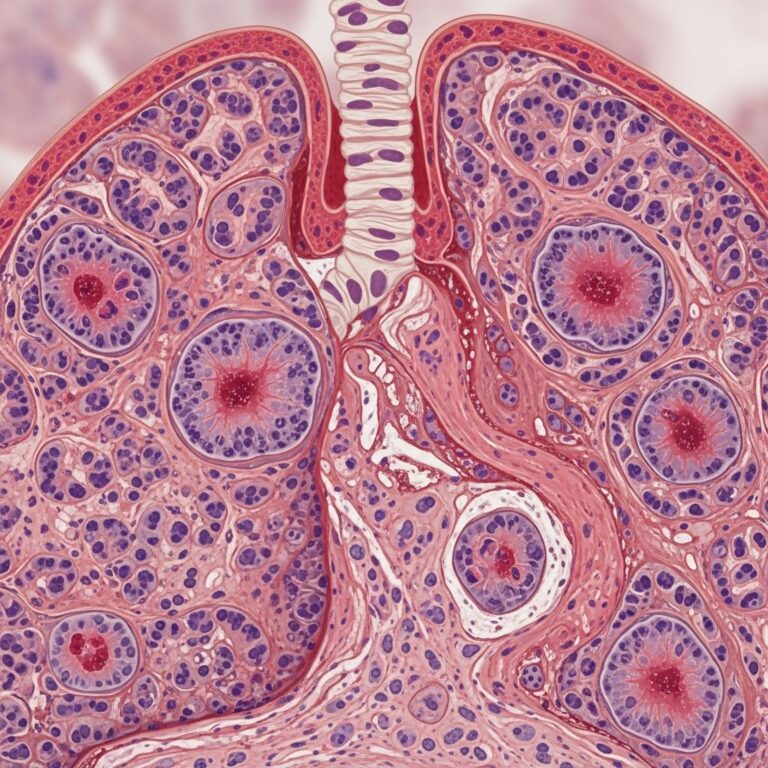
The pathological findings in CVG can vary considerably, ranging from normal skin to thickened connective tissue with hyperplasia of adnexal structures and an increase in collagen with trapping of glands. These pathological changes contribute to the characteristic appearance and symptoms experienced by patients. Quality of life can be significantly affected due to cosmetic concerns, particularly in cases where the scalp folds are pronounced and visible.
Patients may experience not only aesthetic concerns but also functional problems including discomfort, odor, pruritus, irritation, and uncomfortable sensations in the affected areas. Secondary infections and skin maceration can occur due to accumulation of moisture and debris in the deep furrows.
Related Stories



Diagnosis of Cutis Verticis Gyrata
Cutis verticis gyrata is usually a clinical diagnosis based on the characteristic appearance of the scalp. The distinctive convoluted folds and deep furrows resembling the brain’s surface are typically sufficient for diagnosis. However, comprehensive investigation is warranted to identify any associated conditions.
Diagnostic Investigations
While the clinical presentation is often diagnostic, investigations may be undertaken for associated neurological conditions or underlying disorders, particularly in cases of secondary CVG or primary non-essential CVG. These investigations may include:
- Neuroimaging studies to evaluate for associated neurological abnormalities
- Metabolic and endocrine screening
- Imaging studies to rule out neoplastic conditions
- Genetic testing when syndromic features are present
- Laboratory studies based on clinical suspicion of secondary causes
For primary essential CVG without associated features, diagnostic investigations may be limited, as the diagnosis is one of exclusion. However, a thorough clinical history and examination are essential to rule out underlying systemic diseases that might indicate secondary CVG.
Treatment Options
The management approach for cutis verticis gyrata depends on whether the condition is primary or secondary, the severity of symptoms, and the patient’s cosmetic concerns. A comprehensive treatment strategy should address both the underlying causes and the symptomatic management.
Conservative Management
Scalp hygiene forms the cornerstone of conservative management for all forms of CVG. Maintaining excellent scalp hygiene is essential to avoid accumulation of secretions in the furrows, which can lead to softening of the skin, unpleasant odor, potential infections, and exacerbation of symptoms. Regular cleansing with appropriate antimicrobial agents can help prevent secondary infections and reduce associated discomfort and pruritus.
For secondary CVG, treatment of the underlying disorder often leads to regression or improvement of the scalp changes. Addressing conditions such as eczema, psoriasis, acromegaly, or discontinuing anabolic steroid use may result in partial or complete resolution of CVG.
Surgical Intervention
Definitive treatment by surgery may be requested for cosmetic reasons and represents the most effective approach for primary CVG. The surgical approach depends on the size, location of the folds, and patient preference. Surgical options include:
- Excision: Small localized lesions can be excised in a single procedure
- Serial excision: Larger lesions can be removed with multiple procedures performed over time
- Tissue expansion: For larger folds, staged treatment using tissue expansion and local flap reconstruction may be employed
- Partial removal: Partial removal of the most pronounced portions of the lesion may be considered
- Myocutaneous or free flaps: In some cases, flaps of muscle and skin or free flaps such as from the latissimus dorsi muscle in the back can be used for full removal of excessive skin folds
- Scalp subcision: Scalp subcision has also been suggested as a treatment modality
Emerging Treatment Approaches
Novel treatment approaches continue to be explored. Dermal fillers, such as poly-L-lactic acid injections, have been suggested as potential treatments. Additionally, hyaluronidase injections have been investigated as a possible alternative to more invasive surgical approaches. Hyaluronidase is an enzyme that dissolves hyaluronic acid, a component of skin that contributes to its thickness.
However, clinical case reports demonstrate that hyaluronidase injections alone may not provide satisfactory results for most patients. While this treatment method remains a valid alternative to surgical intervention, patient expectations and cosmetic outcomes should be carefully discussed before initiating therapy.
Frequently Asked Questions
Q: What is cutis verticis gyrata?
A: Cutis verticis gyrata is a rare skin disorder characterized by excessive thickening and folding of the scalp skin, resulting in convoluted folds and deep furrows that resemble the surface of the brain. The condition predominantly affects males and typically develops after puberty.
Q: Is cutis verticis gyrata painful?
A: While most cases are asymptomatic, some patients experience discomfort, pruritus, and irritation due to accumulation of cutaneous secretions and debris in the deep scalp furrows. This can also lead to odor and uncomfortable sensations.
Q: What causes cutis verticis gyrata?
A: The cause depends on the type. Primary essential CVG has an unknown etiology, though hormonal and genetic factors are suspected. Primary non-essential CVG is associated with neuropsychiatric and ophthalmological abnormalities. Secondary CVG results from underlying inflammatory, neoplastic, or systemic conditions.
Q: How is cutis verticis gyrata diagnosed?
A: CVG is usually diagnosed clinically based on its characteristic appearance of symmetric, convoluted scalp folds and deep furrows. Investigations may be undertaken to identify associated neurological conditions or underlying disorders, particularly in secondary CVG cases.
Q: What are the treatment options for cutis verticis gyrata?
A: Treatment options include conservative management with good scalp hygiene to prevent accumulation of secretions, surgical excision or serial excision for larger lesions, tissue expansion with local flap reconstruction, and emerging treatments such as dermal fillers or hyaluronidase injections.
Q: Can cutis verticis gyrata be cured?
A: For secondary CVG, treating the underlying disorder may lead to regression of the scalp changes. For primary CVG, surgery represents the most effective definitive treatment, though conservative scalp hygiene management can help reduce symptoms.
Q: Is cutis verticis gyrata hereditary?
A: While genetic factors may influence primary essential CVG, particularly through X-linked inheritance patterns, the exact hereditary mechanisms remain unclear. Primary non-essential CVG can be associated with genetic syndromes such as Turner syndrome and Klinefelter syndrome.
Q: How common is cutis verticis gyrata?
A: Cutis verticis gyrata is a rare cutaneous disorder. It predominantly affects males and typically develops after puberty, though the exact prevalence is not well-defined in the medical literature.
Key Considerations for Patients
Patients with cutis verticis gyrata should understand that while the condition is benign, it can significantly impact quality of life through cosmetic concerns and physical symptoms. A thorough medical evaluation is essential to determine whether the CVG is primary or secondary, as this classification will guide treatment decisions and prognosis. For primary CVG, patients should maintain meticulous scalp hygiene as a foundational management strategy and discuss cosmetic treatment options including surgical approaches with their dermatologist. For secondary CVG, identifying and treating the underlying condition should be the primary focus, as resolution of the systemic disease may lead to improvement of the scalp manifestations.
References
- Cutis verticis gyrata: A novel approach utilizing intradermal hyaluronidase injections — Probiologists. 2024. https://www.probiologists.com/article/cutis-verticis-gyrata-a-novel-approach-utilizing-intradermal-hyaluronidase-injections
- Cutis verticis gyrata — DermNet. 2025. https://dermnetnz.org/topics/cutis-verticis-gyrata
- Cutis verticis gyrata — VisualDx. 2025. https://www.visualdx.com/visualdx/diagnosis/?moduleId=46&diagnosisId=51335
- Cutis Verticis Gyrata — MD Searchlight. 2024. https://mdsearchlight.com/skin-problems-and-treatments/cutis-verticis-gyrata/
- Cutis verticis gyrata — Dermatology Advisor. 2025. https://www.dermatologyadvisor.com/home/decision-support-in-medicine/dermatology/cutis-verticis-gyrata/
- Primary cutis verticis gyrata — National Organization for Rare Disorders. 2024. https://rarediseases.org/mondo-disease/primary-cutis-verticis-gyrata/
- Cutis Verticis Gyrata — StatPearls, National Center for Biotechnology Information. 2024. https://www.ncbi.nlm.nih.gov/books/NBK539812/
Similar Articles








Read full bio of medha deb