Cutting Board Safety: Essential Cleaning And Sanitizing Guide
Essential guidelines for cleaning, maintaining, and using cutting boards to prevent foodborne illness and cross-contamination in your kitchen.
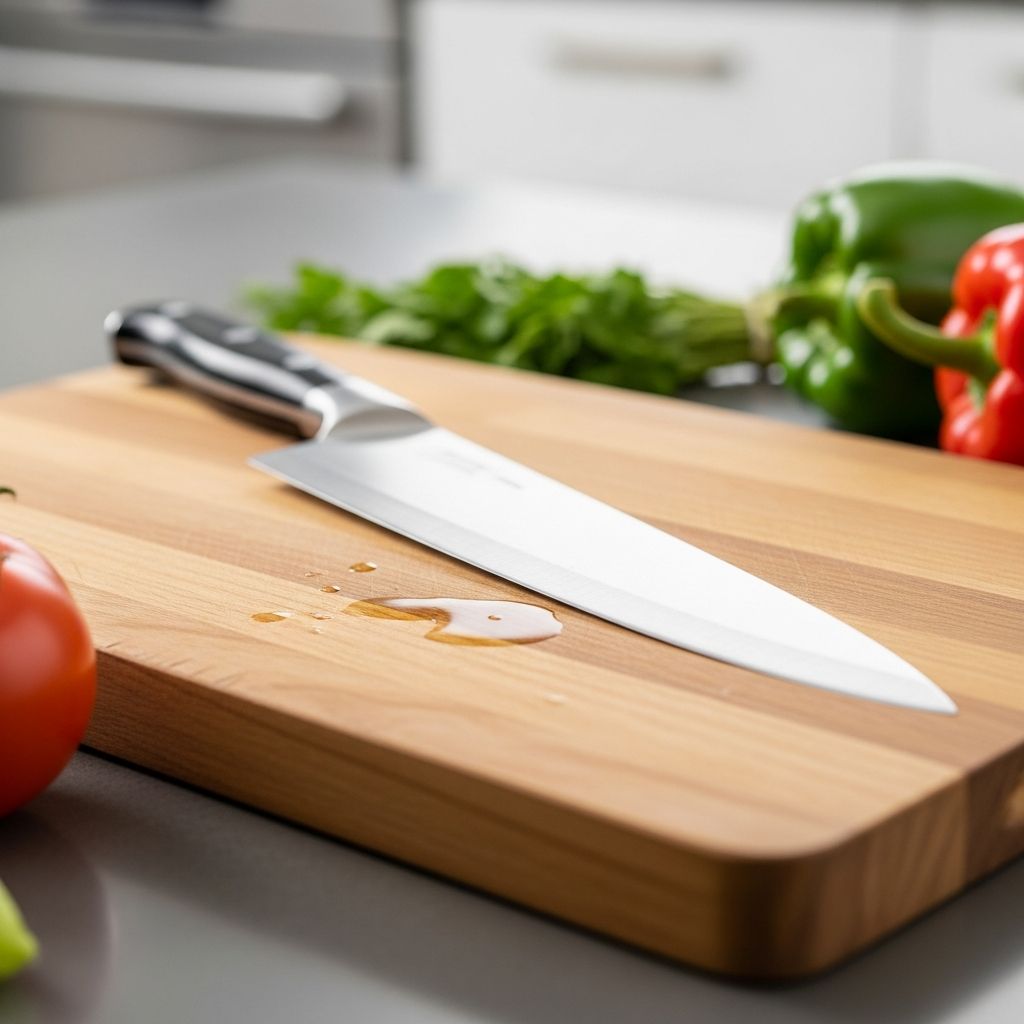
If not cleaned and maintained properly, cutting boards can hold harmful bacteria and spread food poisoning. To prevent foodborne illness, it’s essential to wash cutting boards before, during, and after food preparation, just like washing your hands. Cutting boards serve as a primary surface for chopping ingredients, but they can become reservoirs for pathogens like Salmonella, E. coli, and Listeria if mishandled. Studies have shown that bacteria can survive longer on certain materials if not properly sanitized, emphasizing the need for rigorous hygiene practices.
This comprehensive guide covers cleaning protocols, material choices, strategies to avoid cross-contamination, maintenance tips, and when to replace worn boards. By following these evidence-based recommendations from authoritative sources like the Academy of Nutrition and Dietetics, FDA, and Michigan State University Extension, you can significantly reduce the risk of food poisoning in your home kitchen.
Follow these guidelines for cleaning and maintaining your cutting boards
Proper cleaning is the cornerstone of cutting board safety. Always start with a clean board for every food preparation session to minimize bacterial buildup from previous uses.
- Always use a clean cutting board for food preparation. Never use a board that shows visible residue, stains, or odors from prior use.
- After each use and before moving on to the next step while prepping food, clean cutting boards thoroughly in hot, soapy water, then rinse with water and air dry or pat dry with clean paper towels. This removes food particles and organic matter that bacteria feed on.
- Plastic, glass, nonporous acrylic, and solid wood cutting boards can be washed in a dishwasher (laminated boards may crack and split). Dishwashers provide high heat and sanitizing cycles effective against most pathogens.
- After cutting raw meat, poultry, or seafood on a cutting board, clean it thoroughly with hot soapy water, then disinfect with chlorine bleach or other sanitizing solution and rinse with clean water. This two-step process—cleaning followed by sanitizing—is critical for eliminating resilient bacteria.
- To disinfect your cutting board, use a fresh solution of 1 tablespoon of unscented, liquid chlorine bleach per gallon of water. Flood the surface with the bleach solution and allow it to stand for several minutes. Rinse with water and air dry or pat dry with clean paper towels. This concentration, recommended by the FDA and USDA, effectively kills 99.9% of bacteria without leaving harmful residues.
- All cutting boards eventually wear out. Discard cutting boards that have become excessively worn or have hard-to-clean grooves. These grooves can hold harmful bacteria that even careful washing will not eliminate, creating breeding grounds for pathogens.
In commercial settings or high-volume home kitchens, consider clean-in-place boards sanitized after every use with 1-2 teaspoons of chlorine bleach per quart of water. For manual washing, use the three-compartment sink method: wash in warm soapy water, rinse with clear warm water, and immerse in sanitizing solution before air drying.
Be Careful With Cutting Boards
Cross-contamination occurs when juices from raw meats or germs from unclean objects accidentally touch cooked or ready-to-eat foods, such as fruits or salads. If not cleaned correctly, the board harbors harmful bacteria that transfer to safe foods, leading to illnesses affecting millions annually. The CDC estimates that cross-contamination is a leading cause of foodborne outbreaks.
To mitigate this risk:
- Use separate cutting boards for raw proteins and produce. Prepare fruits and vegetables first, store them safely, then wash the board thoroughly before handling raw meat, poultry, or seafood.
- Employ color-coded boards: red for raw meats/poultry, blue for seafood, green for produce, and yellow or white for ready-to-eat foods like bread. NSF-certified color-coded systems prevent mix-ups and are widely used in professional kitchens.
- Avoid “cross-contact” with allergens. When preparing food for someone with allergies, thoroughly wash and sanitize boards and utensils, as microscopic proteins can persist and trigger reactions.
Acrylic, Glass, Marble, Plastic or Solid Wood?
Related Stories



You choose the material based on your needs, but proper hygiene trumps material type. Debates persist on wood versus plastic: older studies suggested plastic was superior, but recent research indicates wooden boards may be safer as bacteria die faster on wood surfaces—often within minutes—due to natural antimicrobial properties. Plastic boards develop grooves more readily, harboring bacteria, while hardwood like maple resists knife scars better.
Key guidelines for all materials:
- Use two cutting boards minimum: one strictly for raw meat, poultry, and seafood; the other for ready-to-eat foods like breads and vegetables.
- Don’t confuse them. Color-coding makes it easy to remember assignments.
- Wash boards thoroughly in hot, soapy water after each use, followed by sanitizing.
- Discard old cutting boards with cracks, crevices, excessive knife scars, or deep grooves. Inspect regularly; replace when cleaning becomes ineffective.
| Material | Pros | Cons | Cleaning Method |
|---|---|---|---|
| Plastic | Affordable, dishwasher-safe, color-coded options available | Develops grooves easily, can melt if overheated | Dishwasher or bleach solution |
| Solid Wood | Self-healing surface, bacteria die quickly, durable with care | Requires hand washing, oiling for maintenance | Hot soapy water, bleach sanitize, air dry |
| Glass/Marble/Acrylic | Nonporous, easy to clean visually | Dulls knives quickly, slippery, heavy | Dishwasher safe, but avoid for daily chopping |
For special uses like charcuterie or butter boards, opt for plastic or parchment-lined wood to simplify sanitation. Refrigerate assembled boards and discard leftovers after 2 hours at room temperature. Vulnerable groups—pregnant individuals, elderly, young children, immunocompromised—should exercise extra caution.
Frequently Asked Questions (FAQs)
Q: Can wooden cutting boards be as safe as plastic ones?
A: Yes, recent studies show bacteria die faster on wood than plastic. With proper sanitizing, both are safe; focus on maintenance.
Q: How often should I replace my cutting board?
A: Discard when deep grooves form or cleaning fails to remove residue, typically every 1-2 years with regular use.
Q: Is dish soap enough, or do I need bleach?
A: Soap removes debris, but bleach or sanitizer is required after raw proteins to kill pathogens.
Q: What about bamboo or epoxy boards?
A: Bamboo is wood-like; treat as solid wood. Epoxy may be nonporous but verify dishwasher safety and avoid grooves.
Q: Can I use the same board for produce if I wash it well?
A: No, use separate boards to prevent cross-contamination entirely; washing reduces but doesn’t eliminate all risk.
Q: How do I prevent my board from slipping?
A: Place a damp towel underneath, especially for plastic boards during vigorous chopping.
Implementing these practices ensures your kitchen remains a safe space for meal prep. Regular inspection, dedicated boards, and consistent sanitizing routines are key to long-term food safety success.
References
- Cutting Board Safety — FoodHandler. 2023. https://foodhandler.com/cutting-board-safety/
- Cutting Board Safety — Academy of Nutrition and Dietetics. 2024-01-15. https://www.eatright.org/food/home-food-safety/wash-and-separate-foods/cutting-board-safety
- Food safety: Safely prepping produce on your cutting board — Michigan State University Extension (.edu). 2023-05-10. https://www.canr.msu.edu/news/food_safety_safely_prepping_produce_on_your_cutting_board
- Separating Food (Food Safety for Moms-to-Be) — U.S. Food and Drug Administration (.gov). 2024. https://www.fda.gov/food/people-risk-foodborne-illness/separating-food-food-safety-moms-be
- Charcuterie Boards and Food Safety — University of Nebraska-Lincoln Food (.edu). 2023-11-20. https://food.unl.edu/article/charcuterie-boards-and-food-safety/
Similar Articles








Read full bio of Sneha Tete