CXL: Revolutionizing Corneal Ectasia Care
Discover how corneal cross-linking is transforming treatments for keratoconus and ectasia, with epi-on innovations reducing pain and speeding recovery.
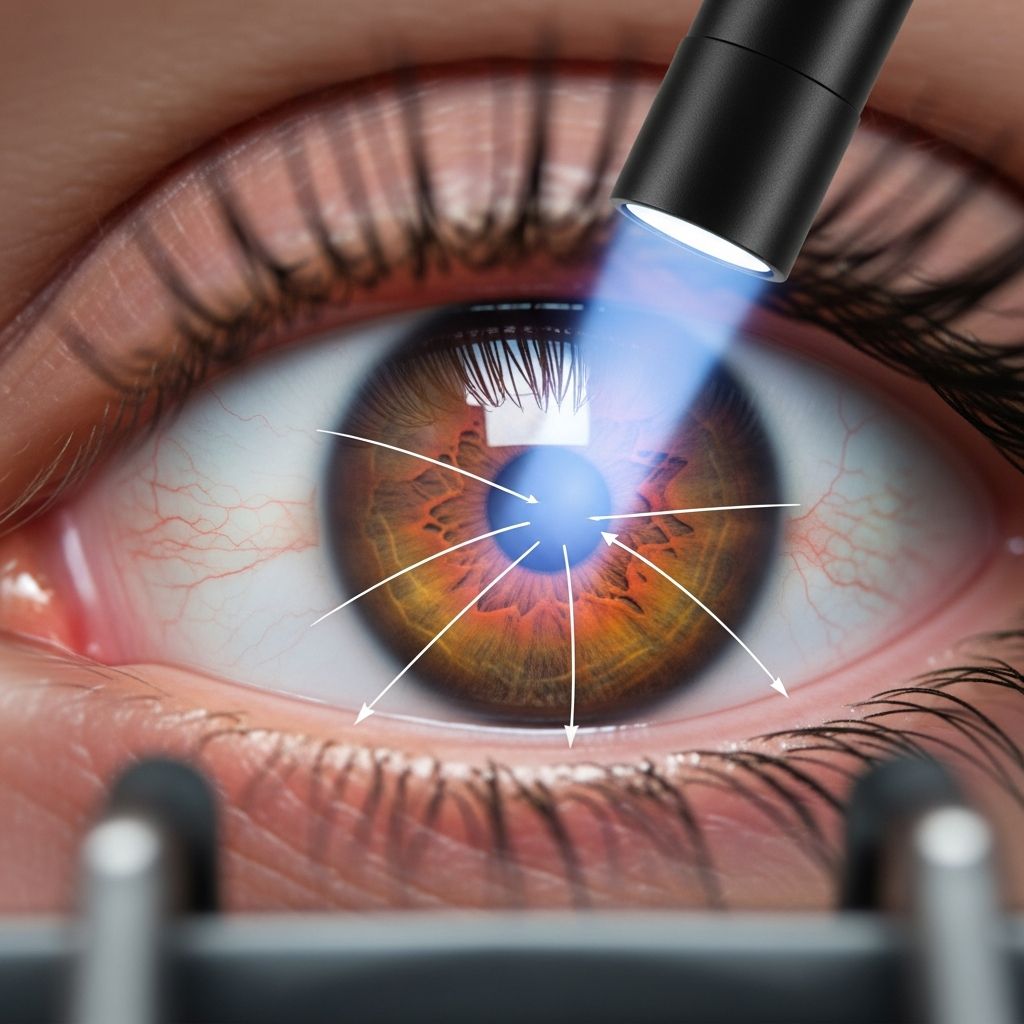
Corneal cross-linking (CXL) has emerged as a pivotal therapy for managing progressive corneal disorders like keratoconus and post-surgical ectasia. By strengthening the cornea’s collagen framework, CXL prevents further thinning and distortion, preserving vision and averting the need for transplants.
Understanding Corneal Ectasia and Keratoconus
Corneal ectasia refers to a group of conditions where the cornea progressively thins and bulges, leading to irregular astigmatism and vision decline. Keratoconus, the most prevalent form, typically begins in adolescence or early adulthood, affecting about 1 in 2,000 people. It causes the cornea to adopt a cone-like shape, distorting light entry and impairing clarity.
Post-refractive ectasia, another variant, arises after procedures like LASIK when the cornea weakens unexpectedly. Without intervention, these conditions can culminate in severe visual impairment, necessitating corneal transplants—a major surgery with risks like rejection.
The Science Behind Corneal Cross-Linking
CXL employs riboflavin (vitamin B2) and ultraviolet-A (UV-A) light to induce new bonds within corneal collagen fibers. This photochemical reaction increases corneal rigidity, halting ectatic progression. The standard process saturates the cornea with riboflavin, followed by controlled UV exposure, typically lasting 30 minutes.
Biomechanical studies confirm CXL boosts corneal stiffness by up to 300%, effectively stabilizing shape and flattening steepened areas. Unlike glasses or contacts that merely compensate for irregularities, CXL addresses the root cause.
Epi-Off vs. Epi-On: Comparing CXL Approaches
| Aspect | Epi-Off CXL | Epi-On CXL (e.g., Epioxa) |
|---|---|---|
| Invasiveness | Epithelium removed | Epithelium intact |
| Pain/Discomfort | High (3-5 days) | Minimal |
| Recovery Time | 1-2 weeks | 1-3 days |
| Infection Risk | Higher | Lower |
| Approval Status | FDA-approved since 2016 | FDA-approved Oct 2025 |
Epi-off CXL, the traditional method, requires epithelial debridement for optimal riboflavin penetration but involves postoperative pain and haze. Epi-on, or transepithelial CXL, preserves this protective layer using specialized riboflavin formulations and oxygen enhancement for efficacy without abrasion.
FDA Approval of Epioxa: A Milestone in Epi-On CXL
In October 2025, the FDA greenlit Epioxa by Glaukos Corporation, the inaugural incision-free CXL for keratoconus in patients aged 13+. Phase 3 trials demonstrated significant Kmax reduction (maximum corneal curvature) at 12 months versus placebo, with 91.5% completion rates signaling excellent tolerability.
Epioxa pairs riboflavin 5′-phosphate drops with the O2n System and Boost Goggles for oxygen-rich UV activation. Commercial rollout is slated for Q1 2026, promising widespread access soon.
Long-Term Efficacy and Safety Data
Ten-year follow-ups from pivotal trials show most epi-off CXL eyes stable, with preserved topography and acuity. No major adverse events emerged, though 5-10% may progress, underscoring monitoring needs.
Epi-on trials mirror these outcomes: corneal flattening, improved visual acuity, and low retreatment rates. Experts anticipate it will enable earlier intervention, akin to glaucoma management, treating at diagnosis rather than awaiting progression.
- Visual Gains: Enhanced CDVA and LCVA within months.
- Stability: 85-95% halt progression in ectasia cases.
- Transplant Reduction: Fivefold drop in keratoconus grafts post-CXL era.
Patient Selection and Procedure Details
Candidates include those with documented progression via serial topography, typically under 40. Contraindications encompass central scars or thin corneas (<400 microns). Pre-op assessments involve pachymetry, tomography, and endothelial counts.
The procedure, outpatient and 60-90 minutes, starts with numbing drops. Epi-on applies drops for 20-30 minutes, then UV for 10-20. Post-op, soft bandages and antibiotics aid comfort.
Related Stories



Emerging Innovations and Future Directions
Accelerated protocols cut UV time to 3-10 minutes via higher irradiance. Pulsed UV and bilateral simultaneous systems are in trials, expanding pediatric and advanced cases.
Oxygen supplementation optimizes epi-on efficacy, with devices like iLink advancing. Retreatment rates under 5% highlight durability, though customization via topography-guided CXL is next.
Risks, Complications, and Management
Common issues include transient haze (epi-off), discomfort, or sterile infiltrates, resolving spontaneously. Rare endothelial loss or keratitis demands vigilant follow-up at 1 day, 1 week, 1 month.
Epi-on minimizes these, reporting mild, transient effects. Long-term, stability holds, but annual exams track subtle shifts.
Global Impact and Access Considerations
CXL has slashed transplant needs worldwide. In the US, insurance often covers epi-off; epi-on coverage builds post-approval. Costs range $2,500-$5,000 per eye, with trials offering alternatives.
FAQs
Is CXL painful?
Epi-off causes moderate pain for days; epi-on is far gentler, often just mild irritation.
How soon can I drive post-CXL?
Epi-on: 1-3 days; epi-off: 1 week, vision permitting.
Does CXL cure keratoconus?
No, it stabilizes; glasses/contacts or implants may still aid vision.
Who performs CXL?
Corneal specialists using FDA-cleared systems.
Can children get CXL?
Yes, Epioxa approves ages 13+; earlier via trials.
References
- FDA Approves Epioxa | Incision-Free Crosslinking For Keratoconus — Vision Institute. 2025-10. https://www.vision-institute.com/new-era-in-keratoconus-treatment-fda-approves-epioxa-an-incision-free-cross-linking-option/
- What’s Next for Corneal Crosslinking — Review of Ophthalmology. 2024-10. https://www.reviewofophthalmology.com/article/whats-next-for-corneal-crosslinking
- Long-term outcomes of corneal cross-linking — Optometry Times. Undated (10-year data post-2016). https://www.optometrytimes.com/view/long-term-outcomes-of-corneal-cross-linking
- A Look at the Latest Technology in Corneal Cross-Linking — Eyes On Eyecare. 2026. https://eyesoneyecare.com/resources/a-look-at-the-latest-technology-in-corneal-cross-linking/
- What ODs Should Know About the Future of Corneal Cross-Linking — Eyes On Eyecare. Undated. https://eyesoneyecare.com/resources/what-ods-should-know-about-the-future-of-corneal-cross-linking/
- Corneal Collagen Cross-Linking: Advanced Treatment — Dr. Brendan Cronin. Undated. https://drbrendancronin.com.au/blog/world-leading-cross-linking-technology-at-qei/
- Crosslinking: then, now, and next up — EyeWorld. 2024. https://www.eyeworld.org/2024/crosslinking-then-now-and-next-up/
Similar Articles








Read full bio of medha deb