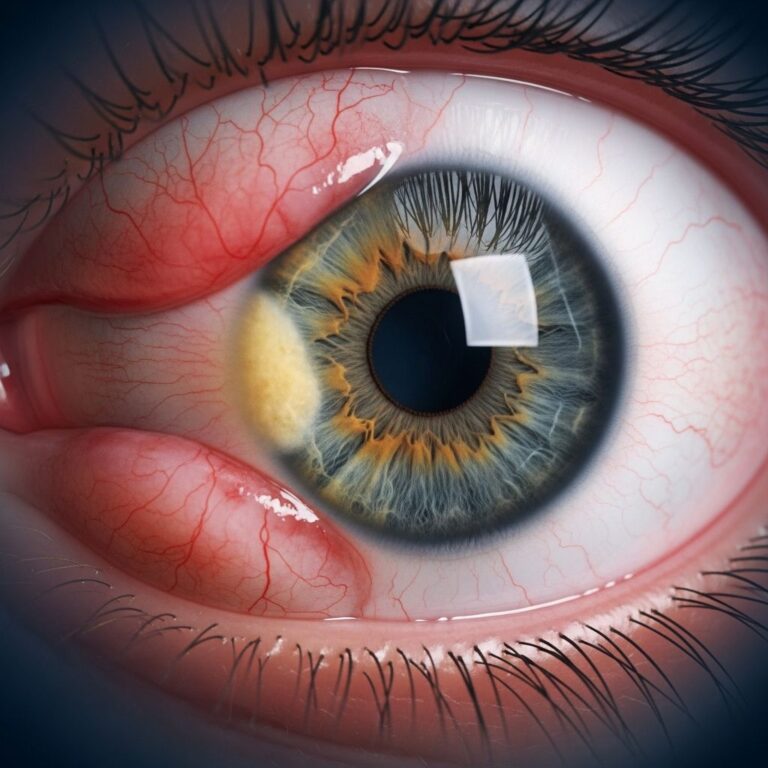
Cyanosis: Causes, Symptoms, Diagnosis & Treatment
Understanding cyanosis: Learn about causes, types, symptoms, and treatment options for blue skin and lips.
What Is Cyanosis?
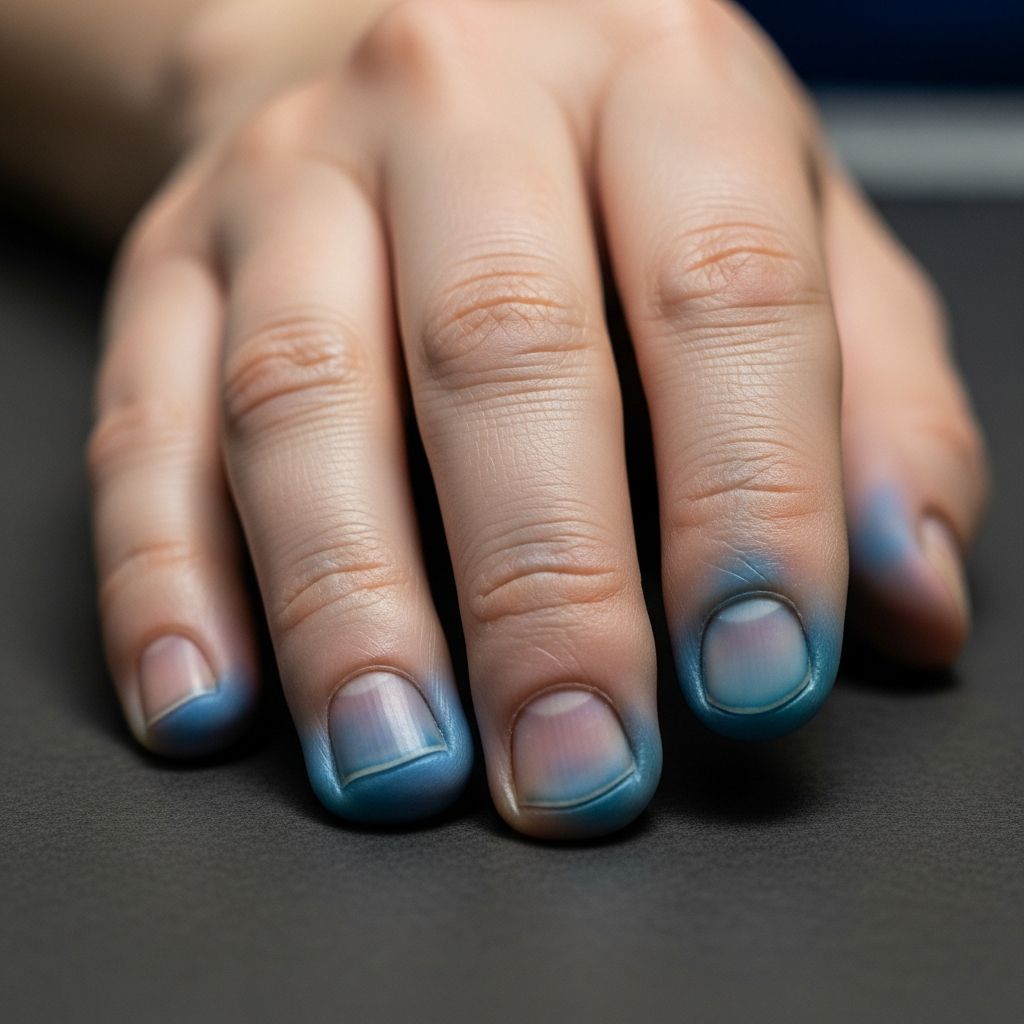
Cyanosis is a medical condition where your skin, lips, nails, or mucous membranes turn a bluish or purple tone. The term “cyanosis” comes from the word “cyan,” which refers to a blue-green color. This discoloration occurs when your blood lacks sufficient oxygen to properly circulate throughout your body and reach different tissues and organs.
When blood contains adequate oxygen, it appears bright red. However, when oxygen levels drop significantly, the blood becomes darker and takes on a more blue or purple hue. This color change is what causes the characteristic blue appearance of the skin and other visible body parts. If you have darker skin, cyanosis may be easier to see in your lips, gums, nails, and around your eyes.
It is important to understand that cyanosis is a symptom of an underlying condition rather than a disease itself. The bluish discoloration serves as a warning sign that your organs, muscles, and tissues may not be receiving adequate oxygenated blood to function properly. While blue skin and lips are not always causes for serious concern, some conditions causing cyanosis do require immediate medical attention.
Types of Cyanosis
Cyanosis is classified into three distinct types based on which areas of the body are affected and the underlying cause. Understanding these types helps healthcare providers identify the severity of the condition and determine the appropriate treatment approach.
Circumoral Cyanosis (Perioral)
Circumoral cyanosis occurs when only your mouth or lips turn blue. This type of cyanosis often develops when blood vessels shrink in response to cold temperatures. Circumoral cyanosis is relatively common and can be normal in newborns, as their circulatory systems are still adapting to the outside environment. In older children, circumoral cyanosis may appear when they spend time outdoors in cold weather without adequate protection for their lips and mouth.
Peripheral Cyanosis
Peripheral cyanosis is characterized by bluish discoloration of only the hands, fingers, feet, and toes. This type can occur in very cold weather if your hands and feet are not well protected. Peripheral cyanosis typically affects the distal extremities and may sometimes involve the area around the mouth and eyes, though the mucous membranes are generally not involved.
Peripheral cyanosis is rarely life-threatening and does not usually constitute a medical emergency. However, it remains important to identify and treat the underlying cause promptly. Delaying treatment could potentially lead to permanent injury or complications affecting the extremities.
Central Cyanosis
Central cyanosis represents the most serious type, occurring when other parts of your body are affected in addition to your hands and feet. Central cyanosis affects the trunk of the body and classically presents on the mucous membranes, tongue, chest, cheeks, gums, and lips. This generalized bluish discoloration indicates a more systemic problem with oxygenation throughout the body.
Central cyanosis is never physiologic (normal) and requires immediate medical evaluation. Serious heart, lung, or blood conditions are often responsible for central cyanosis. The presence of central cyanosis warrants urgent assessment to determine the underlying cardiopulmonary etiology and initiate appropriate treatment promptly.
Related Stories



Causes of Cyanosis
Cyanosis results from inadequate oxygenation of blood, occurring when deoxygenated hemoglobin exceeds 5.0 grams per deciliter. Many different conditions can cause your blood to lack the oxygen it needs. The underlying causes vary significantly depending on which type of cyanosis is present.
Causes of Peripheral Cyanosis
Peripheral cyanosis typically results from reduced blood flow to the extremities or vasoconstriction caused by cold exposure. When exposed to very cold temperatures, blood vessels in your hands, feet, and ears naturally constrict to preserve your body’s core temperature. This physiologic response reduces circulation to the extremities, causing them to appear blue or purple.
Other causes of peripheral cyanosis include acrocyanosis, a condition causing persistent bluish discoloration of the extremities, and various systemic illnesses such as sepsis, polycythemia, or hypoglycemia. Heart conditions affecting blood circulation can also result in peripheral cyanosis.
Causes of Central Cyanosis
Central cyanosis typically stems from more serious underlying conditions affecting the heart, lungs, or blood. Congenital heart diseases represent one of the most common causes in children. Conditions such as tetralogy of Fallot, transposition of the great arteries, tricuspid atresia, Ebstein anomaly, critical pulmonary stenosis, and truncus arteriosus can all present with cyanosis.
Pulmonary conditions causing inadequate oxygen diffusion in the lungs can also lead to central cyanosis. Additionally, abnormal hemoglobin or severe polycythemia may contribute to this condition. In some cases, exposure to certain poisonous substances or toxins can result in central cyanosis.
Risk Factors and When Cyanosis Appears
The onset and timing of cyanosis provide important diagnostic clues. In congenital heart diseases, certain conditions present with cyanosis within the first week of life, including tricuspid atresia, Ebstein anomaly, and critical pulmonary stenosis. Other conditions typically manifest cyanosis after the first week, such as tetralogy of Fallot and transposition of the great arteries.
In children, the most common causes of life-threatening central cyanosis are congenital heart disorders and polycythemia. Cold exposure and acrocyanosis represent the common causes of peripheral cyanosis in this age group. A more recent onset of cyanosis is highly suggestive of an acquired etiology, while cyanosis present since birth indicates a congenital cause.
It is essential to note that cyanosis can be more difficult to detect in dark-skinned individuals, as the blue discoloration is dependent on the absolute concentration of deoxygenated hemoglobin and skin pigmentation. Healthcare providers must maintain heightened awareness when evaluating darker-skinned patients to avoid missing this important clinical sign.
Diagnosis of Cyanosis
Your healthcare provider will perform a thorough evaluation to determine the cause of your cyanosis. The diagnosis process begins with a detailed physical examination and comprehensive patient history.
History and Physical Examination
During the initial assessment, your healthcare provider will ask specific questions about your symptoms, including:
– When the cyanosis first began and how long it has been present
– Whether the discoloration is constant or comes and goes
– What areas of your body are affected by the blue discoloration
– Associated symptoms such as difficulty breathing, chest pain, or fatigue
– Recent exposure to cold temperatures or toxic substances
– Your medical history, including any heart or lung conditions
– Medications you are currently taking
Diagnostic Tests
Your healthcare provider may order various tests to determine the underlying cause of cyanosis. These tests can include:
– Blood tests to measure oxygen saturation and assess hemoglobin levels
– Chest X-rays to evaluate lung and heart structure
– Electrocardiogram (ECG) to assess heart electrical activity
– Echocardiogram to visualize heart structure and function
– Pulse oximetry to continuously monitor oxygen saturation
– Arterial blood gas (ABG) testing to measure oxygen, carbon dioxide, and acid-base levels
– Additional imaging studies as needed based on initial findings
Treatment Options for Cyanosis
The treatment for cyanosis depends entirely on the underlying cause. However, healthcare providers often begin with specific interventions to stabilize the patient and improve oxygenation.
Oxygen Therapy
Oxygen therapy is usually a first-line treatment for cyanosis. This approach provides additional oxygen to help boost oxygen levels in your blood quickly. Oxygen can be delivered through various methods, including:
– Regular or high-flow nasal cannula for mild to moderate hypoxemia
– Face masks for more efficient oxygen delivery
– Breathing machines or ventilators for severe cases requiring assisted ventilation
Management of Metabolic Abnormalities
Metabolic abnormalities such as hypoglycemia and hypocalcemia should be corrected if present. These abnormalities can occur as a result of the inability to feed secondary to cyanotic heart diseases in children, or from other underlying conditions.
Treatment of Peripheral Cyanosis
The goal of managing peripheral cyanosis is to identify and treat the underlying cause of vasoconstriction and restore adequate oxygen-rich blood flow to the extremities. Peripheral cyanosis is usually reversible through appropriate treatment. When peripheral cyanosis is seen in sick-looking children with signs of shock, rapid treatment becomes necessary, including airway and breathing management with further evaluation of the cause of shock.
Specialized Treatment Approaches
All causes of central cyanosis can potentially also cause extremity cyanosis. Correcting the underlying cause represents the key to managing such cases. Serious conditions, such as heart failure, must be treated in a hospital setting as an emergency. An interprofessional approach involving various medical subspecialties is often warranted to diagnose and manage the underlying cause of cyanosis effectively.
Important Considerations
Cyanosis caused by an absolute increase in deoxygenated hemoglobin means that greater arterial hemoglobin desaturation is required in anemic patients for cyanosis to manifest compared to individuals with normal hemoglobin levels. This means that the appearance of cyanosis in anemic patients warrants immediate attention, as their oxygen saturation is likely very low at that point.
Cyanosis is typically caused by hypoxemia, which is an abnormally low oxygen concentration of less than 80-85% in arterial blood. However, cyanosis is not a sensitive or specific indicator of hypoxemia. Since cyanosis is a clinical sign, proper evaluation is important to determine the actual etiology of the condition.
Frequently Asked Questions
Q: Is cyanosis always a sign of a serious medical condition?
A: Not always. While central cyanosis typically indicates a serious underlying condition requiring immediate evaluation, peripheral cyanosis caused by cold exposure is usually temporary and resolves once the extremities warm up. However, any cyanosis warrants proper medical evaluation to identify the cause.
Q: Can cyanosis be reversed with treatment?
A: Peripheral cyanosis is usually reversible when oxygen-rich blood flow is restored to the affected areas and the underlying cause is treated. Central cyanosis outcomes depend on the severity and type of underlying condition, but appropriate treatment can often improve oxygenation significantly.
Q: Why is cyanosis harder to see in people with darker skin?
A: Cyanosis depends on the absolute concentration of deoxygenated hemoglobin and is more visible against lighter skin tones. In darker-skinned individuals, cyanosis may be easier to see in the lips, gums, nails, and around the eyes where pigmentation differences are less pronounced.
Q: Should I seek immediate medical attention if I notice cyanosis?
A: Yes, you should seek medical attention if you or your child have cyanosis, particularly if accompanied by difficulty breathing, chest pain, confusion, or other concerning symptoms. Central cyanosis always requires urgent evaluation.
Q: What is the difference between oxygen saturation and cyanosis?
A: Oxygen saturation measures the percentage of hemoglobin carrying oxygen in your blood. Cyanosis is the visual appearance of blue discoloration caused by low oxygen levels. Cyanosis typically appears when oxygen saturation drops below 80-85%, but the relationship is not always straightforward.
References
- Central and Peripheral Cyanosis — StatPearls Publishing. 2024. https://www.statpearls.com/point-of-care/27005
- Cyanosis (Blue Hands & Feet): Causes, Treatment & Diagnosis — Cleveland Clinic. 2024. https://my.clevelandclinic.org/health/diseases/24297-cyanosis
- Delayed Presentation of Tetralogy of Fallot with Isolated Cyanosis — National Center for Biotechnology Information. 2018. https://pmc.ncbi.nlm.nih.gov/articles/PMC6031205/
- Cyanotic Heart Disease (CCHD): Causes, Symptoms and Treatment — Cleveland Clinic. 2024. https://my.clevelandclinic.org/health/diseases/22441-cyanotic-heart-disease
- Hypoxemia: Causes, Symptoms, Diagnosis & Treatment — Cleveland Clinic. 2024. https://my.clevelandclinic.org/health/diseases/17727-hypoxemia
Similar Articles








Read full bio of Sneha Tete