Cyanotic Heart Disease: Symptoms, Causes & Treatment
Understanding cyanotic heart disease: causes, symptoms, diagnosis, and treatment options.
Cyanotic Heart Disease: Understanding a Serious Heart Condition
Cyanotic heart disease is a serious congenital heart condition characterized by a structural abnormality in the heart that develops before birth. This condition reduces the amount of oxygen your heart can deliver to the rest of your body, leading to lower oxygen levels in the blood than normal. The term “cyanotic” refers to the bluish discoloration that can appear on the skin, lips, and fingernails due to these reduced oxygen levels. Unlike acyanotic heart disease, which allows relatively normal blood flow despite structural defects, cyanotic heart disease significantly impairs the heart’s ability to pump oxygen-rich blood throughout the body.
Cyanotic congenital heart disease remains one of the most critical cardiac conditions affecting newborns and young children. Babies born with this condition typically require immediate medical attention and often need surgery shortly after birth. However, with modern medical advances in diagnosis and treatment, survival rates have improved dramatically over the past few decades.
What Is Cyanotic Heart Disease?
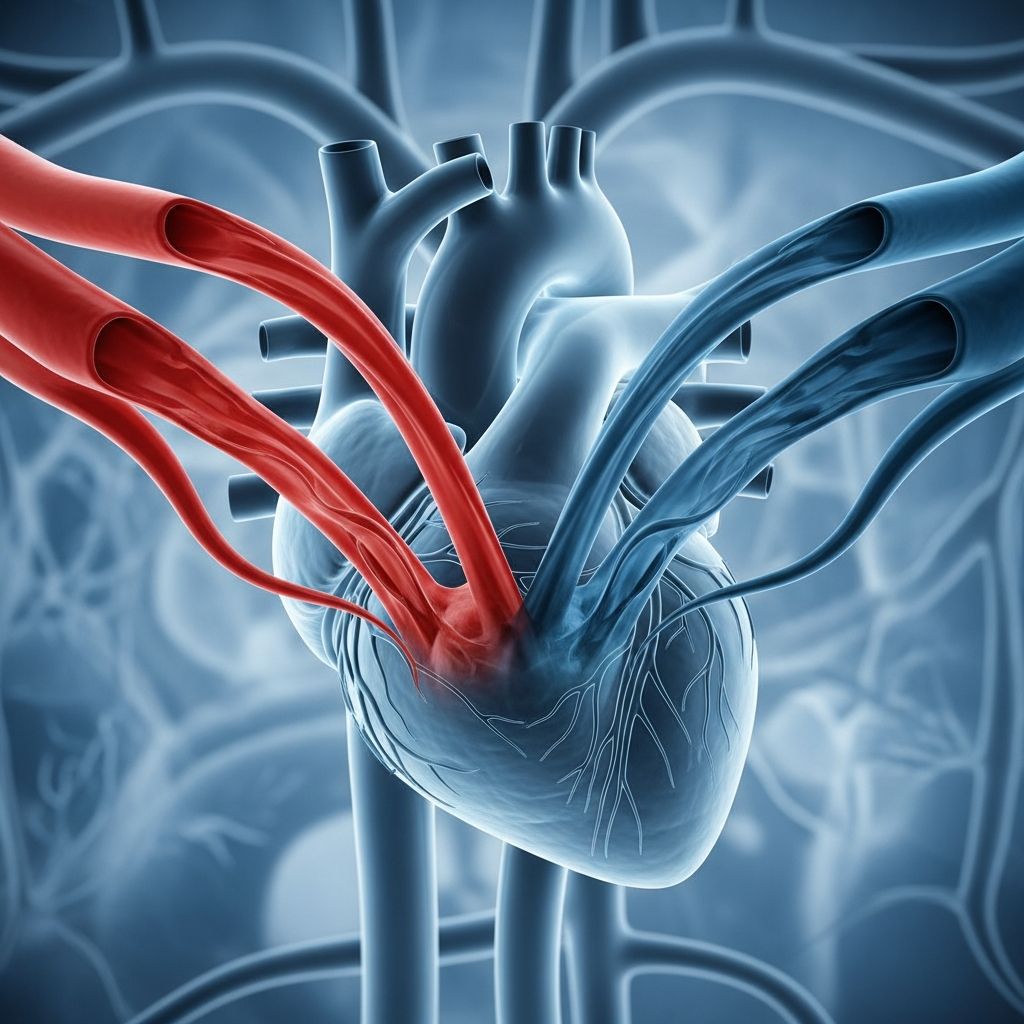
Cyanotic heart disease is a group of congenital heart defects that result in abnormal blood circulation patterns, preventing adequate oxygenation of the blood before it reaches the body. In a normal heart, deoxygenated blood returns from the body to the right side of the heart, where it is pumped to the lungs for oxygenation. The oxygen-rich blood then returns to the left side of the heart and is pumped throughout the body. In cyanotic heart disease, this process is disrupted, allowing deoxygenated blood to bypass the lungs or mix with oxygenated blood, resulting in low blood oxygen levels.
This condition affects approximately 8 to 9 per 1,000 live births, with cyanotic cases representing about 25% of all congenital heart disease diagnoses. The severity of the condition varies widely, with some cases being life-threatening and requiring emergency intervention, while others may be manageable with careful monitoring and treatment.
Common Types of Cyanotic Heart Disease
Several types of cyanotic heart defects exist, each with unique characteristics and treatment requirements:
Tetralogy of Fallot
Tetralogy of Fallot is the most common form of cyanotic congenital heart disease in both children and adults. This condition involves four distinct heart abnormalities: a hole between the ventricles (ventricular septal defect), narrowing of the pulmonary valve, thickening of the right ventricle wall, and displacement of the aorta. These combined defects allow deoxygenated blood to bypass the lungs and circulate directly to the body.
Transposition of the Great Arteries
In this condition, the two main arteries carrying blood from the heart (the aorta and pulmonary artery) are switched in position. This anatomical reversal means deoxygenated blood circulates to the body while oxygenated blood recirculates to the lungs, creating a life-threatening situation that typically requires emergency intervention.
Tricuspid Atresia
Tricuspid atresia occurs when the tricuspid valve, which normally allows blood to flow from the right atrium to the right ventricle, is completely absent or underdeveloped. This prevents normal blood flow to the lungs, requiring alternative pathways for blood to reach the lungs and become oxygenated.
Related Stories



Total Anomalous Pulmonary Venous Return
In this rare condition, the pulmonary veins that normally return oxygenated blood from the lungs to the left atrium instead connect abnormally to the right side of the heart or to veins leading to the right atrium. This routing causes mixing of oxygenated and deoxygenated blood.
Pulmonary Atresia
Pulmonary atresia involves the complete absence or severe narrowing of the pulmonary valve, preventing blood from flowing from the right ventricle to the lungs. This critical condition requires immediate intervention to establish alternative pathways for pulmonary circulation.
Ebstein’s Anomaly
Ebstein’s anomaly is a malformation of the tricuspid valve where the valve leaflets are positioned lower than normal in the right ventricle. This misalignment allows blood to flow backward into the right atrium, and in severe cases, can result in cyanosis.
Symptoms and Signs of Cyanotic Heart Disease
The symptoms of cyanotic heart disease typically appear shortly after birth, though their timing and severity depend on the specific type and severity of the defect. Parents and healthcare providers should watch for the following warning signs:
In Newborns:
– Bluish discoloration (cyanosis) of the skin, lips, fingers, and toes- Difficulty feeding or poor feeding- Rapid or difficult breathing- Lethargy or extreme fatigue- Poor growth- Cold extremities
In Older Children:
– Shortness of breath, especially during physical activity- Fatigue and inability to keep up with peers during play- Bluish discoloration during activity or crying- Chest pain or discomfort- Swelling in the abdomen or legs- Frequent respiratory infections
Some children may develop a characteristic “squatting” position during episodes of decreased oxygen levels, which temporarily improves blood flow to the lungs. This compensatory behavior is more common in untreated or partially treated cases.
Causes and Risk Factors
The exact cause of cyanotic heart disease remains largely unknown, though researchers have identified several factors that increase the risk of developing these conditions. Unlike acquired heart disease, cyanotic heart disease develops during fetal development, typically during the first eight weeks of pregnancy when the heart is forming.
Genetic and Hereditary Factors: Certain genetic conditions and chromosomal abnormalities significantly increase the risk of congenital heart disease. Down syndrome (trisomy 21), Turner syndrome, and DiGeorge syndrome are frequently associated with cyanotic heart defects.
Maternal Factors: Maternal infections during pregnancy, particularly rubella (German measles), can interfere with normal heart development. Additionally, maternal use of certain medications, alcohol consumption, and poor nutritional status may contribute to heart defects.
Environmental Exposures: Exposure to certain medications during pregnancy, such as some anti-seizure drugs and corticosteroids, has been linked to increased risk of congenital heart disease.
Family History: Having a parent or sibling with congenital heart disease increases the likelihood of developing similar conditions.
Diagnosis of Cyanotic Heart Disease
Early diagnosis is crucial for managing cyanotic heart disease and improving outcomes. Healthcare providers use several diagnostic methods to identify and assess the severity of these conditions:
Pulse Oximetry
Pulse oximetry is often the first screening test performed on newborns. This simple, painless test uses a small sensor placed on the baby’s finger or toe to measure blood oxygen saturation. Abnormally low readings may indicate cyanotic heart disease and prompt further investigation.
Physical Examination
During a physical examination, a healthcare provider may observe signs of cyanosis, listen for heart murmurs or abnormal heart sounds, check for breathing difficulties, and assess overall development and growth.
Chest X-ray
A chest X-ray provides images of the heart and lungs, revealing abnormalities in heart size, shape, and position, as well as changes in lung blood vessel patterns.
Electrocardiogram (ECG)
An ECG records the electrical activity of the heart, revealing abnormalities in heart rhythm and electrical conduction patterns that may indicate structural defects.
Echocardiography
Echocardiography uses ultrasound waves to create detailed images of the heart’s structure and function. This non-invasive test can clearly show the specific anatomical defects present and assess how well the heart is functioning.
Cardiac Catheterization
In some cases, cardiac catheterization may be necessary. This procedure involves inserting a thin tube (catheter) into blood vessels and guiding it to the heart to measure pressure, oxygen levels, and obtain more detailed information about the heart’s structure and function.
Cardiac MRI or CT Scan
Advanced imaging techniques like magnetic resonance imaging (MRI) or computed tomography (CT) scanning provide detailed three-dimensional images of the heart, helping physicians plan surgical interventions.
Treatment Options
Treatment for cyanotic heart disease depends on the specific type of defect, its severity, and the child’s overall health status. Most patients will require surgery, catheterization, or catheterization intervention.
Medications
In some cases, medications may be prescribed to help manage symptoms and improve heart function. Prostaglandin E1 may be given to keep the ductus arteriosus (a fetal blood vessel) open, improving blood flow to the lungs. Diuretics may help reduce fluid buildup, and other medications may manage heart rate or blood pressure.
Surgical Interventions
Surgical repair is often necessary to correct the anatomical defects. Common surgical procedures include:
– Blalock-Taussig Shunt: A temporary procedure that creates a connection between the aorta and pulmonary artery to improve blood flow to the lungs- Fontan Procedure: A multi-stage surgery typically used for single-ventricle defects- Arterial Switch Operation: For transposition of the great arteries, this procedure reconnects the arteries to their correct positions- Total Repair: Complete surgical correction of the anatomical defects
Catheter-Based Interventions
Minimally invasive catheter-based procedures may be used to repair certain defects or improve blood flow without open-heart surgery. These procedures have excellent results in the adult and pediatric populations.
Prognosis and Survival Rates
The prognosis for individuals with cyanotic heart disease has improved dramatically over recent decades. Decades ago, only 10% of children with congenital heart disease survived into adulthood. Today, advances in diagnosis and treatment now help about 90% survive. The outlook depends on several factors including the specific type of defect, its severity, and the timing and success of treatment interventions.
Most individuals who receive appropriate treatment can live relatively normal, fulfilling lives. However, they require ongoing medical supervision and may need additional procedures or interventions as they age.
Long-Term Management and Follow-Up Care
After surgical repair, cyanotic heart disease remains a medical condition requiring lifelong monitoring. Regular follow-up appointments with an adult congenital cardiologist who specializes in caring for patients born with heart conditions are essential. These specialists can help monitor heart function, manage complications, provide counseling about physical activity limitations, discuss reproductive health considerations, and coordinate care with other healthcare providers.
Individuals with cyanotic heart disease may face certain lifestyle considerations, including limitations on strenuous physical activity, need for antibiotic prophylaxis before dental procedures, and careful management of blood pressure and overall cardiovascular health.
Frequently Asked Questions
Q: Can cyanotic heart disease be prevented?
A: There are no proven strategies to prevent cyanotic heart disease, as scientists don’t fully understand what causes these defects. However, pregnant women can reduce certain risks by avoiding alcohol, getting vaccinated against rubella, managing maternal health conditions, and avoiding certain medications.
Q: Is cyanotic heart disease always life-threatening?
A: While cyanotic heart disease is serious and typically requires treatment, not all cases are immediately life-threatening. The severity varies depending on the specific type and extent of the defect. However, all cases require medical evaluation and monitoring.
Q: Can adults develop cyanotic heart disease?
A: Cyanotic heart disease is a congenital condition present at birth, so adults don’t develop it later in life. However, some individuals may not receive a diagnosis until childhood, adolescence, or adulthood, depending on the severity of their specific defect.
Q: What activities can children with cyanotic heart disease participate in?
A: Activity restrictions depend on the specific condition and treatment received. Many children can participate in age-appropriate activities with modifications. Healthcare providers can provide specific guidelines based on the individual child’s cardiac status.
Q: How often do individuals with cyanotic heart disease need medical checkups?
A: The frequency of checkups depends on the specific condition and treatment received. Generally, regular annual or semi-annual visits with an adult congenital cardiologist are recommended for ongoing monitoring and management.
References
- Congenital Heart Disease: Symptoms & Treatment — Cleveland Clinic. 2024. https://my.clevelandclinic.org/health/diseases/21674-congenital-heart-disease
- Diagnosis and management of congenital heart disease in the adult — PubMed Central, National Institutes of Health. 2001. https://pubmed.ncbi.nlm.nih.gov/11520451/
- Acyanotic Heart Disease: Causes, Symptoms and Treatment — Cleveland Clinic. 2024. https://my.clevelandclinic.org/health/diseases/21725-acyanotic-heart-disease
Similar Articles








Read full bio of medha deb