Cyclic Vulvovaginitis: Essential Causes And Treatments
Recurrent vulval itching and burning tied to menstrual cycle phases: causes, diagnosis, and effective treatments.
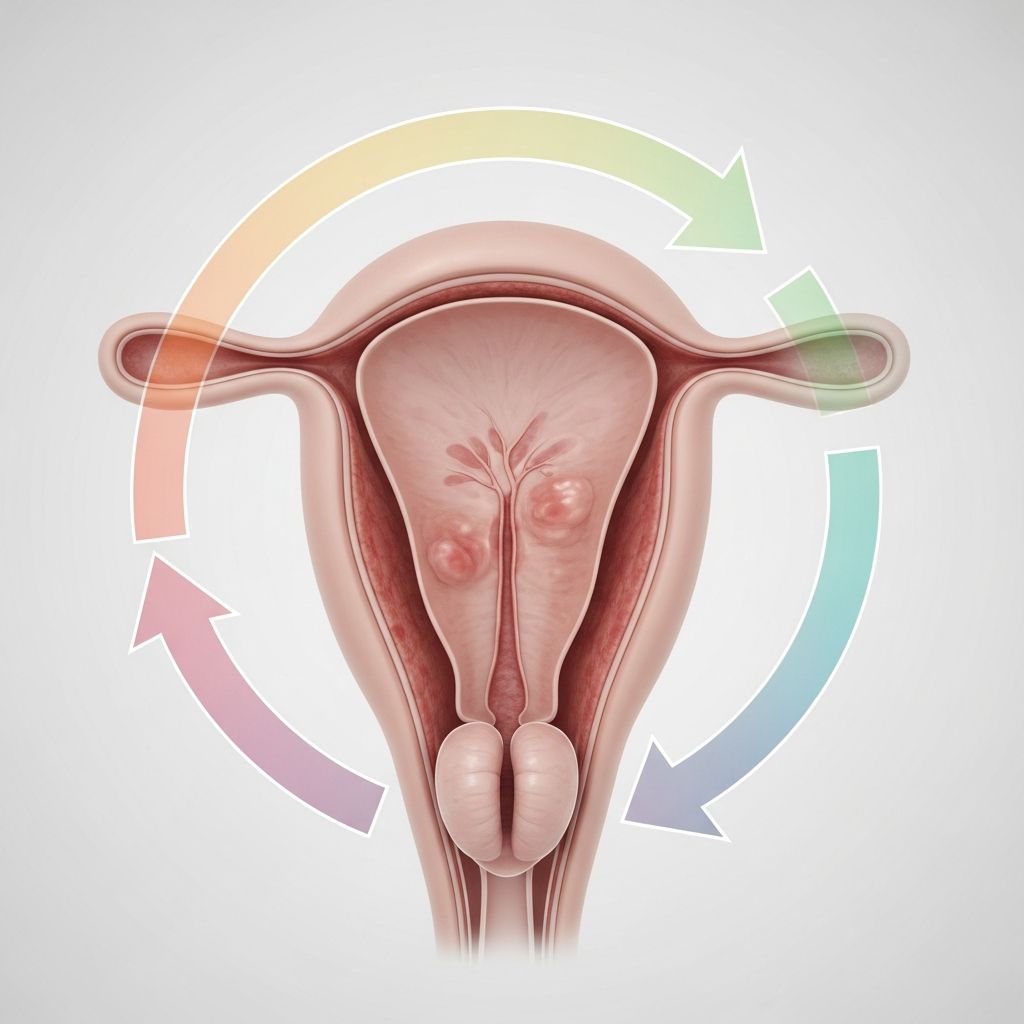
Cyclic vulvovaginitis, also known as candida hypersensitivity syndrome, describes recurrent episodes of vulvar and vaginal burning and itching that consistently occur at the same phase of the menstrual cycle. This condition affects women of reproductive age and can significantly impact quality of life due to its predictable yet distressing pattern. Correct identification of the underlying cause is crucial, as treatments vary by etiology, often requiring tailored antifungal, hormonal, or supportive therapies.
Introduction
Cyclic vulvovaginitis refers to inflammation of the vulva (external female genitalia) and vagina that flares up repeatedly in sync with the menstrual cycle. Symptoms typically peak just before menstruation or during the luteal phase, when progesterone levels rise. Unlike sporadic infections, these recurrences are hormonally triggered, distinguishing them from random vulvovaginitis cases. The condition is underdiagnosed because symptoms mimic common yeast infections, leading to overuse of antifungals without resolution. Early recognition prevents chronicity and unnecessary treatments.
Women may experience intense irritation that disrupts daily activities, sleep, and sexual function. The term ‘candida hypersensitivity syndrome’ is sometimes used, though it implies yeast over-sensitivity without confirmed infection, highlighting diagnostic challenges. Management focuses on pinpointing the trigger—whether microbial, hormonal, or irritant-related—and applying targeted interventions.
Demographics
Cyclic vulvovaginitis primarily affects premenopausal women aged 20-45 years, coinciding with active menstrual cycles. It is more common in those with a history of recurrent vaginal infections, such as candidiasis or bacterial vaginosis. Risk factors include hormonal contraceptive use, recent antibiotic exposure, diabetes, immunosuppression, and high-stress lifestyles that alter vaginal flora. Prevalence data is limited, but studies suggest it accounts for 10-20% of recurrent vulvovaginitis cases in specialized clinics. Postmenopausal women rarely experience true cyclic forms due to absent menstruation, though hypoestrogenic states can mimic symptoms.
Geographically, it appears universal but may be reported more in developed nations with better access to gynecological care. Parous women (those who have given birth) and those with multiple sexual partners show slightly higher incidence due to potential microbiome disruptions.
Causes
The three major causes of cyclic vulvovaginitis are cytolytic vaginosis, autoimmune progesterone dermatitis, and contact dermatitis or eczema. Each links symptoms to menstrual phases through distinct mechanisms.
Cytolytic Vaginosis
Cytolytic vaginosis results from excessive Lactobacillus overgrowth, leading to vaginal pH below 4.0 and cell lysis (breakdown). Symptoms worsen premenstrually as estrogen dips, exacerbating acidity. Lactobacilli produce lactic acid, causing irritation without infection. Wet mounts reveal parabasal cells, bare nuclei, and absent pathogens. This non-infectious condition is often misdiagnosed as yeast infection.
Autoimmune Progesterone Dermatitis
This rare hypersensitivity reaction occurs to endogenous progesterone rising in the luteal phase. Symptoms manifest as cyclic dermatitis, urticaria, or vulvovaginitis 3-10 days before menses. Skin biopsy may show perivascular inflammation. It can progress to anaphylaxis in severe cases. Diagnosis involves intradermal progesterone challenge tests, confirming flares.
Dermatitis
Contact or endogenous dermatitis flares with menses due to pad friction, hygiene products, or sweat accumulation. Allergic reactions to latex, fragrances, or dyes in sanitary items provoke symptoms. Atopic individuals are prone. Patch testing identifies allergens.
Other contributors include recurrent candidiasis (azole-resistant strains) and bacterial vaginosis (BV) with cyclic patterns, influenced by hormonal shifts on flora.
Related Stories



Clinical Features
Core symptoms include burning, itching, or stinging of the vulva and vagina, peaking at the same menstrual cycle phase monthly—often luteal or premenstrual. Additional signs: dyspareunia (painful intercourse), dysuria (painful urination), and minimal discharge. Between flares, patients are often asymptomatic. Vulvar erythema, edema, or fissures may appear; vaginal exam shows inflammation without thrush plaques.
- Itching: Intense, worsens nocturnally or post-activity.
- Burning: Entry dyspareunia common.
- Discharge: Scant, white, or frothy in cytolytic cases.
- Odor: Absent or mild in non-BV forms.
Symptoms intensify after sex or tampon use, mimicking infections but recurring predictably.
Complications
Untreated cyclic vulvovaginitis leads to chronic vulvodynia (persistent pain), sexual dysfunction, anxiety, and depression. Misdiagnosis causes antifungal overuse, fostering resistance. Recurrent flares increase healthcare visits and treatment costs. Rarely, progesterone dermatitis escalates to systemic reactions. Long-term irritation risks lichenification or scarring.
Diagnosis
Diagnosis hinges on history: cyclic timing confirms pattern. Pelvic exam assesses vulvar/vaginal changes. Key tests:
- pH Testing: Low (<4.5) suggests cytolytics.
- Wet Mount Microscopy: Lactobacilli dominance, parabasal cells for cytolytics; hyphae for candida.
- Culture/Sensitivity: For resistant organisms.
- Biopsy: Eosinophils in progesterone dermatitis.
- Patch Testing: For allergens.
Swabs rule out BV (Amsel criteria) or trichomoniasis. Hormone assays if systemic suspected.
Differential Diagnoses
| Condition | Key Distinguisher |
|---|---|
| Recurrent Vulvovaginal Candidiasis (RVVC) | Positive yeast culture; responds to antifungals initially. |
| Bacterial Vaginosis | Fishy odor, pH >4.5, clue cells. |
| Vulvodynia | Chronic pain without visible signs; managed in specialist clinics. |
| Herpes | Vesicles, ulcers; HSV PCR positive. |
| Atrophic Vaginitis | Postmenopausal; low estrogen. |
Vulvodynia requires multidisciplinary care.
Treatment
Treatment targets the cause; empirical antifungals fail without etiology.
For Cytolytic Vaginosis
Reduce lactobacilli: sodium bicarbonate douches (1 tsp in 20oz water, alternate days) or gels. Avoid lactobacillus probiotics. Short-term estrogens if hypoestrogenic.
For Autoimmune Progesterone Dermatitis
Suppression: oral contraceptives, danazol, tamoxifen. Severe cases: oophorectomy or hysterectomy. Antihistamines/desensitization adjunctive.
For Dermatitis
Emollients, topical steroids (hydrocortisone 1%), allergen avoidance. Calcineurin inhibitors for chronicity.
General Measures: Vulvar hygiene, cotton underwear, sitz baths. For RVVC: boric acid 600mg vaginally 14-21 days, then suppressive fluconazole 150mg weekly 6 months.
For BV-related: metronidazole gel 0.75% twice weekly maintenance post-induction.
Outcome
Prognosis varies: cytolytics resolve with pH correction; dermatitis improves with avoidance. Progesterone issues may need ongoing suppression. Correct treatment yields resolution, though long-term therapy common. Relapse risk high without adherence; 50-90% success with tailored regimens.
Frequently Asked Questions (FAQs)
What is cyclic vulvovaginitis?
Recurrent vulvovaginal itching/burning at the same menstrual phase monthly, caused by cytolytic vaginosis, progesterone dermatitis, or dermatitis.
How is cytolytic vaginosis treated at home?
Baking soda douches or pastes to neutralize acidity; avoid yogurt/probiotics.
Can cyclic vulvovaginitis cause infertility?
No direct link, but untreated dyspareunia affects relations.
When to see a specialist?
If symptoms persist post-treatment or recur >4x/year.
Is it contagious?
No, unless infectious mimic like candida/BV.
References
- Practical approach to recurrent vulvovaginitis — Contemporary OB/GYN. 2023. https://www.contemporaryobgyn.net/view/practical-approach-to-recurrent-vulvovaginitis
- Cyclic vulvovaginitis (candida hypersensitivity syndrome) — DermNet. 2024-01-01. https://dermnetnz.org/topics/cyclic-vulvovaginitis
- Treatment of vulvovaginitis — PMC – NIH. 2020-12-01. https://pmc.ncbi.nlm.nih.gov/articles/PMC7738700/
- Cytolytic Vaginosis: Causes, Symptoms, and Treatment — WebMD. 2024. https://www.webmd.com/women/cytolytic-vaginosis
Similar Articles








Read full bio of medha deb