Cyclopenthiazide Tablets Guide: Uses, Dosage & Side Effects
Comprehensive guide to cyclopenthiazide: uses, dosage, side effects, and essential patient information for safe use.
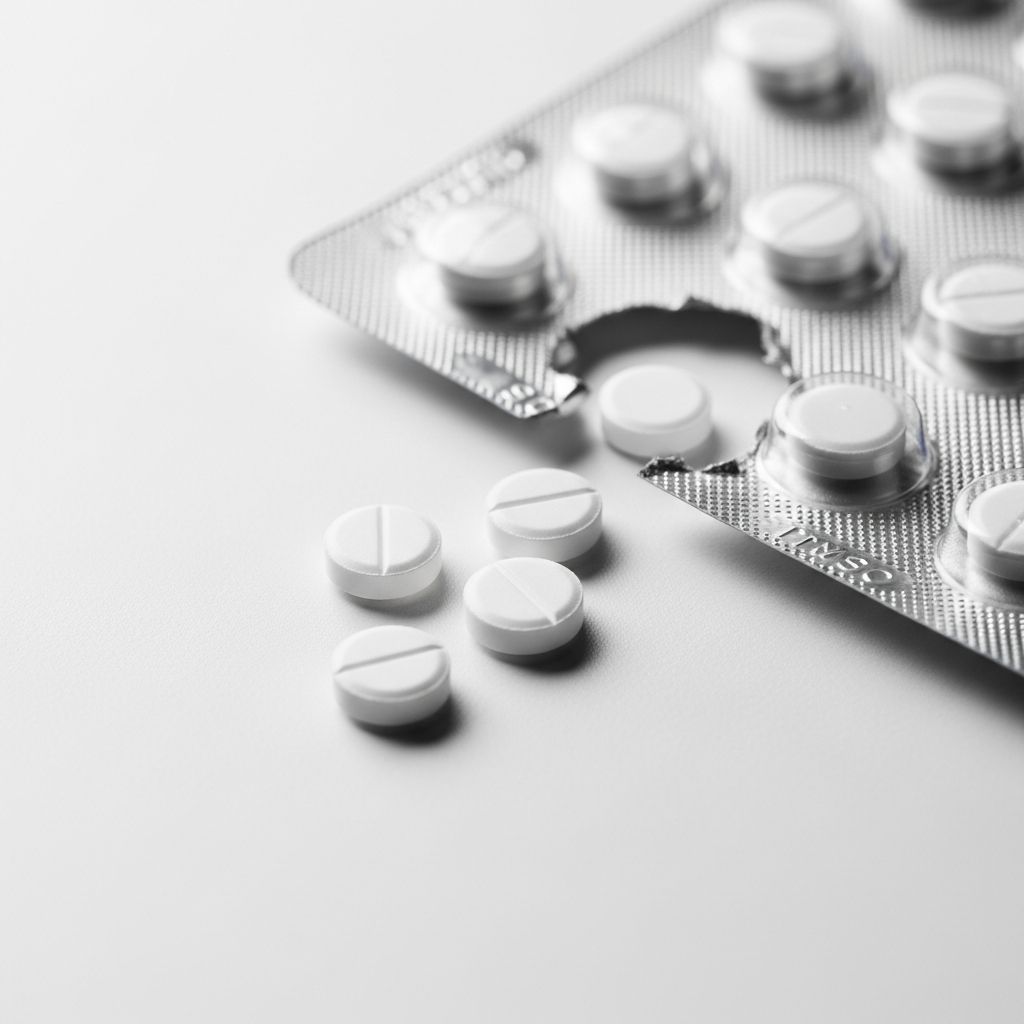
Cyclopenthiazide is a thiazide diuretic, commonly known as a ‘water tablet’, primarily used to treat high blood pressure (hypertension) and oedema (fluid retention) associated with conditions like heart failure.
It works by increasing urine production, helping the body eliminate excess salt and water, which reduces blood volume and pressure on blood vessel walls.
The medication is typically taken once daily in the morning to avoid nighttime urination that could disrupt sleep. Side effects are generally mild, such as nausea or dizziness, but monitoring is essential due to potential electrolyte imbalances.
About cyclopenthiazide
Cyclopenthiazide belongs to the thiazide class of diuretics, which inhibit sodium and chloride reabsorption in the kidneys’ distal convoluted tubules. This action promotes diuresis (increased urine output), reducing fluid overload and lowering blood pressure.
Key uses include:
- Hypertension: Lowers blood pressure to prevent complications like heart attacks, strokes, and kidney damage.
- Oedema: Relieves swelling due to heart failure, liver cirrhosis, or renal issues by reducing fluid retention.
The onset of action is 1-3 hours, with effects lasting about 12 hours, making once-daily dosing effective. Studies show it effectively reduces diastolic blood pressure, even in diabetic patients with mild hypertension. Optimal doses are low, around 0.25-0.5 mg daily, as higher amounts like 0.5 mg may exceed what’s needed for blood pressure control.
In heart failure patients, doses up to 1 mg daily may be used initially, then tapered to the lowest effective maintenance level. It is often combined with other antihypertensives for better control.
Before taking cyclopenthiazide
Before starting cyclopenthiazide, inform your doctor about your medical history to ensure safety, as it may not suit everyone.
Contraindications include:
- Severe kidney or liver impairment
- Anuria (inability to produce urine)
- Addison’s disease (adrenal insufficiency)
- Hypercalcaemia (high calcium levels)
- Symptomatic hyponatraemia or hypokalaemia (low sodium or potassium)
- Porphyria
Special precautions are needed if you have:
- Gout, diabetes, or systemic lupus erythematosus (SLE), as it can worsen these.
- Electrolyte disturbances, requiring regular blood tests for potassium, sodium, and glucose levels.
- Pregnancy or breastfeeding: Use only if benefits outweigh risks, with close monitoring.
- Elderly patients, severe heart failure, or dehydration from vomiting/diarrhoea.
Discuss all other medications, including over-the-counter, herbal remedies, or supplements, as interactions can occur (e.g., with antidiabetics, affecting blood glucose). Report any history of allergic reactions to thiazides or sulphonamides.
How to take cyclopenthiazide
Always follow your doctor’s instructions and read the patient information leaflet (PIL) provided with the tablets for detailed guidance.
Dosage:
| Condition | Adult Dose |
|---|---|
| Hypertension | 0.25-0.5 mg daily, alone or with other antihypertensives |
| Oedema | Initial: 0.25-0.5 mg daily; maintenance: lowest effective dose; up to 1 mg in heart failure |
Take in the morning with a glass of water, with or without food, to align diuresis with daytime hours. Swallow whole; do not crush or chew.
Related Stories



If you miss a dose: Take it as soon as remembered, unless it’s late afternoon—then skip and resume the next day. Never double dose.
For hypertension, treatment is usually long-term. Untreated high blood pressure risks heart attack, stroke, or kidney failure, so adherence is crucial.
Lifestyle advice:
- Reduce salt intake
- Eat more fruits, vegetables; less saturated fat
- Exercise regularly
- Quit smoking
Ask about alcohol, as it enhances blood pressure-lowering effects, increasing dizziness risk. Check with a pharmacist before new medicines. Inform surgeons/dentists before procedures.
Getting the most from your treatment
To maximise benefits and minimise risks:
- Monitor blood pressure regularly: Track progress and adjust as needed.
- Blood tests: Routine checks for electrolytes (potassium, sodium), glucose, and kidney function, especially initially.
- Diet: Maintain potassium-rich foods (bananas, spinach) unless advised otherwise, but avoid excess salt.
- Hydration: Drink adequately but report excessive thirst or dry mouth.
- Long-term use: Continue even if feeling well; sudden stops can cause rebound hypertension.
Combine with lifestyle changes for synergistic effects on cardiovascular health. If side effects persist, consult your doctor—dose adjustments or alternatives may help.
Can cyclopenthiazide cause problems?
Most people tolerate cyclopenthiazide well, but side effects can occur as the body adjusts. Common ones are listed below; full details in PIL.
| Side Effect | Details & Management |
|---|---|
| Feeling sick (nausea), stomach upset | Mild; take after food if needed |
| Dizziness, especially on standing (postural hypotension) | Rise slowly; avoid driving/tools until settled |
| Dry mouth, thirst, weakness, muscle cramps | Due to electrolyte loss; report if severe |
| Increased blood glucose, gout flares | Monitor in diabetics/gout patients |
| Photosensitivity, headache, impotence | Use sunscreen; seek advice if persistent |
Rare but serious: severe electrolyte imbalance, jaundice, blood disorders, pancreatitis—seek immediate medical help. Report any new symptoms promptly.
How to store cyclopenthiazide
Store below 25°C in original packaging, away from moisture, heat, and light. Keep out of reach of children. Do not use after expiry date. Return unused medicine to pharmacist for disposal.
Important information about all medicines
- Never share prescriptions.
- Take exactly as directed.
- Inform healthcare providers of all medicines.
- Report adverse reactions via Yellow Card scheme.
- Check interactions with pharmacist.
Frequently Asked Questions (FAQs)
Q: When is the best time to take cyclopenthiazide?
A: In the morning with water to prevent nighttime urination.
Q: Can I drink alcohol while on cyclopenthiazide?
A: Limit intake; it may increase dizziness from low blood pressure.
Q: What if I forget a dose?
A: Take ASAP unless late afternoon—then skip and continue next day.
Q: Does it affect blood sugar or gout?
A: Yes, possibly worsens diabetes or gout; monitor levels.
Q: Is it safe in pregnancy?
A: Only if essential; consult doctor.
References
- Cyclopenthiazide tablets — Patient.info. 2023. https://patient.info/medicine/cyclopenthiazide-tablets-2
- Thiazide and related diuretics – a patient’s guide — Family Doctor. 2023. https://www.familydoctor.co.nz/categories/medication/thiazide-and-related-diuretics-a-patients-guide/
- Cyclopenthiazide: Uses, Dosage, Side Effects — MIMS Malaysia. 2024-01-13. https://www.mims.com/malaysia/drug/info/cyclopenthiazide?mtype=generic
- Cyclopenthiazide: Uses, Interactions, Mechanism — DrugBank. 2024. https://go.drugbank.com/drugs/DB13532
- Cyclopenthiazide – Knowledge and References — Taylor & Francis. 2023. https://taylorandfrancis.com/knowledge/Medicine_and_healthcare/Pharmaceutical_medicine/Cyclopenthiazide/
- Cyclopenthiazide | Dosing, Uses and Side effects — medtigo. 2024. https://medtigo.com/drug/cyclopenthiazide/
Similar Articles








Read full bio of medha deb