Cyproterone Acetate: Uses, Dosage, Risks, And Monitoring
Comprehensive overview of cyproterone acetate: medical uses, how it works, dosage guidelines, potential risks, and patient considerations for safe use.
Cyproterone acetate is a synthetic steroid medication renowned for its potent antiandrogenic properties. It effectively blocks the effects of male hormones like testosterone and dihydrotestosterone (DHT) while also suppressing their production through progestogenic actions. Primarily prescribed for prostate cancer management, it finds applications in various hormone-related conditions across both genders. This guide delves into its pharmacology, therapeutic applications, administration protocols, potential adverse effects, and essential patient monitoring strategies, drawing from established medical literature.
Pharmacological Mechanisms and How It Functions
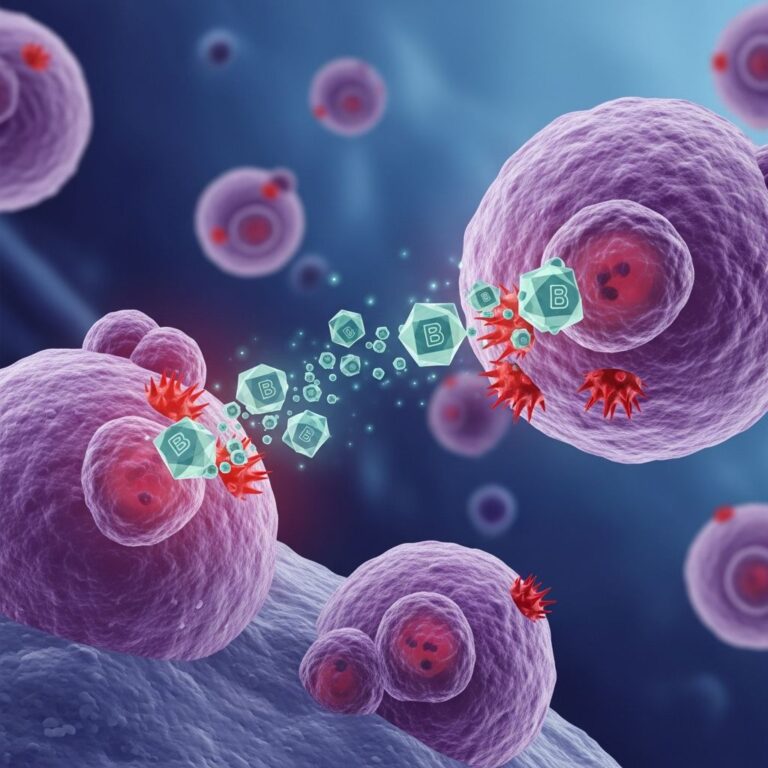
The dual action of cyproterone acetate makes it uniquely effective. It competitively binds to androgen receptors on target cells, such as those in the prostate, preventing testosterone and DHT from exerting masculinizing influences. This receptor blockade directly inhibits androgen-driven cellular proliferation in conditions like prostate carcinoma.
Additionally, its progestin-like activity suppresses gonadotropin release from the pituitary gland, particularly luteinizing hormone (LH). Reduced LH levels diminish testicular testosterone synthesis, achieving systemic hormone suppression. This feedback inhibition on the hypothalamo-pituitary-gonadal axis provides comprehensive androgen deprivation.
In clinical contexts, these mechanisms translate to reduced prostate tumor growth, alleviation of androgen-excess symptoms in women, and facilitation of feminization in transgender care when combined with estrogens. Effects manifest progressively: short-term libido reduction and skin improvements within months, followed by muscle mass decrease and fat redistribution over a year.
Primary Medical Indications
Cyproterone acetate’s versatility spans oncology, endocrinology, and dermatology. In men, it serves as a cornerstone for advanced prostate cancer palliative therapy, either as monotherapy or adjunct to GnRH agonists. High doses (200-250 mg/day) prevent disease flare-ups during initial GnRH therapy and mitigate hot flushes post-orchiectomy or agonist initiation.
- Prostate Cancer: Blocks androgen effects on prostatic cells; useful when surgery is declined. Combination regimens enhance androgen blockade without proven survival extension but improve symptom control.
- Hypersexuality and Paraphilias: Reduces libido via central suppression, applied judiciously where indicated.
For women, it addresses hyperandrogenic states, often paired with ethinyl estradiol (e.g., in formulations like Dianette). Indications include:
- Severe acne unresponsive to standard therapies.
- Hirsutism with male-pattern hair growth.
- Androgenic alopecia and PCOS-related symptoms.
In gender-affirming hormone therapy for transgender women, it powerfully suppresses testosterone to female-typical levels (<50 ng/dL), blocking receptors to curb masculinization while amplifying estrogen effects on secondary sex characteristics like breast growth and body hair reduction.
Dosage Recommendations and Administration
Dosing varies by indication, patient factors, and formulation (oral tablets or intramuscular injections). Always initiate under specialist oversight with baseline bloodwork.
| Indication | Typical Dose | Frequency | Notes |
|---|---|---|---|
| Prostate Cancer (Monotherapy) | 250 mg or higher | Daily oral | High doses for maximal suppression. |
| Prostate Cancer (with GnRH Agonist) | 200 mg | Daily oral, initial 1-3 months | Prevents flare; taper as needed. |
| Severe Acne/Hirsutism (Women) | 2-10 mg (combo with EE) | Daily oral | Cycle or continuous; monitor 3-6 months. |
| Gender-Affirming Care | 12.5-50 mg | Daily oral | Titrate with estrogen; target T suppression. |
Related Stories



Oral administration is standard; take with food to enhance absorption. Initial fatigue is common but often resolves by month three—discontinuation risks disease progression, so adherence is critical. Long-term use demands periodic dose review.
Expected Therapeutic Outcomes and Timelines
Benefits emerge gradually, varying by use case. In prostate cancer, symptom relief and PSA decline occur within weeks, with flare prevention immediate in combos.
For androgen-excess in women: acne clears in 3-6 months; hirsutism slows growth rates similarly.
In feminizing therapy:
- 0-3 Months: Libido drop, skin softening, reduced erections/spontaneous arousal.
- 3-12 Months: Muscle atrophy, fat shift to hips/thighs, enhanced breast response to estrogen.
- 1+ Years: Maximal testosterone suppression, stabilized hair loss, potential fertility impairment.
Bone health monitoring is vital long-term due to hypogonadism risks.
Potential Adverse Effects and Risks
While effective, cyproterone acetate carries significant risks, necessitating informed consent and vigilant monitoring. Common effects include fatigue, weight gain, and emotional shifts, often transient.
Frequent Side Effects
- Musculoskeletal: Weakness, muscle pain, reduced strength.
- Gastrointestinal: Nausea, diarrhea, appetite changes.
- Skin/Hair: Dryness, rash, alopecia or hirsutism paradoxically.
- Sexual: Libido loss, erectile dysfunction, gynecomastia.
- Hematologic: Anemia causing breathlessness, dizziness—may require transfusion.
Serious Complications
Liver Toxicity: Rare but severe; monitor LFTs monthly initially, then quarterly. Risk of hepatitis, tumors.
Cardiovascular: Fluid retention strains heart; caution in heart/kidney disease. Report swelling, BP rises.
Neurologic/Psychiatric: Depression, meningioma risk with high cumulative doses; headaches, mood changes.
Metabolic: Hyperprolactinemia, glucose dysregulation, osteoporosis.
Seek immediate care for severe symptoms: jaundice, severe headache, chest pain, vision loss, or stroke signs (slurred speech, weakness).
Monitoring Protocols and Patient Guidance
Regular assessments ensure safety:
- Baseline: Liver enzymes, prolactin, hormones, lipids, CBC, bone density if prolonged use.
- Ongoing: LFTs q1-3 months; hormones q3-6 months; prolactin annually; DEXA scan q1-2 years.
- Lifestyle: Balanced diet, weight management, calcium/vit D for bones; avoid alcohol/smoking.
Pregnancy contraindicated; effective contraception required for women of childbearing potential due to teratogenicity.
Frequently Asked Questions (FAQs)
What if I miss a dose of cyproterone acetate?
Take as soon as remembered unless near next dose; do not double. Consistent levels are key for efficacy.
Can cyproterone acetate cause infertility?
Yes, often reversible short-term but potentially permanent with prolonged high-dose use, especially in men.
Is liver damage reversible?
Usually if caught early via monitoring; discontinue if ALT >3x upper limit.
How does it interact with other drugs?
May potentiate sedatives; caution with CYP3A4 inhibitors. Review with pharmacist.
Can women use it long-term for acne?
Short courses preferred; reassess after 6-12 months to minimize risks.
Consult healthcare providers for personalized advice; this is not a substitute for medical care.
References
- Cyproterone. A review of its pharmacology and therapeutic efficacy … — PubMed (NCBI). 1994. https://pubmed.ncbi.nlm.nih.gov/7919640/
- Cyproterone Acetate: Gender-Affirming Hormone Therapy Guide — GenderGP. Recent (post-2022). https://www.gendergp.com/medical-guide/cyproterone-acetate/
- Cyproterone (oral route, intramuscular route) – Side effects & dosage — Mayo Clinic. Recent (post-2022). https://www.mayoclinic.org/drugs-supplements/cyproterone-oral-route-intramuscular-route/description/drg-20067981
- Cyproterone acetate – Treatment and side effects — Macmillan Cancer Support. Recent (post-2022). https://www.macmillan.org.uk/cancer-information-and-support/treatments-and-drugs/cyproterone-acetate
- Cyproterone acetate: Uses, Interactions, Mechanism of Action — DrugBank. Recent (post-2022). https://go.drugbank.com/drugs/DB04839
Similar Articles








Read full bio of medha deb