Cysteamine Cream: Complete Guide To Fade Dark Spots
Effective topical treatment for melasma and hyperpigmentation with minimal side effects and long-term safety.
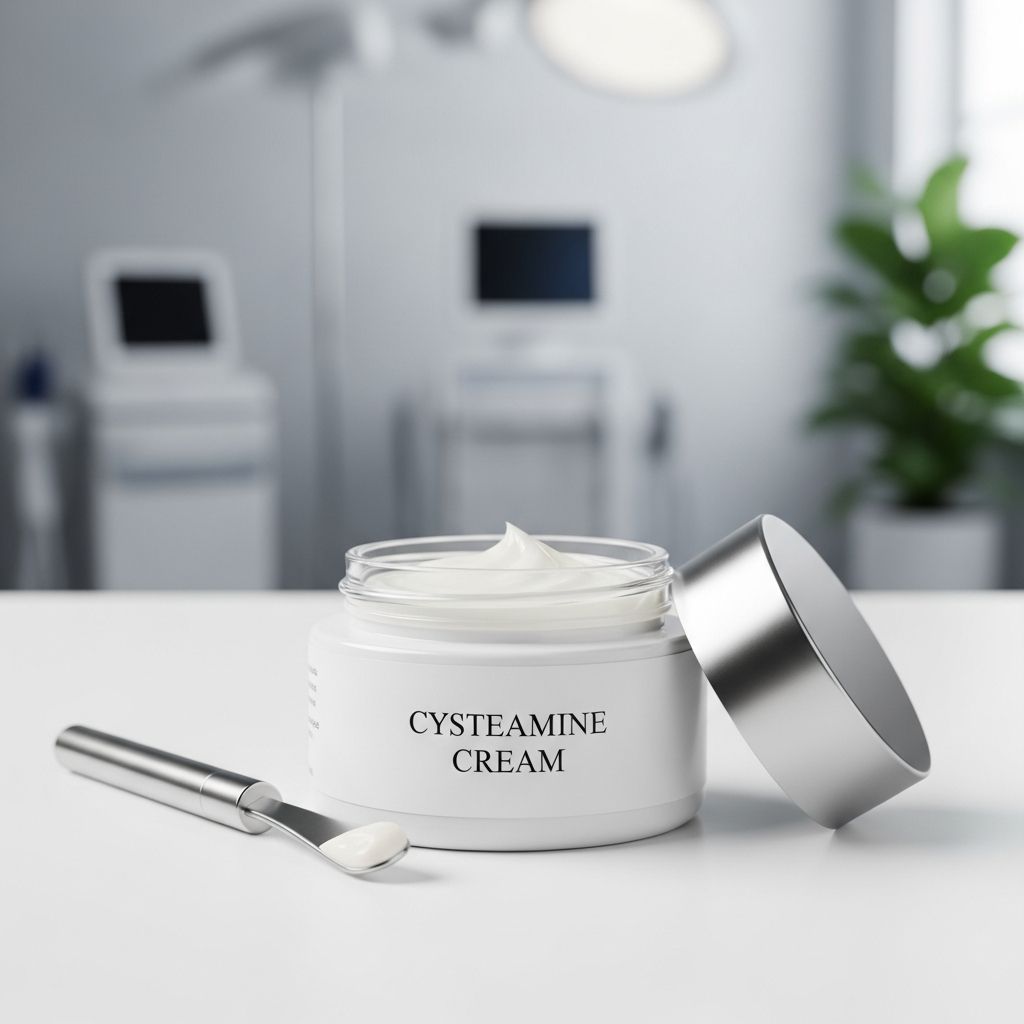
Cysteamine cream is a topical depigmenting agent primarily used to treat hyperpigmentation disorders such as melasma, post-inflammatory hyperpigmentation (PIH), and solar lentigines. It contains cysteamine hydrochloride, a naturally occurring amino acid derivative that effectively reduces melanin synthesis without the risks associated with hydroquinone.
What is cysteamine cream?
Cysteamine cream features cysteamine hydrochloride as its active ingredient, a biocompatible compound that targets excess melanin production responsible for dark spots and uneven skin tone. Unlike traditional bleaching agents, cysteamine works by depleting intracellular L-cystine, a key precursor in melanin biosynthesis, leading to visible lightening of hyperpigmented areas. This cream is particularly valued for its stability in topical formulations and suitability for long-term use on all skin tones, including darker Fitzpatrick types III-VI.
Developed over decades of research, stabilized cysteamine creams like Cyspera represent the first non-hydroquinone option proven effective in double-blind trials for stubborn pigmentation issues. It addresses conditions where melanin overproduction occurs due to hormonal changes, inflammation, or UV exposure, promoting a more even complexion without compromising skin barrier function.
Who gets hyperpigmentation disorders?
Hyperpigmentation affects individuals across all ages, genders, and ethnicities, but certain groups are more prone. Women, particularly those with higher melanin content (Fitzpatrick skin types III-VI), experience melasma due to hormonal fluctuations during pregnancy, oral contraceptives, or menopause. Sun exposure exacerbates all forms, while post-inflammatory hyperpigmentation follows acne, eczema, or trauma in susceptible skins.
- Melasma: Symmetrical brown patches on cheeks, forehead, upper lip, and chin, often called ‘mask of pregnancy’.
- Post-inflammatory hyperpigmentation (PIH): Dark spots after skin injury or inflammation, common in acne-prone individuals.
- Solar lentigines: Age spots or liver spots from chronic UV damage.
- Perioral and periorbital hyperpigmentation: Darkening around mouth and eyes, linked to hormones or allergies.
Genetic predisposition, endocrine disorders, and photosensitivity increase risk. In skin of color, melasma and PIH are particularly recalcitrant, with higher recurrence rates.
What causes hyperpigmentation disorders?
Hyperpigmentation results from overstimulation of melanocytes, leading to excess melanin deposition. Key triggers include:
- UV radiation: Primary inducer, activating tyrosinase enzyme via reactive oxygen species (ROS).
- Hormonal factors: Estrogen and progesterone in melasma upregulate melanogenesis.
- Inflammation: Cytokines like IL-1 and TNF-α from acne or dermatitis provoke PIH.
- Genetics and aging: Reduced antioxidant defenses allow cumulative pigment buildup.
- Medications and cosmetics: Certain drugs (e.g., NSAIDs) or irritants trigger localized darkening.
These factors converge on the melanin synthesis pathway, where L-cystine reacts with dopaquinone to form pigment, making cysteamine’s mechanism highly targeted.
Clinical features of hyperpigmentation
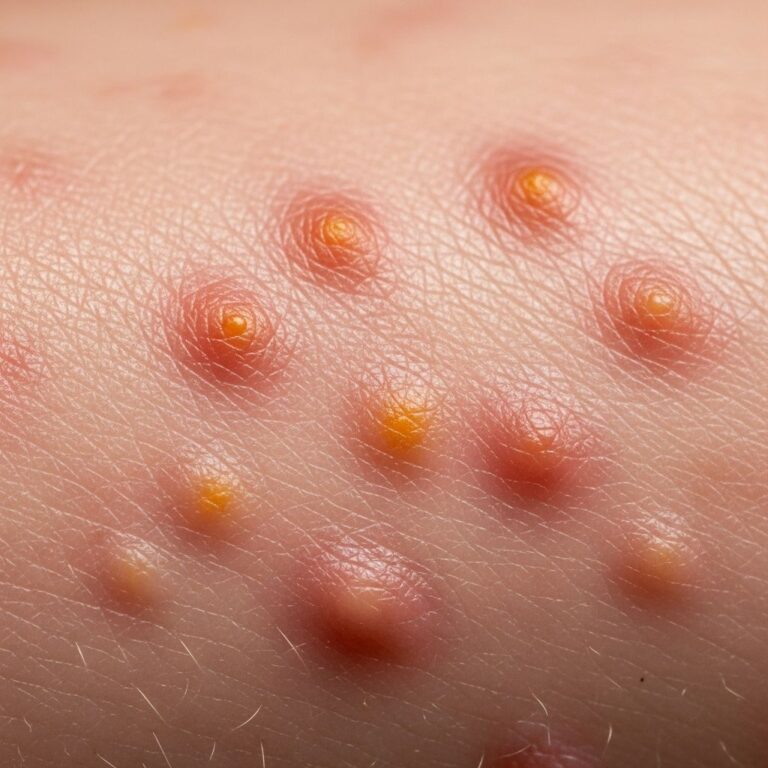
Melasma presents as centrofacial (cheeks, forehead), malar, or mandibular patterns with soft-edged brown macules. PIH mimics acne scars but resolves slower in darker skins. Lentigines are small, well-defined spots on sun-exposed areas like hands and face. All worsen with sun and hormones, distinguishing them from freckles or nevi.
Diagnosis of hyperpigmentation disorders
Diagnosis relies on clinical examination, Wood’s lamp to assess epidermal vs. dermal pigment, and dermoscopy revealing reticular patterns in melasma. MASI (Melasma Area and Severity Index) quantifies extent: score = sum of area (0-6) × severity (0-4) × factor per zone. Biopsy is rare but shows increased melanocytes.
Related Stories



What is the treatment for hyperpigmentation?
Treatment combines topicals, procedures, and sun protection. Cysteamine cream stands out for efficacy and safety.
| Treatment | Mechanism | Efficacy | Side Effects |
|---|---|---|---|
| Cysteamine 5% | Inhibits L-cystine | High (MASI ↓58% in 16w) | Mild odor, transient erythema |
| Hydroquinone 4% | Tyrosinase inhibitor | Moderate | Ochronosis, irritation |
| Lasers (Q-switched) | Selective photothermolysis | Variable | PIH risk in dark skin |
Sun avoidance with SPF50+ is mandatory.
How does cysteamine cream work?
Cysteamine depletes L-cystine, halting its reaction with dopaquinone in melanogenesis. As a thiol antioxidant, it neutralizes ROS and peroxides fueling tyrosinase. Unlike hydroquinone, it permeates skin effectively without cytotoxicity, yielding sustained depigmentation. Studies show 94% improvement in dark spots by week 16.
Evidence for cysteamine cream
Double-blind trials confirm superiority: Grimes et al. (40 patients) showed significant MASI reduction vs. placebo. Mansouri (50 patients, 16 weeks) reported marked improvement. Case series in skin of color (10 women, types III-V) achieved 21-58% MASI drop, safe first-line.
- 71% brown spot reduction (16w).
- No rebound hyperpigmentation.
- Effective head-to-toe.
Cysteamine cream vs hydroquinone
| Aspect | Cysteamine | Hydroquinone |
|---|---|---|
| Safety long-term | Excellent, no ochronosis | Poor, banned in some countries |
| Photosensitivity | None | Increases |
| Odor | Sulfur-like | None |
| Efficacy (MASI) | Superior in trials | Standard but plateau |
Cysteamine outperforms with fewer adverse effects (28% vs. 84% irritation).
Side effects of cysteamine cream
Common: Transient burning, erythema (10-20%), sulfur odor. Rare: Mild itching. No systemic absorption issues. Build tolerance by starting 15min nightly on clean skin.
Preparations of cysteamine cream
5% stabilized cysteamine HCl (e.g., Cyspera). Apply to dry face 15-20min, rinse, moisturize. Use daily 8-12 weeks, then 2x/week maintenance.
Prevention of hyperpigmentation
- Broad-spectrum SPF50+ daily.
- Avoid peak sun (10am-4pm).
- Hormone management.
- Gentle skincare, no irritants.
Frequently Asked Questions
Q: How long until cysteamine works?
A: Improvements in 6 weeks, optimal at 8-12 weeks.
Q: Is it safe for dark skin?
A: Yes, effective across Fitzpatrick III-VI with low PIH risk.
Q: Can I use with other actives?
A: Safe with hydroquinone; avoid acids post-application.
Q: Does it smell bad?
A: Mild sulfur odor during use, rinses off.
Q: Maintenance dosing?
A: 2x/week prevents recurrence.
References
- Efficacy and Safety of Cysteamine in Melasma in Patients of Skin of Color — PMC/NCBI. 2024. https://pmc.ncbi.nlm.nih.gov/articles/PMC11927990/
- Topical Stabilized Cysteamine as a New Treatment for Hyperpigmentation Disorders — Journal of Drugs in Dermatology. 2021. https://jddonline.com/articles/topical-stabilized-cysteamine-as-a-new-treatment-for-hyperpigmentation-disorders-melasma-post-inflam-S1545961621P1276X/
- What Are The Benefits Of Cysteamine For Melasma? — Kirsch Dermatology. 2023-12. https://www.kirschderm.com/what-are-the-benefits-of-cysteamine-for-melasma/
- Cysteamine for Pigmentation Disorders — The Dermatology Digest. 2023. https://thedermdigest.com/cysteamine-for-pigmentation-disorders/
- Cysteamine – Towards A Novel First Line Treatment for Melasma — Skin of Color Update. 2019-07. https://skinofcolorupdate.com/wp-content/uploads/gravity_forms/18-026348f90c010446c512da7a7cf5d327/2019/07/Cysteamine-%E2%80%93-Towards-A-Novel-First-Line-Treatment-for-Melasma.pdf
Similar Articles








Read full bio of Sneha Tete