Cystic Acne: Symptoms, Causes, and Treatment Options
Understanding severe cystic acne: causes, symptoms, and effective medical treatments to prevent scarring.
What Is Cystic Acne?
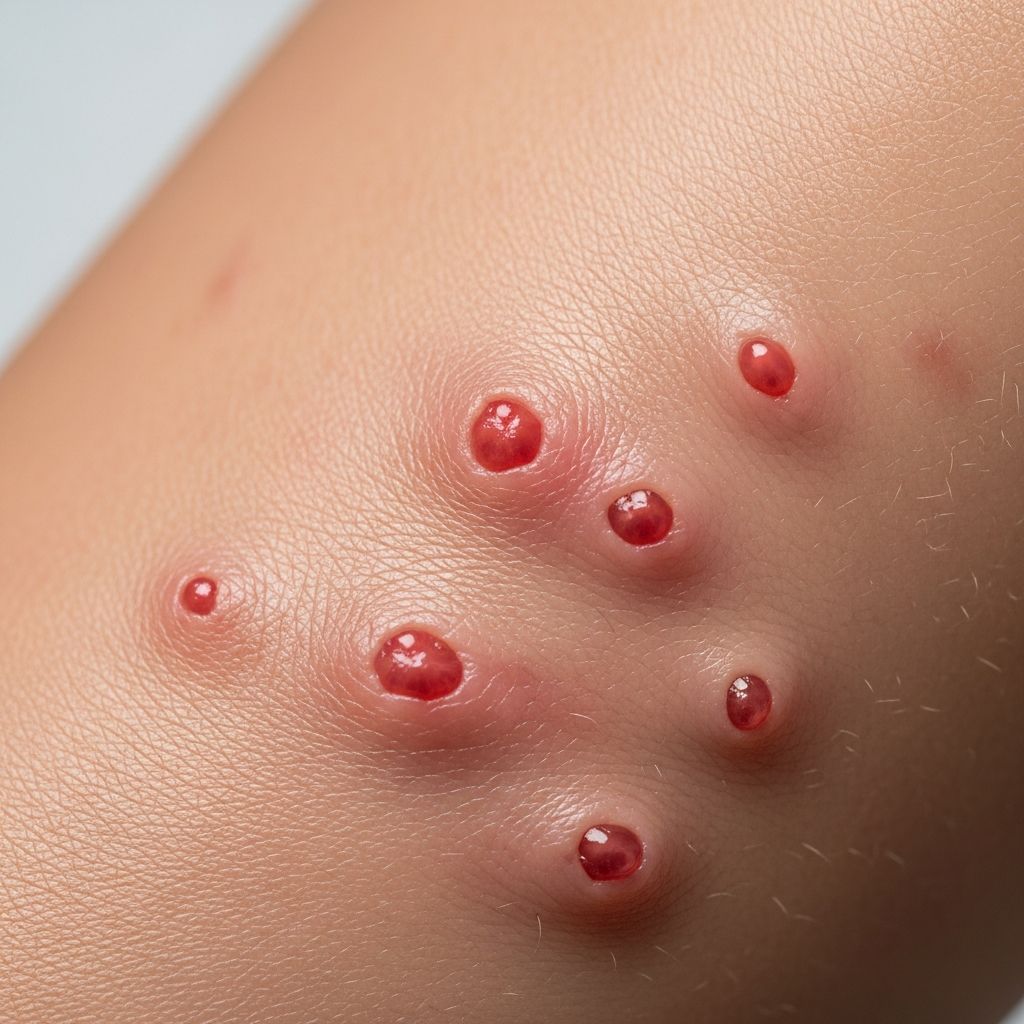
Cystic acne is the most severe type of inflammatory acne, characterized by deep, pus-filled pimples that develop underneath the skin. Unlike typical pimples that form on the skin’s surface, acne cysts form in the skin’s middle layer called the dermis. These lesions are often painful, large, and significantly more likely to cause permanent scarring than other types of acne. Cystic acne represents a serious skin condition that typically requires professional dermatological treatment rather than over-the-counter solutions alone.
When bacteria enters the skin pores and becomes trapped along with excess oil and dead skin cells, it triggers a severe inflammatory response deep within the skin. This infected, red, and swollen lump is what medical professionals refer to as an acne cyst. The condition differs from typical acne because the infection and inflammation occur at a deeper level, making surface treatments ineffective and necessitating more aggressive interventions.
Understanding Cystic Acne vs. Nodular Acne
Cystic acne and nodular acne are often confused because they share similar characteristics. Both conditions cause deep, painful bumps that form underneath the skin, and both can result in scarring. However, there are important distinctions between these two severe acne types.
The primary difference lies in their formation and the degree of inflammation. Nodular acne typically presents as firm, solid bumps without a central pus core, while cystic acne contains fluid or pus inside the lesion. Cystic acne tends to be more uncomfortable and poses a higher risk of infection and scarring. Understanding this distinction helps determine the most appropriate treatment approach for your specific condition.
Causes of Cystic Acne
The development of cystic acne involves multiple factors working together to create conditions favorable for severe breakouts. Understanding these underlying causes is essential for both prevention and effective treatment.
Bacterial Colonization and Pore Obstruction
The primary cause of cystic acne begins with pore clogging. Excess oil production combined with dead skin cell accumulation creates a blockage within skin pores. When bacteria, particularly Cutibacterium acnes (formerly known as Propionibacterium acnes), enters these clogged pores, it becomes trapped alongside the oil and dead skin cells. This creates an environment where bacteria can proliferate unchecked, leading to a severe inflammatory response that extends deep into the dermis.
Inflammatory Response
Once bacteria becomes trapped in the clogged pore, the skin’s immune system responds aggressively to fight the infection. This inflammatory response causes significant swelling deep within the skin’s middle layer. The combination of bacterial infection, excess oil, dead skin cells, and intense inflammation creates the characteristic large, painful, pus-filled bump that defines cystic acne.
Contributing Factors
Several factors can increase your susceptibility to developing cystic acne, including hormonal fluctuations, genetic predisposition, certain medications, diet choices, and stress levels. Individuals with a family history of severe acne are at higher risk, as are adolescents and young adults experiencing hormonal changes.
Related Stories



Symptoms of Cystic Acne
Cystic acne presents with distinctive symptoms that make it easily identifiable and often alarming to those experiencing it for the first time.
Primary Symptoms
The most notable symptom is the presence of large, painful bumps deep beneath the skin. These cysts typically measure larger than typical pimples and feel firm or slightly soft depending on whether they contain fluid. Unlike surface acne, cystic lesions cannot be easily popped or squeezed, and attempting to do so increases the risk of scarring and bacterial infection.
Associated Discomfort
Pain is a hallmark symptom of cystic acne. These lesions are often tender to the touch, and the pain may intensify when pressure is applied. The skin surrounding the cyst appears red and inflamed, and some individuals report feeling the lesion even when not touching it due to the deep inflammation occurring beneath the skin’s surface.
Post-Inflammatory Changes
After cystic acne clears, some individuals develop pigment changes at the site of the lesion. These may appear as light or dark spots that can be pink, purple, red, black, or brown in color. While these changes eventually fade away, they may persist for more than a year, requiring patience and continued skincare management.
Treatment Options for Cystic Acne
Effective treatment of cystic acne requires a comprehensive, multi-faceted approach that addresses both immediate symptoms and underlying causes. Most cases require professional medical intervention rather than self-treatment.
Topical Treatments
Prescription-strength topical medications serve as a foundation for cystic acne treatment. These include retinoids such as tretinoin, adapalene, and tazarotene, which help normalize skin cell turnover and reduce inflammation. Topical antibiotics like clindamycin and erythromycin reduce bacterial populations on the skin. These medications are typically applied to the entire affected area rather than just individual spots, and results may take several weeks to become apparent.
Oral Antibiotics
Oral antibiotics play a crucial role in treating cystic acne, particularly in moderate to severe cases. Commonly prescribed options include doxycycline, minocycline, and tetracycline. These antibiotics provide dual benefits by reducing bacterial populations and exerting anti-inflammatory effects that help calm the deep skin inflammation characteristic of cystic acne. Treatment often involves taking oral antibiotics while simultaneously applying prescription-strength topical gels or creams, and it can take three months or more to clear up acne cysts.
Hormonal Treatments
For women experiencing hormonal cystic acne, hormonal treatments offer effective solutions. Birth control pills can help regulate hormone fluctuations that trigger breakouts, while spironolactone blocks androgens that increase sebum production. These treatments address the root hormonal cause rather than just treating surface symptoms.
Isotretinoin (Accutane)
Isotretinoin represents the most effective treatment for severe cystic acne that has not responded to conventional therapies. This powerful oral medication can potentially provide long-term remission or complete clearance of acne. However, it requires careful monitoring due to potential side effects, including birth defects, and users must comply with strict registration programs. The decision to use isotretinoin should only be made after consulting with a dermatologist.
Professional Procedures
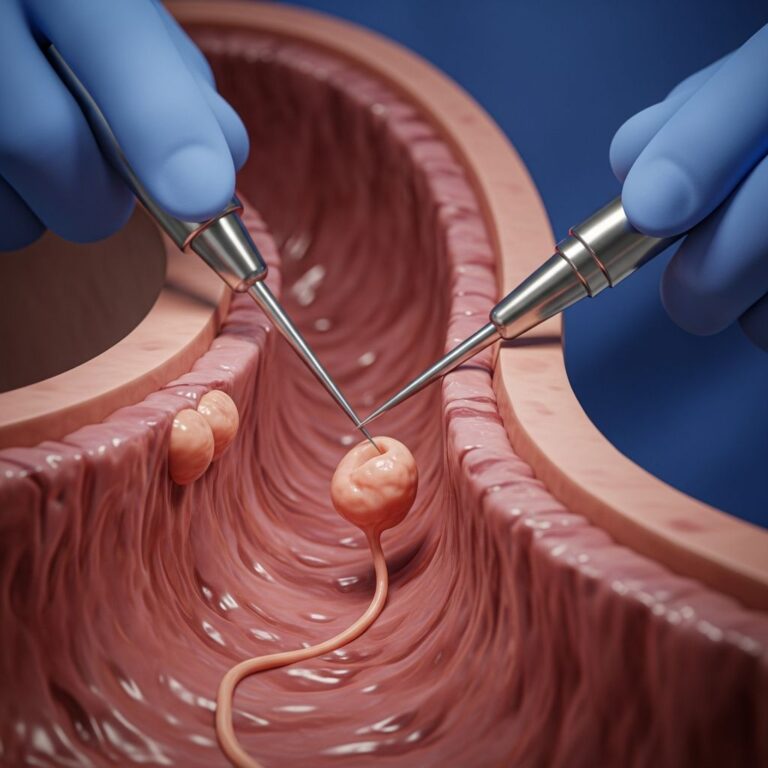
Dermatologists offer several in-office procedures to complement medical treatments. Intralesional steroid injections provide rapid relief for individual cysts by reducing inflammation and promoting faster healing. Professional extraction, performed by qualified practitioners, safely removes comedones without causing damage. Chemical peels improve overall skin texture by removing dead skin cells and reducing inflammation. Light therapy, including blue light treatments, helps reduce bacteria and inflammation, while drainage and extraction procedures remove large cysts effectively.
Timeline for Improvement
Patients should understand realistic timelines for seeing results. Most individuals begin observing improvement within 8 to 12 weeks of starting treatment, with maximum benefits typically achieved by 4 to 6 months. However, individual response times vary considerably based on acne severity, treatment choice, and personal factors. It’s crucial not to give up prematurely, as consistent treatment over several months yields the best outcomes.
Preventing Scarring and Infection
One of the most important aspects of managing cystic acne is preventing permanent scarring and bacterial infections. The temptation to pop or pick at painful, swollen acne cysts is strong, but this significantly increases scarring risk and can lead to serious infections like cellulitis. Professional dermatological care substantially lowers scarring chances by treating lesions appropriately without causing additional skin trauma.
Scar Prevention Strategies
Early, aggressive intervention provides the best outcomes for both active acne and long-term skin health. Seeking professional treatment at the first sign of cystic acne prevents lesions from becoming more severe and reduces scarring potential. Avoiding manual extraction and maintaining proper skincare routines supports healing without additional damage.
Scar Types
Understanding different scar types helps guide prevention strategies. Ice pick scars are deep, narrow puncture-like marks; rolling scars have sloped, wave-like edges; and boxcar scars are broad, rectangular depressions. Professional interventions like laser therapy, microneedling, or chemical peels can address scars that do form.
Lifestyle Modifications and Preventive Measures
Dietary Considerations
Emerging research suggests that high-glycemic foods and dairy products may contribute to acne flares in some individuals. While diet alone cannot cure cystic acne, dietary modifications may support medical treatments. Foods to limit include sugary beverages, refined carbohydrates, and excessive dairy. Beneficial foods include those rich in omega-3 fatty acids, antioxidants, and vitamins.
Stress Management
Chronic stress can exacerbate cystic acne through multiple mechanisms, including increased sebum production and heightened inflammation. Effective stress reduction techniques include regular exercise, meditation, yoga, adequate sleep, and mindfulness practices. These approaches support treatment effectiveness and overall skin health.
Skincare Routine
A gentle, consistent skincare routine supports treatment effectiveness. Morning routines should include gentle cleansing, application of prescribed topical treatments, and sunscreen use. Evening routines involve thorough but gentle cleansing followed by prescribed medications. Avoiding harsh scrubs and irritating products prevents additional inflammation.
When Cystic Acne Persists
If no improvement occurs after 8 to 12 weeks of consistent treatment, consulting your healthcare provider is essential. Treatment adjustments, combination therapies, or alternative approaches may be necessary. Your dermatologist can evaluate whether isotretinoin or other advanced treatments are appropriate for your situation.
Long-Term Outlook
While there’s no permanent “cure” for cystic acne, many patients achieve long-term remission with appropriate treatment. Often, though not always, cystic acne clears up or diminishes with age as hormones settle down. Most people with cystic acne can prevent severe breakouts or quickly treat acne cysts to prevent scarring with professional guidance and consistent treatment.
Frequently Asked Questions
Q: How long does it take to clear cystic acne?
A: It typically takes three months or more to clear up acne cysts. Most patients see initial improvement within 8-12 weeks, with maximum benefits by 4-6 months. Individual timelines vary based on severity and treatment type.
Q: Can I pop cystic acne myself?
A: No. Opening up acne cysts by popping or picking significantly increases the risk of scarring and bacterial skin infections like cellulitis. Only qualified dermatologists should perform professional extraction.
Q: Is cystic acne contagious?
A: While the bacteria involved in acne can spread, cystic acne itself is not contagious. The condition depends on individual skin characteristics, hormones, and bacterial susceptibility.
Q: Will cystic acne eventually go away?
A: Often, cystic acne clears up or diminishes with age as hormones stabilize. However, professional treatment significantly improves outcomes and prevents scarring during active breakout periods.
Q: What’s the difference between cystic and nodular acne?
A: Both cause deep, painful bumps and can scar. The key difference is that cystic acne contains pus, while nodular acne is typically solid. Cystic acne generally poses higher infection and scarring risks.
Q: Can diet affect cystic acne?
A: Emerging research suggests high-glycemic foods and dairy may trigger flares in some people. While diet alone cannot cure cystic acne, modifications may support medical treatments.
References
- Cystic Acne: What Is It, Symptoms, Causes and Treatment — Cleveland Clinic. 2024. https://my.clevelandclinic.org/health/diseases/21737-cystic-acne
- Cystic Acne Treatment Guide 2025: Expert Solutions & Tips — The Minor Surgery Center. 2025. https://www.theminorsurgerycenter.com/blog/cystic-acne-treatment
- Acne vulgaris: One treatment does not fit all — Cleveland Clinic Journal of Medicine, 70(8). 2003. https://www.ccjm.org/content/ccjom/70/8/670.full.pdf
- Doctor explains ACNE: Causes, symptoms, treatment and more — YouTube. https://www.youtube.com/watch?v=4Ve2dNAwYOc
- Inflammatory Acne: Symptoms, Types, Causes, Treatment — Cleveland Clinic. 2024. https://my.clevelandclinic.org/health/diseases/22765-inflammatory-acne
Similar Articles








Read full bio of Sneha Tete