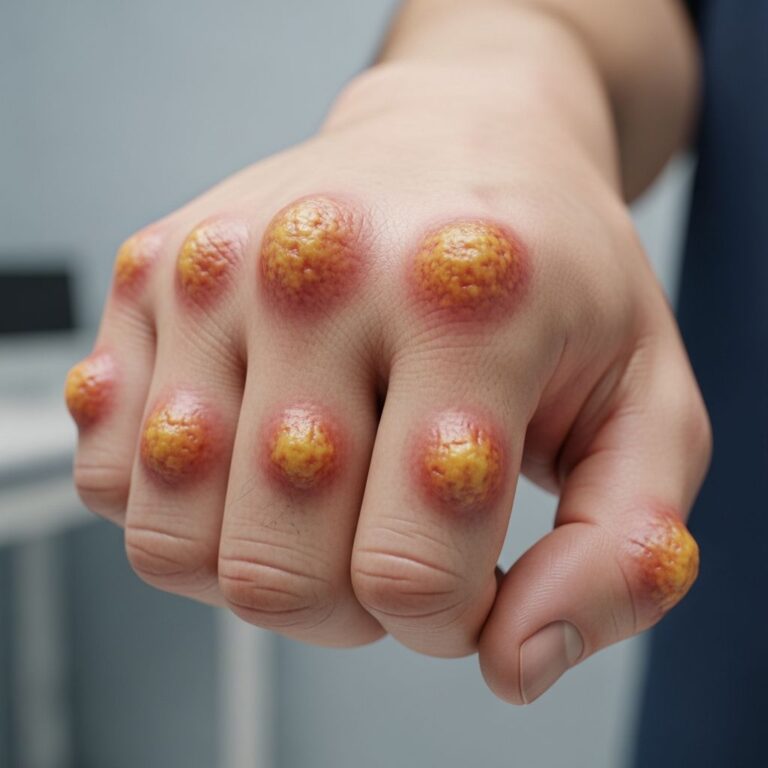
Cystic Acne: Symptoms, Causes, Diagnosis, And Treatment Guide
Everything you need to know about cystic acne symptoms, causes, treatments, and prevention strategies for clearer skin.
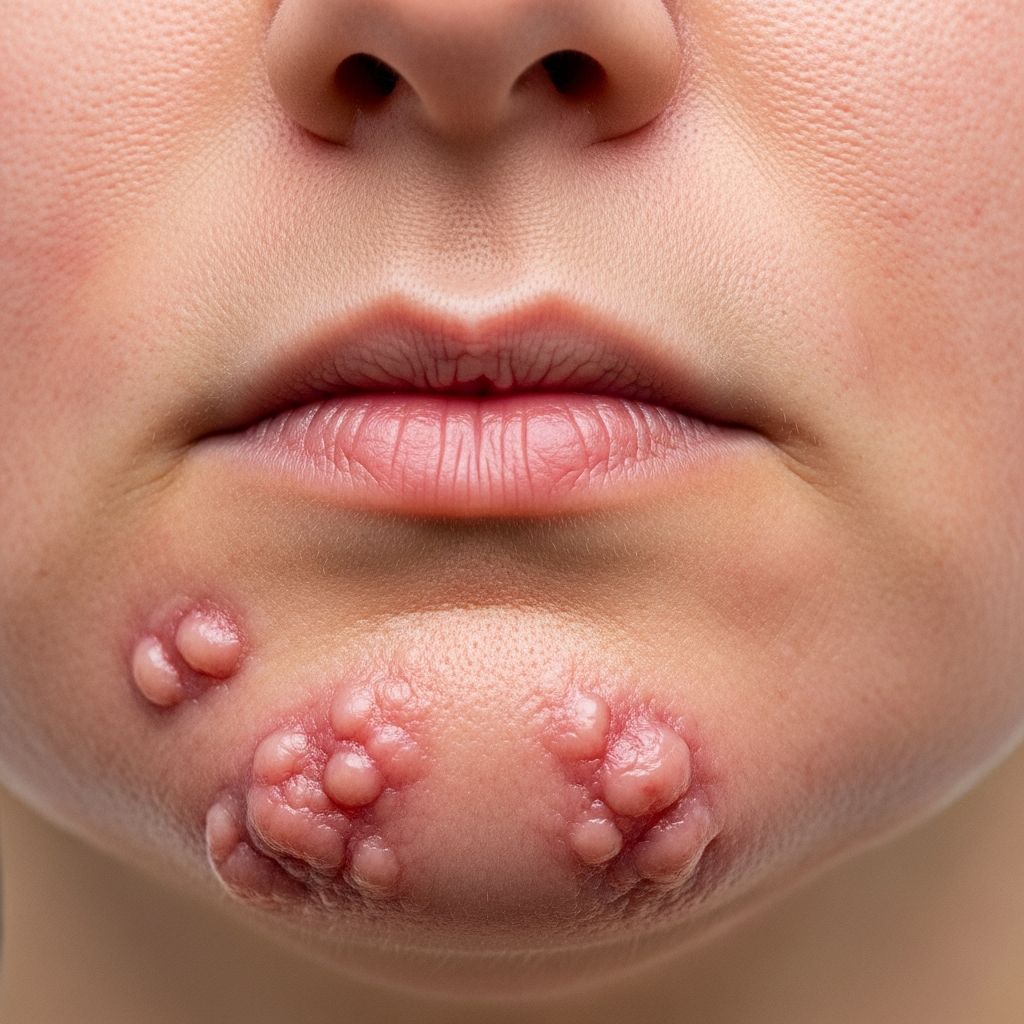
Cystic acne represents the most severe form of acne vulgaris, characterized by deep, painful, pus-filled cysts that can lead to scarring and emotional distress. Affecting up to 95% of adolescents and many adults, it requires targeted management to prevent long-term complications.
What Is Cystic Acne?
Cystic acne, also known as nodulocystic acne, is the most intense type of inflammatory acne. It occurs when oil (sebum), dead skin cells, and bacteria clog hair follicles deep within the skin, forming large, boil-like cysts filled with pus. Unlike milder acne like blackheads or whiteheads, cystic lesions develop beneath the skin’s surface, making them harder to treat and more prone to permanent scarring.
These cysts are tender, inflamed bumps that can grow up to several centimeters in diameter. They commonly appear on the face, jawline, neck, chest, shoulders, and back—areas with high concentrations of oil glands. Cystic acne differs from nodular acne in that cysts are softer and pus-filled, while nodules are hard and solid, though both cause significant pain and inflammation.
Cystic Acne Symptoms
The hallmark symptom of cystic acne is large, red, inflamed cysts that feel warm, tender, and painful to the touch. These pus-filled lesions often ooze white or yellow pus if ruptured, leading to crusting and increased infection risk. Unlike surface-level pimples, cysts reside deep in the dermis, causing swelling and a throbbing sensation.
- Painful, pus-filled bumps: Deep under the skin, larger than typical pimples.
- Redness and inflammation: Surrounding skin appears swollen and hot.
- Scarring potential: Healing cysts often leave pitted scars or hyperpigmentation.
- Recurrent flare-ups: Lesions persist for weeks without treatment.
Beyond physical symptoms, cystic acne impacts mental health, linking to higher rates of depression, anxiety, low self-esteem, and even suicidal ideation due to visible disfigurement.
What Causes Cystic Acne?
Cystic acne arises from a combination of excess sebum production, rapid skin cell turnover, clogged pores, and bacterial proliferation, primarily Cutibacterium acnes (formerly Propionibacterium acnes). When pores block, this bacteria triggers intense inflammation deep in the skin.
Key contributing factors include:
- Hormonal fluctuations: Androgens like testosterone stimulate oil glands, common during puberty, menstruation, pregnancy, or conditions like PCOS.
- Genetics: Family history increases risk, as some inherit overactive sebaceous glands.
- Diet and insulin resistance: High-glycemic foods and dairy (especially cow’s milk) elevate IGF-1 and insulin, boosting sebum and inflammation. Dysbiosis in gut or skin microbiome exacerbates this.
- Other triggers: Medications (e.g., steroids, lithium), cosmetics, humidity, and stress.
Functional medicine highlights systemic issues like gut permeability from food sensitivities and microbiome imbalances as root causes manifesting on the skin.
Cystic Acne Risk Factors
While anyone can develop acne, cystic forms are more likely in certain groups:
- Teenagers and young adults due to hormonal surges.
- Women with hormonal imbalances (e.g., PCOS, menstrual cycles).
- Individuals with family history of severe acne.
- Those consuming high-dairy or high-glycemic diets.
- People using pore-clogging products or in humid environments.
How Is Cystic Acne Diagnosed?
Diagnosis is primarily visual by a dermatologist, who examines lesion size, depth, and distribution. No lab tests are routine, but they may order hormone panels, blood sugar tests, or stool analysis for underlying issues like insulin resistance or dysbiosis in complex cases. Skin biopsies are rare, reserved for atypical presentations.
Related Stories



Severity is graded: mild (few cysts), moderate (multiple cysts), severe (widespread cysts with scarring risk). Early diagnosis prevents complications.
Cystic Acne Treatment
Treatment targets inflammation, bacteria, oil production, and pore unclogging. Mild cases use topicals; severe require oral meds or procedures. Patience is key—improvement takes 4-12 weeks.
Topical Treatments
- Benzoyl peroxide: Kills bacteria, reduces inflammation (2.5-10% strengths).
- Retinoids (adapalene, tretinoin): Unclog pores, prevent new lesions.
- Salicylic acid/azelaic acid: Exfoliate and calm redness.
- Antibiotics (clindamycin): Combined with benzoyl peroxide to prevent resistance.
Oral Medications
| Treatment | How It Works | Duration/Side Effects |
|---|---|---|
| Antibiotics (doxycycline, minocycline) | Reduce bacteria/inflammation | 3 months; GI upset, photosensitivity |
| Isotretinoin (Accutane) | Shrinks oil glands, clears pores | 4-6 months; dry skin, monitoring for birth defects |
| Hormonal therapy (OCPs, spironolactone) | Balances androgens | Ongoing; for females, mood changes possible |
Procedures
- Corticosteroid injections: Shrink large cysts in 1-2 days.
- Laser therapy/chemical peels: Target bacteria, resurface skin.
- Drainage: For huge cysts, but risks scarring.
Functional approaches emphasize diet (low-glycemic, dairy-free), probiotics for microbiome health, and stress management.
Home Remedies for Cystic Acne
Support professional care with gentle routines:
- Wash face twice daily with mild cleanser; avoid harsh scrubbing.
- Apply non-comedogenic moisturizer.
- Use tea tree oil or zinc supplements (anti-inflammatory).
- Anti-inflammatory diet: veggies, whole grains, omega-3s; limit sugar/dairy.
- Warm compresses for pain relief.
Avoid popping cysts to prevent scarring.
Prevention Tips for Cystic Acne
Proactive steps reduce flare-ups:
- Maintain consistent skincare: cleanse, moisturize, sunscreen.
- Track diet; eliminate triggers via elimination diet.
- Manage stress/hormones with exercise, sleep.
- Use oil-free makeup/cosmetics.
- Seek early treatment for mild acne.
Complications of Cystic Acne
Untreated cystic acne leads to permanent pitted scars, keloids, and post-inflammatory hyperpigmentation. Psychological effects include anxiety and depression. Early intervention minimizes these.
Frequently Asked Questions (FAQs)
What is the difference between cystic acne and hormonal acne?
Cystic acne is a severe type often triggered by hormones, but hormonal acne refers broadly to breakouts on jaw/chin from cycles/PCOS. All cystic acne has hormonal components.
Does diet affect cystic acne?
Yes, high-glycemic and dairy intake worsen it via insulin/IGF-1 spikes. Low-glycemic diets reduce severity.
How long does cystic acne last?
Without treatment, months; with therapy, 4-6 months for clearance.
Can cystic acne be cured permanently?
Isotretinoin offers long-term remission for many, but triggers like hormones may cause recurrence.
Is cystic acne contagious?
No, it’s not caused by infection spread person-to-person.
When to See a Doctor for Cystic Acne
Consult a dermatologist if cysts are painful, numerous, scarring, or unresponsive to OTCs. Urgent care for signs of infection (fever, spreading redness).
This comprehensive guide empowers better management of cystic acne. Combine medical treatments with lifestyle changes for optimal results.
References
- A Functional Medicine Approach to Cystic Acne — Rupa Health. 2023. https://www.rupahealth.com/post/a-functional-medicine-approach-to-cystic-acne
- Cystic acne treatment: A comprehensive review — Wiley Online Library. 2024-10-11. https://onlinelibrary.wiley.com/doi/full/10.1002/med4.43
- Cystic Acne: Symptoms, Causes, Pictures & Treatment — Healthgrades. 2023. https://resources.healthgrades.com/right-care/acne/cystic-acne
- Acne Types, Causes, & Risk Factors — NIAMS (National Institute of Arthritis and Musculoskeletal and Skin Diseases). 2024. https://www.niams.nih.gov/health-topics/acne
- Acne: Types, Causes, Treatment & Prevention — Cleveland Clinic. 2023-11-15. https://my.clevelandclinic.org/health/diseases/12233-acne
Similar Articles








Read full bio of medha deb