Cystic Fibrosis-Related Diabetes: Comprehensive Guide
Understanding cystic fibrosis-related diabetes: causes, symptoms, diagnosis, treatment, and living well with CFRD for better health outcomes.
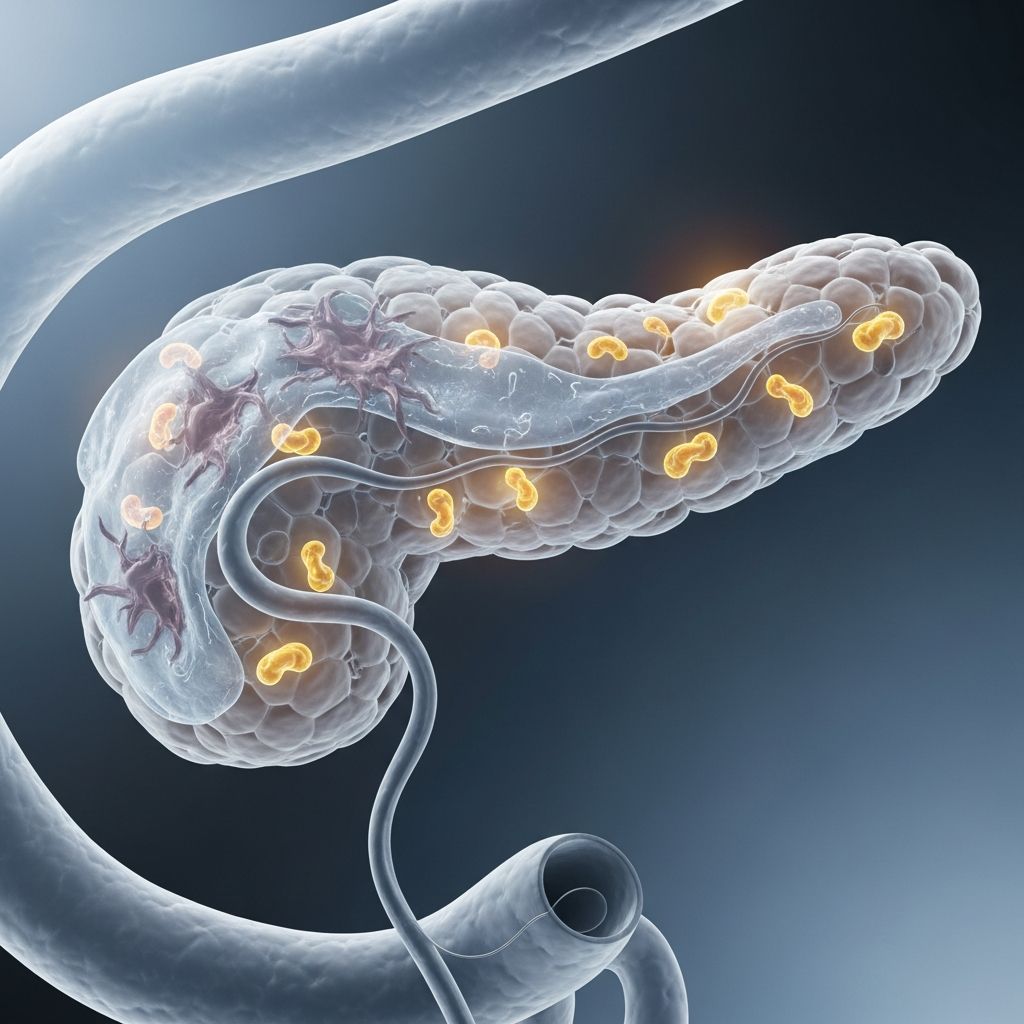
Cystic fibrosis-related diabetes (CFRD) is the most common comorbidity in people with cystic fibrosis (CF), affecting up to 50% of adults with the condition. It arises from pancreatic damage due to CF’s thick mucus, leading to insulin deficiency and intermittent resistance, distinct from type 1 or type 2 diabetes.
What is cystic fibrosis diabetes?
CFRD combines features of type 1 diabetes (insulin insufficiency) and type 2 diabetes (insulin resistance), but it is unique to CF patients. The pancreas, scarred by sticky mucus buildup, fails to produce enough insulin, causing high blood glucose levels. Unlike type 1, it lacks autoantibodies, and unlike type 2, it rarely causes ketoacidosis due to residual insulin.
This condition worsens lung function, increases infection risk, and hinders weight gain if untreated. Early management with insulin improves growth, pulmonary health, and survival rates.
What causes cystic fibrosis diabetes?
CF’s defective CFTR gene causes thick mucus that blocks pancreatic ducts, leading to inflammation, autodigestion by enzymes, cyst formation, and fibrosis. This destroys beta cells (insulin producers) and alpha cells (glucagon producers), reducing islet mass.
Functional issues from CFTR defects in beta cells impair glucose-stimulated insulin secretion. Intermittent insulin resistance occurs during acute illness, infections, steroid use, stress, or pregnancy due to inflammatory cytokines.
Premature exocrine pancreatic insufficiency raises CFRD risk. With CFTR modulators extending life, issues like obesity may now contribute to resistance, resembling general population trends.
Symptoms of cystic fibrosis diabetes
CFRD symptoms overlap with CF exacerbations but include:
- Frequent urination (polyuria)
- Excessive thirst (polydipsia)
- Sudden or persistent weight loss despite high-calorie diet
- Fatigue and low energy
- Worsening lung function or frequent infections
- Slow-healing wounds
These arise from hyperglycemia. Many cases are asymptomatic, detected only via screening, emphasizing annual tests.
Diagnosis of cystic fibrosis diabetes
CFRD diagnosis uses oral glucose tolerance test (OGTT) during annual screening from age 10-12, or earlier if symptoms appear. Criteria mirror general diabetes: fasting glucose ≥126 mg/dL, 2-hour OGTT ≥200 mg/dL, or HbA1c ≥6.5%, confirmed on repeat.
Impaired glucose tolerance (IGT: 2-hour 140-199 mg/dL) signals early risk, prompting closer monitoring. Continuous glucose monitors (CGM) aid detection of postprandial spikes common in CFRD. OGTT is preferred over HbA1c due to CF-related factors like high RBC turnover.
Screen more often during illness, steroids, or risk factors. Intermittent CFRD occurs with infections; chronic requires ongoing therapy.
Treatment for cystic fibrosis diabetes
Insulin is the only recommended treatment; oral agents are ineffective due to pancreatic destruction. Therapy improves glycemic control, weight, muscle mass, lung function, and reduces complications.
Insulin Regimens:
- No fasting hyperglycemia: Rapid-acting insulin (e.g., lispro, aspart) at meals using carb ratios.
- Fasting hyperglycemia: Basal (long-acting like glargine) + bolus (rapid-acting).
- Tube feeding: Intermediate (NPH + regular) for continuous carbs.
Related Stories



Adjust doses during illness (increase for resistance, decrease post-recovery). Targets: fasting 70-130 mg/dL, 3-hour postprandial <180 mg/dL.
Monitor blood glucose 4-10 times daily, more during sickness. Maintain high-calorie CF diet; do not restrict carbs. Stay active.
| Scenario | Recommended Insulin | Notes |
|---|---|---|
| Meal coverage only | Rapid-acting bolus | Carb counting essential |
| 24-hour coverage | Basal + bolus | Adjust for activity/illness |
| Acute illness | Increase doses | Monitor frequently |
Living with cystic fibrosis diabetes
Multidisciplinary care from CF and endocrinology teams optimizes outcomes. Education on insulin, CGM, pumps, and sick-day rules is vital. CFRD management prevents nerve/eye/kidney damage, weight loss, exacerbations.
With modulators, monitor for emerging type 2-like issues (cholesterol, obesity). Pregnancy requires tight control. Annual screening and early insulin halt pulmonary decline.
Prognosis improves with treatment; mortality drops significantly. No cure, but lifelong insulin sustains health.
Frequently asked questions
Why is insulin the only treatment for CFRD?
Pancreatic fibrosis destroys insulin-producing cells, making oral meds ineffective. Insulin restores control, unlike in type 2.
Can CFRD be prevented?
No proven prevention, but early IGT detection allows education and intervention before full diabetes.
How often should blood sugar be checked?
Multiple times daily; more during illness. CGM recommended.
Does CFRD affect pregnancy?
Yes, it worsens with insulin resistance; preconception planning essential.
Is ketoacidosis common in CFRD?
Rare, due to residual insulin, unlike type 1.
References
- Cystic Fibrosis–Related Diabetes – StatPearls — NCBI Bookshelf. 2023-07-17. https://www.ncbi.nlm.nih.gov/books/NBK545192/
- Cystic Fibrosis-Related Diabetes (CFRD) — Nationwide Children’s Hospital. 2023. https://www.nationwidechildrens.org/conditions/cystic-fibrosis-related-diabetes
- Cystic Fibrosis-Related Diabetes — Cystic Fibrosis Foundation. 2024. https://www.cff.org/managing-cf/cystic-fibrosis-related-diabetes
- Cystic Fibrosis (CF) Related Diabetes — CVS Specialty. 2023. https://www.cvsspecialty.com/find-resources/conditions/cystic-fibrosis/managing-cystic-fibrosis-related-diabetes.html
- Cystic fibrosis – Symptoms and causes — Mayo Clinic. 2024-10-23. https://www.mayoclinic.org/diseases-conditions/cystic-fibrosis/symptoms-causes/syc-20353700
- Cystic fibrosis diabetes — Diabetes UK. 2023. https://www.diabetes.org.uk/about-diabetes/other-types-of-diabetes/cystic-fibrosis-diabetes
Similar Articles








Read full bio of medha deb