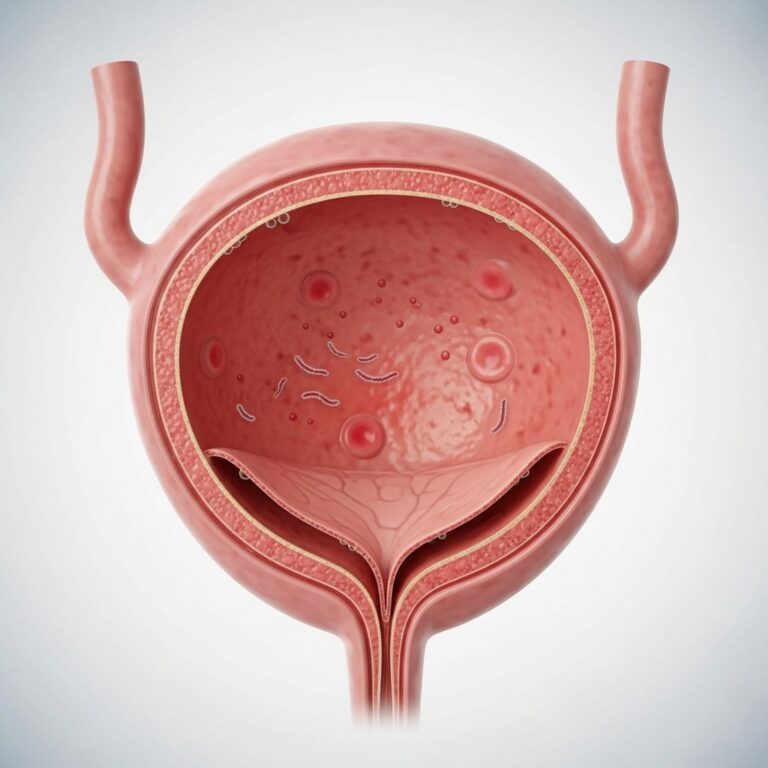
Cystocele: Causes, Symptoms, and Treatment Options
Comprehensive guide to understanding cystocele, anterior prolapse, and available treatment solutions.
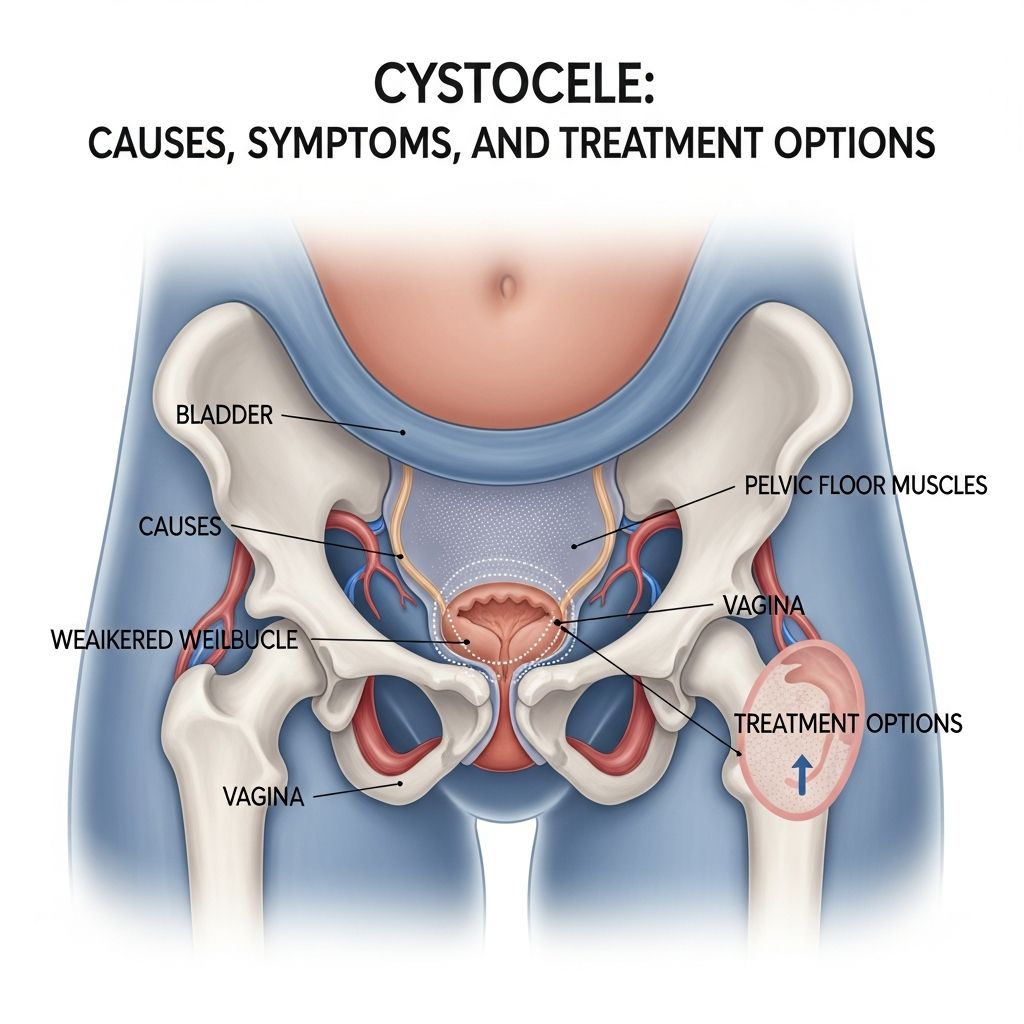
What Is a Cystocele?
A cystocele, also known as anterior prolapse or prolapsed bladder, is a medical condition in which the bladder bulges or sags into the vagina due to weakening of the supportive tissues and muscles between the bladder and the vaginal wall. This occurs when the pelvic floor muscles and connective tissues that normally hold the bladder in its proper position become stretched or weakened, allowing the bladder to drop from its normal location.
Cystoceles are classified into three distinct grades based on the severity of the condition. Understanding these grades helps healthcare providers determine the appropriate treatment approach and helps patients understand the progression of their condition.
Grades of Cystocele
The classification system for cystoceles helps medical professionals assess the severity and determine treatment options:
- Grade 1 (Mild): The bladder has dropped only slightly into the vagina. Many women with mild cystoceles experience minimal or no symptoms.
- Grade 2 (Moderate): The bladder has descended to reach the vagina’s opening. Symptoms may become more noticeable at this stage.
- Grade 3 (Severe): The bladder has bulged significantly through the vagina’s opening. This grade typically presents with more pronounced symptoms and may require intervention.
Causes of Cystocele
Multiple factors can contribute to the weakening and stretching of the pelvic floor muscles and connective tissues that support the bladder. The primary cause of cystocele is childbirth, particularly vaginal delivery, which places significant stress on the pelvic floor structures. Understanding these causes can help women take preventive measures.
Conditions that involve chronic straining or increased pressure on the pelvic area are significant contributors to cystocele development. These include severe constipation, obesity, and heavy lifting, all of which place repeated stress on already weakened pelvic structures.
Respiratory conditions that cause chronic coughing, such as chronic obstructive pulmonary disease or severe asthma, can also contribute to cystocele by consistently increasing abdominal pressure. Additionally, prior pelvic surgeries, including hysterectomy or previous pelvic organ prolapse repair, can weaken the supporting structures and increase the risk of cystocele development.
Risk Factors for Developing Cystocele
Certain factors significantly increase an individual’s risk of developing a cystocele:
- Aging: As women age, pelvic floor muscles naturally weaken and lose elasticity.
- Pregnancy and vaginal childbirth: The physical stress of pregnancy and especially vaginal delivery is the most significant risk factor.
- Multiple pregnancies: Women with multiple pregnancies face higher risk, particularly those with difficult or prolonged labor.
- Genetic factors: Some women naturally have weaker connective tissue due to inherited genes or connective tissue disorders such as Ehlers-Danlos syndrome.
- Obesity and being overweight: Excess weight increases pressure on the pelvic floor.
- Heavy lifting: Occupational or recreational heavy lifting can strain pelvic structures.
- Chronic constipation: Straining during bowel movements weakens pelvic floor muscles.
- Hysterectomy: Removal of the uterus can affect the support structures of nearby organs.
- Menopause: Declining estrogen levels can reduce tissue elasticity and muscle tone.
- Chronic cough: Persistent coughing from lung diseases creates repeated pressure on the pelvic floor.
Related Stories



Symptoms of Cystocele
Symptoms of cystocele vary significantly depending on the severity of the condition. Many women with mild cystoceles experience no symptoms whatsoever, while more advanced cases can produce multiple bothersome symptoms that impact daily activities and quality of life.
Common Symptoms
The most commonly reported symptom is a sensation of a vaginal bulge, lump, or protuberance. Women often report being able to see and feel this bulge, which may become more pronounced when standing and may improve when lying down. Other frequent symptoms include:
- Pelvic heaviness or fullness: A feeling that the pelvic organs are full or drooping, particularly noticeable after standing for extended periods.
- Urinary symptoms: Changes in urination patterns, including increased frequency and urgency to urinate.
- Urinary incontinence: Involuntary leakage of urine, particularly with stress incontinence when coughing, sneezing, lifting, or exercising.
- Difficulty initiating urination: Hesitancy or difficulty beginning the flow of urine.
- Slow urinary stream: Reduced force or flow of urine during urination.
- Incomplete emptying: The sensation that the bladder has not emptied completely after urination.
- Pelvic and lower back pain: Discomfort in the pelvis, groin, and lower back that may worsen throughout the day and improve with rest.
Symptom Aggravating Factors
Many cystocele symptoms worsen with certain activities and improve with rest. Symptoms often become more pronounced when straining, lifting heavy objects, coughing, sneezing, or standing for prolonged periods. Conversely, symptoms typically improve or resolve when lying down, allowing gravity to assist in reducing the bulge.
Additional Symptoms
Women may also experience pain during sexual intercourse, difficulty inserting tampons or vaginal applicators, and recurrent urinary tract infections. Some women report discomfort when sitting, feeling as though they are sitting on an object.
Diagnosis of Cystocele
A healthcare provider specializing in the female reproductive and urinary systems, such as a urologist or gynecologist, typically diagnoses cystoceles. The diagnostic process involves reviewing your medical history, discussing your symptoms in detail, and conducting a thorough physical examination.
During the physical examination, your doctor will assess the extent of the bladder prolapse and may perform various tests to evaluate urinary function. Additional diagnostic tools may include imaging studies or urodynamic testing to better understand the severity of the condition and its impact on bladder function.
Complications of Cystocele
While most cystoceles do not cause serious complications, untreated severe cases can lead to significant urological problems. The bulging bladder may compress or create a kink in the urethra, potentially causing urinary retention—a condition in which you cannot completely empty your bladder. This incomplete emptying can increase the risk of urinary tract infections.
In rare cases, a cystocele may result in a kink in the ureters (the tubes that carry urine from the kidneys to the bladder), causing urine to accumulate in the kidneys. This backup of urine can potentially lead to kidney damage if left untreated. Regular monitoring and appropriate treatment are important for preventing these complications.
Treatment Options for Cystocele
Treatment approaches for cystocele depend on the severity of the condition, the extent of symptoms, and how significantly the condition affects the patient’s quality of life. Options range from conservative management to surgical intervention.
Conservative Management
For mild to moderate cystoceles with minimal symptoms, conservative approaches are often recommended as first-line treatment:
- Pelvic floor exercises: Also known as Kegel exercises, these exercises strengthen the muscles supporting the bladder and can help manage symptoms. Performing these exercises regularly may halt progression and improve symptoms.
- Lifestyle modifications: Avoiding activities that strain the pelvic floor, such as heavy lifting and straining during bowel movements, can help prevent symptom progression. Maintaining a healthy weight through diet and exercise reduces pressure on pelvic structures.
- Pessary use: A pessary is a removable device inserted into the vagina to provide support to the bladder and reduce the sensation of prolapse. Pessaries come in various shapes and sizes and can be an effective non-surgical option for many women.
- Estrogen therapy: In postmenopausal women, topical estrogen applied to the vagina may help strengthen tissues and improve symptoms.
Surgical Treatment
Surgery is typically considered when conservative measures fail to adequately manage symptoms or when the cystocele is severe and significantly impacts quality of life. Surgical options include:
- Anterior colporrhaphy: The most common surgical approach, this procedure involves reinforcing the weakened vaginal tissue with sutures to support the bladder and restore its normal position.
- Mesh-augmented repair: In some cases, surgical mesh may be used to provide additional support, though this approach is controversial and typically reserved for recurrent cases.
- Vaginal wall repair: Procedures that tighten and reinforce the vaginal wall tissues to provide better support for the bladder.
The choice of surgical procedure depends on the severity of the prolapse, the presence of other pelvic organ prolapses, and individual patient factors. Your healthcare provider will discuss the most appropriate options based on your specific situation.
Prevention of Cystocele
While not all cases of cystocele can be prevented, several measures may reduce your risk or delay onset:
- Maintain a healthy weight through balanced diet and regular exercise
- Perform pelvic floor exercises regularly to maintain muscle strength
- Avoid heavy lifting and straining activities when possible
- Treat constipation promptly to avoid chronic straining
- Manage chronic cough by seeking appropriate medical care
- Use proper lifting techniques when heavy lifting is necessary
Living with Cystocele
Many women successfully manage cystoceles with conservative treatment and lifestyle modifications. Regular follow-up with your healthcare provider ensures that your treatment plan remains appropriate and effective. Most women find that symptoms can be substantially controlled, allowing them to maintain their normal activities and quality of life.
Frequently Asked Questions
Q: How common is cystocele?
A: Cystoceles are very common. Medical experts estimate that approximately 50% of women have some degree of cystocele, though many experience no symptoms.
Q: Can cystocele be cured without surgery?
A: Mild to moderate cystoceles can often be effectively managed with conservative treatment including pelvic floor exercises, lifestyle modifications, and pessary use. However, severe cystoceles causing significant symptoms may require surgical intervention.
Q: Is cystocele dangerous?
A: Most cystoceles are not dangerous, but untreated severe cases can lead to urinary retention and, rarely, kidney damage. Regular medical monitoring is important.
Q: Can I prevent cystocele?
A: While you cannot always prevent cystocele, maintaining a healthy weight, strengthening pelvic floor muscles, avoiding heavy lifting, and managing conditions like constipation and chronic cough may reduce your risk.
Q: Will my cystocele get worse over time?
A: Cystoceles may gradually worsen without treatment, but pelvic floor exercises and lifestyle modifications can help stabilize symptoms and prevent progression.
Q: Can cystocele recur after surgery?
A: While surgical repair has good success rates, cystocele can occasionally recur. Continued pelvic floor exercises and healthy lifestyle habits help reduce recurrence risk.
References
- Cystocele — National Institute of Diabetes and Digestive and Kidney Diseases (NIDDK), U.S. Department of Health and Human Services. 2024. https://www.niddk.nih.gov/health-information/urologic-diseases/cystocele
- Cystocele (Prolapsed Bladder): Causes, Symptoms & Treatment — Cleveland Clinic. 2024. https://my.clevelandclinic.org/health/diseases/15468-cystocele-fallen-bladder
- Pelvic Organ Prolapse — National Health Service (NHS). 2024. https://www.nhs.uk/conditions/pelvic-organ-prolapse/
- Cystocele — UCHealth, University of Colorado Hospital. 2024. https://www.uchealth.org/diseases-conditions/cystocele/
- Bladder Prolapse (Cystocele) — Urology Care Foundation. 2024. https://www.urologyhealth.org/urology-a-z/b/bladder-prolapse-(cystocele)
Similar Articles








Read full bio of Sneha Tete