Cystocele (Prolapsed Bladder): Causes, Symptoms & Treatment
Understanding cystocele: comprehensive guide to fallen bladder causes, symptoms, and effective treatment options.
What is a Cystocele?
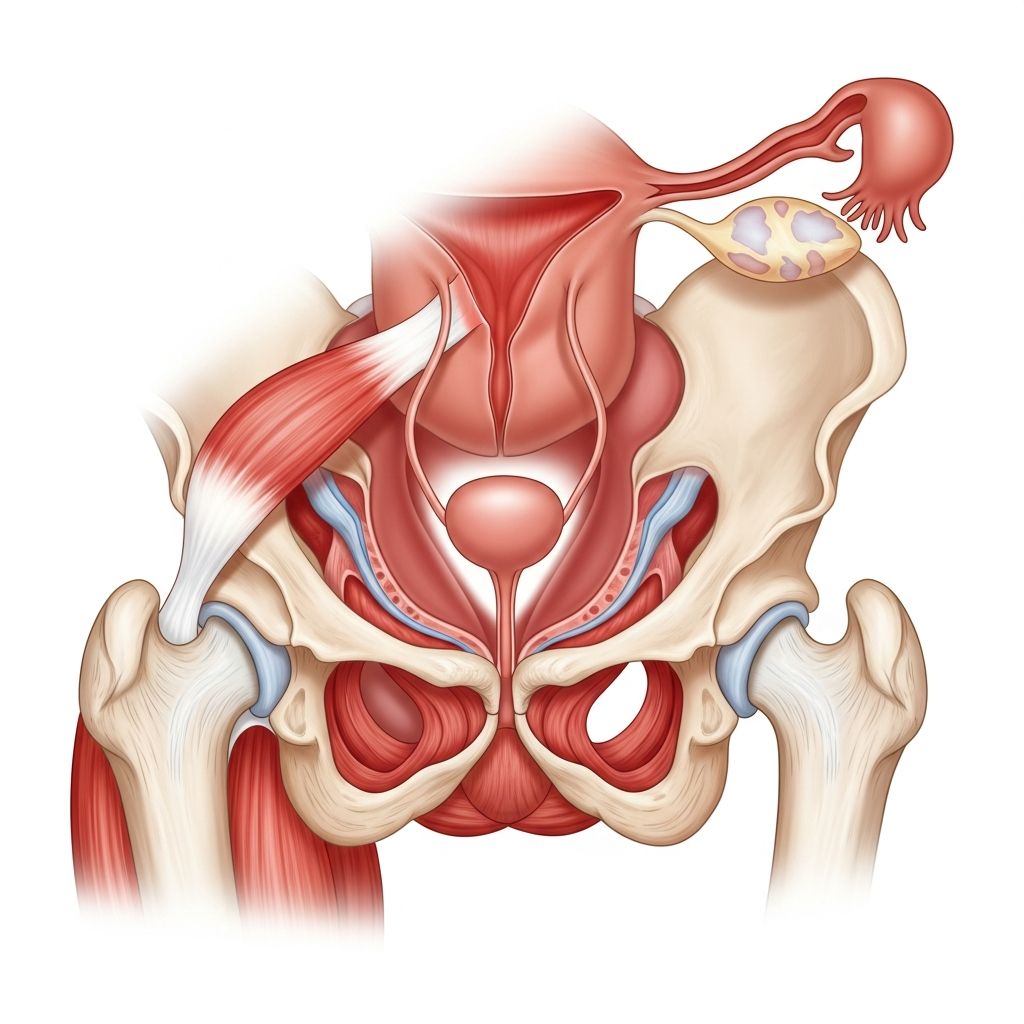
A cystocele, commonly referred to as a fallen bladder or prolapsed bladder, is a condition in which the bladder sags or descends into the vagina. This occurs when the ligaments and muscles that normally hold the bladder in its proper position become stretched or weakened. The condition is particularly common among women and can range from mild to severe, affecting quality of life to varying degrees. When your bladder loses its normal support, it may bulge into the vaginal wall, creating a visible bulge or causing various urinary symptoms.
A cystocele is classified as a type of pelvic organ prolapse, which is the most common form of prolapse affecting women. Understanding this condition is essential for recognizing symptoms early and seeking appropriate treatment options that can help restore comfort and normal function.
How Common is Cystocele?
Cystocele affects a significant portion of the population. Approximately one in three women who have a uterus may experience this condition at some point in their lives. Despite its prevalence, many women do not seek treatment, either because they are unaware of available options or because their symptoms are mild. The good news is that effective treatment approaches exist, ranging from conservative management to surgical intervention.
Causes and Risk Factors
Understanding what causes a cystocele helps guide effective prevention and treatment strategies. The pelvic floor functions like a hammock of muscles and connective tissues that support your pelvic organs, including the bladder, uterus, and rectum. When these supportive structures become strained or weakened, your bladder can begin to descend into the vagina.
Primary Contributing Factors
Several factors can contribute to the development of cystocele:
Pregnancy and Childbirth: Vaginal childbirth is one of the most significant risk factors for developing cystocele. The stretching and trauma to pelvic floor muscles during pregnancy and delivery can weaken the supportive tissues that hold the bladder in place.
Chronic Straining and Pressure: Conditions that repeatedly strain or increase pressure in the pelvic area contribute to weakened pelvic floor muscles. These include severe constipation, obesity, heavy lifting, and chronic coughing. Each of these activities places stress on the pelvic floor over time.
Aging: As women age, the muscles and connective tissues naturally lose elasticity and strength, making them less effective at supporting pelvic organs. This is why cystocele becomes more common in older women.
Prior Pelvic Surgery: Previous pelvic reconstructive surgeries, such as hysterectomy or repair of other pelvic organ prolapses, can increase the risk of developing a cystocele.
Genetic Factors: Inherited genes and certain connective tissue disorders, such as Ehlers-Danlos syndrome, can predispose individuals to pelvic floor weakness.
Symptoms of Cystocele
The symptoms of cystocele vary depending on the severity of the condition. Some women with mild cystoceles may experience no symptoms at all, while others may have significant discomfort affecting their daily activities.
Common Symptoms Include:
Vaginal and Pelvic Sensations: Many people describe a sensation of vaginal heaviness or pressure, especially after long periods of standing or physical activity. You might feel like something is falling out of your vagina or notice a visible bulge through the vaginal opening.
Related Stories



Urinary Problems: Changes in bladder habits are among the most common symptoms. These include difficulty starting urination, a slow or weak urine stream, and difficulty completely emptying the bladder. You may feel like you need to urinate even though you just finished.
Incomplete Emptying: Feeling that your bladder is never completely empty is a frequent complaint. This can lead to frequent or urgent urination as your body attempts to fully void.
Sexual Dysfunction: Sexual intercourse may become painful or uncomfortable due to the bulging tissue and pelvic pressure.
Symptom Progression: Symptoms tend to worsen when you cough, lift heavy items, or stand for long periods. Conversely, symptoms often improve or disappear when you lie down.
Complications of Untreated Cystocele
While not all cystoceles progress, leaving the condition untreated can lead to complications. A cystocele can push on your urethra and prevent your bladder from completely emptying when you urinate, a condition called urinary retention. Additionally, a cystocele can twist your ureters—the two tubes that move urine from your kidneys to your bladder. A buildup of urine in your kidneys can cause kidney damage over time.
In rare cases, a cystocele may result in a kink in the ureters that causes urine to back up into the kidney, potentially leading to serious kidney complications. Though cystoceles are not life-threatening in most cases, they can significantly negatively affect your quality of life. In the worst cases, you may not be able to urinate normally, which can cause infections or damage your kidneys.
Diagnosis
A healthcare provider who specializes in the female reproductive and urinary systems—such as a urologist or gynecologist—can diagnose a cystocele. During the diagnostic process, your provider will review your medical history, ask detailed questions about your symptoms, and conduct a physical examination. The physical examination typically involves visualization and palpation of the vaginal area to assess the extent of the prolapse.
Treatment Options
Treatment for cystocele depends on the severity of the condition and how significantly it affects your quality of life. Several options are available, ranging from conservative management to surgical intervention.
Conservative (Non-Surgical) Treatment
Watchful Waiting: If you have a mild cystocele that doesn’t bother you, you may not need any treatment other than avoiding heavy lifting or straining that could worsen the condition.
Pelvic Floor Exercises (Kegel Exercises): These exercises strengthen the muscles that support your pelvic organs. Pelvic floor physical therapy offers a non-surgical approach that focuses on strengthening supportive tissues, improving muscle coordination, and teaching strategies to manage symptoms effectively. Physical therapy is often recommended as a first-line treatment for cystocele, especially in mild to moderate cases.
Pessary Devices: A pessary is a removable device that holds the organs in place, similar to a supportive device for the pelvic floor. These devices can provide relief for women who prefer not to undergo surgery or who are not surgical candidates.
Lifestyle Modifications: Avoiding activities that strain the pelvic floor, maintaining a healthy weight, treating chronic cough, and preventing constipation can all help manage symptoms and prevent progression.
Surgical Treatment
Some moderate or severe cystoceles may require surgery if conservative options don’t provide adequate relief. The most common surgical procedure for cystocele is anterior colporrhaphy, a type of reconstructive surgery in which a surgeon moves your bladder back into its normal position and tightens the muscles in the front wall that hold the bladder in place.
Recovery from Surgery: Cystocele surgery is usually an outpatient procedure, meaning you can go home the same day you have the surgery. Most people have a complete recovery in a few months. For severe cystoceles requiring surgery, you should feel better soon after the procedure, though complete recovery may take a few weeks.
When to Seek Treatment
While not all cystoceles require treatment, early intervention through pelvic floor physical therapy can help prevent progression and manage symptoms effectively. If you experience symptoms that bother you or affect your quality of life, it’s important to consult with a healthcare provider. The decision about treatment depends on how severe your symptoms are, whether you have other health problems, your age, and your level of sexual activity.
Living with Cystocele
Living with bladder symptoms can feel overwhelming, but you’re not alone and treatment is available. Many women successfully manage their cystocele symptoms through conservative approaches, while others benefit from surgical intervention. The key is working with specialized healthcare providers who can offer personalized attention and state-of-the-art technology to help you regain confidence and control.
Frequently Asked Questions
Q: Is physical therapy effective for treating cystocele?
A: Yes, physical therapy is often recommended as a first-line treatment for cystocele, especially in mild to moderate cases. During your initial evaluation, a healthcare provider will assess whether physical therapy is appropriate for your specific situation and discuss what results you might expect.
Q: Will my cystocele get worse if left untreated?
A: While not all cystoceles progress, untreated symptoms may worsen over time. Early intervention through pelvic floor physical therapy can help prevent progression and manage symptoms effectively.
Q: Can I see or feel a cystocele?
A: Yes, you may see or feel tissue bulge through your vaginal opening. Some women describe a visible bulge or sensation of something falling out of the vagina, though not all women with cystocele have visible symptoms.
Q: Is surgery the only treatment option for severe cystocele?
A: No, while surgery may be recommended for severe cases, many women benefit from conservative treatments including pelvic floor exercises, pessary devices, and lifestyle modifications. Your healthcare provider will help determine the best approach for your specific situation.
Q: Can cystocele affect my ability to have intercourse?
A: Yes, sexual intercourse may become painful or uncomfortable due to the bulging tissue and pelvic pressure. Treatment options can help resolve this symptom.
Q: How long does recovery take after cystocele surgery?
A: Cystocele surgery is usually an outpatient procedure, and most people have a complete recovery in a few months. For severe cases, you should feel better soon after surgery, though complete recovery may take a few weeks.
References
- Cystocele: Causes, Symptoms, and Treatment — Mendwell Health. Accessed 2025. https://www.mendwellhealth.com/all-conditions/cystocele
- Cystocele/Fallen Bladder — Brigham and Women’s Hospital. Accessed 2025. https://www.brighamandwomens.org/surgery/urology/cystocele-fallen-bladder
- Cystocele (Prolapsed Bladder): Causes, Symptoms & Treatment — Cleveland Clinic. Accessed 2025. https://my.clevelandclinic.org/health/diseases/15468-cystocele-fallen-bladder
- Bladder prolapse (cystocele) symptoms & treatment — Aurora Healthcare. Accessed 2025. https://www.aurorahealthcare.org/services/womens-health/services-treatments/pelvic-floor-dysfunction/bladder-prolapse
- Cystocele — National Institute of Diabetes and Digestive and Kidney Diseases (NIDDK). Accessed 2025. https://www.niddk.nih.gov/health-information/urologic-diseases/cystocele
- Anterior vaginal prolapse (cystocele) – Symptoms and causes — Mayo Clinic. Accessed 2025. https://www.mayoclinic.org/diseases-conditions/cystocele/symptoms-causes/syc-20369452
- Bladder Prolapse — University of Michigan Health. Accessed 2025. https://www.uofmhealth.org/our-care/specialties-services/bladder-prolapse
Similar Articles








Read full bio of Sneha Tete