Cystoscopy for Women: Procedure, Risks, and Recovery
Learn about cystoscopy for women: what to expect, risks, recovery, and why it's performed.
What Is Cystoscopy?
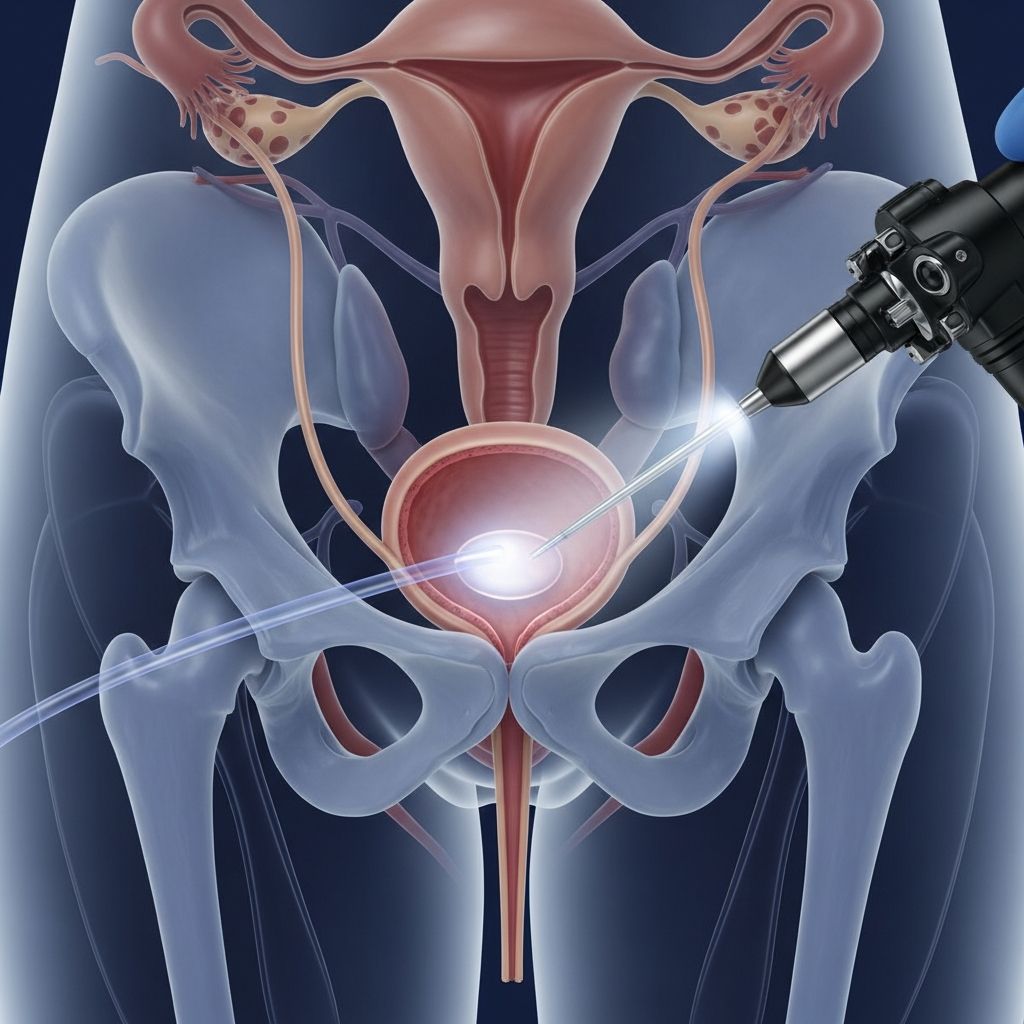
Cystoscopy is a medical procedure that allows a healthcare provider to directly examine the inside of the bladder and urethra using a specialized instrument called a cystoscope. This thin, tube-like device has a camera and light at the end, which transmits images to a monitor, enabling the doctor to visually inspect the urinary tract for abnormalities.
Why Is Cystoscopy Performed?
Cystoscopy is commonly performed to diagnose and evaluate a variety of urinary tract conditions. For women, it is especially useful in investigating symptoms such as:
- Recurrent urinary tract infections (UTIs)
- Bladder pain or discomfort
- Urinary incontinence
- Urinary frequency or urgency
- Blood in the urine (hematuria)
- Bladder stones
- Abnormal growths or tumors
- Unexplained pelvic pain
- Problems with urination, such as difficulty starting or stopping the flow
Additionally, cystoscopy may be used to monitor known bladder conditions, such as bladder cancer, or to remove small growths or stones.
Types of Cystoscopes
There are two main types of cystoscopes used in cystoscopy:
- Rigid cystoscope: A straight, inflexible tube that is typically used for more complex procedures or when tissue samples (biopsies) are needed. It is usually performed in an operating room under anesthesia.
- Flexible cystoscope: A thin, bendable tube that is less invasive and can be used in an outpatient setting with local anesthesia. It is often preferred for diagnostic purposes and is generally more comfortable for patients.
Preparing for Cystoscopy
Before undergoing a cystoscopy, your healthcare provider will give you specific instructions. General preparation steps include:
- Emptying your bladder prior to the procedure.
- Wearing a medical gown and lying on an examination table with your knees bent and feet flat.
- Informing your doctor about any medications you are taking, especially blood thinners or anticoagulants.
- Letting your doctor know if you have any allergies, bleeding disorders, or if you are pregnant.
- Discussing any concerns or questions you may have about the procedure.
If you have a urinary tract infection, the procedure may be postponed until the infection is treated.
What Happens During Cystoscopy?
The cystoscopy procedure typically follows these steps:
- You will be asked to empty your bladder.
- You will lie on an examination table with your knees bent and feet flat.
- A local anesthetic gel is applied to the urethra to reduce discomfort.
- The cystoscope is gently inserted into the urethra and advanced into the bladder.
- The bladder may be filled with a sterile saline solution to help the doctor see the bladder walls more clearly.
- The doctor will visually examine the bladder and urethra, looking for any abnormalities.
- If necessary, a urine sample or tissue biopsy may be taken.
- After the examination, the cystoscope is gently removed.
Related Stories



The entire procedure usually takes about 15 to 30 minutes and is generally performed on an outpatient basis.
Risks and Complications
Cystoscopy is a safe procedure, but like any medical procedure, it carries some risks. Possible complications include:
- Discomfort or mild pain during or after the procedure
- Burning sensation while urinating
- Small amounts of blood in the urine
- Urinary tract infection
- Bladder perforation (rare)
- Difficulty urinating
Most side effects are mild and resolve within a few days. If you experience severe pain, fever, or persistent bleeding, contact your healthcare provider immediately.
Recovery After Cystoscopy
Recovery from cystoscopy is usually quick. Most women can return to their normal activities the same day. To help with recovery, you may be advised to:
- Drink plenty of fluids to help flush out the bladder.
- Take over-the-counter pain relief medication if needed (avoid aspirin, as it can increase bleeding).
- Take a warm bath or apply a warm, damp washcloth to the urethral opening to relieve discomfort.
- Avoid sexual activity until any blood in the urine has cleared.
Most discomfort and side effects should resolve within 2 to 3 days.
When to Seek Medical Attention
While most women recover well from cystoscopy, you should contact your healthcare provider if you experience any of the following:
- Severe pain or cramping
- Fever or chills
- Heavy bleeding or blood clots in the urine
- Difficulty urinating or inability to urinate
- Signs of infection, such as increased pain, swelling, or discharge
Frequently Asked Questions (FAQs)
Is cystoscopy painful?
Most women experience only mild discomfort during cystoscopy, especially when a flexible cystoscope is used. Local anesthesia helps minimize pain.
How long does it take to recover from cystoscopy?
Recovery is usually quick, with most women able to resume normal activities the same day. Mild discomfort and side effects typically resolve within 2 to 3 days.
Can cystoscopy detect bladder cancer?
Yes, cystoscopy is a key diagnostic tool for detecting bladder cancer. If abnormal tissue is found, a biopsy can be taken during the procedure.
What should I do to prepare for cystoscopy?
Follow your healthcare provider’s instructions, which may include emptying your bladder, wearing a medical gown, and informing your doctor about any medications or allergies.
Are there any risks associated with cystoscopy?
While cystoscopy is generally safe, possible risks include discomfort, mild bleeding, urinary tract infection, and, rarely, bladder perforation.
Conclusion
Cystoscopy is a valuable diagnostic and therapeutic procedure for women experiencing urinary tract symptoms. It allows healthcare providers to directly examine the bladder and urethra, identify abnormalities, and take necessary samples or perform minor treatments. With proper preparation and aftercare, most women recover quickly and experience minimal discomfort.
References
- Cystoscopy: Procedure, preparation, risks, recovery, and more — Medical News Today. 2023. https://www.medicalnewstoday.com/articles/cystoscopy
- Cystoscopy – StatPearls — NCBI Bookshelf. 2023. https://www.ncbi.nlm.nih.gov/books/NBK493180/
- Diagnosis – Bladder Cancer — Johns Hopkins Pathology. 2023. https://pathology.jhu.edu/bladder-cancer/diagnosis
Similar Articles








Read full bio of medha deb