Cytology: Understanding Cell-Based Diagnostic Testing
Comprehensive guide to cytology testing: methods, applications, and clinical significance in disease diagnosis.
What is Cytology?
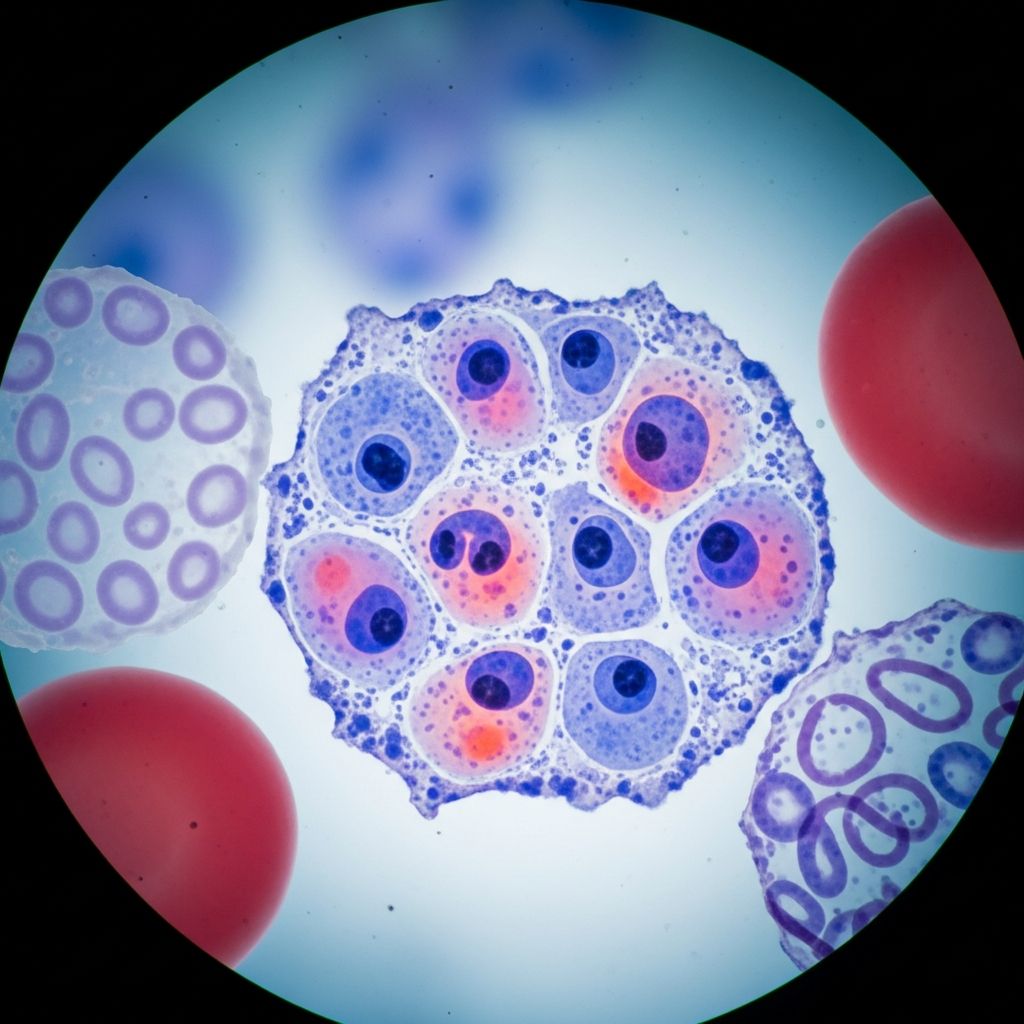
Cytology is a branch of pathology that focuses on the examination and analysis of individual cells obtained from various body sites to diagnose disease, particularly cancer and infections. The term derives from “cyto,” meaning cell, and “logy,” meaning the study of. Cytopathologists are specialized physicians who interpret these cellular samples under microscopes to identify abnormalities and provide critical diagnostic information that guides clinical management and treatment decisions.
The field of cytology has evolved significantly since its inception, transforming from simple visual assessment to a sophisticated diagnostic discipline that integrates advanced imaging techniques, molecular studies, and immunological testing. At leading institutions like Johns Hopkins Hospital, which established one of the earliest cytopathology laboratories in the United States in 1956, cytology continues to play a pivotal role in rapid and accurate disease diagnosis, particularly in the early detection of neoplastic lesions and infectious diseases.
How Cytology Works
Cytology involves the collection and microscopic examination of cells in their most basic form. The process begins with specimen collection, which can occur through several methods depending on the organ or tissue being evaluated. The obtained cells are then prepared on glass slides, stained with specialized dyes to highlight cellular structures, and examined by trained pathologists and cytotechnologists under high-powered microscopes.
The examination process relies heavily on expert judgment and pattern recognition developed through years of professional experience. Cytopathologists evaluate cell morphology—the size, shape, and appearance of cells—to identify characteristics indicative of disease. Abnormal cells may display enlarged nuclei, irregular cell membranes, increased nuclear-to-cytoplasmic ratios, and other features that suggest malignancy or infection.
Methods of Cell Collection in Cytology
Cytological specimens are obtained through various collection methods, each suited to specific clinical situations and anatomical locations:
- Spontaneous Exfoliation: Cells that naturally shed from body surfaces, such as those collected in Pap tests from the cervix or urinary specimens from the bladder
- Brushings: Cells collected by gently abrading tissue surfaces using small brushes, commonly used in respiratory tract and gastrointestinal evaluations
- Washings: Fluid specimens collected from body cavities that may contain exfoliated cells, such as cerebrospinal fluid or peritoneal fluid
- Fine Needle Aspiration (FNA): A minimally invasive procedure using a thin needle to extract cells directly from masses or organs including the thyroid, breast, pancreas, and lymph nodes
Applications of Cytology Testing
Cytology serves diverse clinical applications across multiple organ systems and disease entities:
Gynecological Cytology
The Pap test remains one of the most successful cancer screening tools in medical history, substantially reducing cervical cancer incidence and mortality since its introduction. This test involves collecting cells from the cervix to detect precancerous changes and human papillomavirus (HPV) infection. Modern liquid-based cytology techniques have improved specimen quality and allow for reflex testing to HPV and other molecular markers when indicated.
Respiratory Tract Cytology
Specimens from the lungs and respiratory tract obtained through brushings, washings, or bronchial aspirates help diagnose lung cancer, infections, and inflammatory conditions. Advanced molecular testing on respiratory specimens now enables identification of actionable genetic mutations such as ALK and BRAF alterations, critical information for targeted therapeutic decisions in lung cancer management.
Related Stories



Thyroid Cytology
Fine needle aspiration of thyroid nodules has become the standard diagnostic approach for evaluating thyroid masses. This minimally invasive procedure provides rapid, accurate diagnoses while avoiding unnecessary thyroid surgery. The Bethesda System for Reporting Thyroid Cytopathology standardizes reporting and guides clinical management based on cytological findings.
Body Cavity Fluids
Cytological examination of fluids from body cavities including pleural (lung), peritoneal (abdominal), pericardial (heart), and cerebrospinal fluid helps detect malignant cells, infections, and inflammatory conditions. These examinations are particularly valuable in detecting metastatic cancer and infection spread.
Urinary Cytology
Urine specimens are examined to diagnose bladder cancer, upper urinary tract malignancies, and urinary tract infections. This non-invasive collection method makes it valuable for cancer surveillance in at-risk patients and for monitoring treatment response in known malignancies.
Advantages of Cytology Testing
Cytology offers numerous clinical advantages that make it an indispensable diagnostic tool:
- Minimally Invasive: Fine needle aspiration and other cytological collection methods cause minimal tissue trauma compared to surgical biopsies
- Rapid Results: Cytological specimens can often be examined and preliminary results provided within hours, enabling quick clinical decision-making
- Cost-Effective: Cytology is generally less expensive than tissue biopsy and surgical procedures
- Versatile: Can be applied to virtually any organ system and body site
- Low Morbidity: Associated with minimal patient discomfort and virtually no serious complications
- Screening Capability: Excellent for large-scale screening programs, as demonstrated by Pap test success
Ancillary Tests and Advanced Techniques
Modern cytology laboratories integrate sophisticated ancillary testing with morphological examination to enhance diagnostic accuracy and provide prognostic and therapeutic information:
Immunochemistry and Flow Cytometry
Special staining techniques using antibodies against specific cellular markers help identify cell types and confirm diagnoses. Flow cytometry analyzes cell populations based on size, granularity, and marker expression, particularly valuable in evaluating lymphomas and leukemias.
Molecular Testing
Advanced molecular techniques including DNA sequencing, gene mutation analysis, and fusion gene detection provide critical information for cancer classification and targeted therapy selection. Next-generation sequencing (NGS) enables comprehensive biomarker profiling from cytological specimens, increasingly important in precision oncology.
Cell Transfer and Sample Enhancement
Specialized techniques developed at Johns Hopkins and other leading centers allow expansion of single samples onto multiple slides, enabling extraction of maximum diagnostic information from small specimens. These methods restore damaged slides and create additional preparations for immunostaining and specialized studies.
The Role of Cytopathologists
Cytopathologists are uniquely trained physicians with specialized expertise in cell-based diagnosis. Unlike other pathologists who may focus on single organ systems, cytopathologists function as generalists managing disease entities across most anatomic sites and organ systems. This broad perspective provides advantages in pattern recognition and diagnostic problem-solving.
Cytopathologists interact closely with clinical teams from diverse specialties including endocrinology, pulmonology, gynecology, gastroenterology, and oncology. They participate actively in multidisciplinary conferences and contribute critical diagnostic and prognostic information that directly impacts patient management and treatment planning. Many cytopathologists perform on-site evaluations during procedures, providing immediate specimen adequacy assessment and preliminary diagnoses that guide procedural decisions.
Limitations and Challenges
While cytology is powerful, important limitations should be recognized. Specimen adequacy is crucial; non-representative or poorly prepared samples may yield non-diagnostic results. The interpretation of cytological findings sometimes lacks the architectural context provided by tissue biopsies. Certain diagnoses are better established through histological examination of intact tissue architecture. Additionally, rare entities and subtle morphological changes may require expert consultation or correlation with clinical findings.
Future Directions in Cytology
The field of cytology continues evolving with emerging technologies and methodologies. Digital pathology and artificial intelligence applications show promise in enhancing diagnostic accuracy and efficiency. Expanded molecular profiling capabilities enable increasingly personalized diagnostic and therapeutic recommendations. Integration of proteomic analysis, immunotherapy markers, and novel biomarkers continues expanding the information derivable from cytological specimens.
Frequently Asked Questions
Q: What is the difference between cytology and histology?
A: Cytology examines individual cells, while histology examines tissue architecture and cell relationships within tissues. Cytology is often faster and less invasive, while histology provides architectural context helpful for certain diagnoses.
Q: Is fine needle aspiration biopsy safe?
A: Yes, fine needle aspiration is extremely safe with minimal complications. The thin needle causes minimal trauma, and serious adverse events are exceptionally rare. Most patients experience minimal discomfort.
Q: How long do cytology results take?
A: Results vary by specimen type and complexity. Simple cases may be reported within hours, while complex cases requiring ancillary studies may take several days. Most routine cytology results are available within 24-48 hours.
Q: Can cytology diagnose all cancers?
A: Cytology is excellent for detecting many cancers, particularly those affecting surfaces or accessible organs. However, some malignancies require tissue biopsy for definitive diagnosis. Your physician will determine the most appropriate diagnostic approach.
Q: What should I expect during a fine needle aspiration procedure?
A: The procedure typically takes 10-15 minutes. A thin needle is inserted into the lesion under ultrasound or physical guidance to collect cells. Most patients experience minimal pain, described as brief discomfort similar to a blood draw.
Q: Are cytology results always definitive?
A: Most cytology results are definitive, but some specimens may yield inconclusive or atypical findings requiring repeat sampling, additional testing, or clinical correlation with imaging findings before final diagnostic determination.
References
- Cytopathology Division – Johns Hopkins Pathology — Johns Hopkins Medicine. 2024. https://pathology.jhu.edu/cytopathology
- About – Cytopathology Division – Johns Hopkins Pathology — Johns Hopkins Medicine. 2024. https://pathology.jhu.edu/cytopathology/about
- Diagnostic Cytopathology Board Review and Self-Assessment — Johns Hopkins University. 2024. https://pure.johnshopkins.edu/en/publications/diagnostic-cytopathology-board-review-and-self-assessment-4/
- For Patients – Cytopathology Division — Johns Hopkins Medicine. 2024. https://pathology.jhu.edu/cytopathology/for-patients
- Johns Hopkins Pathology Department — Johns Hopkins Medicine. 2024. https://pathology.jhu.edu
Similar Articles








Read full bio of Sneha Tete