Cytology: 3 Types, Testing Process, And What Results Mean
Understanding cytology: A comprehensive guide to cell examination for disease diagnosis and cancer screening.
Understanding Cytology: A Diagnostic Overview
Cytology, also known as cytopathology, is a fundamental diagnostic method used to examine individual cells under a microscope to detect abnormalities that may indicate cancer, precancerous conditions, infections, and other diseases. This minimally invasive diagnostic approach allows healthcare providers to obtain critical information about cellular changes with minimal risk to patients. By analyzing cells from body fluids or tissue samples, pathologists can identify early signs of disease, guide treatment decisions, and improve patient outcomes through early detection and intervention.
The primary purpose of cytology is to screen for or diagnose diseases by looking at cells in a small sample of body fluid or tissue. A qualified pathologist examines the sample to identify differences in cell size, shape, and other structural changes that may indicate pathological conditions. This examination is particularly valuable because it provides detailed information about cellular morphology and nuclear characteristics that can reveal the presence of malignant or pre-malignant cells.
What Cytology Reveals About Cellular Changes
Cytology examines multiple aspects of cellular structure and composition. Pathologists look for changes in both nuclear and cytoplasmic characteristics of cells. These changes can indicate various disease processes, including cancer development, precancerous lesions, and infectious organisms such as bacteria, parasites, fungi, and viruses. The examination is particularly sensitive for detecting early cellular abnormalities that might not yet be visible through other diagnostic methods.
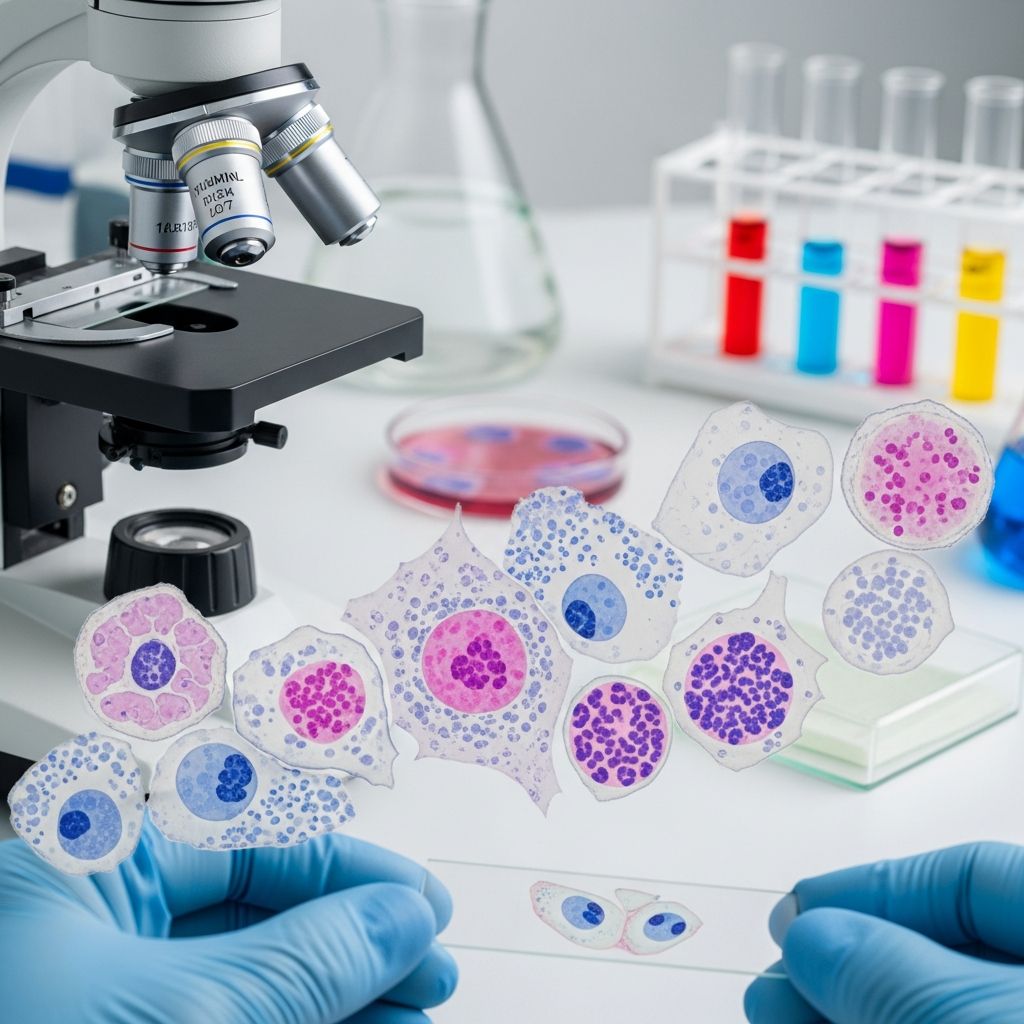
When cells are prepared for cytology examination, a specialized cytopreparatory technologist stains the sample with colored dyes. These dyes make cellular components visible under the microscope, allowing the cytologist and pathologist to clearly distinguish normal cells from abnormal ones. The staining process is crucial because it enhances the visibility of nuclear details and cytoplasmic structures that are essential for accurate diagnosis.
Why Your Healthcare Provider Orders Cytology Tests
Healthcare providers may order cytology tests for several important clinical reasons. The most common indications include screening for cervical cancer through Pap smears, evaluating respiratory samples for lung cancer or infections, examining body cavity fluids for malignant cells, and investigating thyroid nodules or other palpable masses. Cytology is also used to monitor patients with known malignancies, assess the spread of cancer to distant sites, and diagnose various infectious conditions.
The versatility of cytology makes it an invaluable tool in clinical practice. It can be employed as part of routine preventive screening programs or as a diagnostic tool when patients present with specific symptoms or concerning findings on imaging studies. The decision to order cytology depends on the clinical context, patient history, and specific diagnostic concerns.
Types of Cytology: Three Main Categories
Cytology procedures are classified into three distinct types based on how the sample is obtained. Understanding these categories helps explain why different collection methods are used for different clinical situations.
Exfoliative Cytology
Exfoliative cytology involves the examination of cells that are naturally shed by your body. These cells are found in body fluids or secretions and are collected non-invasively or with minimal intervention. Common samples for exfoliative cytology include:
- Cervical samples obtained through Pap smears
- Sputum samples coughed up from the respiratory tract
- Urine specimens from the urinary system
- Body cavity fluids including cerebrospinal fluid, pleural fluid, peritoneal fluid, and pericardial fluid
- Gastrointestinal secretions and washings
Related Stories



Exfoliative cytology is particularly valuable for screening purposes because it is non-invasive and can be performed repeatedly without significant patient discomfort or risk. This makes it ideal for population-based screening programs.
Abrasive Cytology
Abrasive cytology involves collecting cells by gently scraping or brushing a body surface to obtain cellular material. This technique is used when cells are not naturally shed in sufficient quantities or when direct visualization is needed. Common applications include bronchial brushings during endoscopy, esophageal brushings, and other mucosal surface collections.
Interventional Cytology (Fine Needle Aspiration)
Interventional cytology, commonly known as fine needle aspiration (FNA), involves using a thin needle to obtain cells from lumps or masses. This minimally invasive procedure is particularly useful for evaluating palpable lesions on the body surface. Providers use interventional cytology on masses they can feel from the outside, including:
- Thyroid nodules
- Breast lesions
- Lymph nodes
- Salivary gland masses
- Skin lesions and cysts
When used in conjunction with radiologic and ultrasound techniques, FNA can target small, difficult-to-reach areas of the body, making it an essential tool for evaluating deep-seated lesions in the lungs, pancreas, liver, and other internal organs.
The Cytology Testing Procedure
Understanding the cytology testing process helps patients know what to expect and why each step is important for accurate diagnosis.
Sample Collection
Your healthcare provider performs a cytology test by collecting a sample using the appropriate method for the suspected condition. This might involve a Pap smear for cervical cancer screening, an endoscopy with brushings for gastrointestinal evaluation, a fine-needle aspiration for thyroid or breast nodules, or collection of body fluids through aspiration or drainage. The specific collection technique depends on the type of cells being tested and the anatomical location.
Sample Preparation and Staining
Once collected, the sample is sent to a laboratory where specialized technologists prepare it for microscopic examination. The cytopreparatory technologist uses both manual and automated methods to spread the cells on a glass slide in a single layer, ensuring optimal visualization. The sample is then stained with colored dyes that highlight cellular components, making nuclear and cytoplasmic details clearly visible.
Microscopic Examination
A trained cytologist and/or pathologist examines the stained slides under a microscope. They systematically review the cellular composition, looking for abnormalities in cell number, size, shape, and nuclear characteristics. The pathologist compares observed cellular changes to known normal cell findings from the specific body site and considers the clinical history provided with the specimen.
Report Generation and Results
After completing the examination, the pathologist prepares a comprehensive report detailing their findings. This report includes a description of the cells present, any abnormalities identified, and an interpretation of their clinical significance. The report is then sent to your healthcare provider, who will discuss the results with you and determine appropriate next steps.
Preparation for Your Cytology Test
Most cytology tests require minimal or no specific preparation. However, since each test is slightly different depending on the type of cells being examined and whether the sample is tissue or fluid, it is important to ask your healthcare provider if there is anything specific you need to do before your procedure. Your provider will give you clear instructions tailored to your particular test.
Understanding Your Cytology Results
The type of results you receive from a cytology test depends on what the test was designed to evaluate and what part of your body the sample came from. Results may indicate normal findings, benign conditions, or concerning changes that require further investigation or treatment. Your healthcare provider will explain what your specific results mean in the context of your clinical situation.
If your cytology results are abnormal, next steps depend on what you were being tested for and what the abnormal results mean. Your provider may recommend additional testing, such as a tissue biopsy for confirmation, imaging studies to further evaluate a finding, or initiation of treatment if a diagnosis has been established. In some cases, your provider may recommend close follow-up with repeat cytology testing to monitor for changes over time.
Cytology Versus Tissue Biopsy: Key Differences
While both cytology tests and biopsies aim to diagnose or rule out diseases by examining cellular material, they have important differences that make each valuable in different clinical situations.
| Characteristic | Cytology | Tissue Biopsy |
|---|---|---|
| Sample Type | Individual cells or small clusters of cells | Larger tissue sample with tissue architecture intact |
| Sample Size | Very small sample needed | Larger sample required for diagnosis |
| Invasiveness | Minimally invasive or non-invasive | More invasive procedure |
| Information Provided | Cellular morphology and individual cell characteristics | Tissue architecture and cellular relationships |
| Time to Results | Often faster turnaround | May take longer depending on processing |
| Patient Recovery | Minimal recovery time needed | More recovery time may be needed |
Cytology is particularly valuable because pathologists only need a very small sample to examine under the microscope. This characteristic makes cytology less invasive than tissue biopsy while still providing important diagnostic information. In many cases, cytology serves as an excellent screening tool or first-line diagnostic test before more invasive procedures are considered.
Potential Risks and Complications
Complications from cytology tests are very rare, making cytology one of the safest diagnostic procedures available. Some potential risks include infection at the collection site, particularly with fine needle aspiration procedures, and false-negative or false-positive results. A false-negative result occurs when abnormal cells are present but not detected, while a false-positive result occurs when normal cells are misidentified as abnormal.
To minimize these rare risks, cytology samples should be collected and handled by trained healthcare professionals using sterile techniques. Proper sample preparation, staining, and examination by experienced pathologists help ensure accurate results and reduce the likelihood of diagnostic errors.
Advantages of Cytology in Clinical Practice
Cytology offers several significant advantages that make it a valuable diagnostic tool in modern healthcare:
- Minimally Invasive: Most cytology procedures require no surgery or only needle-based sampling
- Cost-Effective: Cytology is generally less expensive than tissue biopsy
- Quick Turnaround: Results are often available within days
- Repeatable: Samples can be obtained multiple times for monitoring
- Versatile: Applicable to many body sites and disease processes
- High Sensitivity: Particularly effective for detecting cancer and precancerous changes
- Safe: Very low complication rates with minimal patient discomfort
The Role of Cytologists and Pathologists
Cytology is performed by highly trained professionals. Cytologists are laboratory specialists responsible for preparing cell samples and performing initial screening under the microscope. Cytopathologists are physicians with specialized training in interpreting cytology samples and making final diagnoses. Together, these professionals work to ensure accurate and timely diagnosis of disease.
Many cytopathologists are nationally recognized experts in their subspecialties, with particular expertise in areas such as gynecologic cytology, thyroid cytology, respiratory cytology, and other specialized areas. These experts contribute to ongoing research and advancement of cytology techniques and interpretation standards.
Frequently Asked Questions (FAQs)
Q: Is cytology painful?
A: Most cytology procedures are painless or cause only minimal discomfort. Pap smears, sputum samples, and urine samples are generally painless. Fine needle aspirations may cause slight discomfort similar to a blood draw but are typically well-tolerated.
Q: How long does it take to get cytology results?
A: Results typically become available within a few days to a week, depending on the laboratory workload and the complexity of the case. Some urgent specimens may be expedited for faster results.
Q: Can cytology diagnose all cancers?
A: Cytology is particularly effective for detecting certain cancers, especially cervical cancer and many respiratory cancers. However, some cancers may require tissue biopsy for definitive diagnosis. Your healthcare provider can discuss which diagnostic test is most appropriate for your situation.
Q: What does an abnormal cytology result mean?
A: An abnormal result indicates that the pathologist identified cells with characteristics different from normal cells. This may indicate infection, inflammation, precancerous changes, or cancer. Your healthcare provider will explain what your specific result means and recommend appropriate follow-up.
Q: Is cytology screening recommended for everyone?
A: Cytology screening recommendations vary by age, risk factors, and the specific condition being screened. Cervical cancer screening with Pap smears, for example, is recommended for most women between ages 21 and 65. Discuss screening recommendations with your healthcare provider based on your individual risk profile.
References
- Cytology (Cytopathology): What It Is, Types & Procedure — Cleveland Clinic. 2024. https://my.clevelandclinic.org/health/diagnostics/21714-cytology
- Cytopathology Laboratory Services — Cleveland Clinic Laboratories. 2024. https://clevelandcliniclabs.com/our-laboratories/pathology-subspecialty-consultative-services/cytopathology/
- Cytology Program: Cleveland Clinic School of Health Professions — Cleveland Clinic. 2024. https://my.clevelandclinic.org/departments/education/school-health-professions/programs/cytology-program
- Cytopathology Laboratory — Cleveland Clinic. 2024. https://my.clevelandclinic.org/departments/pathology/depts/pathology/cytopathology
- Department of Pathology — Cleveland Clinic. 2024. https://my.clevelandclinic.org/departments/pathology/depts/pathology
Similar Articles








Read full bio of medha deb