D-Mannose Health Benefits: Treatment and Prevention
Explore D-mannose's role in treating and preventing UTIs naturally and safely.
D-Mannose Health Benefits: Understanding a Natural UTI Solution
D-mannose is a type of naturally occurring sugar that has gained significant attention in the health community for its potential benefits in treating and preventing urinary tract infections (UTIs). Unlike many pharmaceutical interventions, D-mannose represents a natural, over-the-counter supplement that research suggests may help reduce the severity of UTI symptoms and support urinary tract health, particularly in aging populations and those prone to recurrent infections.
What Is D-Mannose?
D-mannose is a simple sugar found naturally in various fruits and plants, including cranberries, apples, and peaches. This naturally occurring compound has been studied extensively for its potential therapeutic applications in urinary health. Unlike glucose, which is absorbed quickly by the body, D-mannose is partially absorbed and a significant portion is excreted through the urinary tract, where it is believed to exert its protective effects.
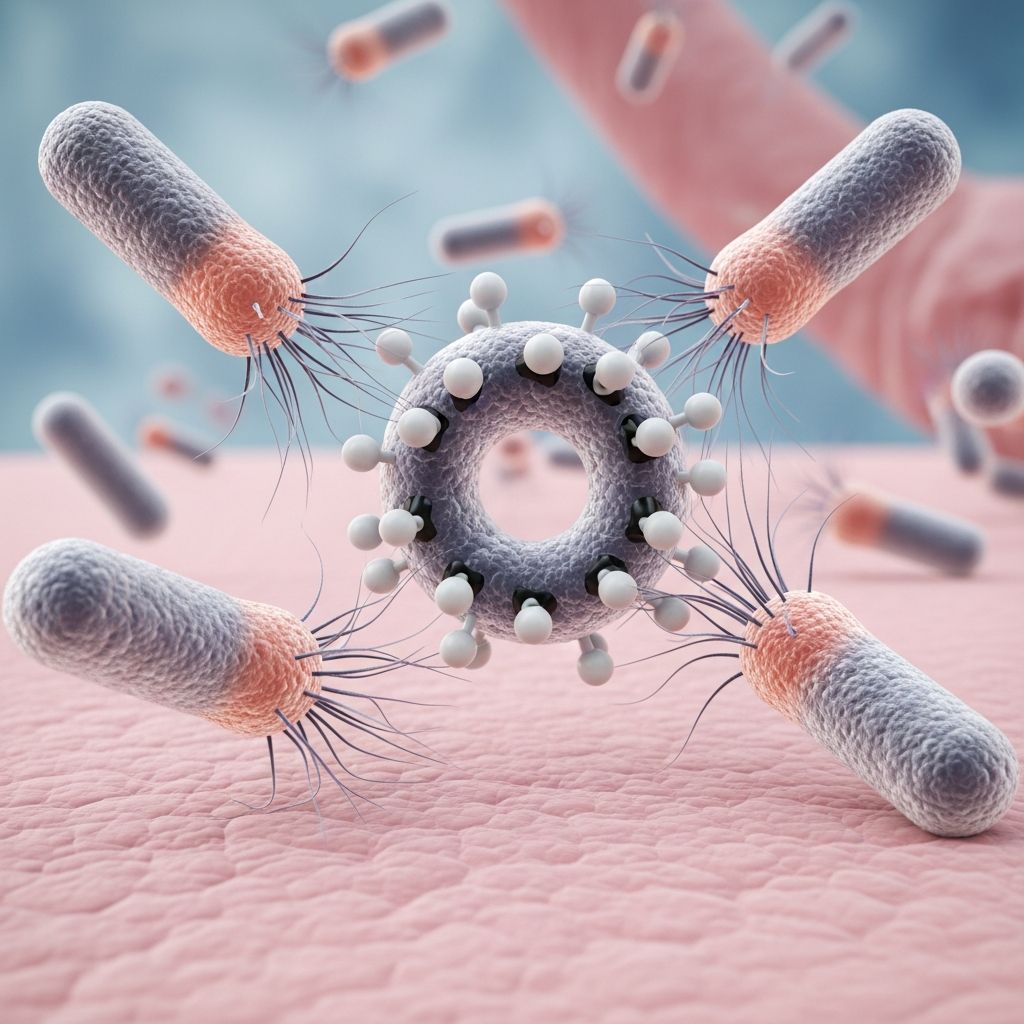
The compound works through a unique mechanism: it may prevent certain bacteria, particularly E. coli, from adhering to the walls of the urinary tract and bladder. This adhesion prevention is crucial because bacteria must attach to bladder cells to establish infection. By blocking this binding process, D-mannose may reduce both the establishment of new infections and the recurrence of chronic UTIs.
How D-Mannose Works Against UTIs
The mechanism of action for D-mannose is distinct from conventional antibiotics. Rather than killing bacteria directly, D-mannose appears to interfere with bacterial attachment mechanisms. Most notably, it targets E. coli bacteria that express type 1 fimbriae—hair-like structures that allow the bacteria to bind firmly to bladder lining cells.
When bacteria cannot adhere to the bladder wall, they cannot establish an infection. Instead, they are naturally flushed out of the urinary tract during urination. This mechanism explains why D-mannose may be effective for both acute infections and prevention of recurrent UTIs. Additionally, emerging research indicates that D-mannose may support the body’s own cellular defense mechanisms, including autophagy—the cellular cleanup process that becomes less efficient with age.
D-Mannose for Acute UTI Treatment
Research examining D-mannose’s effectiveness in treating active urinary tract infections has produced promising results. A 2022 review found that D-mannose effectively treated acute uncomplicated UTIs and prevented recurrent UTIs, with results comparable to antibiotic treatments in several studies. This finding is particularly significant given the growing concern about antibiotic resistance.
In clinical studies, patients using D-mannose monotherapy (treatment with D-mannose alone) for acute urinary cystitis showed substantial improvement in symptoms. After three days of treatment with 1.5 grams twice daily, approximately 85.7% of patients treated with D-mannose monotherapy were assessed as healed, compared to 56.6% in groups combining D-mannose with antibiotics. This suggests that in certain cases, D-mannose alone may provide effective symptom relief.
The types of symptoms that improved with D-mannose treatment include:
- Pain and burning during urination
- Urinary frequency and urgency
- Pelvic discomfort
- General malaise associated with infection
D-Mannose for Prevention of Recurrent UTIs
Perhaps the most compelling use of D-mannose is in preventing recurrent urinary tract infections. Multiple clinical trials have demonstrated that D-mannose supplementation can significantly reduce the risk of UTI recurrence in women with a history of repeated infections.
Related Stories



A landmark study involving 308 women found that prophylactic use of D-mannose significantly reduced the risk of recurrent UTI and was shown to be as effective as nitrofurantoin, a commonly prescribed antibiotic. In another study tracking patients over six months, those using D-mannose experienced a significantly increased mean time to UTI recurrence—approximately 200 days compared to just 52.7 days in the antibiotic comparison group.
A 2020 systematic review and meta-analysis examining the potential of D-mannose to reduce UTI recurrence in adult women found compelling evidence. The comparison of D-mannose with placebo resulted in a pooled relative risk for recurrent UTI of 0.23, indicating that D-mannose reduced the risk of recurrence by approximately 77% compared to placebo.
D-Mannose and Age-Related UTI Susceptibility
Recent research has revealed an important connection between aging and UTI susceptibility, with D-mannose showing particular promise in this demographic. Aging poses significant challenges to the body’s well-being, including an increased susceptibility to multiple diseases, particularly urinary tract infections.
Researchers at Baylor College of Medicine discovered that the aging urinary tract undergoes cellular-level changes that favor the establishment and recurrence of UTIs. Compared to younger counterparts, aged mice demonstrated more bacterial reservoirs in the urinary tract and increased susceptibility to spontaneous recurrent infections. However, when aged mice were treated with D-mannose, researchers observed remarkable results: the supplement restored autophagy (the body’s cellular cleanup process), mitigated reactive oxygen species (ROS), and reduced urothelial cell shedding.
These findings suggest that mannose supplementation could counter age-associated urothelial dysfunction in humans and help reduce the higher rates of recurring UTIs observed in older age. This is particularly significant because older adults, especially women, experience higher rates of UTI complications and often face challenges with antibiotic tolerance and side effects.
Recommended Dosage and Usage
While D-mannose is available over-the-counter as a dietary supplement, proper dosing is essential for optimal results. In clinical studies examining acute UTI treatment, researchers used specific dosing regimens:
- For acute infection: 1.5 grams twice daily for three days, followed by 1.5 grams once daily for 10 days
- For prevention: 1.5 grams once daily, often taken every other month for six months or as a daily preventative dose
Dosing recommendations may vary depending on individual factors and the specific product formulation. Individuals should consult with healthcare providers before beginning supplementation, particularly those taking other medications or with specific health conditions.
Safety and Side Effects
One of the significant advantages of D-mannose is its excellent safety profile. Research has consistently shown that D-mannose is well-tolerated, with most people experiencing no adverse effects when taking standard doses. Unlike antibiotics, which can cause gastrointestinal upset, allergic reactions, and contribute to antibiotic resistance, D-mannose supplementation appears to produce minimal side effects in most users.
A study examining D-mannose use in patients with multiple sclerosis, a population requiring long-term UTI prevention, reported significant decreases in monthly proven UTIs with no adverse events recorded. Similarly, long-term prophylactic studies found no significant side effects limiting extended D-mannose treatment.
However, it is important to note that higher doses may potentially cause gastrointestinal effects, and more research is needed to fully characterize all long-term effects at various dosages. Individuals with specific health conditions, pregnant women, or those taking medications should consult healthcare providers before starting D-mannose supplementation.
Other Health Applications of D-Mannose
Beyond UTI treatment and prevention, D-mannose has shown promise in several other health applications. Some research suggests potential benefits in reversing effects of metabolic syndrome and supporting intestinal health.
A particularly important application involves carbohydrate-deficient glycoprotein syndrome type 1b, a rare inherited disorder affecting infants and children. Individuals with this condition have a deficiency of specific proteins in the intestines, and dietary supplementation with D-mannose has been shown to reverse symptoms. In these cases, D-mannose improves liver function, lowers blood sugar levels, and helps prevent blood clotting disorders.
Comparing D-Mannose to Antibiotic Treatment
A critical question for many patients is how D-mannose compares to conventional antibiotic therapy. Recent evidence suggests that D-mannose may be a viable alternative in certain situations, though treatment decisions should always be made with healthcare guidance.
A post hoc analysis of clinical data demonstrated that patients using D-mannose as monotherapy for acute uncomplicated cystitis achieved clinical cure rates similar to those receiving antibiotic treatments. Symptom relief after three days was also comparable between D-mannose monotherapy and antibiotics. Furthermore, a 2022 review suggested that while antibiotics are likely to remain the first choice for UTIs in many cases, supplementing with D-mannose may increase overall treatment success.
The key advantages of D-mannose compared to antibiotics include:
- No contribution to antibiotic resistance development
- Minimal side effects in most users
- Natural, plant-derived compound
- Extended duration of effectiveness for prevention
- Lower cost in many cases
- Better tolerability for long-term use
Current Research Status and Limitations
While evidence supporting D-mannose is encouraging, researchers acknowledge that more high-quality clinical trials are needed to fully establish its efficacy and optimal use parameters. Most laboratory studies examining D-mannose work with microorganisms in vitro—on the lab bench—rather than in females with actual symptoms, limiting our understanding of real-world effectiveness.
Additionally, many published studies are relatively small, and not all use identical UTI definitions, making direct comparisons challenging. Researchers emphasize that no official clinical guidelines currently exist for D-mannose use, despite its promising potential. This suggests that while D-mannose shows considerable promise, additional rigorous research is warranted.
Specific areas requiring further investigation include:
- Efficacy for bacterial biofilm infections of the bladder
- Long-term safety at various dosages
- Effectiveness in different demographic populations
- Optimal dosing regimens for various applications
- Combination therapy with other natural remedies
Frequently Asked Questions
Q: How quickly does D-mannose work for UTI symptoms?
A: In clinical studies, significant symptom improvement was observed within three days of starting D-mannose at the standard 1.5-gram dose. However, individual response times may vary depending on infection severity and personal factors.
Q: Can D-mannose be used alongside antibiotics?
A: While some studies examined combined treatment, D-mannose may work independently for acute infections. Consult with a healthcare provider before combining D-mannose with antibiotics to ensure appropriate coordination of treatment.
Q: Is D-mannose suitable for all types of UTIs?
A: D-mannose appears most effective against E. coli infections, which cause the majority of uncomplicated UTIs. It may be less effective against other bacterial pathogens. A urine culture can identify the causative organism.
Q: Can men use D-mannose for UTI prevention?
A: While most clinical research has focused on women, men experiencing recurrent UTIs may also benefit from D-mannose supplementation. Medical consultation is recommended for proper guidance.
Q: Are there any drug interactions with D-mannose?
A: D-mannose has minimal reported interactions, but individuals taking medications for diabetes or other conditions should consult healthcare providers before supplementation.
Q: How long should D-mannose be taken for prevention?
A: Clinical studies have examined prevention periods ranging from several months to six months. Optimal duration depends on individual UTI recurrence patterns and should be determined with healthcare guidance.
References
- D-mannose reduces age-triggered changes in urinary tract that increase susceptibility to UTIs — Baylor College of Medicine. 2024. https://www.bcm.edu/news/d-mannose-reduces-age-triggered-changes-in-urinary-tract-that-increase-susceptibility-to-utis
- D-Mannose For UTI: Dosage, Benefits, Side Effects — LiveUTIFree. 2024. https://liveutifree.com/d-mannose-for-uti/
- D-mannose: Uses, UTIs, benefits, and risks — Medical News Today. 2022. https://www.medicalnewstoday.com/articles/323938
- Why d-Mannose May Be as Efficient as Antibiotics in the Treatment of Acute Uncomplicated Cystitis — National Center for Biotechnology Information. 2022. https://pmc.ncbi.nlm.nih.gov/articles/PMC8944421/
- d-Mannose for Prevention of Recurrent Urinary Tract Infection in Women: A Randomized Clinical Trial — JAMA Internal Medicine. 2024. https://jamanetwork.com/journals/jamainternalmedicine/fullarticle/2817488
- Can D-Mannose Treat or Prevent UTIs? — Healthline. 2024. https://www.healthline.com/health/d-mannose-for-uti
Similar Articles








Read full bio of medha deb