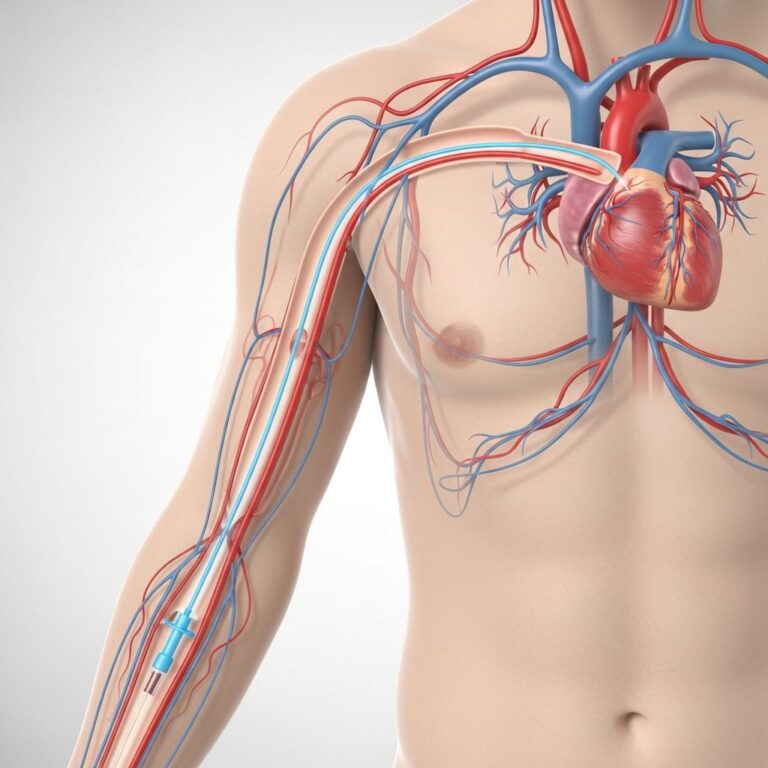
Dabigatran: 5 Essential Facts Patients Need
Comprehensive guide to dabigatran, the anticoagulant that prevents strokes and blood clots with predictable effects and minimal monitoring.
Dabigatran, marketed as Pradaxa, serves as an effective oral anticoagulant to lower the risk of stroke and systemic blood clots, particularly in individuals with nonvalvular atrial fibrillation. It also addresses deep vein thrombosis and pulmonary embolism by directly targeting thrombin in the clotting process.
Understanding the Role of Dabigatran in Blood Clot Prevention
Blood clots can lead to severe complications like strokes or embolisms, especially in patients with irregular heart rhythms or post-surgical recovery. Dabigatran etexilate, the prodrug form, converts into active dabigatran in the body, providing reliable anticoagulation without the frequent blood tests required for alternatives like warfarin.
This medication fits into modern treatment strategies for thrombotic conditions, offering predictable effects due to its direct mechanism. Approved by regulatory bodies such as the FDA in 2010, it has become a cornerstone for managing venous thromboembolism (VTE) in both adults and children.
How Dabigatran Functions at the Molecular Level
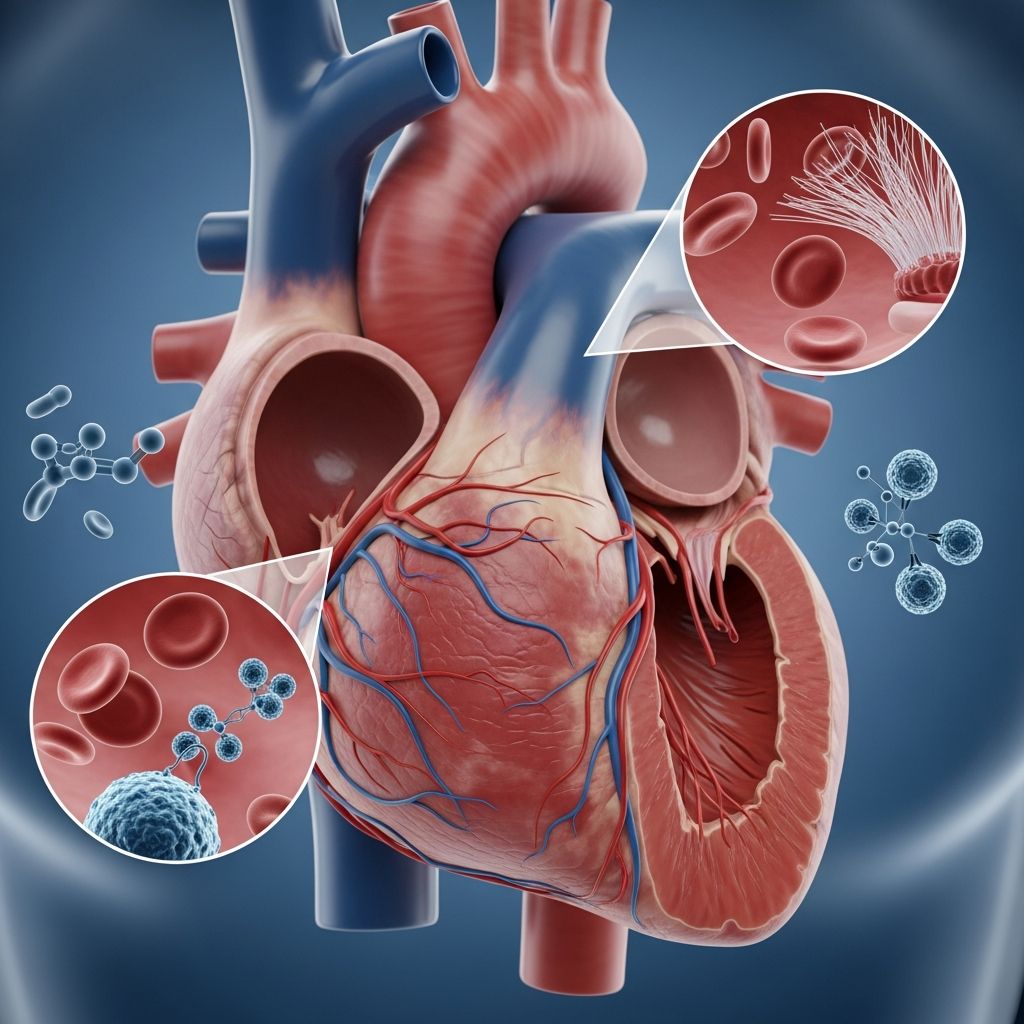
Dabigatran acts as a reversible, competitive inhibitor of thrombin, a key enzyme in the coagulation cascade. Thrombin converts fibrinogen to fibrin, essential for clot formation; by binding to thrombin’s active site with high affinity (Ki of 4.5 ± 0.2 nmol/L), dabigatran halts this process, preventing excessive clotting.
Unlike indirect anticoagulants, it inhibits both free and clot-bound thrombin, potentially aiding fibrinolysis—the breakdown of clots. Its metabolites also contribute to anticoagulant activity, enhancing efficacy. This targeted action balances hemostasis, reducing thrombosis risk while preserving some physiological clotting functions.
Primary Medical Applications
- Stroke Prevention in Atrial Fibrillation: Reduces stroke and embolism risk in adults with nonvalvular atrial fibrillation.
- Treatment of DVT and PE: Manages deep vein thrombosis and pulmonary embolism after initial parenteral therapy.
- Recurrent VTE Prevention: Lowers chances of clot recurrence in previously affected patients.
- Post-Surgical Prophylaxis: Prevents DVT/PE following hip replacement surgery.
- Pediatric Use: Treats VTE and prevents recurrence in children from birth to under 18 years, with specific formulations like pellets for younger patients.
Clinical trials like RE-LY demonstrated its noninferiority or superiority to warfarin for stroke prevention in atrial fibrillation.
Dosing Recommendations Across Patient Groups
Dabigatran dosing varies by indication, age, weight, and kidney function. Capsules and pellets provide flexible administration.
| Indication | Adult Dose | Pediatric Dose (Examples) |
|---|---|---|
| Nonvalvular Atrial Fibrillation | 75-150 mg twice daily | Determined by doctor |
| DVT/PE Treatment & Prevention | 150 mg twice daily | Weight-based; e.g., >81 kg: 260 mg twice daily |
| Post-Hip Replacement | 110 mg first dose, then 220 mg daily for 28-35 days | Not applicable |
| Pediatric VTE (Pellets, 2-12 years) | N/A | >41 kg: 260 mg twice daily |
Adjust for renal impairment; avoid in severe cases (CrCl <30 mL/min). Take with food for better absorption, and store properly to maintain potency.
Recognizing and Managing Potential Side Effects
The primary concern with dabigatran is bleeding risk, including gastrointestinal hemorrhage, which may present as black stools or severe headaches. Other effects include indigestion or dyspepsia.
- Major Bleeding Signs: Unusual bruising, blood in urine/stool, prolonged bleeding from cuts.
- Common Mild Effects: Stomach upset, nausea.
Related Stories



In emergencies, use idarucizumab (Praxbind) as a specific reversal agent. Discontinue before surgery if possible, resuming post-hemostasis.
Critical Precautions and Contraindications
Avoid in patients with active bleeding, prosthetic heart valves, or severe renal failure. Use caution with P-gp inhibitors like ketoconazole, which increase exposure.
- Pregnancy: Limited data; not recommended.
- Breastfeeding: Avoid due to excretion in milk.
- Elderly: Higher bleeding risk; start lower dose.
- Kidney Monitoring: Assess CrCl regularly.
Handle capsules carefully—do not crush or open, as this affects release.
Practical Tips for Daily Management
Consistency is key: Take at the same times daily. If a dose is missed by less than 6 hours, take it soon; otherwise, skip and resume schedule. Spill cleanup requires immediate disposal of affected capsules.
Monitor for interactions with NSAIDs, SSRIs, or other anticoagulants. Inform all healthcare providers of dabigatran use before procedures.
Special Considerations for Children
For pediatric patients, oral pellets suit younger children (from 2 months for VTE treatment post-parenteral therapy). Dosing relies on body weight, with capsules for ages 8-18 years. Ensure accurate weighing and parental anticoagulant pretreatment.
Comparing Dabigatran to Other Anticoagulants
| Feature | Dabigatran | Warfarin | Other DOACs |
|---|---|---|---|
| Monitoring | None required | INR frequent | None |
| Onset | Rapid | Slow | Rapid |
| Reversal | Idarucizumab | Vitamin K/PCC | Specific agents |
| Diet Interactions | Minimal | High (Vitamin K) | Minimal |
Dabigatran offers advantages in predictability and convenience.
Frequently Asked Questions (FAQs)
What if I miss a dose of dabigatran?
Take it within 6 hours of the missed time; otherwise, skip and continue normally. Do not double dose.
Can I drink alcohol while on dabigatran?
Moderate alcohol is generally okay but increases bleeding risk; limit intake and consult your doctor.
Does dabigatran require refrigeration?
Store unopened bottles at room temperature; opened bottles need refrigeration and use within 30 days.
Is dabigatran safe for long-term use?
Yes, for indicated conditions, with regular renal function checks to manage risks.
How does dabigatran differ from aspirin?
Dabigatran is a stronger anticoagulant for clot prevention; aspirin is milder antiplatelet therapy.
Patient Experiences and Clinical Evidence
Real-world data supports dabigatran’s efficacy, with lower intracranial hemorrhage rates versus warfarin in atrial fibrillation patients. Pediatric approvals expand access for young VTE patients.
References
- Dabigatran (oral route) – Side effects & dosage — Mayo Clinic. 2023-10-01. https://www.mayoclinic.org/drugs-supplements/dabigatran-oral-route/description/drg-20074611
- Dabigatran etexilate: Uses, Interactions, Mechanism of Action — DrugBank. 2024-05-15. https://go.drugbank.com/drugs/DB06695
- Dabigatran Etexilate Accord — European Medicines Agency (EMA). 2023-11-20. https://www.ema.europa.eu/en/medicines/human/EPAR/dabigatran-etexilate-accord
- Dabigatran (Pradaxa) — PMC – NIH. 2021-03-15. https://pmc.ncbi.nlm.nih.gov/articles/PMC7966436/
- Pradaxa (dabigatran): Uses, Side Effects, Dosage & More — GoodRx. 2024-02-10. https://www.goodrx.com/pradaxa/what-is
Similar Articles








Read full bio of medha deb