Dactylitis (Sausage Fingers): Causes, Symptoms & Treatment
Understand the causes, symptoms, and treatments for dactylitis, commonly known as sausage fingers.
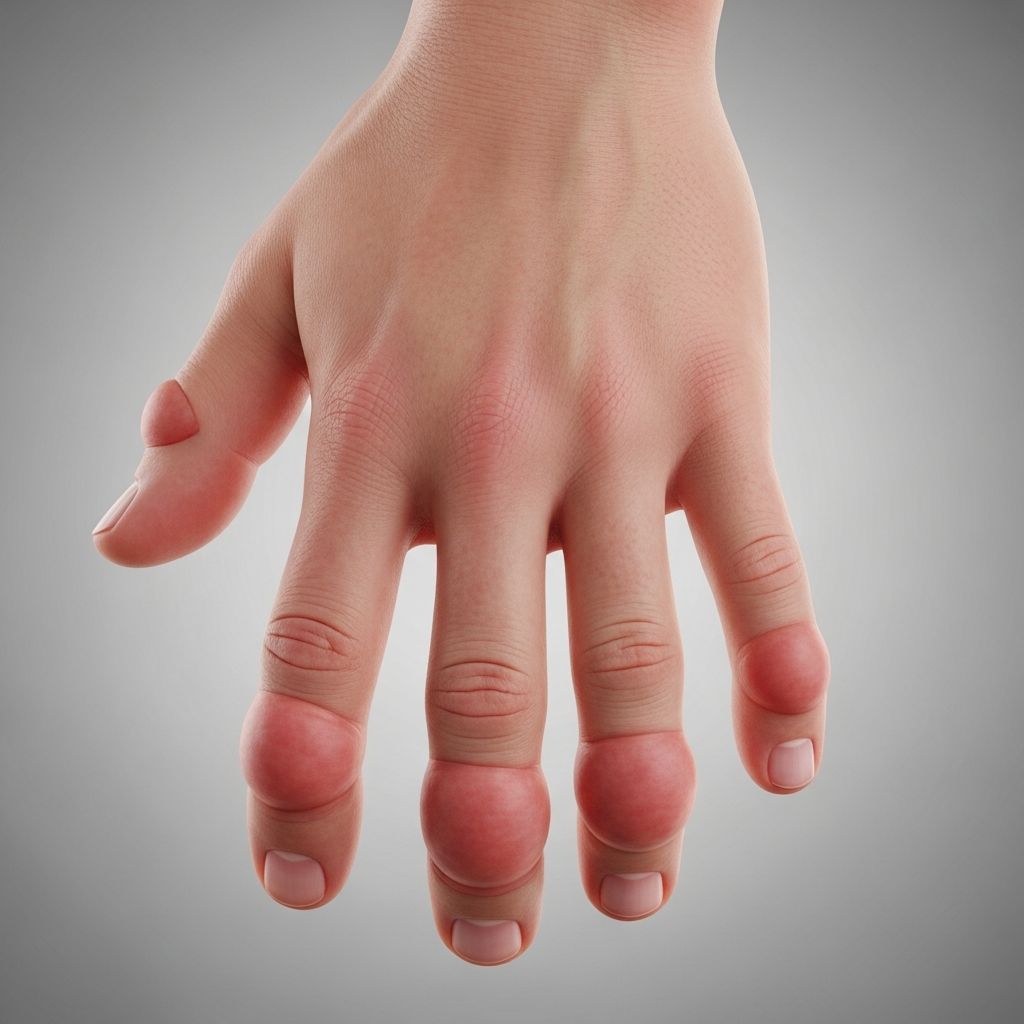
What Is Dactylitis (Sausage Fingers)?
Dactylitis, commonly referred to as sausage fingers or sausage toes, is a medical condition characterized by significant swelling in one or more fingers or toes. This swelling can make the affected digits appear sausage-like and is often accompanied by pain, warmth, and difficulty moving the area. Dactylitis is not a disease itself but rather a symptom of an underlying condition, most commonly arthritis or other autoimmune diseases. In rare cases, it can also be caused by infections.
Common Causes of Dactylitis
Dactylitis is most frequently associated with inflammatory conditions, particularly those involving the joints and immune system. The most common causes include:
- Arthritis: Any type of arthritis can lead to dactylitis, including psoriatic arthritis, rheumatoid arthritis, and reactive arthritis. Psoriatic arthritis is especially known for causing sausage-like swelling in the fingers and toes.
- Autoimmune Diseases: Conditions such as lupus, sarcoidosis, and reactive arthritis can also trigger dactylitis. These diseases cause the immune system to attack healthy tissues, leading to inflammation and swelling.
- Infections: Although less common, infections can cause dactylitis. Bacterial infections such as Streptococcus or Staphylococcus can lead to swelling, especially if there is an opening in the skin. Blistering distal dactylitis (BDD) is a specific type of bacterial infection that affects the fat pads under the skin at the base of the fingers, usually in children.
- Sickle Cell Disease: In children, dactylitis is a common early sign of sickle cell disease. The swelling is often sudden and can be accompanied by fever and pain.
- Tuberculosis (TB): TB can rarely cause bone inflammation, leading to dactylitis, particularly in children and adolescents.
- Syphilis: In rare cases, syphilis, especially congenital syphilis, can cause dactylitis in infants.
Symptoms of Dactylitis
The primary symptom of dactylitis is swelling in the fingers or toes, which can affect one or multiple digits. Other symptoms may include:
- Pain and tenderness in the affected area
- Warmth and redness
- Difficulty moving the affected digit
- Fever (especially in cases of infection or sickle cell disease)
- General discomfort or malaise
Diagnosis of Dactylitis
Diagnosing dactylitis involves a thorough medical history and physical examination. Your healthcare provider may ask about any underlying conditions, recent infections, or family history of autoimmune diseases. Additional diagnostic tests may include:
- Blood Tests: To check for markers of inflammation, infection, or autoimmune diseases.
- Imaging Studies: X-rays, MRI, or ultrasound may be used to assess the extent of swelling and rule out other conditions.
- Culture Tests: If an infection is suspected, a sample of fluid from the affected area may be taken for culture.
Treatment of Dactylitis
The treatment of dactylitis depends on the underlying cause. Common treatment approaches include:
- Arthritis and Autoimmune Diseases: Medications such as nonsteroidal anti-inflammatory drugs (NSAIDs), corticosteroids, and disease-modifying antirheumatic drugs (DMARDs) may be prescribed to reduce inflammation and manage symptoms.
- Infections: Antibiotics are used to treat bacterial infections. In severe cases, hospitalization may be necessary.
- Sickle Cell Disease: Treatment focuses on managing pain and preventing complications. This may include hydration, pain relief, and sometimes blood transfusions.
- Tuberculosis: Antitubercular therapy is required to treat TB-related dactylitis.
- Syphilis: Antibiotics are used to treat syphilis, and treatment may be more intensive in cases of congenital syphilis.
When to See a Healthcare Provider
It is important to seek medical attention if you experience any symptoms of dactylitis, especially if the swelling is painful, warm, or accompanied by fever. Early diagnosis and treatment can prevent complications and improve outcomes. If you have a known autoimmune disease or are at risk for infections, regular monitoring and prompt reporting of symptoms are crucial.
Complications of Dactylitis
If left untreated, dactylitis can lead to several complications, including:
- Chronic pain and stiffness
- Joint damage
- Permanent deformity
- Spread of infection
- Increased risk of other autoimmune or inflammatory conditions
Prevention of Dactylitis
While not all cases of dactylitis can be prevented, certain measures can help reduce the risk:
Related Stories



- Manage underlying autoimmune diseases with regular medical care and medication.
- Practice good hygiene to prevent infections.
- Stay hydrated and maintain a healthy lifestyle to support overall health.
- Seek prompt medical attention for any signs of infection or inflammation.
Frequently Asked Questions (FAQs)
Q: What is dactylitis?
A: Dactylitis, also known as sausage fingers, is swelling in the fingers or toes that can make them appear sausage-like. It is often a symptom of an underlying condition such as arthritis, autoimmune diseases, or infections.
Q: What are the common causes of dactylitis?
A: The most common causes of dactylitis include arthritis, autoimmune diseases, infections, sickle cell disease, tuberculosis, and syphilis.
Q: What are the symptoms of dactylitis?
A: Symptoms of dactylitis include swelling, pain, warmth, redness, difficulty moving the affected digit, and sometimes fever.
Q: How is dactylitis diagnosed?
A: Dactylitis is diagnosed through a medical history, physical examination, and sometimes blood tests, imaging studies, or culture tests.
Q: How is dactylitis treated?
A: Treatment depends on the underlying cause and may include medications for arthritis or autoimmune diseases, antibiotics for infections, and supportive care for sickle cell disease or other conditions.
Q: When should I see a healthcare provider for dactylitis?
A: You should see a healthcare provider if you experience any symptoms of dactylitis, especially if the swelling is painful, warm, or accompanied by fever.
Q: Can dactylitis lead to complications?
A: Yes, if left untreated, dactylitis can lead to chronic pain, joint damage, permanent deformity, and the spread of infection.
Q: How can I prevent dactylitis?
A: Managing underlying conditions, practicing good hygiene, staying hydrated, and seeking prompt medical attention for any signs of infection or inflammation can help reduce the risk of dactylitis.
References
- Dactylitis (Sausage Fingers): Causes & Common Conditions — Cleveland Clinic. 2023. https://my.clevelandclinic.org/health/symptoms/24764-dactylitis-sausage-fingers
- What causes dactylitis, or sausage fingers? — Medical News Today. 2023. https://www.medicalnewstoday.com/articles/319855
- Dactylitis or “Sausage Finger/Toe” | Causes and Treatments — Orthopaedic Specialists of Central New York. 2023. https://www.osc-ortho.com/blog/dactylitis-or-sausage-finger-toe/
- Dactylitis – DermNet — DermNet NZ. 2023. https://dermnetnz.org/topics/dactylitis
- Dactylitis: implications for clinical practice — PubMed. 1998. https://pubmed.ncbi.nlm.nih.gov/9726335/
Similar Articles








Read full bio of medha deb