Daffodil Dermatitis: Causes, Symptoms, and Prevention
Understanding daffodil-induced skin reactions: clinical manifestations and occupational hazards.
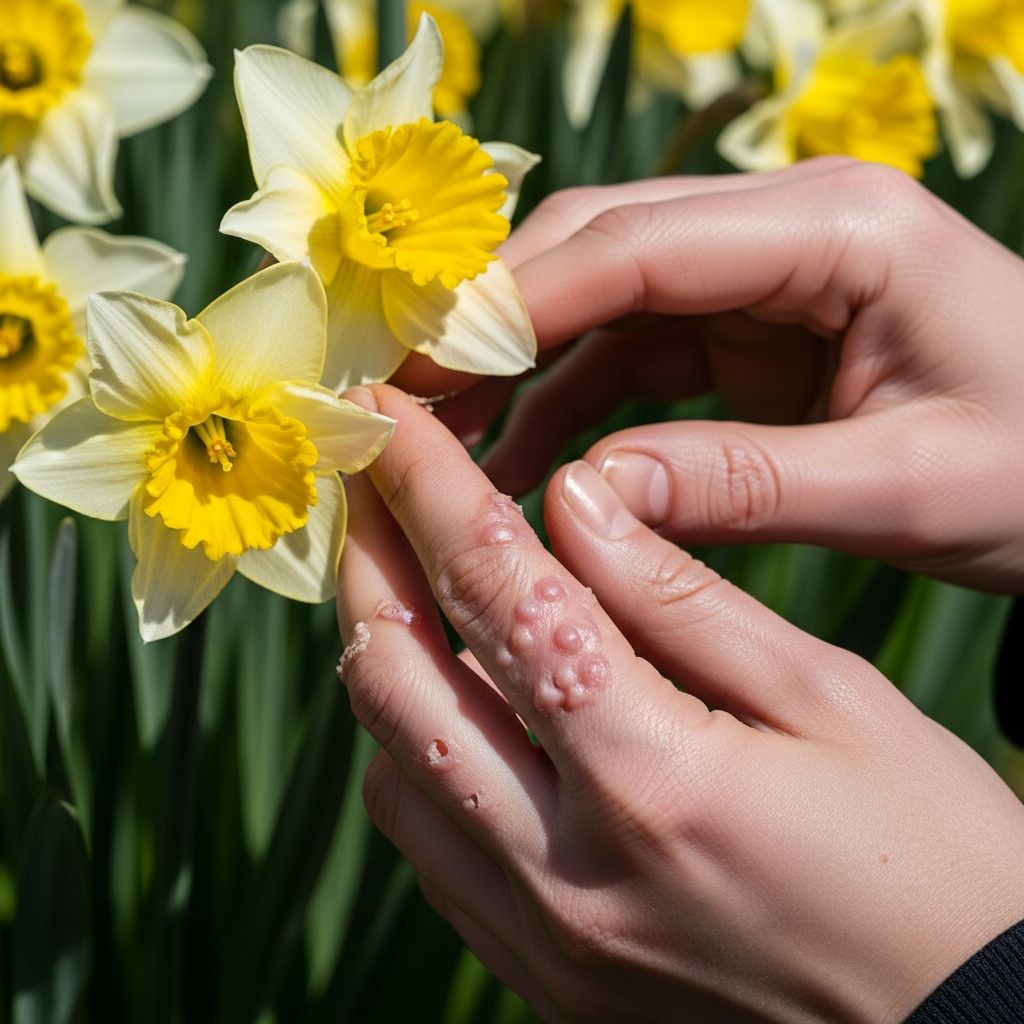
Daffodil Dermatitis: Understanding the Condition
Daffodil dermatitis, also known as lily rash or daffodil-itch, is a dermatological condition resulting from contact with daffodil plants, scientifically known as Narcissus species. Although daffodils are prized for their vibrant beauty and ornamental value, these flowers pose significant occupational and health hazards, particularly to individuals working in the floral and horticultural industries. The condition was first formally described in medical literature in 1910 and remains a notable occupational disease affecting florists, bulb growers, stem pickers, and other flower industry workers. Beyond occupational exposure, daffodils can also trigger reactions in individuals exposed to narcissus-based fragrances and perfumes, demonstrating the widespread potential for this plant to cause dermatological complications.
Types of Allergic and Irritant Reactions
Daffodils and narcissus plants can trigger multiple types of adverse skin and respiratory reactions. Individuals working with or exposed to these plants may experience a range of symptoms extending beyond simple skin irritation. These reactions include allergic rhinoconjunctivitis, which affects the nasal passages and eyes; asthma, which compromises respiratory function; allergic contact dermatitis, a true immune-mediated allergic response; irritant contact dermatitis, resulting from direct chemical exposure; and urticaria, characterized by hives and welts on the skin. In severe cases, exposure to daffodils has resulted in life-threatening complications, underscoring the importance of awareness and preventive measures.
Irritant Contact Dermatitis
Irritant contact dermatitis represents the most common type of dermatological reaction caused by daffodils. This reaction is not truly allergic in nature and can occur in any individual upon contact with the plant sap. Narcissus species are recognized as the most prevalent cause of irritant contact dermatitis among florists and other flower industry professionals. The condition develops through a mechanical and chemical irritation mechanism rather than an immune response, making it universally susceptible regardless of individual predisposition or prior sensitization.
Allergic Contact Dermatitis
While allergic contact dermatitis from daffodil exposure does occur, true contact allergies to narcissus are considerably rare compared to irritant reactions. When allergic contact dermatitis does develop, it involves the immune system’s recognition of specific allergens within the plant, leading to a delayed hypersensitivity response. This type of reaction typically requires prior sensitization and may not occur upon initial contact with the plant.
Chemical Composition and Mechanisms of Irritation
The dermatotoxic properties of daffodils stem from their complex chemical composition. The plant sap contains several potent irritants that work synergistically to produce skin damage and inflammation.
Calcium Oxalate Crystals
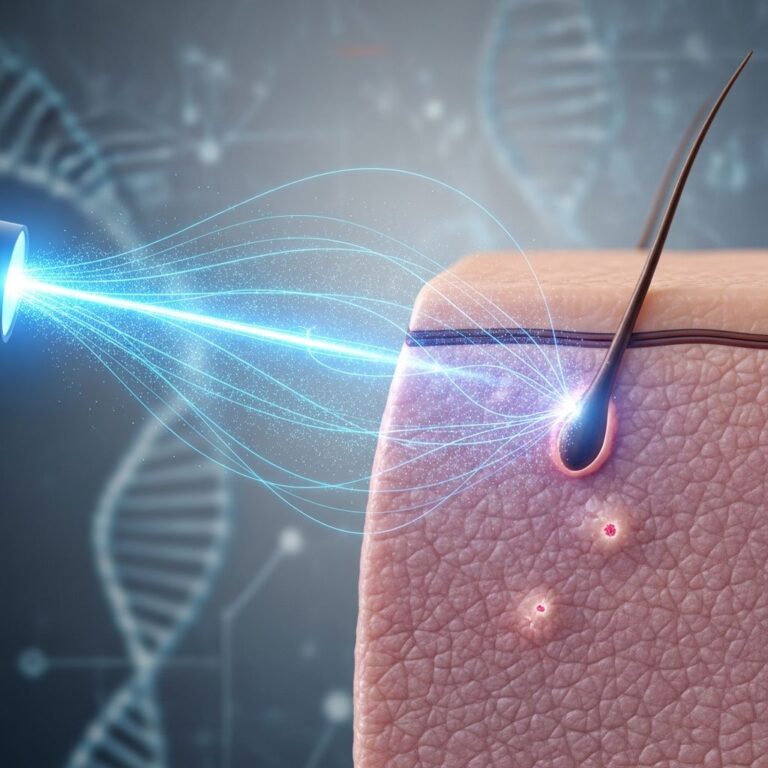
Calcium oxalate crystals represent the primary mechanical irritant within daffodil sap. These needle-shaped crystals, also known as raphides, penetrate the outer layers of the skin, creating microtraumas and tiny fissures. The structure and elongation of these crystals directly correlate with the degree of irritation produced—more elongated crystals containing barbs generate substantially greater irritation than shorter, smoother varieties. The mechanical action of these crystals physically damages the skin barrier, disrupting its protective function and allowing secondary penetration of chemical irritants.
Alkaloids and Toxic Compounds
Beyond the mechanical damage caused by calcium oxalate crystals, daffodil sap contains numerous alkaloid compounds, including masonin and homolycorin. Additionally, the plants contain chellidonic acid, present in concentrations up to 2%. These chemical irritants exert direct toxic effects on the epidermis and can penetrate through microtraumas created by the calcium oxalate crystals, establishing a pathway for deeper tissue damage. The combination of mechanical injury and chemical toxicity produces the characteristic clinical presentation of daffodil dermatitis.
Related Stories



Clinical Manifestations and Symptoms
The clinical presentation of daffodil dermatitis varies depending on the severity of exposure and individual susceptibility. The rash typically manifests within hours to days of contact with narcissus sap.
Early Presentation
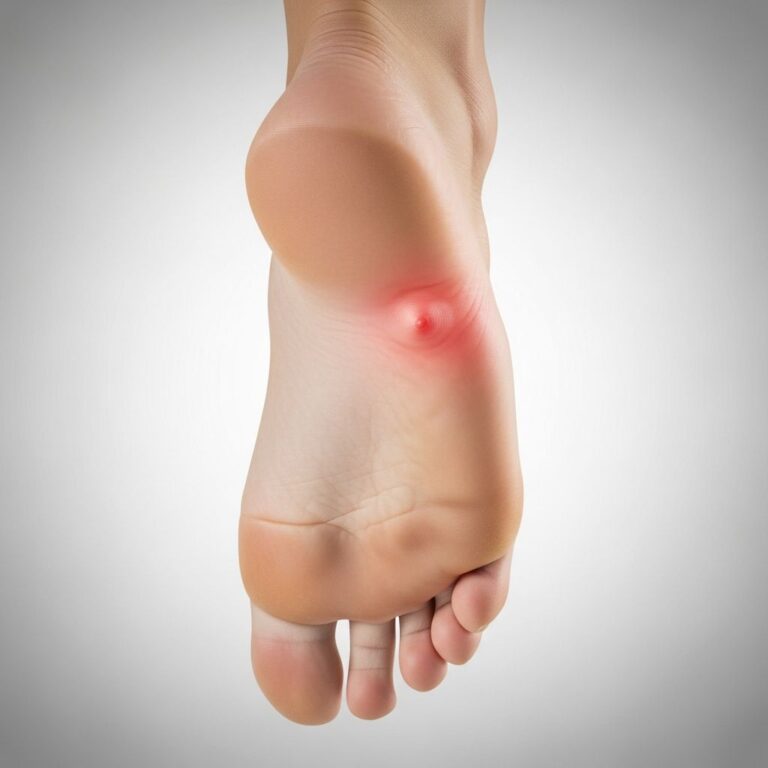
The typical rash presents initially with dryness, fissuring, scaling, and erythema (redness) of the fingertips, hands, and forearms. These are the primary areas of contact during handling and picking of daffodil flowers. Subungual hyperkeratosis, characterized by abnormal thickening of the skin beneath the nails, frequently develops. The affected skin often becomes rough and develops visible cracks and peeling.
Progressive Symptoms
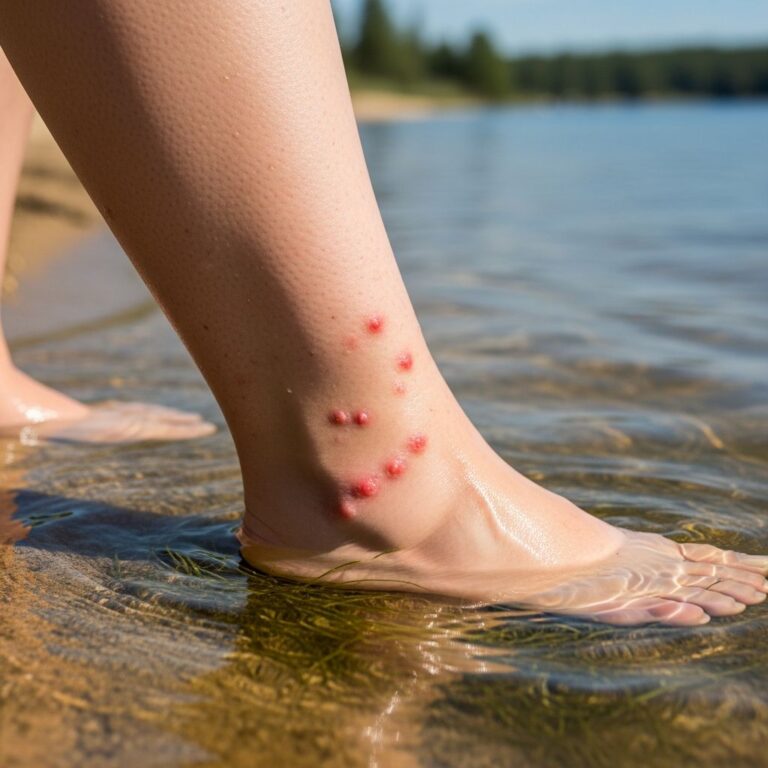
As the dermatitis progresses, more severe lesions may appear, including vesicles (small fluid-filled blisters) and pustules (pus-filled lesions). In some cases, the rash extends beyond the initial contact areas to affect the face, neck, and other body regions, particularly if contaminated hands touch these areas. Delayed hyperpigmentation may develop one to two weeks after initial exposure, leaving dark spots or discoloration on previously affected skin. In occupationally exposed individuals with repeated exposure, chronic changes including thickening and permanent alterations to skin texture may occur.
Temporal Evolution
Acute redness typically resolves within one to three days following exposure cessation, though healing of deeper skin damage may require longer. The hyperpigmentation that develops as a delayed reaction may persist for weeks or months, gradually fading with time and proper skin care.
Narcissus Species Variation
Not all narcissus species produce equivalent dermatological irritation. Research demonstrates significant variation in the irritant potential among different Narcissus varieties. Narcissus tazetta (Chinese sacred lily) rarely causes notable skin irritation, making it considerably safer for handling. In contrast, Narcissus pseudonarcissus, the common daffodil, produces remarkably severe skin irritation, making it one of the most problematic species for occupational exposure. This variation reflects differences in the concentration and composition of irritant compounds and crystal structure among species.
Occupational Exposure and At-Risk Groups
While daffodil dermatitis can theoretically affect anyone handling the plants, specific occupational groups face significantly elevated risk due to frequent and intensive exposure:
- Florists – Handle cut daffodil stems and flowers during arrangement and sale
- Bulb growers – Cultivate and harvest daffodil bulbs, experiencing prolonged contact with plant material
- Stem pickers – Harvest daffodil flowers in commercial settings, often for extended periods
- Horticulturists – Manage daffodil plantings and propagation in gardens and nurseries
- Fragrance workers – Individuals handling narcissus oil used in perfume and fragrance production
For these occupational groups, daffodil dermatitis is recognized as a legitimate occupational disease, and prevention strategies are essential components of workplace safety protocols.
Prevention and Protective Measures
The most effective approach to daffodil dermatitis is prevention through appropriate protective equipment and handling practices.
Personal Protective Equipment
Protective gloves represent the primary preventive measure. Nitrile gloves, latex gloves, or other waterproof materials should be worn during any contact with daffodil plants or cut flowers. Gloves should be selected carefully to ensure complete protection while maintaining adequate dexterity for handling flowers. In addition to gloves, protective clothing including long sleeves and forearm protectors should be worn to prevent sap contact with exposed skin. For workers handling large quantities of daffodils, full-body protective clothing may be appropriate.
Workplace Practices
Beyond personal protective equipment, workplace practices should include:
- Minimizing unnecessary direct contact with plant sap
- Avoiding touching the face while handling daffodils
- Washing hands thoroughly with soap and water immediately after handling the plants
- Changing contaminated clothing promptly
- Ensuring adequate ventilation in work areas to minimize inhalation exposure
- Maintaining clean work surfaces and equipment
Treatment and Management
Once daffodil dermatitis develops, symptomatic management focuses on relief of discomfort and acceleration of healing. Immediate washing of affected areas with soap and water should be performed to remove residual plant material and irritants. Application of emollients and moisturizing creams helps restore the compromised skin barrier. For more severe presentations, topical corticosteroids may be prescribed to reduce inflammation and promote healing. Antihistamines can address pruritus (itching) if present. In cases of secondary bacterial infection of lesions, topical or oral antibiotics may be necessary. Treatment of systemic reactions such as asthma or allergic rhinoconjunctivitis requires appropriate medical intervention specific to those conditions.
Distribution Patterns in Occupational Exposure
The distribution of daffodil picker’s rash directly correlates with the method of harvesting and handling. The characteristic pattern of lesions reflects the points of contact between plant sap and skin during the picking and gathering process. Workers who grasp the stems near the base typically develop dermatitis on the fingertips and palms, while the accumulation of cut flowers in bundles can cause irritation on the inner forearms. Understanding these distribution patterns has helped clarify the occupational transmission of the condition and inform targeted prevention strategies.
Frequently Asked Questions
Q: Can non-occupational individuals develop daffodil dermatitis?
A: Yes, while less common than occupational cases, non-occupational individuals can develop daffodil dermatitis through handling cut daffodil arrangements, gardening, or exposure to narcissus-based fragrances and perfumes. Severity may be lower due to reduced exposure frequency.
Q: Is daffodil dermatitis the same as a true allergy?
A: Daffodil dermatitis is primarily an irritant contact dermatitis, not a true allergy. It can occur in any individual upon sufficient exposure. True allergic contact dermatitis to daffodils is rare and requires prior sensitization.
Q: How long does daffodil dermatitis last?
A: Acute redness typically resolves within one to three days of exposure cessation. However, fissuring and scaling may persist longer, and delayed hyperpigmentation can remain visible for weeks or months.
Q: Are all daffodil varieties equally irritating?
A: No. Narcissus pseudonarcissus (common daffodil) causes significantly more irritation than Narcissus tazetta and other varieties. Variation in irritant compound concentrations and crystal structures accounts for these differences.
Q: Can daffodil exposure cause systemic reactions?
A: Yes, beyond dermatitis, daffodil exposure can cause allergic rhinoconjunctivitis, asthma, urticaria, and in severe cases, life-threatening reactions. Respiratory protection may be necessary in some occupational settings.
Q: What is the best preventive measure for occupational workers?
A: Wearing waterproof protective gloves and appropriate protective clothing during all daffodil handling is the most effective preventive measure. Workplace safety protocols should mandate consistent use of protective equipment.
References
- Botanical Briefs: Daffodils (Narcissus Species) — MDEdge Cutis. 2023. https://mdedge.com/cutis/article/260431/contact-dermatitis/botanical-briefs-daffodils-narcissus-species
- The Nature and Distribution of Daffodil Pickers’ Rash — PubMed Central (NCBI). 1997. https://pubmed.ncbi.nlm.nih.gov/9455627/
- Daffodil Dermatitis — Altmeyers Encyclopedia Department of Allergology. https://www.altmeyers.org/en/allergology/daffodil-dermatitis-132667
- Daffodil — DermNet New Zealand. https://dermnetnz.org/topics/daffodil
- Plants Causing Skin Reactions — Dermatologist Stellenbosch. https://derminstitute.co.za/plants-causing-skin-reactions/
Similar Articles








Read full bio of medha deb