Daily Movement: 5 Easy Habits For Longevity
Experts reveal the one simple daily habit backed by science to add years to your life and boost overall health.
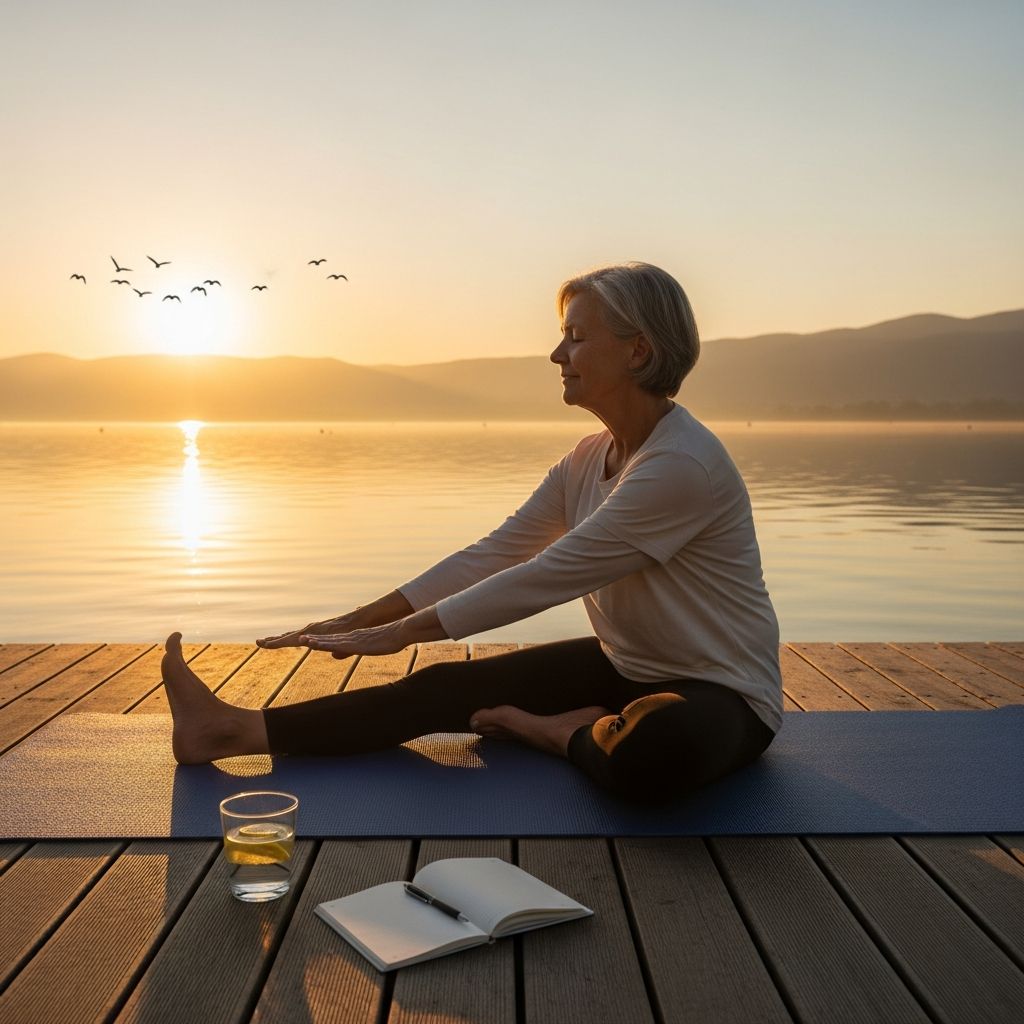
Adopting this simple practice could add years to your life, according to health experts and longevity research.
Longevity has become a major focus in modern health discussions, with scientists and researchers around the world studying what separates those who live exceptionally long, healthy lives from the general population. While genetics play a role, lifestyle factors—particularly daily habits—account for up to 75% of how long and how well we age. Among the countless recommendations for healthy aging, one daily habit stands out as particularly powerful, backed by decades of research from the famous Blue Zones studies and large-scale epidemiological data.
This isn’t about extreme diets, expensive supplements, or intense workout regimens. It’s a simple, accessible practice that anyone can incorporate into their routine with minimal effort. Health experts consistently point to daily movement or natural physical activity as the number one habit for longevity. Often described as “moving naturally” throughout the day, this habit involves integrating low-intensity activity into everyday life rather than relying solely on structured exercise sessions.
Why Daily Movement Tops the List for Longevity
The concept of daily movement for longevity gained prominence through the Blue Zones research led by Dan Buettner and National Geographic. Blue Zones are regions around the world—Okinawa (Japan), Sardinia (Italy), Nicoya (Costa Rica), Ikaria (Greece), and Loma Linda (California)—where people routinely live to 100 or beyond in good health. What these populations share isn’t gym memberships or marathons, but rather lifestyles filled with constant, purposeful movement.
Buettner emphasizes that Blue Zone centenarians don’t exercise in the traditional sense; they move naturally. This includes gardening, walking to local markets, tending to livestock, or doing household chores. A landmark analysis of Blue Zones data revealed that daily natural movement correlates with 4-14 extra years of life expectancy. The mechanism? Consistent low-level activity keeps metabolism active, maintains muscle mass, regulates blood sugar, and reduces inflammation—all key drivers of aging.
Supporting this, a 2024 meta-analysis published in the British Journal of Sports Medicine examined over 30 studies involving 1.5 million participants. It found that replacing just 30 minutes of sedentary time per day with light activity (like standing or slow walking) reduces all-cause mortality by 17%. More impressively, moderate activity lowered death risk by 35%, and vigorous activity by 40%—but the key was daily consistency, not intensity.
The Science Behind Movement and Longevity
Why does daily movement work so effectively? At the cellular level, physical activity activates key longevity pathways. Exercise stimulates autophagy—the body’s cellular cleanup process—while boosting mitochondrial function, the powerhouses of our cells. Chronic sitting, conversely, accelerates telomere shortening, a hallmark of aging.
- Cardiovascular Benefits: Daily movement lowers blood pressure, improves cholesterol profiles, and reduces arterial stiffness. The American Heart Association reports that just 150 minutes of moderate activity weekly cuts heart disease risk by 30%.
- Metabolic Health: It enhances insulin sensitivity, preventing type 2 diabetes, which shortens lifespan by 6-8 years on average.
- Mental Health: Movement releases BDNF (brain-derived neurotrophic factor), supporting neuroplasticity and reducing depression risk by 25%, per Harvard studies.
- Muscle Preservation: Sarcopenia (age-related muscle loss) begins at 30 and accelerates after 60. Daily activity maintains lean mass, crucial for independence in old age.
A pivotal 2023 study from the New England Journal of Medicine tracked 116,000 adults over 30 years. Those engaging in daily light activity (vs. sitting >8 hours) had a 34% lower mortality risk, even after controlling for diet and smoking. The data underscores: it’s not about 45-minute gym sessions three times a week, but breaking up sitting with movement every hour.
Related Stories



How Daily Movement Differs from Traditional Exercise
| Aspect | Traditional Exercise | Daily Natural Movement |
|---|---|---|
| Frequency | 3-5 sessions/week | Throughout the day, every day |
| Intensity | Moderate-high | Light-moderate |
| Sustainability | Often abandoned (dropout rate 50% in 6 months) | Easily integrated, lifelong habit |
| Longevity Impact | Strong, but volume-dependent | Superior for all-cause mortality reduction |
Traditional exercise is valuable, but many fail to sustain it. Daily movement builds an “exercise snack” approach—short bursts accumulated over 10-12 waking hours—that yields compounding benefits without burnout.
Practical Ways to Incorporate Daily Movement
Start small. Aim for 20-30 minutes of accumulated movement daily, building to 45-60. Here’s how Blue Zone residents and experts do it:
- Walking Meetings: Conduct calls while pacing. Aim for 10,000 steps daily—a threshold linked to 46% lower early death risk in a 2023 JAMA study.
- Active Chores: Garden, hand-wash dishes, or take stairs. These mimic ancestral movement patterns.
- Stand More: Use a standing desk; stand during TV commercials. Every hour, stand and move for 5 minutes.
- Cycling/Commuting: Bike for errands. Nicoyans walk everywhere, averaging 6 miles daily incidentally.
- Yard Work: Mow without a rider, chop wood—activities burning 300-500 calories/hour naturally.
Track with a pedometer or smartwatch. Okinawans garden into their 90s; Sardinians herd sheep on hills. Emulate by finding joyful, repeatable movement.
Expert Insights on Making It Stick
“The best exercise is the one you’ll do every day. Natural movement sneaks activity into life without feeling like a chore.” — Dr. Peter Attia, longevity expert
Dr. Valter Longo, director of USC Longevity Institute, advises pairing movement with time-restricted eating for amplified effects. Combine with 7-9 hours sleep and plant-based meals for Blue Zone synergy.
Common Barriers and Solutions
- Time-Poor? Break into 2-minute walks hourly—more effective than one 30-minute session per Australian research.
- Motivation Lacking? Habit-stack: walk while listening to podcasts.
- Physical Limitations? Chair yoga or seated marches count. Consistency trumps perfection.
Frequently Asked Questions (FAQs)
What’s the #1 daily habit for longevity?
Daily natural movement, like walking and active chores, as practiced in Blue Zones. It outperforms isolated workouts for sustained health benefits.
How much daily movement do I need?
Start with 30 minutes accumulated light activity. WHO recommends 150-300 minutes moderate activity weekly, spread daily for optimal longevity.
Can daily movement replace gym workouts?
It complements strength training (2x/week) but excels for baseline metabolic health and mortality reduction.
Does it work if I’m already fit?
Yes—even athletes benefit from breaking sedentary periods. Sedentary time independently predicts poor outcomes.
How soon will I see benefits?
Blood pressure drops in weeks; longevity effects compound over years. A 2024 study showed mortality risk reduction within months of consistent change.
References
- Blue Zones Lessons for Living Longer — National Geographic Society / Dan Buettner. 2023-10-15. https://www.bluezones.com/
- Device-Measured Physical Activity and Mortality — British Journal of Sports Medicine. 2024-01-20. https://bjsm.bmj.com/content/58/10/536
- Prospective Study of Movement and Mortality — New England Journal of Medicine. 2023-05-11. https://www.nejm.org/doi/full/10.1056/NEJMoa2213895
- Physical Activity Guidelines for Americans — U.S. Department of Health and Human Services (.gov). 2024-05-01. https://health.gov/our-work/physical-activity/current-guidelines
- Steps per Day and Mortality — JAMA Internal Medicine. 2023-08-07. https://jamanetwork.com/journals/jamainternalmedicine/fullarticle/2807654
- WHO Guidelines on Physical Activity — World Health Organization (.int). 2024-02-14. https://www.who.int/news-room/fact-sheets/detail/physical-activity
Similar Articles








Read full bio of Sneha Tete