Daily Low-Dose Aspirin Anemia Risk Older Adults
New research reveals daily low-dose aspirin raises anemia risk by 20% in adults over 65, prompting calls for hemoglobin monitoring.
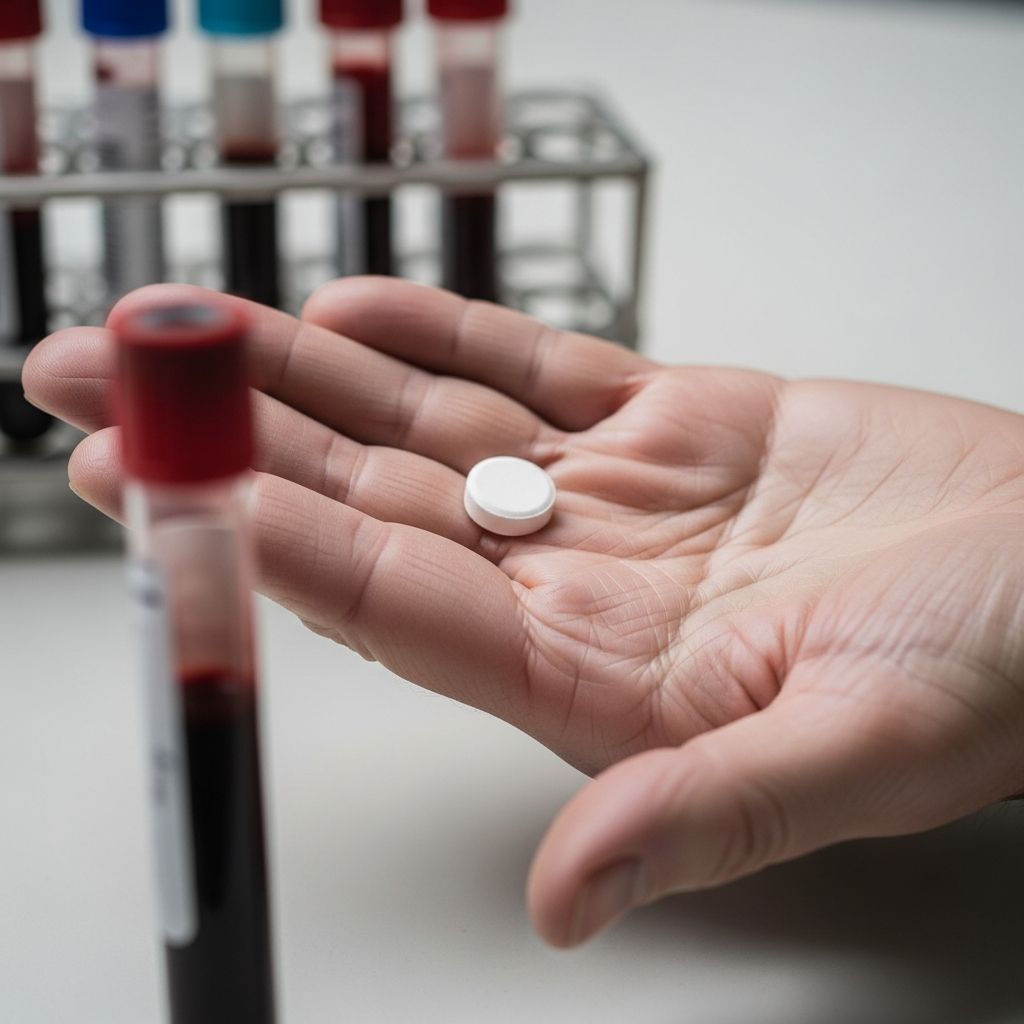
Recent findings from a large-scale clinical trial indicate that daily low-dose aspirin use significantly elevates the risk of anemia in individuals aged 65 and older. Researchers report a 20% increased likelihood compared to placebo, highlighting the need for careful consideration and monitoring in preventive cardiovascular therapy.
What the Study Found
The Aspirin in Reducing Events in the Elderly (ASPREE) trial, involving 19,114 healthy older adults from the U.S. and Australia, provided robust evidence on aspirin’s effects. Participants, averaging 70 years old, were randomized to receive either 100 mg of daily aspirin or a placebo for a median of 4.8 years. The primary analysis revealed that aspirin users developed anemia at a rate of 51.2 cases per 1,000 person-years, versus 42.9 in the placebo group—a hazard ratio of 1.20 (95% CI, 1.12-1.29).
Over five years, 24% of aspirin recipients developed anemia, compared to 20% in the placebo arm. Hemoglobin levels dropped more sharply in the aspirin group (1.29 g/dL decline) than placebo (0.92 g/dL). This decline persisted even after accounting for major bleeding events, suggesting additional mechanisms beyond overt hemorrhage.
- Key Statistics: 20% higher anemia incidence with aspirin.
- Independent of major bleeds; effect seen across healthy older populations.
- Ferritin levels, an iron store marker, also declined more in aspirin users.
Anemia, defined as hemoglobin below 13 g/dL in men or 12 g/dL in women, affects oxygen transport and is linked to fatigue, cognitive decline, and higher mortality in seniors.
Why Does Aspirin Increase Anemia Risk?
Aspirin, a non-steroidal anti-inflammatory drug (NSAID), irreversibly inhibits cyclooxygenase-1 (COX-1), reducing thromboxane A2 production and impairing platelet aggregation. This antiplatelet effect prevents clots but also heightens bleeding propensity.
The primary mechanism for anemia appears to be occult gastrointestinal (GI) bleeding. Chronic low-level blood loss from aspirin-induced mucosal damage depletes iron stores, impairing hemoglobin synthesis. Even low doses (100 mg) erode the gastric mucus barrier, increasing vulnerability to acid and causing micro-ulcers.
Supporting evidence includes prior endoscopic studies showing aspirin causes gastric ulcers at doses as low as 10 mg daily. One expert noted, “no orally administered aspirin dose is both an effective anti-platelet agent and without GI adverse effects.”
| Mechanism | Description | Impact on Anemia |
|---|---|---|
| Platelet Inhibition | Reduces clotting, prolongs bleeding time | Chronic GI blood loss |
| Mucosal Damage | Weakens stomach lining protection | Iron-deficiency anemia |
| Hemoglobin Decline | Observed 4.2 g/L drop over 5 years | Functional impairment |
Other anemia contributors like nutrient deficiencies exist, but the trial’s controlled design strengthens the aspirin-GI bleed link.
Current Guidelines on Daily Aspirin Use
Daily aspirin recommendations have evolved amid bleeding risks. The U.S. Preventive Services Task Force (USPSTF) now advises against initiating low-dose aspirin for primary cardiovascular prevention in adults 60+ due to bleeding outweighing benefits in many cases.
For secondary prevention—post-heart attack or stroke—aspirin remains standard, but with monitoring. The American College of Cardiology/American Heart Association guidelines endorse it for high-risk patients, balancing individualized risks.
- Primary prevention: Generally not recommended for >60 years.
- Secondary prevention: Continue if tolerated, monitor hemoglobin.
- Over 40% of U.S. seniors still use it routinely.
Who Should Be Concerned?
Anyone 65+ on daily aspirin faces elevated risk, especially with:
- History of GI issues or ulcers.
- Concurrent NSAID/ anticoagulant use.
- Low baseline hemoglobin or iron deficiency.
Not all users develop anemia—absolute risk increase is modest (8% over 5 years)—but cumulative effects matter. Women and those with frailty may be more susceptible due to lower iron reserves.
Related Stories



What Should You Do If Taking Daily Aspirin?
Consult your physician before changes. Key steps include:
- Monitor hemoglobin: Routine blood tests every 6-12 months recommended.
- Assess necessity: Is it for primary or secondary prevention?
- Mitigate risks: Proton pump inhibitors (PPIs) like omeprazole may reduce GI bleeding by 70-90% in high-risk patients.
- Lifestyle support: Iron-rich diet (spinach, red meat), vitamin C for absorption.
Sudden cessation risks rebound clotting; taper under guidance.
Expert Insights and Limitations
Jamie Alan, Ph.D., notes aspirin’s inflammation-suppressing action indirectly promotes bleeds by diminishing protective gastric responses. David Cutler, M.D., emphasizes individualized risk: “Not everyone develops anemia, but chronic loss depletes iron over time.”
Trial limits: No anemia etiology data; healthy cohort may underestimate real-world risks. Long-term data reinforces prior meta-analyses showing small but significant links.
Frequently Asked Questions (FAQs)
What is the anemia risk with daily low-dose aspirin?
A: Adults 65+ face a 20% higher risk; 24% develop it over 5 years vs. 20% on placebo.
Does aspirin cause anemia directly?
A: No direct cause proven, but strong link via GI bleeding leading to iron deficiency.
Should I stop taking daily aspirin?
A: Do not stop without doctor advice; used for secondary prevention. Monitor hemoglobin instead.
Who benefits most from daily aspirin?
A: Those with prior heart events/strokes; not routine primary prevention in seniors.
How to prevent aspirin-related anemia?
A: Regular blood tests, PPIs if high-risk, iron supplementation if deficient.
Broader Implications for Senior Health
Anemia exacerbates falls, hospitalization, and mortality in older adults. ASPREE findings challenge aspirin’s blanket use, urging precision medicine. Future research explores alternatives like P2Y12 inhibitors with better GI profiles.
Healthy aging prioritizes evidence-based choices: weigh CVD protection against bleeding/anemia trade-offs. Shared decision-making empowers patients.
References
- Taking a Daily Aspirin Could Heighten Anemia Risk in Older Adults — Prevention.com. 2023-07-17. https://www.prevention.com/health/a44266790/daily-aspirin-anemia-risk-study/
- Low-dose aspirin may increase risk of anemia in older adults — National Institutes of Health (NIH). 2023-06-20. https://www.nih.gov/news-events/news-releases/low-dose-aspirin-may-increase-risk-anemia-older-adults
- Gastrointestinal bleeding from low-dose aspirin may increase risk of anemia in older adults — American Pharmacists Association. 2023-07-01. https://www.pharmacist.com/Blogs/CEO-Blog/Article/gastrointestinal-bleeding-from-low-dose-aspirin-may-increase-risk-of-anemia-in-older-adults
- Effect of Low Dose Aspirin versus Placebo on Incidence of Anemia in the Elderly: An Analysis of the Aspirin in Reducing Events (ASPREE) Randomized Controlled Trial — Annals of Internal Medicine. 2023-07-04. https://doi.org/10.7326/M23-0675
Similar Articles








Read full bio of medha deb