Daily Protein Intake For Women: 5 Life Stage Recommendations
Discover personalized protein needs for women across life stages, from RDA guidelines to optimal sources and timing for health and muscle maintenance.
Protein is essential for women’s health, supporting muscle maintenance, hormone balance, immune function, and overall vitality across all life stages. The recommended dietary allowance (RDA) for protein is 0.8 grams per kilogram of body weight for sedentary adults, but women’s needs increase with age, activity, pregnancy, lactation, and menopause due to factors like sarcopenia and hormonal shifts.
How Much Protein Do Women Need Per Day?
Women’s daily protein requirements vary by body weight, lifestyle, and physiological stage. For a 165-pound (75 kg) sedentary woman, the baseline RDA is about 60 grams, equating to 10-35% of a 2,000-calorie diet (50-175 grams). Use your ideal body weight for calculations if overweight to avoid overestimation.
- Sedentary women: 0.8 g/kg (e.g., 60g for 75kg woman).
- Active women: 1.1-1.5 g/kg; strength trainers or endurance athletes: 1.2-1.7 g/kg.
- Ages 40+ (perimenopause/menopause): 1-1.2 g/kg to combat sarcopenia (age-related muscle loss), or 75-90g for 75kg woman.
Aim for 15-30 grams per meal, spread evenly across the day, as intakes over 40g per sitting offer no extra benefit.
Protein Needs by Life Stage
Young Women (19-39 years)
For reproductive-age women, baseline needs are 0.8 g/kg, rising to 1.1 g/kg with regular exercise. Protein supports menstrual health, energy, and fertility. Active women or those building muscle should target 1.2-1.7 g/kg to optimize recovery and strength.
Pregnant Women
Pregnancy increases protein demands by 50% in the second/third trimesters to support fetal growth, placenta development, and maternal tissue expansion. Recommendations: add 25g daily (total ~1.7-2.0 g/kg), prioritizing lean sources to manage nausea and heartburn.
Lactating Women
Breastfeeding requires an extra 15-25g daily for milk production (total ~1.7-2.2 g/kg first 6 months). Adequate intake prevents fatigue and supports infant growth; combine with hydration and calories.
Perimenopausal and Menopausal Women (40+)
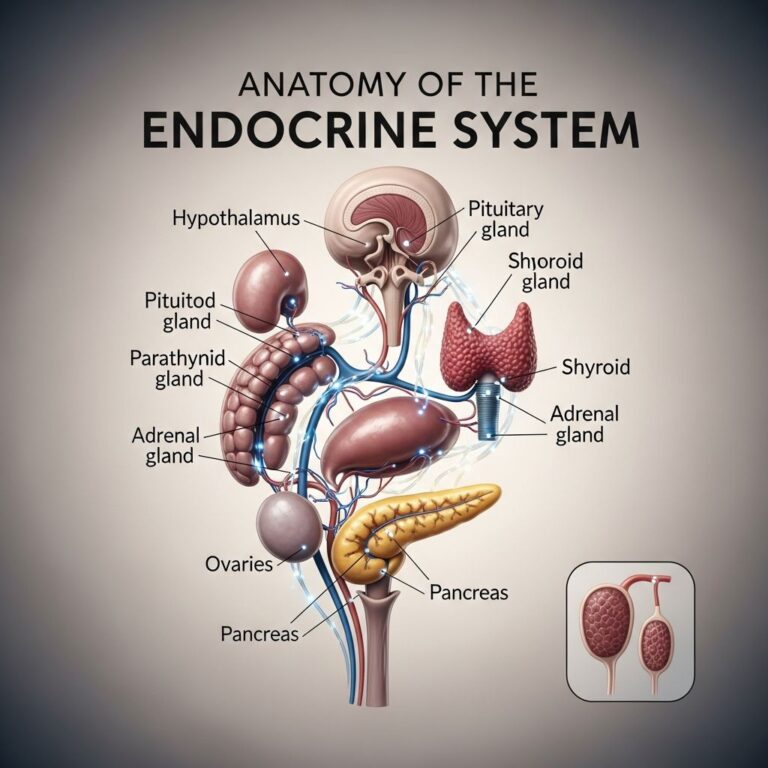
Estrogen decline accelerates sarcopenia; needs rise to 1.0-1.2 g/kg (or higher for active women) to preserve muscle mass, bone density, and metabolism. Studies emphasize evening protein for overnight muscle repair.
Athletic and Older Women
Endurance athletes: 1.2-1.4 g/kg; strength athletes: 1.6-1.7 g/kg. Post-50, 1.2-2.0 g/kg may be needed for active lifestyles, per recent guidelines favoring higher intakes for longevity.
Best Protein Sources for Women
Prioritize whole foods over supplements for complete nutrition, fiber, and micronutrients. Healthiest options are low in saturated fat and high in bioavailability.
| Food Source | Protein (g per serving) | Benefits for Women |
|---|---|---|
| 3oz chicken breast | 25g | Lean, supports muscle without excess calories. |
| Greek yogurt (6oz) | 15-20g | Probiotics for gut health; calcium for bones. |
| Egg whites (3 large) | 11g | Low-cal, high-quality complete protein. |
| Salmon (3oz) | 22g | Omega-3s for heart/brain health in menopause. |
| Lentils (1 cup cooked) | 18g | Fiber aids weight management; plant-based. |
| Tofu (4oz) | 10g | Isoflavones mimic estrogen for peri/menopause. |
| Almonds (1oz) | 6g | Healthy fats, vitamin E for skin/hair. |
Related Stories



Vegetarian/Vegan Tip: Combine sources (e.g., beans + rice) for complete amino acids. Soy products offer unique benefits for hormonal balance.
Optimal Timing and Distribution
Distribute protein evenly: 15-30g per meal/snack. Breakfast protein reduces cravings; evening doses aid overnight muscle synthesis, crucial for women over 40. Examples:
- Breakfast: Greek yogurt + banana + egg (19g).
- Lunch: Chicken breast (3oz) + rice + veggies (25g).
- Dinner: Salmon + quinoa + beans (30g).
- Snack: Cottage cheese + nuts (20g).
Protein Supplements: When and How
Use supplements if whole foods fall short (e.g., busy schedules, vegan diets). Choose whey, pea, or collagen isolates: 92g saturated fat, 5g sugar, 200 calories per serving. Not superior to food; prioritize whole sources.
Risks of Too Little or Too Much Protein
Too Little Protein
Undereating (e.g., restrictive diets, weight-loss meds) causes muscle loss, fatigue, hair thinning, weakened immunity—exacerbated in women due to lower baseline muscle mass.
Too Much Protein
>2 g/kg risks kidney strain (especially if predisposed), elevated cholesterol from fatty meats, dehydration, and digestive issues. Balance with fiber-rich carbs/veggies.
Sample Daily Meal Plans for Women
Sedentary Woman (60g target)
- Breakfast: Oatmeal + Greek yogurt + berries (20g).
- Lunch: Turkey salad wrap (20g).
- Dinner: Baked cod + sweet potato (20g).
Athletic Woman (100g+ target)
- Breakfast: Egg scramble + spinach + toast (25g).
- Snack: Protein shake + apple (25g).
- Lunch: Quinoa bowl + tofu + veggies (30g).
- Dinner: Steak + broccoli + brown rice (30g).
Menopausal Woman (90g target)
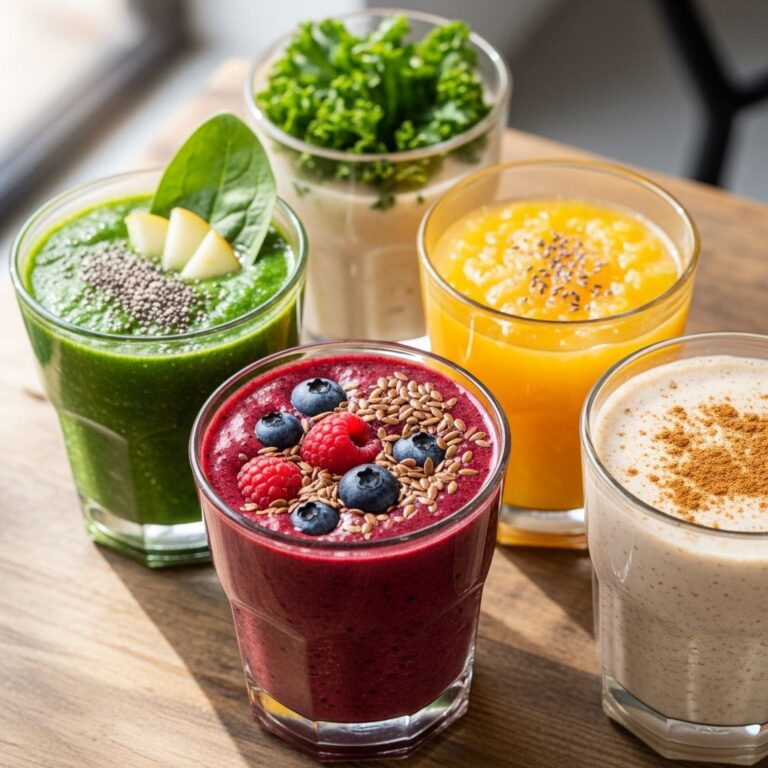
- Breakfast: Smoothie (collagen + yogurt + spinach) (25g).
- Lunch: Lentil soup + side salad (25g).
- Dinner: Chicken stir-fry + cauliflower rice (40g).
Frequently Asked Questions (FAQs)
What is the daily protein intake for women?
Average sedentary: 0.8g/kg (~46g for 130lb woman); active/older: 1.0-1.7g/kg. Adjust for life stage.
How much protein for weight loss?
1.0-1.2g/kg using ideal weight; spread evenly to preserve muscle and curb hunger.
Do women need more protein than men?
No, needs are weight-based, but women often have lower muscle mass, so relative % may feel higher.
Is 100g protein a day too much for women?
No for active 150lb+ women (1.3g/kg); excess only >2g/kg long-term.
Best protein for menopause?
1.2g/kg+, evening-rich, with leucine sources (whey, eggs) for muscle synthesis.
Consult a registered dietitian for personalized plans, especially with health conditions or medications. Track intake via apps for accuracy.
References
- Are you getting too much protein — Mayo Clinic Health System. 2023 (accessed 2026). https://www.mayoclinichealthsystem.org/hometown-health/speaking-of-health/are-you-getting-too-much-protein
- Dietary Reference Intakes for Energy, Carbohydrate, Fiber, Fat, Fatty Acids, Cholesterol, Protein, and Amino Acids — National Academies Press (Macronutrients Report). 2005 (authoritative standard). https://nap.nationalacademies.org/catalog/10490/dietary-reference-intakes-for-energy-carbohydrate-fiber-fat-fatty-acids-cholesterol-protein-and-amino-acids
- Protein Consumption and the Elderly: What Is the Optimal Level of Intake? — PubMed (DOI:10.3390/nu10060728). 2018 (updated relevance for sarcopenia). https://pubmed.ncbi.nlm.nih.gov/29899298/
- Nutrition Recommendations in Pregnancy and Lactation — CDC (official guidelines). 2024. https://www.cdc.gov/nutrition/micronutrient-malnutrition/resources/info-pregnancy.html
- International Society of Sports Nutrition Position Stand: protein and exercise — JISSN (peer-reviewed). 2017 (enduring athletic standard). https://doi.org/10.1186/s12970-017-0177-8
Similar Articles








Read full bio of Sneha Tete