Dairy Alternatives for Kids Who Won’t or Can’t Drink Milk
Discover nutritious dairy-free options and tips to ensure kids get essential nutrients like calcium, vitamin D, and protein without cow's milk.
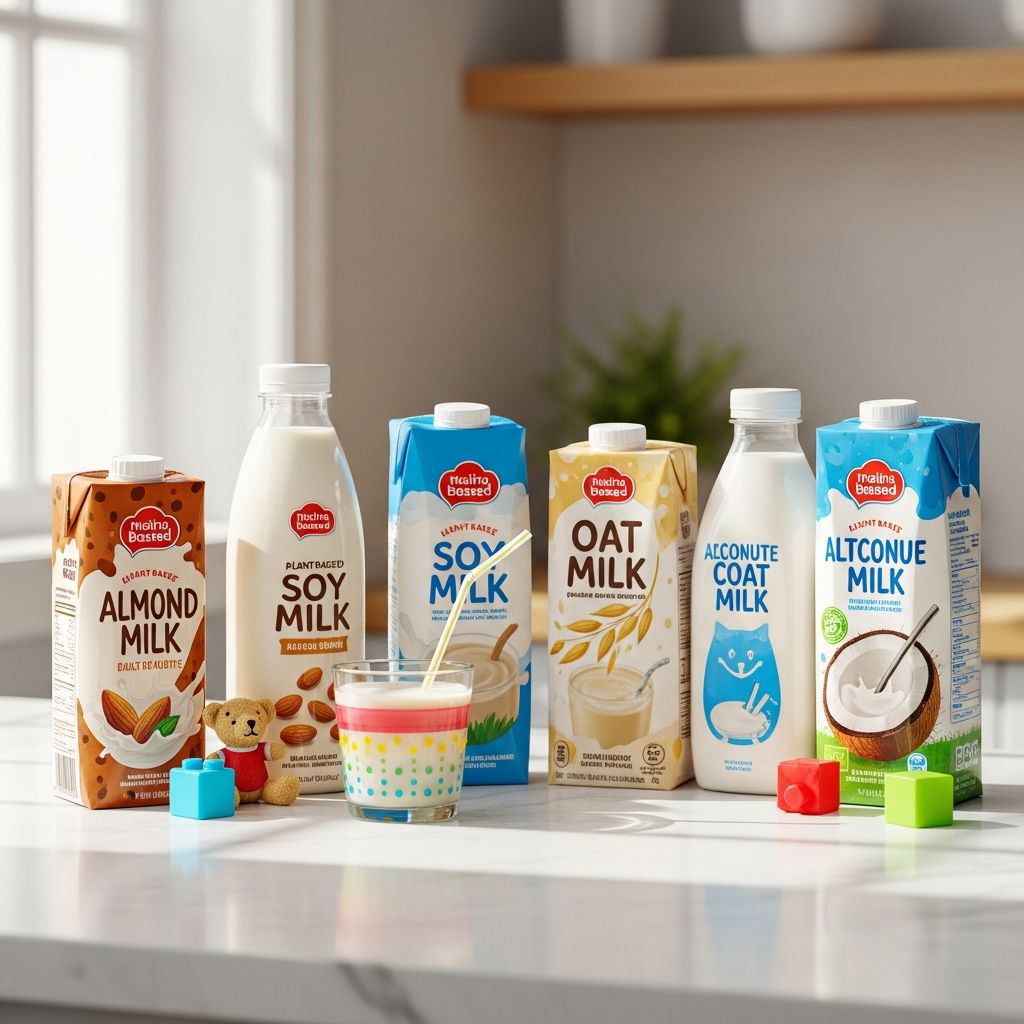
Cow’s milk and dairy products like yogurt and cheese provide key nutrients such as calcium, potassium, vitamins A and D, and protein, essential for children’s growth as part of the MyPlate Dairy Group. However, many kids avoid dairy due to lactose intolerance, milk allergies, taste preferences, or ethical reasons. Fortified soy milk and soy yogurt stand out as the closest nutritional matches to cow’s milk, offering protein, calcium, vitamin A, and vitamin D when fortified. This guide explores safe alternatives, selection tips, and strategies to meet nutritional needs without dairy.
Why Dairy Alternatives Matter for Children
Children aged 12 months and older require vitamin D and calcium for strong bones. Pasteurized whole cow’s milk is fortified with vitamin D, but fortified soy beverages match this profile when unflavored and unsweetened. Other plant-based milks like almond, oat, or rice often fall short in protein and key nutrients unless specifically fortified, making them less ideal as direct substitutes. The CDC recommends only fortified soy beverages as equivalents for dairy needs in toddlers. Avoiding dairy entirely risks deficiencies in potassium, calcium, and vitamin D—nutrients many kids already lack. Consulting a registered dietitian nutritionist (RDN) is crucial, especially with multiple allergies, to tailor diets and prevent gaps.
Best Dairy Alternatives: Soy Milk and Beyond
Among plant-based options,
fortified soy milk
is the top choice for children over 12 months. It provides comparable protein (7-8 grams per 8-ounce serving), calcium, and vitamin D to cow’s milk. Soy yogurt offers similar benefits. Pea protein milks or soy-pea blends are emerging alternatives with matching profiles for protein, fat, calcium, and vitamin D. Avoid plant milks before 12 months, as they don’t meet infant needs.- Soy beverages: Fortified with calcium, vitamin D; unflavored, unsweetened; closest to cow’s milk nutritionally.
- Pea milk or blends: High protein (similar to dairy), fortified nutrients; good for soy-intolerant kids.
- Soy yogurt and cheese: Protein-rich dairy group equivalents.
- Other options (with caution): Almond, oat, rice milks low in protein; use only if fortified and supplemented elsewhere.
Check Nutrition Facts labels: Aim for 7-8g protein, 100+ IU vitamin D, 349mg+ potassium, 1000-1300mg calcium daily (age-dependent), and vitamin B12 (1.1mcg+ per serving for vegans). Toddlers need 15mcg vitamin D daily. Excessive cow’s milk can hinder iron absorption, but alternatives must fill the gap carefully.
Nutritional Comparison of Milk Options
Not all plant milks are equal. Dairy milk naturally provides potassium, calcium, and vitamin D, while most plant options require fortification. Soy excels due to complete protein similar to dairy.
| Nutrient (per 8oz) | Whole Cow’s Milk | Fortified Soy Milk | Pea Milk | Almond Milk (typical) |
|---|---|---|---|---|
| Protein | 8g | 7-8g | 8g | 1g |
| Calcium | 300mg | 300-450mg (fortified) | 300-450mg | 450mg (fortified) |
| Vitamin D | 100 IU | 100+ IU | 100+ IU | 100 IU (fortified) |
| Potassium | 380mg | 349mg+ | 349mg+ | 160mg |
| Vitamin B12 | 1.1mcg | Fortified options | Fortified | Often low |
Data synthesized from expert guidelines; values vary by brand. Prioritize soy/pea for completeness.
Reasons Kids Avoid Milk and How Alternatives Help
Lactose intolerance affects digestion, causing bloating or constipation—plant milks are naturally lactose-free. Milk protein allergies require strict avoidance; soy or pea milks provide protein without dairy allergens. Picky eaters may prefer flavored alternatives, but stick to unflavored to avoid sugars. Vegans benefit from fortified options bridging B12 and protein gaps. Plant milks use less water than dairy production, offering environmental perks.
Getting Key Nutrients Without Dairy
Even with alternatives, diversify sources to ensure intake.
- Calcium: Dark leafy greens (kale, bok choy, broccoli), canned salmon (with bones), fortified cereals, almond butter. Kids 5-8 need 1000mg/day; 9-18 need 1300mg.
- Vitamin D: Fortified cereals, fatty fish (salmon, low-mercury, 2 servings/week age-adjusted), sunlight exposure.
- Potassium: Bananas, potatoes, oranges, yogurt alternatives.
- Protein: Beans, lentils, nuts, seeds, soy products.
- Vitamin A: Carrots, sweet potatoes, spinach.
Related Stories



Blend kale smoothies with fruit; add salmon to sandwiches; serve broccoli sides. Read labels on cereals for fortifications.
Shopping and Preparation Tips
Select unflavored, unsweetened fortified products—no added sugars. Compare labels across brands. For allergies, RDN guidance prevents shortfalls. Limit juice/milk intake to avoid displacing solids. Introduce gradually; pair with meals for acceptance.
Potential Risks and When to Consult Experts
Plant milks aren’t perfect substitutes without planning—low protein in non-soy options risks growth issues. Vegans need B12 monitoring. Consensus shows limited evidence of plant beverages outperforming cow’s milk nutritionally. Always discuss with pediatricians, especially pre-12 months or with allergies.
Frequently Asked Questions (FAQs)
Q: Can I give plant-based milk to my baby under 12 months?
A: No, milk alternatives should not be given before 12 months; stick to breast milk or formula.
Q: Is soy milk safe for all kids?
A: Yes for most over 12 months, but consult a doctor for soy allergies; pea milk is a good backup.
Q: How much dairy alternative should my toddler drink?
A: Similar to cow’s milk—16-24 oz/day, balanced with solids to avoid excess.
Q: Are plant milks better for the environment?
A: Many require less water than dairy, but nutritional match matters most for kids.
Q: What if my child has multiple allergies?
A: Work with an RDN to customize diet and ensure nutrients like calcium and B12.
These strategies help kids thrive dairy-free. Prioritize fortified soy/pea options and diverse foods for optimal health.
References
- Cow’s Milk and Milk Alternatives | Infant and Toddler Nutrition — Centers for Disease Control and Prevention (CDC). 2023. https://www.cdc.gov/infant-toddler-nutrition/foods-and-drinks/cows-milk-and-milk-alternatives.html
- Dairy Alternatives for Kids Who Won’t or Can’t Drink Milk — Academy of Nutrition and Dietetics (eatright.org). 2023. https://www.eatright.org/food/food-groups/dairy-and-alternatives/dairy-alternatives-for-kids-who-wont-or-cant-drink-milk
- 5 Benefits of Plant-Based Milk for Children — HelloTomi. 2023. https://hellotomi.com/blogs/kidsnutrition/5-benefits-of-plant-based-milk-for-children
- Plant-Based Milk Alternatives Fact Sheet — Healthy Eating Research. 2025-01. https://healthyeatingresearch.org/wp-content/uploads/2025/01/Plant-Based-Milk-Alternatives-Fact-Sheet.pdf
- Dairy Milk vs. Plant Milks for Young Kids — Healthy Drinks Healthy Kids. 2022-09. https://healthydrinkshealthykids.org/app/uploads/2022/09/Dairy-Milk-vs-Plant-Milks-for-Young-Kids.pdf
- Plant-Based Beverages in the Diets of Infants and Young Children — National Library of Medicine (PMC). 2022. https://pmc.ncbi.nlm.nih.gov/articles/PMC9039802/
Similar Articles








Read full bio of medha deb