Damiana Benefits: Nature’s Wellness Remedy Explained
Discover the science-backed benefits of damiana for mood, digestion, hormones, and overall wellness.
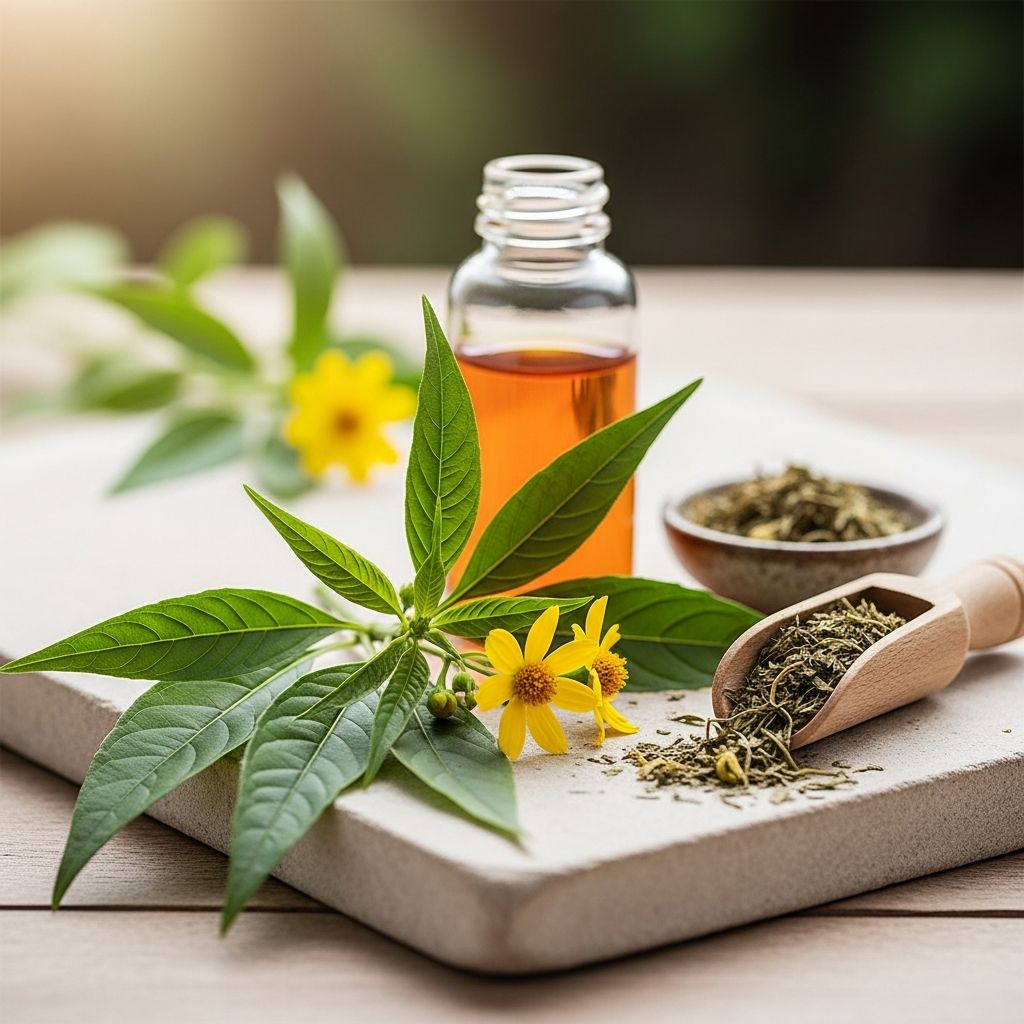
Damiana Benefits: A Comprehensive Guide to This Traditional Herb
Damiana is a small shrub native to Southwest Texas, Central America, South America, and Mexico with a rich history spanning thousands of years. For generations, this plant has been treasured in traditional medicine for its diverse health-promoting properties. Today, as more people seek natural wellness solutions, damiana has gained renewed attention from both herbalists and modern health practitioners. The herb contains powerful phytochemicals including apigenin and arbutin, compounds that research suggests may support multiple aspects of physical and mental health.
Understanding Damiana: Origins and Traditional Use
Damiana’s traditional applications are extensive. Indigenous peoples and traditional healers have used it as a diuretic, laxative, stimulant, and aphrodisiac for centuries. Botanical medicine continues to provide primary or integrative healthcare to approximately 80% of the world’s population, with up to 40% of pharmaceutical drugs still derived from plant phytochemicals. This deep historical usage provides a foundation of empirical knowledge that modern science is now beginning to validate through rigorous study.
Key Benefits of Damiana
1. Mood Enhancement and Anxiety Relief
One of damiana’s most significant benefits lies in its effect on mental health. As a central nervous system relaxant, damiana helps regulate feelings of anxiety and physical stress. The herb contains the phytochemical apigenin, which studies have shown can both relax smooth muscle and reduce pain without affecting cognitive function. Additionally, damiana may act as an antidepressant by functioning as a monoamine oxidase type B (MAO-B) inhibitor. This mechanism allows the herb to increase dopamine availability—the neurotransmitter often depleted by modern stressors, processed foods, and excessive stimulation. Research on animal models demonstrates that damiana reduces anxiety, though human studies remain limited.
2. Digestive Support
After a heavy meal, damiana tea acts as a gentle laxative and digestive aid. The herb stimulates digestive enzymes, improving nutrient absorption and helping your body break down fats and sugars more effectively. Regular consumption may support a healthy digestive system by encouraging regular bowel movements and reducing occasional gastrointestinal discomfort. Damiana also contains compounds believed to improve stomach health and reduce ulcers, with anti-ulcer activity attributed to the inhibition of lipid peroxidation, immunomodulation, and antioxidant effects of its major constituent, arbutin.
3. Natural Pain Relief
Damiana possesses notable anti-inflammatory and analgesic properties that ease discomfort without requiring synthetic painkillers. The compounds in damiana help block pain receptors and reduce inflammation, offering a holistic approach to managing minor aches and pains. Whether it’s tension from a long day, menstrual cramps, or general muscle soreness, damiana provides soothing support without unwanted side effects.
4. Enhanced Cognitive Function
Beyond mood support, damiana may boost overall brain power and mental clarity. Its nervine properties—meaning it relaxes and restores the central nervous system—can be particularly reparative after long periods of stress. By calming the nervous system and reducing physical tension, damiana can paradoxically provide energy rather than fatigue, allowing the mind to function more efficiently.
5. Menstrual Comfort and Hormone Balance
Damiana’s antispasmodic properties make it particularly valuable for individuals seeking relief from menstrual discomfort. The herb works by relaxing the smooth muscles of the uterus, reducing painful contractions. It also addresses related symptoms like bloating and mood swings by regulating hormones and reducing inflammation. Beyond menstrual health, damiana promotes hormonal balance by working as an aromatase inhibitor, slowing the enzyme that converts testosterone to estrogen. When hormone levels are balanced, testosterone improves energy levels, enhances mood, and improves mental concentration—benefits valuable for both men and women.
Related Stories



6. Blood Sugar Regulation
For those concerned with glucose management, damiana may help support healthy blood sugar regulation. The tea contains compounds that improve the body’s sensitivity to insulin, allowing for better glucose management. Animal studies have confirmed that damiana may affect blood sugar levels. Regular consumption as part of a balanced diet may help reduce spikes in blood sugar levels after meals, offering steadier energy release throughout the day. However, individuals taking blood sugar medication should consult their healthcare provider before use.
7. Antioxidant Protection
Damiana is loaded with antioxidants that combat oxidative stress and keep cells healthy. These antioxidants protect your body from damage caused by free radicals, which can lead to premature aging and chronic conditions. Regular damiana consumption supports skin health, boosts energy, and helps maintain the body’s natural defense mechanisms against environmental stressors. Research confirms that damiana reduces AP-1 signaling activity and upregulates Nrf2/ARE signaling expression, supporting cellular protection at the molecular level.
8. Respiratory Health Support
When congestion strikes, damiana tea acts as a natural expectorant. It helps clear airways and makes breathing easier, especially when dealing with mild coughs or colds. Damiana’s anti-inflammatory properties reduce irritation in the respiratory tract, providing relief from congestion by loosening mucus and helping the body expel it. Sipping it warm can soothe your throat and promote comfort during recovery.
9. Immune System Strengthening
Thanks to its anti-inflammatory and antimicrobial effects, damiana can help strengthen your body’s natural defenses. The herb contains compounds that support the immune system by reducing inflammation and fighting off harmful microbes. Regular damiana tea consumption may help reduce the severity and duration of colds, making it a natural support during immune-challenging seasons.
10. Sexual Health and Function
Damiana has a long-standing reputation as an aphrodisiac across multiple cultures. A small study in women with sexual dysfunction showed that ArginMax, a formulation containing damiana, improved sexual function. Traditional use of damiana for sexual enhancement is widespread, though more comprehensive human studies are needed to fully understand all mechanisms involved.
How to Use Damiana
Damiana is most commonly consumed as a tea, made by steeping dried leaves in hot water. A typical serving involves brewing dried damiana leaves for 5–10 minutes. The herb is also available in extract, capsule, and tincture forms. For those new to damiana, starting with small amounts allows you to gauge individual response. Consistent use over several weeks may be necessary to experience full benefits, particularly for mood and hormonal support.
Important Considerations and Precautions
While damiana is generally well-tolerated, certain populations should exercise caution. Pregnant and nursing individuals should avoid damiana, as it is an emmenagogue—meaning it moves blood in the pelvic floor. Additionally, damiana lowers blood sugar in larger quantities and should be used with caution in conjunction with blood sugar-lowering medications. Those taking medications should consult healthcare providers before adding damiana to their regimen. As with any herbal supplement, quality and purity matter; choose products from reputable sources that test for pesticides, microbes, and heavy metals.
Scientific Evidence and Research Status
While damiana has demonstrated promising effects in preclinical (animal) models, showing anxiolytic, antidepressant, hypoglycemic, and anti-ulcer properties, human clinical trials remain limited. Studies suggest formulations containing damiana may induce weight loss and produce short-term effects on caloric intake in overweight adults, improve menopausal symptoms, and enhance sexual function in post-menopausal women. However, confirmatory research is needed for many traditional uses. For conditions like constipation and kidney disorders, scientific evidence does not currently support these applications.
Damiana in Modern Wellness Practice
Clinical herbalists recognize damiana as a multifaceted botanical with particular value for modern wellness challenges. Kelsey Barrett, a clinical herbalist featured in major publications, notes that damiana offers positive effects on mood, hormone balance, and mental health—qualities increasingly important in today’s stress-filled world. As the wellness industry shifts toward recognizing the importance of psychological well-being alongside physical health, herbs like damiana that address both dimensions become increasingly relevant.
Frequently Asked Questions
Q: Is damiana safe for daily use?
A: Damiana is generally considered safe for most adults when used as directed. However, pregnant or nursing individuals should avoid it, and those on blood sugar medications should consult their healthcare provider before regular use.
Q: How long does it take to feel damiana’s effects?
A: Effects vary by individual and benefit. Some people notice mood support within days, while hormonal and digestive benefits may take several weeks of consistent use to become apparent.
Q: Can damiana interact with medications?
A: Damiana may interact with blood sugar medications and potentially other drugs. Always inform your healthcare provider about herbal supplements you’re taking.
Q: What form of damiana is most effective?
A: Tea and extracts are traditional and popular forms. Choose high-quality products from reputable sources that verify purity and potency.
Q: Does damiana have any side effects?
A: Damiana is generally well-tolerated with minimal reported side effects. However, some individuals may experience mild digestive changes or headaches when first introducing it.
References
- Damiana: Overview, Uses, Side Effects, Precautions, Interactions — Memorial Sloan Kettering Cancer Center. 2024. https://www.mskcc.org/cancer-care/integrative-medicine/herbs/damiana
- Benefits of Damiana: A Time-Tested Remedy for Modern Wellness — Numi Tea. 2024. https://numitea.com/blogs/news/benefits-of-damiana
- Antiphotoaging Effects of Damiana (Turnera diffusa) Leaves Extract — National Center for Biotechnology Information (NCBI). 2022. https://pmc.ncbi.nlm.nih.gov/articles/PMC9182839/
Similar Articles








Read full bio of Sneha Tete