Dandruff Causes: 4 Key Triggers For Flaky, Itchy Scalp
Uncover the root causes of dandruff, from fungal overgrowth to skin conditions and lifestyle factors, and learn effective management strategies.
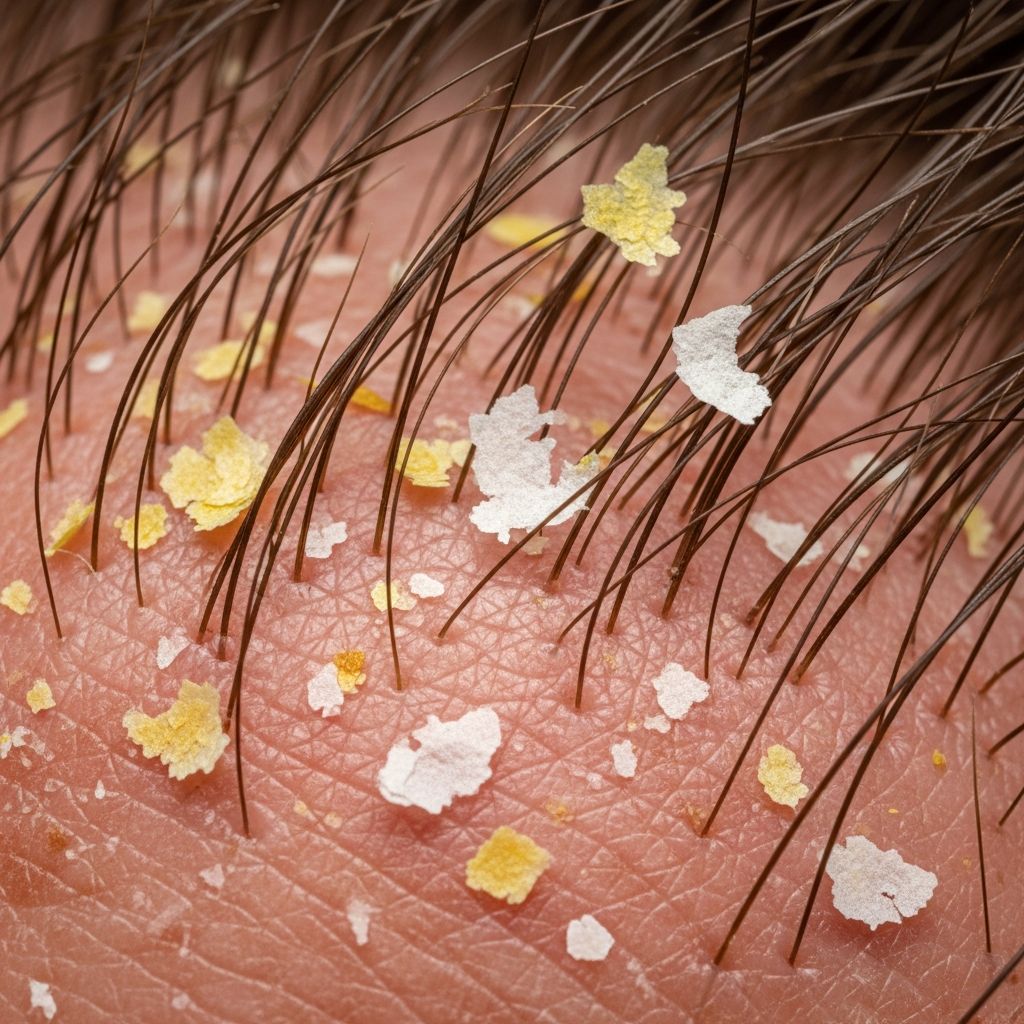
Dandruff is a common scalp condition characterized by flaking and itching, affecting millions worldwide. It arises from a combination of factors including fungal overgrowth, skin sensitivities, and environmental triggers. Understanding these causes is key to effective management.
What Is Dandruff?
Dandruff manifests as white or yellowish flakes on the scalp, often accompanied by itchiness. It results from accelerated skin cell turnover, where dead cells clump with scalp oils to form visible flakes. While not contagious or serious, severe cases can signal underlying issues like seborrheic dermatitis.
The scalp naturally renews cells every 28 days, but in dandruff, this process speeds up to days, leading to buildup. Mild cases appear as loose flakes; severe ones involve redness and greasy scales.
What Causes Dandruff?
Dandruff has multifactorial causes, primarily involving the yeast Malassezia, skin oil imbalances, and irritants. Here’s a breakdown:
- Malassezia Yeast Overgrowth: This fungus lives on most scalps, feeding on sebum (scalp oil). In susceptible individuals, it triggers immune responses, accelerating cell turnover and flake production.
- Oily or Irritated Skin (Seborrheic Dermatitis): Common in oily scalps, this causes red, greasy, flaky patches. It’s linked to hormonal changes boosting sebum.
- Dry Skin: Contrary to oily causes, dryness from weather or over-washing disrupts the skin barrier, leading to flaking.
- Hair Product Sensitivity: Contact dermatitis from shampoos, dyes, or styling products irritates the scalp.
Malassezia and Its Role
Malassezia species, like M. globosa and M. furfur, thrive on scalp lipids. They produce irritants like oleic acid, prompting inflammation and excess flakes. Not everyone reacts; genetics and immunity play roles. Studies show higher Malassezia density in dandruff scalps.
Seborrheic Dermatitis
This chronic condition affects sebaceous areas, causing oily flakes. Triggers include stress, cold weather, and immune suppression. It’s more severe than typical dandruff, often extending to face and chest.
Dry Skin Contribution
Low humidity, harsh winters, or frequent hot showers strip natural oils, causing tight, flaky scalps. Indoor heating exacerbates this.
Skin Conditions That Mimic or Cause Dandruff
Several dermatological issues produce scalp flaking resembling dandruff:
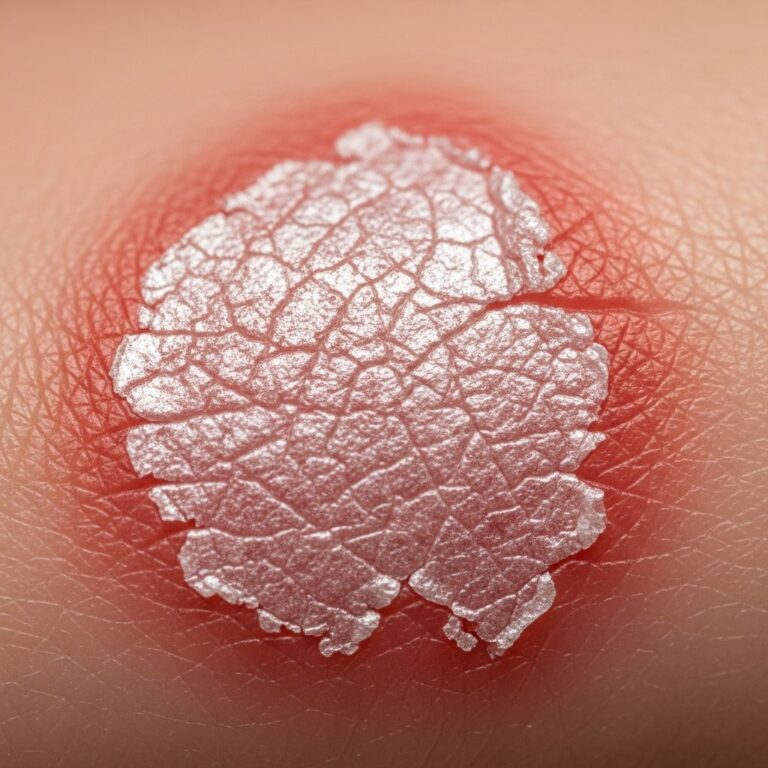
- Psoriasis: Thick, silvery plaques from rapid cell growth; often widespread.
- Eczema: Inflamed, itchy patches; may ooze.
- Ringworm (Tinea Capitis): Fungal infection causing bald patches and scaling.
- Contact Dermatitis: Allergic reactions to products.
Differentiating these requires professional diagnosis, as treatments differ.
Other Risk Factors for Dandruff
Beyond direct causes, these increase susceptibility:
- Age: Peaks in young adulthood to middle age; also common in infants (cradle cap).
- Sex: More prevalent in males due to hormones.
- Stress: Elevates cortisol, disrupting scalp balance.
- Weather: Cold, dry winters worsen symptoms.
- Medical Conditions: Parkinson’s, HIV, or weakened immunity heighten risk.
- Hair Care Habits: Infrequent washing builds oil; over-brushing or harsh products irritate.
Related Stories



Environmental and Lifestyle Triggers
Humidity drops in winter dry the scalp. Stress hormones stimulate sebum. Poor brushing fails to remove dead cells. Hormonal shifts in puberty or menopause alter oil production.
How to Tell If You Have Dandruff
Symptoms include:
- White/yellow flakes on hair, shoulders.
- Itchy, red, or oily scalp.
- Greasy scales in severe cases.
Rule out dry skin (fine flakes, no itch) or lice (nits visible). Persistent symptoms warrant a dermatologist visit.
| Condition | Symptoms | Key Difference from Dandruff |
|---|---|---|
| Dandruff | Flakes, mild itch | Oily scalp, responds to anti-fungal shampoos |
| Psoriasis | Thick plaques | Family history, joint pain |
| Dry Skin | Fine flakes | No oiliness, whole body |
| Seborrheic Dermatitis | Greasy yellow scales | Affects face/ears |
Treatment and Prevention
Over-the-counter shampoos with zinc pyrithione, ketoconazole, or salicylic acid target fungus and flakes. Wash 2-3 times weekly; alternate products.
- Avoid irritants: Switch to gentle, fragrance-free products.
- Moisturize: Use conditioners for dry scalps.
- Lifestyle: Manage stress, brush regularly, stay hydrated.
- Prescription: For severe cases, topical steroids or antifungals.
Prevention mirrors treatment: Consistent anti-dandruff routines reduce recurrence.
When to See a Doctor
Consult if:
- Flakes persist despite OTC treatments.
- Severe itching, hair loss, sores.
- Symptoms spread beyond scalp.
- Suspected underlying condition.
Dermatologists may biopsy or prescribe stronger meds.
Frequently Asked Questions (FAQs)
Is dandruff caused by poor hygiene?
No, it’s not. Infrequent washing may worsen buildup, but dandruff stems from fungal/skin factors.
Can diet affect dandruff?
Indirectly; diets high in sugars may feed yeast, but evidence is limited. Balanced nutrition supports skin health.
Does stress cause dandruff?
Stress exacerbates it by increasing oil and inflammation, but isn’t the sole cause.
Is dandruff contagious?
No, it’s not transmissible.
Can children get dandruff?
Yes, as cradle cap in infants; resolves naturally or with gentle care.
This comprehensive guide equips you to tackle dandruff effectively. Maintain scalp hygiene and consult experts for personalized advice.
References
- Dandruff: Causes and treatments — Medical News Today. 2023. https://www.medicalnewstoday.com/articles/152844
- 8 Dandruff Causes and How to Avoid Them — GoodRx. 2024. https://www.goodrx.com/conditions/seborrheic-dermatitis/dandruff-causes
- Dandruff – Symptoms and causes — Mayo Clinic. 2025-08-23. https://www.mayoclinic.org/diseases-conditions/dandruff/symptoms-causes/syc-20353850
- DANDRUFF: THE MOST COMMERCIALLY EXPLOITED SKIN DISEASE — National Library of Medicine (PMC). 2010. https://pmc.ncbi.nlm.nih.gov/articles/PMC2887514/
Similar Articles








Read full bio of Sneha Tete