Dandruff Vs Dry Scalp: Expert Guide To Diagnosis And Treatment
Discover the differences between dandruff and dry scalp, including causes, symptoms, treatments, and prevention strategies for healthier hair.
Flaky scalp issues affect millions, but
dandruff
anddry scalp
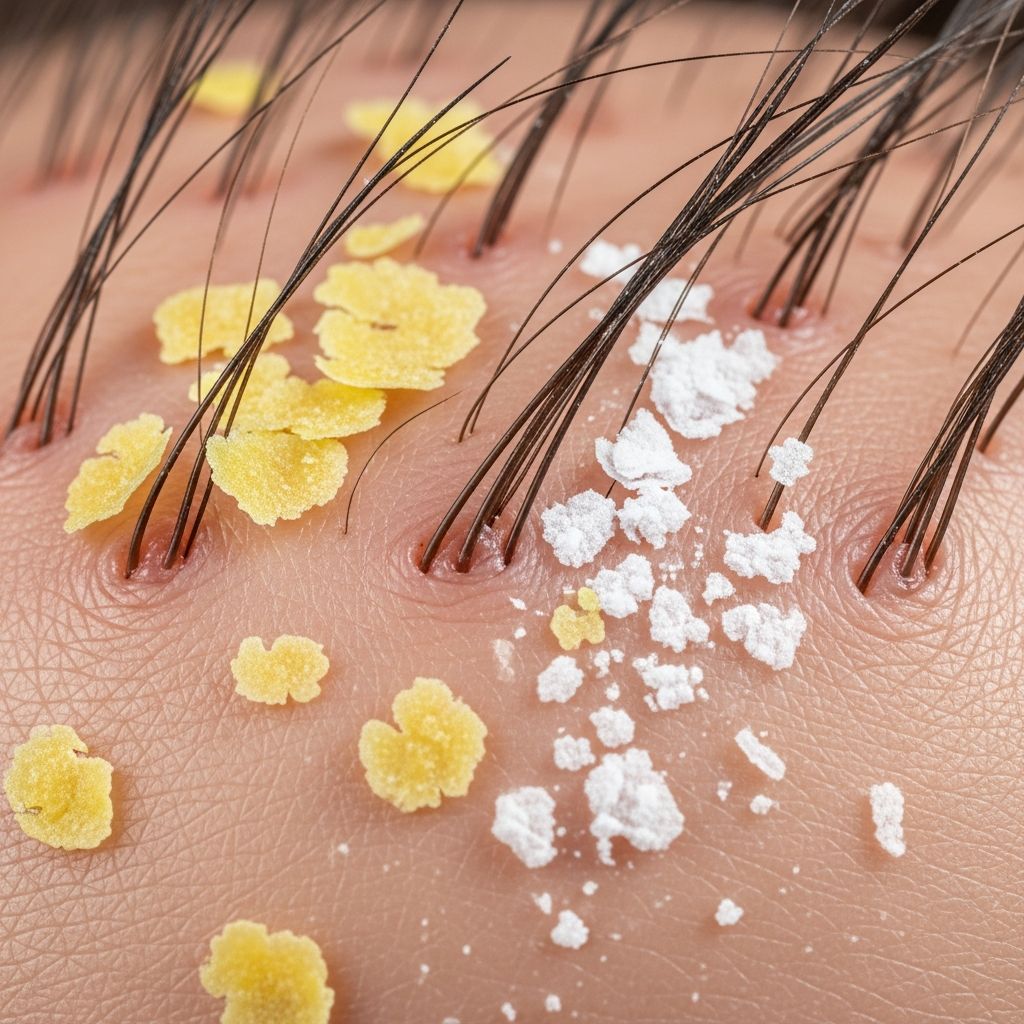
are often confused due to similar flaking symptoms. Dandruff involves oily, larger yellow-white flakes from fungal overgrowth and excess oil, while dry scalp produces smaller, white powdery flakes from moisture loss.Understanding these distinctions is crucial for effective treatment. This guide covers causes, symptoms, diagnosis, treatments, prevention, and FAQs, drawing from dermatological insights to help you achieve a healthier scalp.
What Is Dandruff?
**Dandruff** is a common scalp condition characterized by persistent flaking and itching, often linked to the fungus *Malassezia*, which thrives on scalp oils. This overgrowth accelerates skin cell turnover, producing visible oily flakes.
Dandruff affects up to 50% of adults worldwide and is not caused by poor hygiene but by factors like sebum production and microbial imbalance. Flakes are typically larger, yellowish, and cling to oily hair.
What Is Dry Scalp?
**Dry scalp** occurs when the scalp lacks sufficient natural oils (sebum) or moisture, leading to dehydration and small, white flakes. Unlike dandruff, it feels tight, itchy, and non-oily.
This condition mirrors dry skin elsewhere on the body and can worsen in low-humidity environments. It’s not infectious but results from environmental or lifestyle factors stripping the scalp’s protective barrier.
Dandruff vs. Dry Scalp: Key Differences
While both cause flaking, key distinctions lie in flake appearance, scalp feel, and underlying causes. Use this comparison to self-diagnose accurately.
| Feature | Dandruff | Dry Scalp |
|---|---|---|
| Flake Appearance | Large, oily, yellow-white flakes | Small, dry, white powdery flakes |
| Scalp Feel | Oily, greasy | Dry, tight, brittle |
| Itch Intensity | Moderate to severe, persistent | Mild to moderate, worsens with dryness |
| Hair Appearance | Greasy, clumped | Dry, dull, flyaway |
| Causes | Fungal (*Malassezia*), oil overproduction | Dehydration, harsh products, weather |
Symptoms of Dandruff
- Visible white or yellow oily flakes on scalp, hair, or shoulders
- Intense itching, especially worsening at night
- Red, inflamed scalp in moderate cases
- Oily scalp and hair buildup
- Possible mild hair thinning if chronic and untreated
Symptoms persist regardless of washing frequency, distinguishing it from simple buildup.
Symptoms of Dry Scalp
- Small, dry white flakes that powder off easily
- Tightness or pulling sensation on scalp
- Generalized itchiness relieved by moisturizing
- Dry, brittle hair lacking shine
- Exacerbation in winter or after hot showers
Flakes improve with hydration, unlike dandruff.
Causes of Dandruff
- Fungal Overgrowth: *Malassezia* yeast feeds on sebum, irritating the scalp.
- Excess Sebum: Oily scalps promote faster cell turnover.
- Hormonal/Stress Factors: Increase oil production.
- Product Buildup: Styling residues irritate follicles.
- Sensitivity: To sulfates or fragrances in shampoos.
Causes of Dry Scalp
- Environmental: Cold, dry air; low humidity.
- Overwashing: Strips natural oils with hot water or harsh soaps.
- Dehydration: Insufficient water intake affects skin barrier.
- Harsh Products: Sulfate-based shampoos, alcohol dryers.
- Skin Conditions: Eczema or psoriasis mimicking dryness.
Related Stories



How to Tell the Difference Between Dandruff and Dry Scalp
Examine flakes closely: Rub your scalp—if flakes are oily and yellow, suspect dandruff; if powdery and white, it’s likely dry scalp. Check oiliness: Greasy roots point to dandruff.
Track triggers: Dandruff persists year-round; dry scalp flares seasonally. If unsure, consult a dermatologist for microscopic analysis or fungal tests.
Treatments for Dandruff
Antifungal
medicated shampoos
are first-line: Look for ketoconazole, zinc pyrithione, selenium sulfide, or salicylic acid. Use 2-3 times weekly, lather for 5 minutes.- Rotate shampoos if resistance develops.
- Avoid oil-heavy conditioners on scalp.
- For severe cases, topical steroids or oral antifungals via prescription.
Treatments for Dry Scalp
Focus on
hydration
: Switch to gentle, moisturizing shampoos with hyaluronic acid, niacinamide, or natural oils. Reduce washing to 2-3 times weekly.- Apply scalp serums or oils (coconut, argan) post-wash.
- Use a humidifier in dry climates.
- Stay hydrated; incorporate omega-3s in diet.
Prevention Tips for Dandruff and Dry Scalp
- Wash regularly but not excessively (every 2-3 days).
- Choose sulfate-free, pH-balanced products.
- Manage stress via exercise or meditation.
- Protect scalp from extreme weather with hats or scarves.
- Maintain diet rich in zinc, B-vitamins, and hydration.
When to See a Doctor
Seek professional help if: flakes persist after 4 weeks of OTC treatment, scalp shows sores/bleeding, severe redness/swelling, hair loss, or systemic symptoms like fatigue. Could indicate psoriasis, ringworm, or allergies.
Dermatologists may perform biopsies or prescribe stronger therapies.
Frequently Asked Questions (FAQs)
Can dry scalp cause dandruff?
No, but untreated dry scalp can mimic or exacerbate dandruff symptoms. Address dryness first to rule out overlap.
Is dandruff contagious?
No, it’s not caused by bacteria or easily transmissible fungus; it’s individual susceptibility.
Does dry scalp lead to hair loss?
Rarely directly, but chronic irritation from scratching can damage follicles. Treat promptly.
How long do treatments take to work?
Dandruff: 2-4 weeks; Dry scalp: 1-2 weeks with consistent hydration.
Can diet affect scalp health?
Yes—deficiencies in biotin, zinc, or omega-3s worsen both conditions.
References
- Dandruff vs. Dry Scalp: How to Tell the Difference — Living Proof. 2023-10-15. https://www.livingproof.com/blogs/hair-101/dandruff-vs-dry-scalp
- Dandruff vs. dry scalp: Differences, causes, and treatments — Medical News Today. 2023-11-20. https://www.medicalnewstoday.com/articles/320988
- Dry Scalp Vs Dandruff: What’s The Difference? — Head & Shoulders. 2024-05-10. https://headandshoulders.com/en-us/healthy-hair-and-scalp/scalp-concerns-health/dry-scalp-or-dandruff
- Flaky Scalp: Is It Dandruff or Something More Serious? — Altitude Dermatology. 2024-02-28. https://www.altitudedermatology.com/blog-post/flaky-scalp-dandruff-vs-medical-condition
Similar Articles








Read full bio of Sneha Tete