Dangers of Eating Hot Peppers: Health Risks Explained
Learn the serious health risks of consuming extremely spicy peppers and hot sauce challenges.
Dangers of Eating Hot Peppers: What You Need to Know
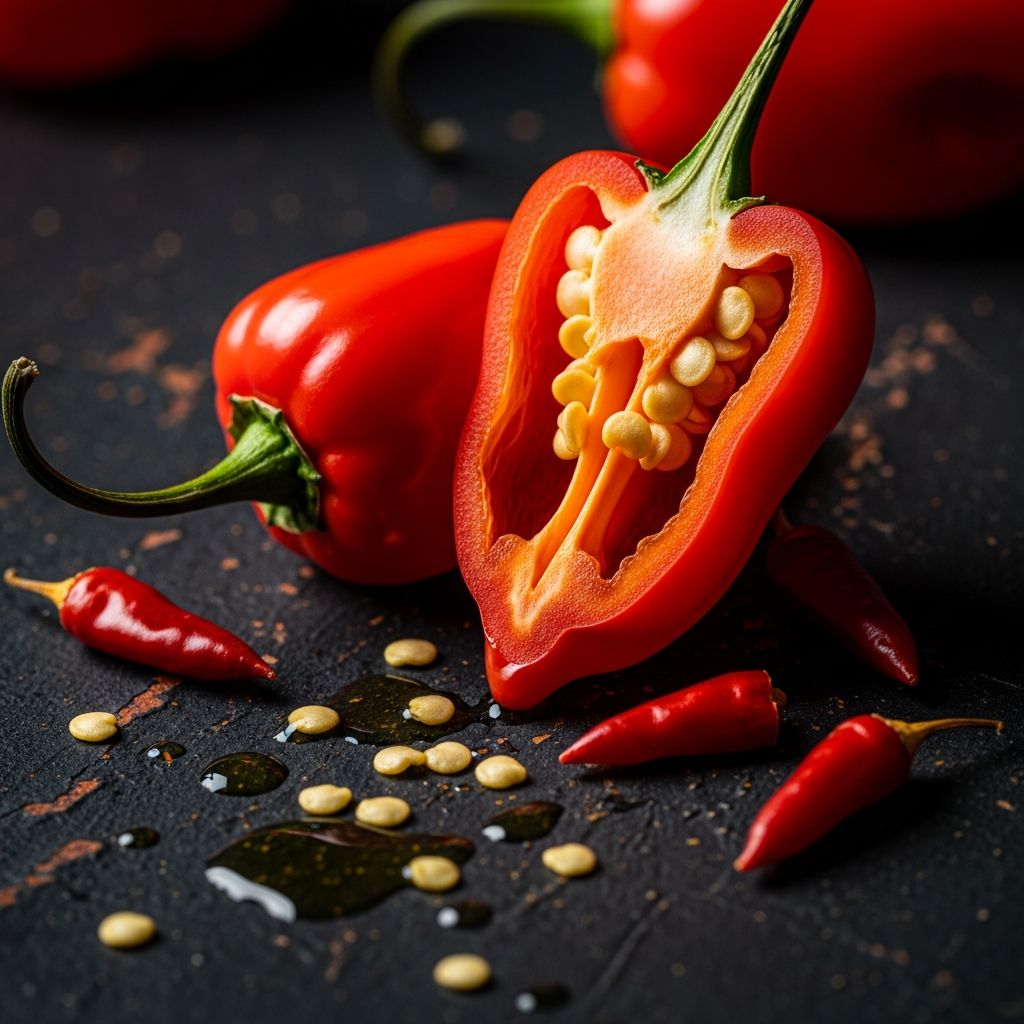
While spicy foods have become increasingly popular through viral challenges and trendy hot sauces, consuming extremely hot peppers can pose significant health risks. The chemical compound responsible for heat in peppers—capsaicin—triggers pain receptors throughout your body, and in extreme quantities, this can lead to serious medical complications ranging from temporary discomfort to life-threatening conditions.
Understanding Capsaicin and How It Affects Your Body
Capsaicin is the active chemical compound found in chili peppers that produces the burning sensation we experience when eating spicy foods. When you consume hot peppers, capsaicin binds to pain receptors called TRPV1 located in your mouth, on the surface of your tongue, and throughout your digestive tract.
Contrary to popular belief, capsaicin does not actually burn your tissues. Instead, it tricks your brain into thinking a temperature change has occurred, creating the sensation of heat and pain. Your body responds by attempting to cool itself down, which is why you experience sweating, flushed skin, and dilated capillaries when consuming very spicy foods.
Short-Term Physical Reactions to Spicy Foods
When you eat moderately spicy foods, your body undergoes several temporary changes:
- Mucus production increases in your mouth and nasal passages
- Your eyes may water or become irritated
- Blood vessels dilate to direct heat away from your body
- Sweating occurs as your body attempts to cool down
- Your metabolic rate temporarily increases
Immediate Gastrointestinal Effects
The digestive system is particularly sensitive to capsaicin’s effects. Common immediate reactions include:
- Burning sensation in the chest and esophagus as capsaicin binds with pain receptors in these areas
- Stomach cramping and pain caused by increased mucus production and temporary metabolic rate increases
- Nausea and vomiting, typically occurring only with extremely spicy foods
- Diarrhea resulting from increased intestinal digestion rates
- Painful bowel movements because capsaicin is never entirely digested and triggers pain receptors as it passes through the gut
- Throat swelling and hoarseness from irritation of the phrenic nerve, which controls diaphragm function, potentially causing hiccups and breathing difficulty
Serious Health Complications from Extreme Spice Consumption
While most healthy individuals can consume very spicy foods without serious consequences, extreme spice challenges involving record-breaking hot peppers have resulted in documented medical emergencies. These include:
Esophageal Rupture (Boerhaave Syndrome)
One of the most serious complications documented is esophageal rupture, a condition called Boerhaave Syndrome. In documented cases, individuals participating in spicy food contests have vomited so violently from consuming ghost peppers or similarly intense varieties that they sustained full-thickness ruptures of the esophagus. The tear causes severe pain, internal bleeding, and requires emergency medical intervention. This condition can be life-threatening if not treated immediately.
Related Stories



Reversible Cerebral Vasoconstriction Syndrome (RCVS)
Medical literature documents cases where consumption of extreme peppers like Carolina Reapers has triggered sudden, severe headaches caused by constricted blood vessels in the brain. In one documented case, a person eating a single Carolina Reaper in a contest developed an excruciating headache requiring emergency department evaluation. CT scans revealed narrowing of multiple blood vessels in the brain, a condition known as Reversible Cerebral Vasoconstriction Syndrome.
Cardiovascular Complications
The National Capital Poison Center reports that capsaicin can lead to serious heart-related complications, including chest pain, heart palpitations, heart attacks, and stroke. These cardiovascular effects are among the most dangerous potential outcomes of consuming extreme quantities of capsaicin.
Respiratory Issues
Beyond temporary breathing difficulty, extreme spice consumption can cause shortness of breath and allergic reactions. Notably, high school students in California were hospitalized after participating in the viral “one chip challenge,” which uses chips made from Carolina Reaper and Naga Viper peppers—two of the hottest pepper varieties available.
Who Is Most at Risk?
While most healthy individuals can tolerate very spicy foods without serious injury, certain populations face increased risks:
- People with pre-existing digestive conditions such as inflammatory bowel disease (IBD), Crohn’s disease, or ulcerative colitis
- Individuals with irritable bowel syndrome (IBS)—studies show those consuming spicy foods 10 or more times per week are 92 percent more likely to have IBS compared to non-consumers
- People with anal fissures, as spicy foods can aggravate symptoms (though they do not cause hemorrhoids)
- Those with existing cardiovascular conditions
- Adolescents and teenagers whose bodies may be more susceptible to extreme reactions
Can Spicy Foods Cause Long-Term Damage?
The reassuring news from medical professionals is that for most healthy people—even those participating in extreme challenges—eating very spicy foods does not pose serious or lasting dangers to health and usually does not require medical treatment. However, exceptions exist, particularly with record-breaking peppers and extreme consumption quantities.
Research on long-term effects remains ongoing. While some studies suggest correlations between frequent spicy food consumption and certain health outcomes, the evidence is mixed. Regular consumption of moderate spices as part of a balanced diet has not been shown to cause permanent organ damage in healthy individuals.
Safe Practices for Handling and Consuming Hot Peppers
If you choose to consume spicy foods, follow these safety guidelines:
- Do not get spicy foods or pepper residue in your eyes
- Use gloves when handling super-hot pepper varieties to avoid skin irritation
- Start with milder peppers and gradually increase spice levels rather than jumping to extreme varieties
- Do not participate in viral spicy food challenges involving extreme peppers with warning labels
- Consume spicy foods with food rather than on an empty stomach
- Stay hydrated, though note that water is less effective than milk or dairy products at neutralizing capsaicin
- Have dairy products available to help neutralize burning sensations
Specific Health Conditions and Spicy Food
Anal Fissures
While spicy foods do not cause hemorrhoids, research demonstrates they may irritate existing anal fissures. A 2008 study found that 81 percent of participants with anal fissures experienced symptom improvement when avoiding spicy foods for one week, compared to when they consumed them regularly.
Inflammatory Bowel Disease
For individuals with inflammatory bowel disease (IBD), Crohn’s disease, or ulcerative colitis, spicy foods can trigger or aggravate symptoms. Medical professionals recommend caution when consuming hot peppers if you have these conditions.
The Role of Tolerance Levels
Individual tolerance for capsaicin varies significantly. Regular consumption of moderately spicy foods can increase your tolerance over time, as your body adapts to capsaicin exposure. However, this adaptation does not necessarily make extreme peppers safer—it simply means your initial discomfort may be less pronounced.
Problems arise when consumption exceeds an individual’s normal tolerance level. The 2023 Paqui One Chip Challenge, for example, dared consumers to eat a single corn chip seasoned with Carolina Reaper and Naga Viper peppers. Reports included people experiencing vomiting, breathing difficulties, and tragically, one teenager’s death following consumption.
Frequently Asked Questions
Q: Can eating hot peppers cause permanent damage to my digestive system?
A: For most healthy individuals, eating hot peppers does not cause permanent digestive system damage. However, consuming extreme quantities can cause temporary severe irritation and, in rare cases, serious complications like esophageal rupture. If you experience persistent symptoms, consult a healthcare provider.
Q: What should I do if I accidentally consume a pepper that’s too hot?
A: Drink milk or consume dairy products, which contain casein protein that helps neutralize capsaicin more effectively than water. Eat bread or other starches to absorb capsaicin oils. Avoid water, which can spread capsaicin irritation. If symptoms persist or worsen, seek medical attention.
Q: Are viral spicy food challenges safe?
A: No, extreme spicy food challenges involving record-breaking peppers carry significant health risks, including esophageal rupture, cardiovascular complications, and breathing difficulties. Medical professionals recommend avoiding these challenges entirely, particularly those with warning labels or extreme heat ratings.
Q: Can children safely eat hot peppers?
A: Children’s bodies may be more sensitive to capsaicin’s effects than adults. Extreme spicy foods should be avoided. Introducing mild spices gradually allows their tolerance to develop naturally, but parental supervision and caution are essential.
Q: Should people with heart conditions avoid spicy foods?
A: Individuals with pre-existing cardiovascular conditions should consult their healthcare provider before consuming spicy foods, especially extreme varieties. Capsaicin can cause heart palpitations, chest pain, and potentially more serious cardiac events in susceptible individuals.
Q: How much capsaicin is considered safe?
A: There is no universally established safe limit, as tolerance varies significantly between individuals. For most people, moderate consumption of regularly available hot sauces and peppers poses minimal risk. Extreme peppers with capsaicin levels measured in millions of Scoville Heat Units should be approached with extreme caution or avoided entirely.
References
- Spicy Food Challenges: Harmful or Healthy? — University Hospitals. June 23, 2022. https://www.uhhospitals.org/blog/articles/2022/06/spicy-food-challenges-harmful-or-healthy
- Can eating spicy food harm your health? — Ohio State University Wexner Medical Center. https://health.osu.edu/wellness/prevention/eating-spicy-food
- A hot topic: Are spicy foods healthy or dangerous? — University of Chicago Medicine. September 2018. https://www.uchicagomedicine.org/forefront/health-and-wellness-articles/2018/september/spicy-foods-healthy-or-dangerous
- Spicy Food and Chili Peppers and Multiple Health Outcomes — National Institutes of Health. https://pmc.ncbi.nlm.nih.gov/articles/PMC10078540/
- Staying Healthy: Hot Peppers and Your Health — Allcare Health. https://www.allcarehealth.com/articles-events/articles/staying-healthy-hot-peppers-and-your-health
Similar Articles








Read full bio of Sneha Tete