Undefined Sleep Apnea Risks: 15 Serious Health Consequences
Discover how untreated sleep apnea threatens your heart, metabolism, and life expectancy.
Understanding Uncontrolled Sleep Apnea
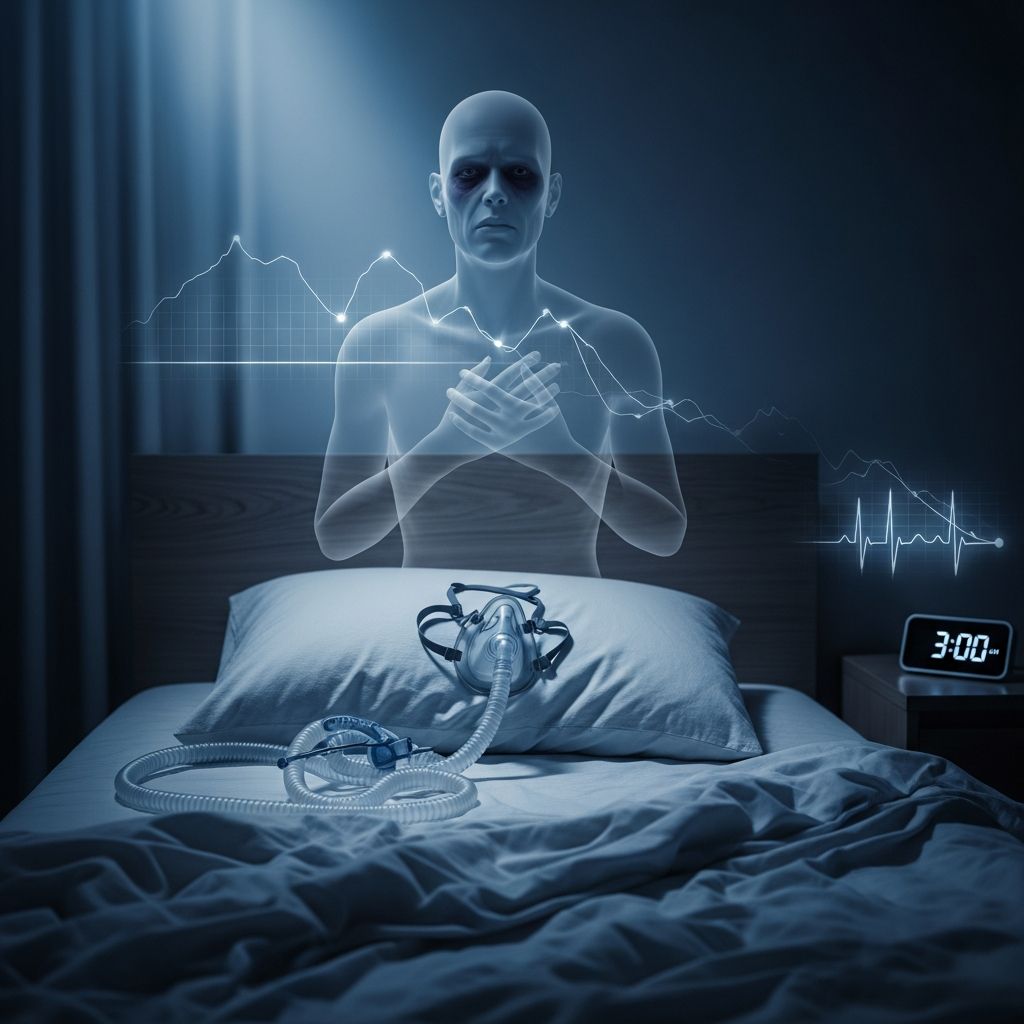
Sleep apnea is a serious medical condition characterized by repeated interruptions in breathing during sleep. When left untreated or poorly controlled, sleep apnea can lead to life-threatening complications that affect nearly every system in your body. Obstructive sleep apnea (OSA), the most common form, occurs when the muscles in the throat relax excessively, causing the airway to collapse and blocking airflow. This results in breathing pauses that can last from a few seconds to a minute or more, happening dozens or even hundreds of times per night.
The condition is remarkably prevalent in the population, affecting approximately 2% to 4% of the middle-aged population, though estimates suggest it may impact up to 20% to 30% of adults when considering all severity levels. Despite its prevalence, many people remain unaware they have sleep apnea, as symptoms often develop gradually and are dismissed as normal signs of aging or tiredness.
How Sleep Apnea Disrupts Your Body
When airway obstruction occurs during sleep, blood oxygen levels decrease while carbon dioxide levels increase. The brain responds by triggering brief awakenings to restore normal breathing, often accompanied by gasping or snoring sounds. While these awakenings are necessary to maintain adequate oxygen levels, they prevent restorative sleep and fragment your sleep architecture. This constant cycle of disruption means you never achieve the deep, continuous sleep your body needs to function optimally.
Each time an apnea event occurs, your body experiences a stress response. The sympathetic nervous system activates, increasing heart rate and blood pressure acutely. This repeated nightly stress—occurring potentially hundreds of times—has profound cumulative effects on your cardiovascular and metabolic systems over weeks, months, and years.
Cardiovascular Consequences
One of the most dangerous aspects of untreated sleep apnea is its profound impact on heart health. Research has consistently demonstrated strong associations between uncontrolled sleep apnea and serious cardiovascular conditions.
High Blood Pressure: Sleep apnea is a significant independent risk factor for hypertension. The repeated arousals and oxygen desaturation trigger sympathetic nervous system activation, causing sustained elevation in blood pressure even during waking hours. Studies show that CPAP therapy can reduce blood pressure in sleep apnea patients.
Heart Disease and Heart Failure: Untreated sleep apnea accelerates the development of coronary artery disease. The constant stress on the cardiovascular system from repeated oxygen drops and blood pressure surges damages blood vessel walls and promotes atherosclerosis. Over time, this can lead to chronic heart disease and heart failure.
Abnormal Heart Rhythms: Sleep apnea is strongly associated with atrial fibrillation and other cardiac arrhythmias. During apnea events, changes in intrathoracic pressure and oxygen levels create conditions that trigger abnormal electrical activity in the heart. People with untreated sleep apnea have significantly higher rates of arrhythmias compared to the general population.
Related Stories



Heart Attack and Stroke: The cumulative cardiovascular stress from uncontrolled sleep apnea substantially increases the risk of both myocardial infarction and cerebrovascular events. Research shows that individuals with severe sleep apnea who do not use treatment have higher rates of sudden cardiac death, particularly during nighttime hours.
Metabolic and Endocrine Disruption
Recent Johns Hopkins research has revealed that sleep apnea directly disrupts metabolic function independent of obesity. The study found significant real-time metabolic changes during sleep in patients with untreated obstructive sleep apnea.
Blood Sugar Dysregulation: Untreated sleep apnea causes elevated fasting glucose levels and impairs glucose metabolism. The repeated oxygen desaturation events trigger release of stress hormones that increase insulin resistance. Research shows patients with severe sleep apnea have a 30% higher risk of developing type 2 diabetes compared to those without the condition, even after accounting for body weight.
Increased Lipid Levels: Sleep apnea elevates free fatty acids and triglycerides in the bloodstream. These lipid abnormalities contribute to atherosclerosis development and increase cardiovascular disease risk independent of weight gain.
Stress Hormone Elevation: Cortisol, adrenaline, and other stress hormones remain chronically elevated in people with untreated sleep apnea. This hormonal dysregulation disrupts normal metabolic processes and immune function.
Vascular Stiffness: The repeated stress on blood vessels from apnea events causes loss of elasticity and vascular stiffness, a key contributor to hypertension and cardiovascular disease progression.
Neurological and Cognitive Effects
Beyond immediate cardiovascular effects, chronic untreated sleep apnea impacts brain health and cognitive function. Poor sleep quality and repeated oxygen desaturation associated with sleep apnea are emerging risk factors for cognitive decline and neurodegenerative diseases including Alzheimer’s disease.
Sleep plays a crucial role in clearing toxic proteins from the brain, particularly amyloid-beta, which accumulates in Alzheimer’s disease. The fragmented, oxygen-poor sleep characteristic of untreated sleep apnea impairs this critical brain-cleaning process. Hypoxemia from sleep apnea also increases amyloid-beta production in the brain.
Additionally, untreated sleep apnea is associated with increased Parkinson’s disease risk and may accelerate cognitive decline in people with existing neurodegenerative conditions.
Mental Health and Quality of Life
The sleep fragmentation caused by untreated sleep apnea extends beyond physical health consequences. Chronic sleep deprivation increases depression and anxiety risk. The repeated nighttime awakenings and daytime sleepiness impair mood regulation and emotional resilience.
Daytime somnolence is a hallmark symptom that significantly impacts quality of life and safety. People with untreated sleep apnea experience drowsiness at work, during meals, and while performing other daily activities. This excessive daytime sleepiness increases accident risk, reduces work productivity, and strains relationships.
Morning headaches, dry mouth, and non-restorative sleep are additional quality-of-life issues that improve dramatically with treatment.
Risk Factors and Vulnerability
While anyone can develop sleep apnea, certain factors increase vulnerability:
Obesity: Excess weight, particularly fat accumulation in the neck, tongue, and upper abdomen, narrows the airway and increases collapse risk. Weight loss can significantly improve or resolve sleep apnea in many patients.
Age and Sex: Sleep apnea risk increases with age. Men are more commonly diagnosed, though postmenopausal women’s risk increases substantially as weight distribution shifts toward abdominal areas traditionally associated with male obesity patterns.
Anatomical Factors: Structural characteristics including a narrow throat, large tonsils or adenoids, and a long soft palate increase obstruction risk.
Lifestyle Factors: Alcohol consumption, sedative use, and smoking relax throat muscles and worsen sleep apnea.
Diagnosis and Assessment
Sleep apnea is diagnosed through polysomnography, a comprehensive sleep test measuring brain waves, muscle tension, eye movements, respiration, blood oxygen levels, and audio recording of breathing sounds. This test quantifies the apnea-hypopnea index (AHI), which indicates event frequency per hour of sleep and determines severity classification.
Home sleep apnea testing offers a convenient diagnostic alternative for many patients. If you experience symptoms such as loud snoring, witnessed breathing pauses, excessive daytime sleepiness, or morning headaches, consulting a sleep medicine specialist is essential.
Treatment Options and Management
Continuous Positive Airway Pressure (CPAP)
CPAP therapy remains the most effective and widely prescribed treatment for sleep apnea. The device delivers pressurized air through a mask, splinting the airway open throughout the breathing cycle and preventing collapse. When used consistently, CPAP dramatically reduces apnea events, improves blood oxygen levels, and reduces blood pressure. Studies demonstrate that CPAP users have lower rates of heart attack, stroke, and other cardiovascular events compared to untreated patients.
Alternative Therapies
For patients unable to tolerate CPAP, several alternatives exist:
Bilevel Positive Airway Pressure (BiPAP): Provides two pressure levels, making exhalation easier and more comfortable than CPAP for some patients.
Oral Appliances: Custom-fitted dental devices advance the lower jaw forward, enlarging the airway space and reducing obstruction during sleep.
Positional Therapy: Sleeping on your side rather than your back reduces airway collapse for positional sleep apnea.
Lifestyle Modifications: Weight loss, alcohol reduction, smoking cessation, and avoiding sedative medications can improve sleep apnea severity.
Surgical Interventions: In select cases, procedures to enlarge the airway or remove obstructive tissue may be recommended.
The Importance of Medication Review
Certain medications worsen sleep apnea by reducing respiratory drive. Opioids, benzodiazepines such as alprazolam, some sleep medications, and muscle relaxants should be avoided or used with extreme caution in patients with sleep apnea. If you take these medications, discuss with your physician before starting sleep apnea treatment to ensure safe management.
Long-Term Consequences Without Treatment
The most sobering aspect of uncontrolled sleep apnea is its association with shortened lifespan. Multiple large-scale studies have demonstrated that untreated moderate to severe sleep apnea is associated with significantly increased mortality risk, primarily from cardiovascular causes.
However, this prognosis is not inevitable. Effective treatment can normalize health outcomes and extend life expectancy. People who use CPAP therapy consistently have survival rates similar to people without sleep apnea.
Key Health Risks Summary
Untreated or uncontrolled sleep apnea substantially increases risk for:
– High blood pressure and hypertension
– Coronary artery disease and heart disease
– Heart failure
– Abnormal heart rhythms, including atrial fibrillation
– Myocardial infarction (heart attack)
– Cerebrovascular accident (stroke)
– Type 2 diabetes mellitus
– Metabolic syndrome
– Cognitive decline and dementia
– Parkinson’s disease
– Depression and anxiety disorders
– Asthma exacerbation
– Motor vehicle accidents from drowsy driving
– Sudden cardiac death
– Shortened life expectancy
Frequently Asked Questions
Q: How do I know if I have sleep apnea?
A: Common signs include loud snoring, witnessed breathing pauses during sleep, excessive daytime sleepiness, morning headaches, dry mouth upon waking, and difficulty concentrating. If you experience these symptoms, consult a sleep specialist for proper evaluation and diagnostic testing.
Q: Is sleep apnea life-threatening?
A: Yes, untreated moderate to severe sleep apnea significantly increases the risk of life-threatening conditions including heart attack, stroke, sudden cardiac death, and other serious complications. However, with appropriate treatment, these risks can be substantially reduced.
Q: Can sleep apnea be cured?
A: While sleep apnea may be improved through weight loss and lifestyle changes, it is typically a chronic condition requiring ongoing management. Consistent use of treatment devices or therapies effectively controls the condition and prevents complications.
Q: What happens if I stop using CPAP?
A: Stopping CPAP therapy allows apnea events to resume, and the associated health risks return. Blood pressure may increase, blood sugar regulation worsens, and cardiovascular strain resumes. Consistent use of CPAP therapy is essential for maintaining health benefits.
Q: Are there alternatives to CPAP?
A: Yes, several alternatives exist including BiPAP machines, oral appliances, positional therapy, and in some cases, surgical interventions. If you struggle with CPAP tolerance, work with your sleep specialist to explore options that may be more comfortable for you.
Q: Does obesity always cause sleep apnea?
A: While obesity is a common risk factor, particularly when fat accumulates in the neck and abdomen, sleep apnea can occur in people of normal weight. Sleep apnea involves complex interactions between anatomy, muscle tone, and breathing control that extend beyond weight alone.
Q: How quickly will I feel better after starting treatment?
A: Many patients notice improvements in daytime sleepiness within days of starting CPAP therapy. However, some benefits such as blood pressure reduction and improved cardiovascular function develop more gradually over weeks and months of consistent treatment use.
References
- Sleep Apnea Causes Metabolic Changes and Cardiovascular Complications — Johns Hopkins Medicine. 2017. https://hub.jhu.edu/2017/09/05/sleep-apnea-hopkins-study/
- The Dangers of Sleep Apnea — Johns Hopkins Aramco Healthcare. https://www.jhah.com/en/news-events/in-focus/the-dangers-of-sleep-apnea/
- Untreated Obstructive Sleep Apnea and Risk of Incident Diabetes — Johns Hopkins ACG. https://www.hopkinsacg.org/document/obstructive-sleep-apnea-and-incident-diabetes/
- I am Worried That I Have Sleep Apnea—What Should I Know? — JAMA Internal Medicine, NIH/PubMed. https://jamanetwork.com/journals/jamainternalmedicine/fullarticle/2788294
- Impact of Sleep on the Risk of Cognitive Decline and Dementia — Johns Hopkins University Research Portal. https://pure.johnshopkins.edu/en/publications/impact-of-sleep-on-the-risk-of-cognitive-decline-and-dementia-5/
- Key Sleep Disorders — Centers for Disease Control and Prevention. https://www.cdc.gov/sleep/about_sleep/key_disorders.html
- Johns Hopkins Researchers Uncover Possible Target to Treat Sleep Apnea — News Medical Life Sciences. 2022. https://www.news-medical.net/news/20221031/Johns-Hopkins-researchers-uncover-a-possible-target-to-treat-sleep-apnea.aspx
Similar Articles








Read full bio of medha deb