Dangers Of Sleeping In Contact Lenses: 3 Vision Risks
Discover why sleeping with contact lenses heightens infection risks and eye damage—essential tips for safe wear.
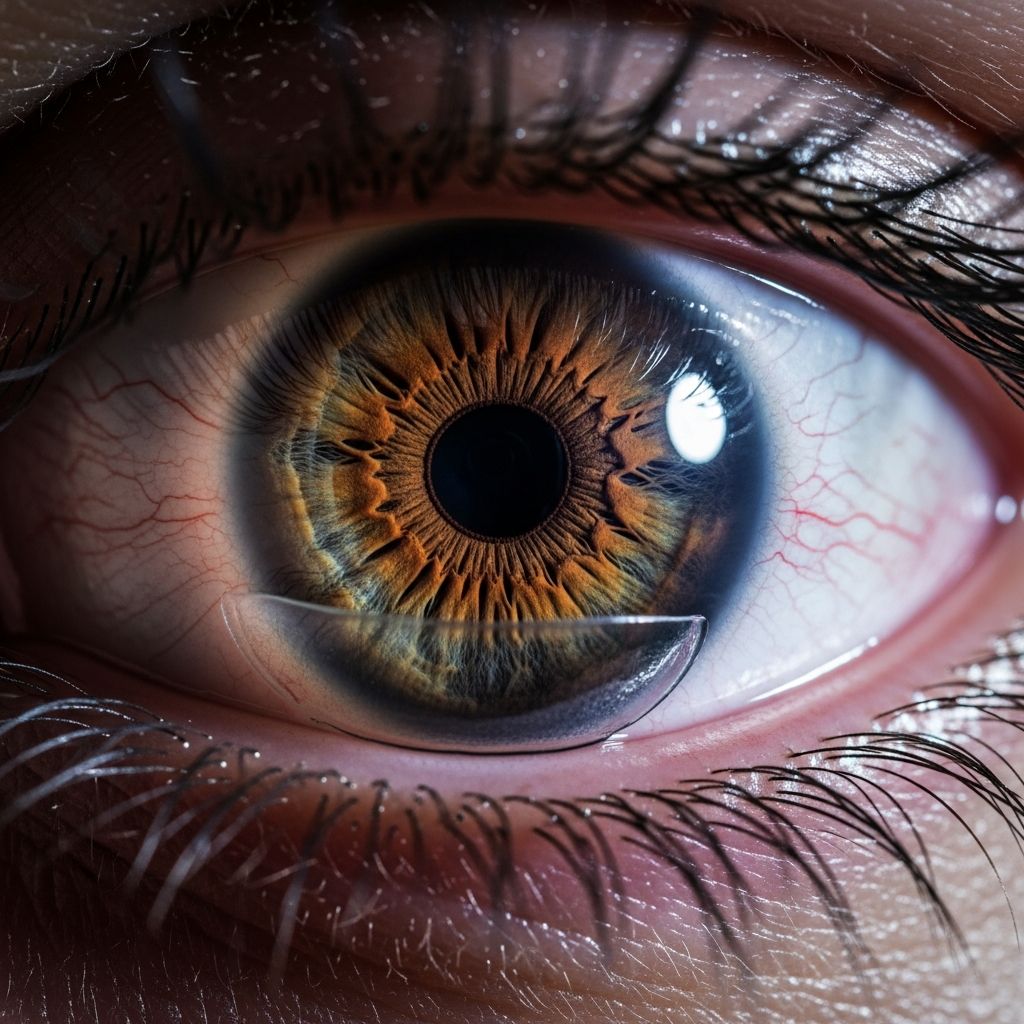
Leaving contact lenses on overnight dramatically elevates the chances of severe eye complications, primarily by starving the cornea of oxygen and fostering bacterial growth. Health authorities consistently warn that this habit, common among wearers, can lead to infections requiring medical intervention or even permanent damage.
The Eye’s Oxygen Needs and Contact Lens Barriers
The cornea, the eye’s transparent front layer, depends entirely on atmospheric oxygen absorbed through tears for survival, as it lacks blood vessels. Contact lenses create a physical obstruction, limiting this vital exchange, and during sleep, closed eyelids compound the issue by halting blinks that normally refresh tear flow.
When asleep, tear production slows, and unblinking eyes fail to flush out debris or microbes trapped under lenses. This stagnant environment promotes
corneal hypoxia
, where oxygen-starved cells weaken and become susceptible to harm. Studies confirm that overnight wear slashes oxygen delivery, impairing the cornea’s regenerative capacity.Heightened Infection Risks from Overnight Wear
Sleeping with contacts multiplies the risk of
microbial keratitis
—a corneal infection—by over five times, irrespective of lens material, be it soft disposables or rigid gas-permeable types. The U.S. Centers for Disease Control and Prevention (CDC) reports this risk surges 6 to 8 times, affecting up to 1 million emergency visits yearly for related issues.- Bacterial buildup: Lenses trap everyday microbes against the cornea, giving them hours to proliferate without tear clearance.
- Acanthamoeba threat: Rare but devastating parasitic infections thrive in low-oxygen, moist conditions under lenses.
- Fungal invasions: Extended wear invites fungi, leading to ulcers that scar the cornea.
One-third of wearers admit to occasional overnight lapses, often dismissing minor discomfort upon waking, yet each episode cumulatively endangers vision.
Symptoms Signaling Trouble After Sleeping in Lenses
Post-sleep irritation might seem trivial, but ignoring it invites escalation. Common early signs include redness, pain, light sensitivity, blurred vision, excessive tearing, or discharge—prompt markers of keratitis or ulcers.
| Symptom | Severity Level | Potential Cause |
|---|---|---|
| Eye pain or grittiness | Mild to severe | Hypoxia-induced cell damage |
| Redness and swelling | Moderate | Inflammatory response to infection |
| Blurred or hazy vision | Severe | Corneal edema or scarring |
| Light sensitivity (photophobia) | Severe | Keratitis progression |
| Watery discharge | Moderate | Bacterial or acanthamoeba activity |
Seek immediate care if symptoms persist beyond rinsing; delays can necessitate drops, antibiotics, or surgery.
Common Complications and Long-Term Damage
Beyond infections, habitual overnight wear triggers
corneal neovascularization
, where abnormal blood vessels invade the clear cornea, clouding vision permanently. Ulcers erode tissue, potentially causing scars that demand transplants in extreme cases.Even napping poses dangers: brief closures reduce oxygen enough to spark issues, especially with non-extended-wear lenses. Soft lenses, used by 90% of wearers, offer better permeability but still amplify risks fivefold overnight.
Frequently Asked Questions (FAQs)
Can I nap with contacts in?
No—any sleep duration compromises oxygen flow and invites infection. Remove lenses preemptively if drowsy.
Are extended-wear lenses safe for sleeping?
Only if FDA-approved for overnight use and prescribed as such; even then, risks remain elevated versus daily removal.
What if I accidentally sleep in them once?
Remove immediately upon waking, rinse eyes with saline, and monitor for symptoms. Single incidents pose lower risk but warrant caution.
How do I prevent infections from contacts?
Wash hands before handling, use fresh solution daily, replace cases monthly, and never top off solution. Avoid water exposure.
Is corneal damage from hypoxia reversible?
Early hypoxia effects often heal with rest, but repeated exposure leads to lasting scars or vascular ingrowth.
Related Stories



Proven Prevention Strategies for Contact Lens Users
Adopting strict hygiene transforms risky habits into safe routines. Start by setting phone alarms for removal times and keeping lens cases bedside.
- Consult your optometrist for lens fit assessments to ensure optimal oxygen flow.
- Opt for daily disposables to minimize buildup.
- Avoid all water activities—showers, pools, oceans—with lenses in, as they harbor acanthamoeba.
- Store lenses in hydrogen peroxide or multipurpose solutions, never saliva.
- Replace lenses and cases on schedule; expired gear breeds bacteria.
For those prone to fatigue, transition to glasses for evenings or select true extended-wear options under supervision.
Understanding Corneal Hypoxia in Depth
Corneal hypoxia arises when oxygen partial pressure drops below critical levels, typically under 10% during sleep with lenses. This triggers epithelial sloughing—shedding of surface cells—and stromal swelling, mimicking edema.
Research from optometric practices links sleep-specific factors like reduced tear mixing and prolonged bacterial adhesion to heightened ulcer odds, beyond mere deprivation. Pollution or allergens exacerbate this by adhering to lenses overnight.
Demographics and Behavioral Insights
Teenagers and young adults report highest non-compliance, with surveys showing 30-50% occasional sleep-ins, often from late nights or travel. Women slightly outpace men, possibly due to cosmetic drivers.
Education campaigns emphasizing statistics—e.g., 18-20 keratitis cases per 10,000 overnight wearers—curb behaviors effectively.
Alternatives to Risky Overnight Contact Use
Daily wear glasses provide zero-risk evenings. Orthokeratology lenses, worn nightly to reshape corneas, offer daytime clarity without daytime lenses for select prescriptions.
Hybrid lenses blend rigid centers for sharpness with soft skirts for comfort, sometimes permitting limited extended wear under monitoring.
Emergency Response to Suspected Infections
If infection looms, discard lenses, avoid rubbing eyes, and apply cool compresses for relief. Urgent optometry visits yield cultures guiding antibiotics; steroids counter inflammation post-infection control.
Post-recovery, switch to daily disposables and rigorous protocols to rebuild defenses.
References
- Why You Shouldn’t Sleep With Contacts In — Sleep Foundation. 2023-05-15. https://www.sleepfoundation.org/physical-health/sleeping-with-contacts-in
- What Happens If You Sleep in Your Contact Lenses? — Griffin Optometric. 2024-02-10. https://griffinoptometric.com/what-happens-if-you-sleep-in-your-contact-lenses/
- Is Sleeping in Contact Lenses Dangerous? — Optometrists.org. 2023-11-20. https://www.optometrists.org/general-practice-optometry/optical/guide-to-contact-lenses/common-contact-lens-problems/is-sleeping-in-contact-lenses-dangerous/
- What to Do if You Accidentally Sleep With Contact Lenses — Americas Best. 2024-01-05. https://www.americasbest.com/blog/article/vision-concerns-and-correction/i-slept-my-contacts-now-what
- Risk of infection from sleeping with contact lenses on — PubMed (NCBI). 1996-01-01. https://pubmed.ncbi.nlm.nih.gov/8725015/
- Can You Sleep With Contacts In? — The EyeDoctors Optometrists. 2023-08-12. https://www.theeyedoctors.net/eye-care-resources/can-you-sleep-with-contacts
- Can You Sleep With Contacts In? — Cleveland Clinic Health Essentials. 2023-09-18. https://health.clevelandclinic.org/can-you-sleep-with-contacts-in
Similar Articles








Read full bio of medha deb