Dapoxetine Tablets: Guide To Priligy Dosage & Side Effects
Comprehensive guide to Dapoxetine (Priligy) for treating premature ejaculation in men aged 18-64: usage, dosage, side effects, and more.
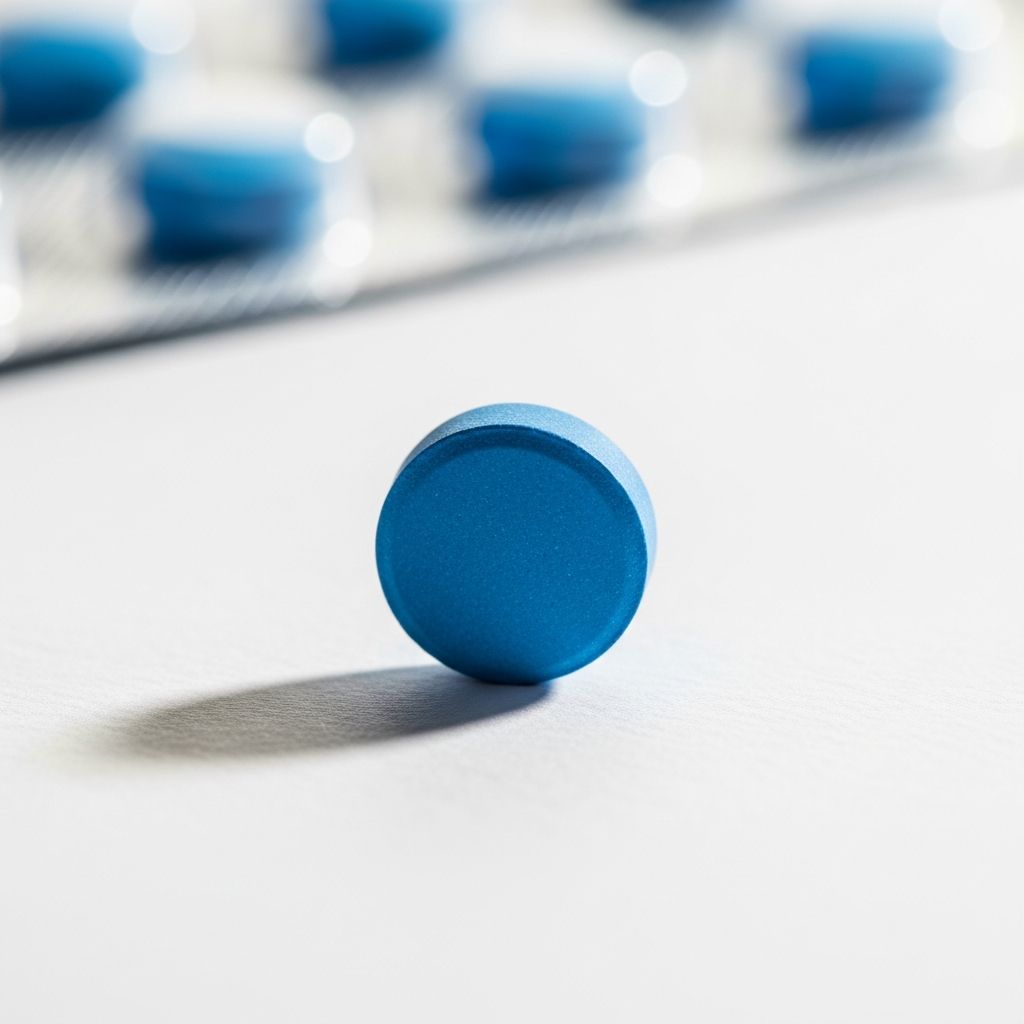
Dapoxetine, marketed as Priligy, is a selective serotonin reuptake inhibitor (SSRI) specifically developed for the on-demand treatment of premature ejaculation (PE) in men aged 18 to 64 years. Unlike traditional antidepressants, it has a rapid absorption and short half-life, allowing flexible, as-needed dosing to prolong intravaginal ejaculatory latency time (IELT) while minimizing long-term exposure.
About Dapoxetine Tablets
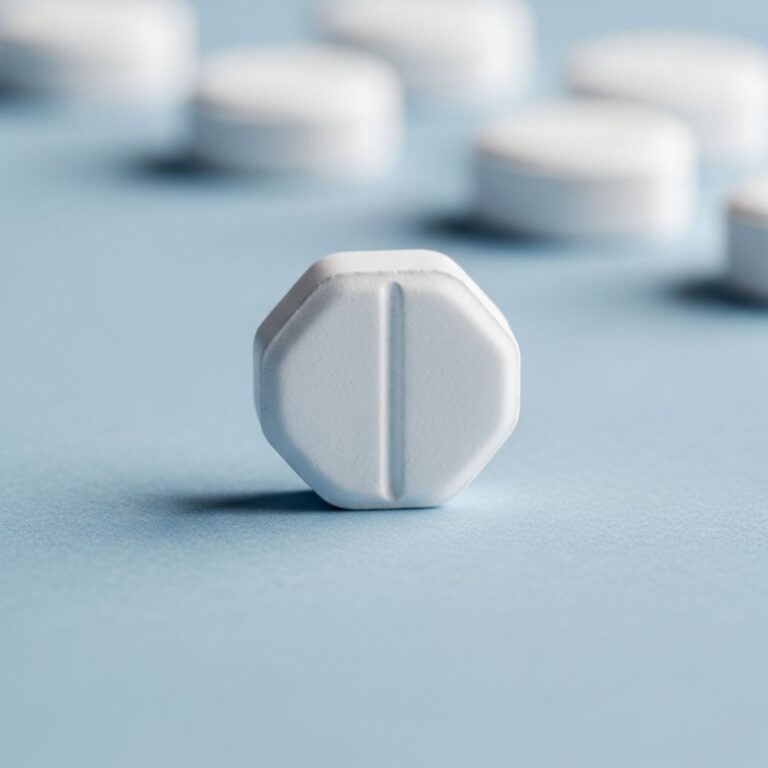
Dapoxetine hydrochloride, the active ingredient in Priligy, acts by inhibiting the reuptake of serotonin (5-hydroxytryptamine) in the brain and spinal cord, increasing neurotransmitter levels between nerve cells. This mechanism enhances ejaculatory control, with clinical trials showing significant IELT increases from baseline averages of 0.9 minutes to 2.78 minutes on 30 mg doses compared to 1.75 minutes on placebo. Priligy is available in 30 mg and 60 mg tablets, taken 1-3 hours before anticipated sexual activity, and is not intended for daily use.
The European Medicines Agency (EMA) approved Priligy following a referral procedure, with the European Commission final decision on January 20, 2012, confirming its efficacy for lifelong and acquired PE based on phase III trials involving thousands of men. Patient-reported outcomes further support its benefits, including greater satisfaction with intercourse, reduced distress, and improved interpersonal relationships.
Key Facts
- Approved for: Premature ejaculation in men 18-64 years with persistent or recurrent ejaculation with minimal sexual stimulation before desired, poor control over ejaculation, and marked distress or interpersonal difficulty.
- Mechanism: Short-acting SSRI; peak plasma levels in 1 hour, terminal half-life ~19 hours.
- Dosage forms: 30 mg and 60 mg film-coated tablets containing dapoxetine hydrochloride, lactose monohydrate, microcrystalline cellulose, and other excipients.
- Not for: Women, children under 18, or men over 64; contraindicated in moderate to severe hepatic impairment.
- Onset: Taken 1-3 hours before sex; effects maintained in long-term on-demand use up to 9 months.
When Not to Take Dapoxetine
Priligy is contraindicated in several conditions to avoid serious risks. Do not take if you have hypersensitivity to dapoxetine or any ingredients, including lactose (for lactose-intolerant patients). Avoid if using monoamine oxidase inhibitors (MAOIs) or within 14 days of stopping them, or if planning to start an MAOI within 7 days of stopping Priligy, due to serotonin syndrome risk.
Other contraindications include severe heart failure (NYHA class III or IV), significant ischemic heart disease, AV block, uncontrolled hypertension or hypotension, recent stroke or TIA (within 6 months), moderate to severe liver impairment, bipolar disorder, or history of mania. Concomitant use with strong CYP3A4 inhibitors (e.g., ketoconazole, ritonavir), potent CYP2D6 inhibitors (e.g., fluoxetine, paroxetine), or certain other drugs heightens risks.
How to Take Dapoxetine
Swallow tablets whole with a full glass of water, with or without food. The recommended starting dose is 30 mg, taken 1-3 hours before sexual activity. If minimal improvement occurs and side effects are tolerable, increase to 60 mg. Maximum one dose per 24 hours; do not exceed.
No dose adjustment needed for mild renal impairment, but use caution in moderate cases. Alcohol should be limited, as it increases dizziness and somnolence risks. Grapefruit juice is prohibited within 24 hours prior due to CYP3A4 inhibition.
Common Questions About Dapoxetine
How and when to take it?
Take 30-60 mg 1-3 hours before sex. Do not chew or crush; effects last sufficiently for the activity without daily dosing.
Related Stories



How much to take?
Start at 30 mg; max 60 mg per day. Your doctor may adjust based on response.
Can you take it on an empty stomach or with food?
Yes, food does not significantly affect absorption.
Can you take it with alcohol?
Avoid or limit alcohol; it amplifies side effects like dizziness.
Can you crush or chew the tablet?
No, swallow whole to ensure proper release.
What if you forget to take it?
Since on-demand, only take before planned activity; no routine schedule.
How long does it take to work?
Peak effect in 1-2 hours; IELT improvements seen from first dose.
Side Effects of Dapoxetine
Side effects are dose-dependent, mostly mild-moderate, and transient, affecting 10-20% of users. Common ones (>1/10): dizziness (11%), headache (5-6%), nausea (11-22%).
Less common (1-10%): anxiety, somnolence, tremor, diarrhea, hyperhidrosis, asthenia, blurred vision, tinnitus. Serious risks include syncope (fainting, 0.06-0.23% per 100 doses), orthostatic hypotension, serotonin syndrome (with interacting drugs), and rare mania or seizures. Discontinue if orthostatic hypotension or frequent dizziness occurs. Post-marketing reports note rare hypersensitivity and eye disorders.
| Frequency | Side Effects |
|---|---|
| Very Common (≥1/10) | Dizziness, headache, nausea |
| Common (1-10%) | Anxiety, somnolence, tremor, diarrhea, dry mouth, hyperhidrosis |
| Uncommon | Syncope, orthostatic hypotension, blurred vision, tinnitus |
| Rare | Serotonin syndrome, mania, seizures |
Pregnancy and Breastfeeding
Not applicable for men, but women should avoid handling crushed/broken tablets if pregnant (Category B1 in some classifications). No data on breastfeeding; caution advised.
Other Medicines and Dapoxetine
Caution with CYP3A4 inhibitors (e.g., erythromycin, verapamil), PDE5 inhibitors (e.g., sildenafil; dose reduction may be needed), alpha-blockers, antiarrhythmics, tramadol, St John’s wort, or recreational drugs. NSAIDs/aspirin may increase bleeding risk slightly. Wait 14 days after stopping MAOIs.
Driving and Operating Machinery
Dizziness and visual disturbances may impair driving. Avoid hazardous activities until effects are known. Syncope risk peaks 1-3 hours post-dose.
About Premature Ejaculation
PE affects 20-30% of men, defined by IELT <1-2 minutes, lack of control, and distress. Dapoxetine is the only licensed on-demand therapy, outperforming placebo in stopwatch-measured IELT and PROs across 5 RCTs with over 6,000 men.
Choosing Treatment for PE
Behavioral techniques, topical anesthetics, or off-label daily SSRIs are alternatives, but dapoxetine offers convenience. Combine with counseling for best results. Not for erectile dysfunction alone.
Patient Tips
- Consult doctor for suitability assessment.
- Practice stop-start techniques alongside.
- Monitor for side effects; stop if severe.
- Store below 25°C, away from moisture.
Frequently Asked Questions (FAQs)
Who can use Priligy?
Men 18-64 with diagnosed PE; requires prescription.
Is it safe with ED medications?
Yes, with caution; studies show compatibility with PDE5 inhibitors.
Does it work immediately?
Yes, from first dose in most men.
Can it cause addiction?
No evidence; designed for intermittent use.
What if it doesn’t work?
Increase to 60 mg or explore other therapies with doctor.
References
- Priligy – referral — European Medicines Agency (EMA). 2012-01-20. https://www.ema.europa.eu/en/medicines/human/referrals/priligy
- Priligy – NPS MedicineWise — NPS MedicineWise. Accessed 2026. https://www.nps.org.au/medicine-finder/priligy-tablets
- Dapoxetine: an evidence-based review of its effectiveness — PubMed Central (PMC). 2012-02-09. https://pmc.ncbi.nlm.nih.gov/articles/PMC3273363/
- Dapoxetine for premature ejaculation — Australian Prescriber. Accessed 2026. https://australianprescriber.tg.org.au/articles/dapoxetine-for-premature-ejaculation.html
- Concomitant Use of PriLigy in Men Treated for Erectile Dysfunction — ClinicalTrials.gov. Accessed 2026. https://clinicaltrials.gov/study/NCT01063855
- Dapoxetine: Uses, Interactions, Mechanism of Action — DrugBank. Accessed 2026. https://go.drugbank.com/drugs/DB04884
Similar Articles








Read full bio of Sneha Tete