Dapsone Tablets: 5 Essential Uses, Dosage, And Side Effects
Comprehensive guide to Dapsone tablets: uses for leprosy and dermatitis herpetiformis, dosage, side effects, and safety precautions.
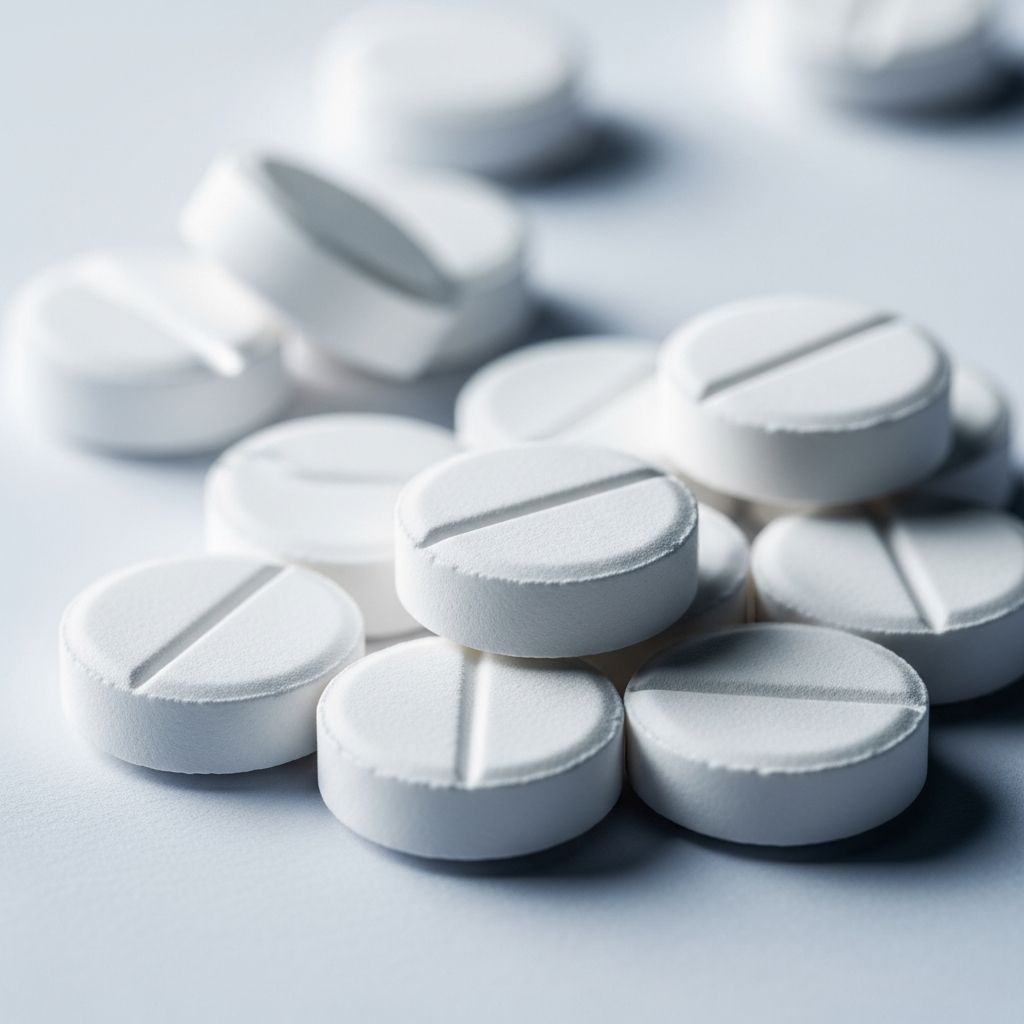
Dapsone tablets are an antibacterial medication primarily used to treat leprosy (Hansen’s disease) and control dermatitis herpetiformis, a chronic skin condition often linked to gluten sensitivity.
About Dapsone Tablets
Dapsone, a sulfone antibiotic, belongs to the family of anti-infectives. It works by inhibiting bacterial folic acid synthesis, effectively killing or stopping the growth of bacteria responsible for leprosy, such as Mycobacterium leprae. For dermatitis herpetiformis, dapsone provides rapid relief from intense itching and skin lesions through its anti-inflammatory and immunosuppressive properties, though it does not address underlying gastrointestinal issues associated with celiac disease.
Dapsone is available only by prescription in tablet form, typically in strengths of 25 mg, 50 mg, or 100 mg. It is the cornerstone of World Health Organization-recommended multidrug therapy for leprosy, often combined with rifampicin and clofazimine. Off-label uses include prophylaxis for Pneumocystis jirovecii pneumonia and toxoplasmosis in immunocompromised patients, as well as certain dermatological conditions like acne vulgaris.
Key facts
- Dapsone is an antibacterial and anti-inflammatory drug used mainly for leprosy and dermatitis herpetiformis.
- Treatment for leprosy may last 3 years or lifelong; for dermatitis herpetiformis, the lowest effective dose is used alongside a gluten-free diet.
- Common side effect: hemolytic anemia, especially in those with G6PD deficiency.
- Requires regular blood monitoring due to risks of blood disorders, liver issues, and methemoglobinemia.
- Not effective against viral infections like colds or flu.
When to take Dapsone Tablets
Take dapsone exactly as prescribed, usually once daily at the same time to maintain steady blood levels. For leprosy, adhere to the full course—even if symptoms improve—to prevent relapse. Tablets can be taken with or without food, but consistency aids absorption. If you miss a dose, take it as soon as remembered unless close to the next dose; do not double up.
For dermatitis herpetiformis patients, combine medication with a strict gluten-free diet to minimize dosage needs and enhance control of symptoms.
How to take Dapsone Tablets
Swallow tablets whole with water. Dosage is individualized:
| Condition | Adult Dose | Children/Notes |
|---|---|---|
| Leprosy (Hansen’s disease) | 50-100 mg once daily (1.4 mg/kg) | Combined with other drugs; full course essential. |
| Dermatitis herpetiformis | 50 mg daily, titrate up to 300 mg if needed | Lowest effective dose; gluten-free diet recommended. |
| Pneumocystis prophylaxis (off-label) | 100 mg daily | With leucovorin if needed. |
Healthcare providers adjust based on response, weight, and tolerance. Regular monitoring is crucial.
Caution with other medicines
Dapsone interacts with several drugs, increasing risks of side effects:
- Folate antagonists (e.g., pyrimethamine): Enhance hemolytic anemia risk; supplement with folic acid.
- Sulfonamides or other sulfones: Cross-sensitivity possible.
- Probenecid, rifampin: Alter dapsone levels.
- Trimethoprim: Increases methemoglobinemia risk.
- Always inform your doctor of all medications, including over-the-counter and herbal supplements.
Choosing a gluten-free diet for dermatitis herpetiformis
For patients with dermatitis herpetiformis, a gluten-free diet is vital. Gluten triggers the autoimmune response causing the rash. Avoiding wheat, barley, rye, and sometimes oats reduces itch and lesions, allowing lower dapsone doses and fewer side effects. Consult a dietitian for guidance; improvements may take months but enable long-term remission.
Related Stories



Pregnancy and breastfeeding
Dapsone is pregnancy category C: animal studies show risks, but human data is limited. Use only if benefits outweigh potential harm to the fetus, such as dose-related hemolysis or methemoglobinemia in newborns. It crosses the placenta and appears in breast milk, risking infant anemia. Monitor newborns closely if breastfeeding; consider alternatives.
Side-effects of Dapsone Tablets
Dapsone has a narrow therapeutic index; side effects range from mild to life-threatening. Most common is dose-dependent hemolysis (5-10% of red blood cells destroyed weekly at 100 mg/day).
Common side effects
- Nausea, vomiting, abdominal pain, anorexia.
- Headache, dizziness, tinnitus, blurred vision.
- Skin rash, pruritus.
- Peripheral neuropathy (numbness, weakness).
Serious side effects
Seek immediate medical help for:
- Hemolytic anemia: Fatigue, pallor, jaundice, dark urine, shortness of breath.
- Agranulocytosis/leukopenia: Fever, sore throat, infections.
- Methemoglobinemia: Cyanosis (bluish skin), chocolate-brown blood.
- Dapsone syndrome (2-6 weeks in): Fever, rash, hepatitis, lymphadenopathy—resembles mononucleosis; potentially fatal.
- Liver toxicity: Jaundice, elevated enzymes.
Report any unusual symptoms promptly. Blood tests (CBC, G6PD, liver function) are monitored weekly initially, then monthly.
Who can and cannot take Dapsone Tablets
Who can take dapsone
Suitable for adults and children with leprosy or dermatitis herpetiformis under medical supervision. Topical forms available for acne.
Who cannot take it
- Hypersensitivity to dapsone or sulfonamides.
- G6PD deficiency (high hemolysis risk).
- Severe anemia, methemoglobinemia, or cardiopulmonary disease.
- Porphyria.
Use caution in liver/kidney impairment, pregnancy, or neuropathy.
How and when to take Dapsone Tablets
As detailed in dosage section. Store at room temperature, away from moisture. Do not exceed prescribed dose.
Common questions about Dapsone Tablets
How long does it take to work?
For dermatitis herpetiformis, relief from itching occurs within 24-48 hours; lesions clear in days. Leprosy improvement takes weeks to months.
Will antibiotics stop it working?
No, but interactions exist; inform your doctor.
Does it affect fertility or periods?
No evidence of impact on fertility. Monitor during use.
Can I drive or ride a bike?
Dizziness may occur; avoid until effects known.
Frequently Asked Questions
How often do I need blood tests?
Weekly at start, then every 2-4 weeks; monitor CBC, reticulocytes, liver enzymes.
What if I have G6PD deficiency?
Contraindicated; test beforehand.
Can children take dapsone?
Yes, dosed by weight for leprosy.
Is dapsone safe long-term?
Possible for leprosy; lowest dose for skin conditions with monitoring.
What excipients are in the tablets?
Maize starch, microcrystalline cellulose, magnesium stearate, silicon dioxide. Gluten/lactose-free.
References
- Dapsone (oral route) – Mayo Clinic — Mayo Foundation for Medical Education and Research. 2023. https://www.mayoclinic.org/drugs-supplements/dapsone-oral-route/description/drg-20063327
- Dapsone (Avlosulfon) — WebMD. 2024. https://www.webmd.com/drugs/2/drug-6744/dapsone-oral/details
- Dapsone Tablets – NPS MedicineWise — NPS MedicineWise. 2023. https://www.nps.org.au/medicine-finder/dapsone-tablets
- Dapsone – StatPearls — NCBI Bookshelf. 2023-10-01. https://www.ncbi.nlm.nih.gov/books/NBK470552/
- Dapsone: Uses, Interactions — DrugBank. 2024. https://go.drugbank.com/drugs/DB00250
Similar Articles








Read full bio of Sneha Tete