Darier Disease: 5 Essential FAQs Explained
Understanding Darier disease: A rare genetic skin disorder with greasy papules, nail changes, and management strategies for flares.
What is Darier disease?
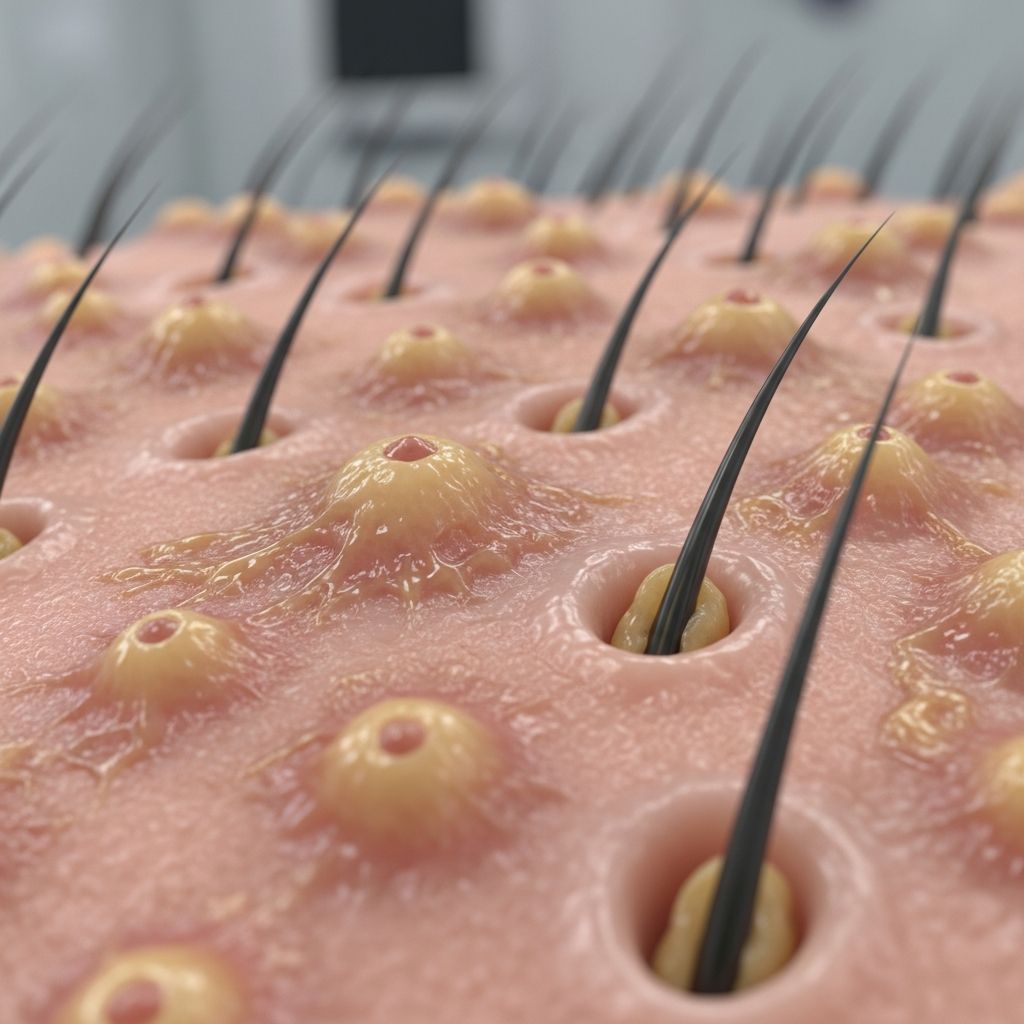
Darier disease, also known as Darier-White disease or previously keratosis follicularis, is a rare autosomal dominant genetic disorder classified as a hereditary acantholytic dermatosis. It features persistent, greasy, scaly papules primarily in seborrhoeic distribution and skin folds. The condition arises from mutations in the ATP2A2 gene on chromosome 12q23-24.1, which encodes the SERCA2 pump responsible for calcium transport within keratinocytes. This disruption impairs desmosome assembly, leading to acantholysis where skin cells fail to adhere properly, resulting in characteristic lesions.
Unlike its former name keratosis follicularis suggests, the papules do not originate from hair follicles but from defective intercellular adhesion in the epidermis. The ‘cement’ holding keratinocytes together weakens, making the skin barrier vulnerable to irritation, inflammation, and infection. Affected individuals experience fluctuating severity, with flares triggered by heat, sunlight, friction, sweating, or certain medications.
Demographics
Darier disease affects 1 to 4 people per 100,000 population worldwide, with no strong racial or sex predilection, though some reports note equal prevalence in males and females. Onset typically occurs in adolescence or early adulthood, but nail changes or flat warts on hands may appear in childhood years before skin lesions. Family history is key, as it follows an autosomal dominant pattern with 50% inheritance risk per child of an affected parent. Penetrance is high but variable expressivity means not all gene carriers show symptoms.
In rare cases, de novo mutations occur without family history. The disease persists lifelong with periods of remission and relapse, often worsening in summer due to environmental triggers. Females may experience premenstrual flares.
Causes
The primary cause is heterozygous mutations in ATP2A2, leading to haploinsufficiency of SERCA2 protein. SERCA2 maintains intracellular calcium homeostasis by pumping calcium into the sarcoplasmic/endoplasmic reticulum. Reduced function activates cellular stress pathways, impairs desmosome regulation, and alters immune responses, causing inflammation and loss of epidermal adhesion.
Environmental triggers exacerbate the genetic defect:
- Heat and humidity: Increase sweat and friction, promoting flares.
- Ultraviolet light: UV exposure boosts cytokine release and further depletes SERCA2.
- Friction and occlusion: Rubbing or tight clothing irritates seborrhoeic areas.
- Infections: Bacterial, fungal, or viral (especially herpes simplex) superinfections.
- Medications: Certain oral drugs like corticosteroids or lithium may worsen symptoms.
Diagnosis
Diagnosis relies on clinical appearance, family history, and characteristic nail changes. Lesions mimic seborrhoeic dermatitis, bacterial folliculitis, or acanthosis nigricans, but V-shaped nail nicks and longitudinal streaks are highly suggestive. Skin biopsy confirms with focal acantholytic dyskeratosis, dyskeratotic cells (corps ronds and grains), and papillomatosis, resembling Grover disease but persistent.
Genetic testing for ATP2A2 mutations supports diagnosis in atypical cases but is not routine. Differential includes Hailey-Hailey disease (also acantholytic but flexural), pemphigus, or viral exanthems. Mucous membrane involvement or palmoplantar pits aid distinction.
Clinical features
Symptoms vary widely; some have mild, asymptomatic signs, others extensive distressing lesions. Initial small, firm, greasy papules (skin-colored, brown, or yellow-brown) coalesce into plaques with malodorous crusts. Common sites:
Related Stories



- Seborrhoeic areas: scalp, forehead, ears, nasolabial folds, chest, back, axillae.
- Flexures: groin, inframammary, neck (may weep and erode).
- Less common: elbows, knees, thighs, dorsal hands (flat warts in children).
Nail changes affect most patients: longitudinal red/white streaks, subungual hyperkeratosis, V-shaped distal notching, fragility. Mucous membranes uncommonly show white cobblestone papules on palate, gums, tongue, or genitals; gingival hyperplasia possible.
Palmoplantar pits: Tiny red depressions on palms/soles. Odor from bacterial overgrowth is notable. Flares cause pain, itch, and infection risk, especially widespread herpes simplex without typical vesicles.
| Feature | Description | Frequency |
|---|---|---|
| Skin papules/plaques | Greasy, scaly, crusted; seborrhoeic/flexural | Most |
| Nail dystrophy | Longitudinal streaks, V-nicks | Most (>80%) |
| Mucosal changes | Cobblestone papules, gingival overgrowth | Uncommon |
| Palmoplantar pits | Small red pits | Variable |
| Odor | Bacterial overgrowth | Common in flares |
Prognosis and complications
Darier disease is chronic with relapsing-remitting course; no cure exists, but mild cases may improve with age. Prognosis depends on flare management; severe cases cause psychosocial distress from appearance and odor. Complications include:
- Infections: Bacterial (Staph), fungal (Candida), viral (HSV zosteriform or disseminated).
- Scarring: Post-inflammatory hyperpigmentation or atrophy.
- Squamous cell carcinoma: Rare risk in chronic plaques.
- Neurologic/psychiatric: Rare associations with epilepsy, intellectual disability (controversial).
Severity fluctuates; summer flares common, remission possible in winter.
Treatment
Treatment is symptomatic, focusing on triggers avoidance and lesion control. No therapy cures the genetic defect.
- General measures: Sun protection (SPF50+ broad-spectrum sunscreen, UPF clothing), emollients, avoid heat/friction, loose clothing.
- Topical: Corticosteroids (potent for itch/inflammation), calcineurin inhibitors (tacrolimus), retinoids (tazarotene gel), antiseptics (chlorhexidine washes for odor/infection).
- Systemic: Oral retinoids (acitretin 10-25mg/day) for severe/refractory cases; monitor lipids/liver. Antibiotics for bacterial infection, antivirals (aciclovir) for HSV.
- Other: Photodynamic therapy or laser for localized lesions; ciclosporin rarely.
Patient education on triggers reduces flares. Multidisciplinary care for infections or odor.
Frequently Asked Questions (FAQs)
What triggers flares in Darier disease?
Heat, sunlight, sweat, friction, infections, and some medications exacerbate symptoms by stressing the fragile skin barrier.
Is Darier disease contagious?
No, it is a genetic disorder, not infectious, though secondary bacterial/viral infections can occur.
Can Darier disease be cured?
No cure exists; management controls symptoms and prevents flares.
How is Darier disease diagnosed?
By clinical features, nail changes, family history, and skin biopsy showing acantholytic dyskeratosis.
Does Darier disease affect nails?
Yes, most patients have red/white longitudinal streaks and V-shaped distal notching.
References
- Keratosis Follicularis – Symptoms, Causes, Treatment — National Organization for Rare Disorders (rarediseases.org). Accessed 2026. https://rarediseases.org/rare-diseases/keratosis-follicularis/
- Darier disease — DermNet NZ. Accessed 2026. https://dermnetnz.org/topics/darier-disease
- Darier’s disease — British Skin Foundation. Accessed 2026. https://knowyourskin.britishskinfoundation.org.uk/condition/dariers-disease/
- Darier disease — MedlinePlus Genetics (National Library of Medicine). Updated 2023-10-30. https://medlineplus.gov/genetics/condition/darier-disease/
- Darier’s Disease — Feinberg School of Medicine, Northwestern University. Accessed 2026. https://labs.feinberg.northwestern.edu/green/research/dariers-disease.html
Similar Articles








Read full bio of medha deb