Dark Chocolate Linked to Lower Diabetes Risk
New Harvard research reveals dark chocolate may reduce type 2 diabetes risk by 21% with regular consumption—unlike milk chocolate.
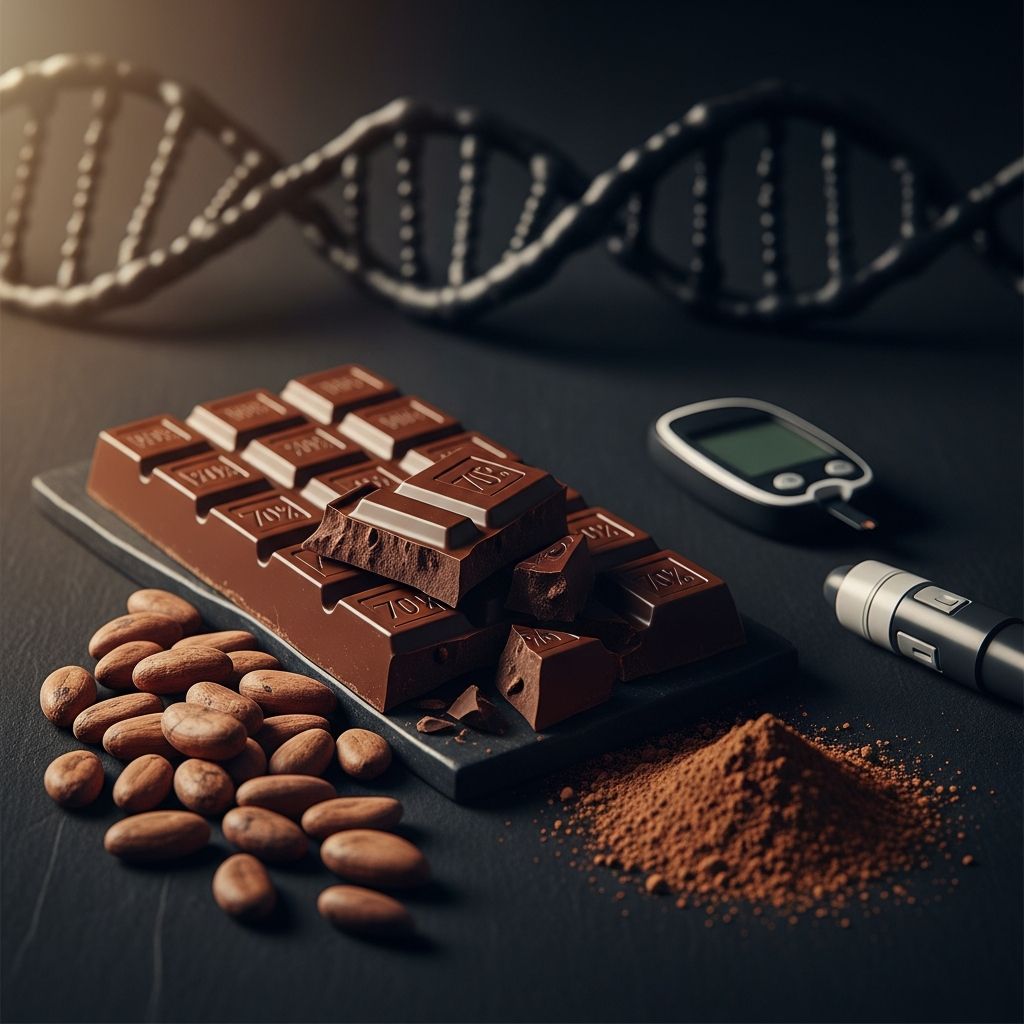
A groundbreaking study from Harvard T.H. Chan School of Public Health reveals that regular consumption of
dark chocolate
—but not milk chocolate—is associated with a significantly reduced risk of developingtype 2 diabetes (T2D)
. Participants eating at least five servings of dark chocolate per week showed a21% lower risk
compared to non-consumers.This research, published in the British Medical Journal, challenges previous inconsistent findings by distinguishing chocolate types and tracking long-term outcomes over 30+ years. Chocolate lovers may rejoice, but experts emphasize moderation and quality matter.
What the Study Found
The Harvard-led analysis drew from three massive cohorts: Nurses’ Health Study I and II, and the Health Professionals Follow-up Study, involving
192,000 adults
free of diabetes at baseline. Over the study period, nearly19,000
developed T2D, providing robust statistical power.- Any chocolate: ≥5 servings/week linked to
10% lower T2D risk
vs. rare/never consumers. - Dark chocolate: ≥5 servings/week associated with
21% lower risk
; each additional serving reduced risk by3%
linearly. - Milk chocolate: No T2D risk reduction; linked to
long-term weight gain
, a T2D contributor.
Among 112,000 participants reporting dark/milk specifics, ~5,000 developed T2D, highlighting dark chocolate’s superior benefits. Researcher Binkai Liu noted, “Not all chocolate is created equal—choosing dark over milk can positively impact health.”
Why Dark Chocolate? The Science Behind the Benefits
Dark chocolate’s edge stems from its
higher cocoa content
(typically ≥70%), rich inpolyphenols
—antioxidant flavonoids like catechins and procyanidins. These compounds may improve insulin sensitivity, reduce inflammation, and mitigate saturated fat/sugar effects.Corresponding author Qi Sun, PhD, explained: “Even with similar calories and saturated fat, dark chocolate’s polyphenols appear to offset negative impacts on weight and diabetes risk.” Milk chocolate, higher in sugar/milk solids and lower in cocoa, lacks these protective effects and promotes weight gain.
| Chocolate Type | Cocoa % | Key Compounds | T2D Risk Impact (≥5 servings/week) | Weight Effect |
|---|---|---|---|---|
| Dark | ≥70% | High polyphenols/flavonoids | 21% ↓ risk | No gain |
| Milk | 30-50% | Low polyphenols, high sugar | No benefit | Weight gain |
Subgroup analysis showed strongest benefits in those with high-quality diets and the all-male Health Professionals cohort, suggesting synergy with healthy eating.
Study Details and Methodology
Participants self-reported diet via validated food-frequency questionnaires every 4 years, including chocolate type, amount, and frequency. Servings were standardized at ~1 ounce (28g). Researchers adjusted for confounders like BMI, exercise, smoking, alcohol, and overall diet quality.
Key strengths:
- Longitudinal design: 30+ years follow-up minimizes reverse causation.
- Large sample: 192k participants, 19k events for precise hazard ratios.
- Chocolate subtypes: First major study differentiating dark vs. milk.
Limitations include self-reported data (potential recall bias), low average consumption (may not apply to heavy eaters), and residual confounding. Further RCTs are needed to confirm causality.
Health Implications: Should You Start Eating Dark Chocolate?
This study adds to evidence of dark chocolate’s cardiometabolic perks, including better blood pressure, cholesterol, and endothelial function—per meta-analyses from Cochrane and others. For T2D prevention, it supports
moderate intake
(1 oz/day or 5+ servings/week) as part of a balanced diet.Experts caution: Dark chocolate is calorie-dense (~150-170 kcal/oz). Pair with nuts, fruit, or post-exercise. Choose bars with minimal added sugar (<5g>
Milk chocolate eaters: Swap for dark to potentially avoid weight gain and gain polyphenol protection. The study links milk chocolate to poorer food choices like processed meats/added sugars.
Practical Tips for Incorporating Dark Chocolate
- Select quality: 70-85% cocoa solids; check labels for polyphenol-rich varieties (e.g., single-origin).
- Portion control: 1 square (0.5-1 oz) daily prevents excess calories.
- Pair wisely: With almonds, berries, or yogurt for fiber/protein synergy.
- Timing: Afternoon snack or post-meal to blunt blood sugar spikes.
- Alternatives: Cocoa powder/70%+ bars in smoothies, oatmeal, or baking.
Average study intake was low (~1-2 servings/week), so benefits at modest levels are promising for most.
Expert Reactions and Broader Context
Nutritionists applaud the nuance: “Dark chocolate’s flavonoids may enhance glucose metabolism via gut microbiota modulation and anti-inflammatory pathways,” per reviews in Nutrients. Prior studies (e.g., EPIC-Norfolk) showed inconsistent all-chocolate links, but this clarifies subtypes.
T2D affects 422 million globally (WHO); prevention via diet is key. This fits Mediterranean-style eating, where moderate dark chocolate correlates with lower chronic disease risk.
Frequently Asked Questions (FAQs)
What is the recommended amount of dark chocolate for diabetes prevention?
At least 5 servings (~1 oz each) per week, or about 1 oz daily, per the Harvard study—linked to 21% lower T2D risk.
Does milk chocolate have any health benefits?
No T2D risk reduction; associated with weight gain. Opt for dark instead.
Why does dark chocolate help more than milk?
Higher cocoa polyphenols improve insulin sensitivity and offset sugar/fat effects.
Is this study definitive proof?
Observational; shows strong association but needs RCTs for causation.
Who benefits most from dark chocolate?
Those with healthy diets; effects strongest in high-quality eaters.
Conclusion: A Sweet Strategy for Health
Harvard’s findings empower chocolate enthusiasts: Choose
dark
for potential T2D protection via polyphenols, while avoiding milk’s pitfalls. Moderation remains key in a nutrient-rich diet. More research will refine these insights, but for now, small swaps yield big rewards.References
- Eating dark chocolate linked with reduced risk of type 2 diabetes — Harvard T.H. Chan School of Public Health / EurekAlert!. 2024-12-04. https://www.eurekalert.org/news-releases/1066724
- Eating dark chocolate linked with reduced risk of type 2 diabetes — Harvard T.H. Chan School of Public Health. 2024-12-04. https://hsph.harvard.edu/news/eating-dark-chocolate-linked-with-reduced-risk-of-type-2-diabetes/
- Eating dark chocolate may help prevent type 2 diabetes, study finds — PhillyVoice. 2024-12-04. https://www.phillyvoice.com/dark-chocolate-health-benefits-diabetes/
- Dark chocolate may help lower type 2 diabetes risk — Medical News Today. 2024-12-05. https://www.medicalnewstoday.com/articles/dark-chocolate-may-help-lower-type-2-diabetes-risk
- How sweet! A daily dose of dark chocolate may cut your risk of diabetes — NPR Illinois. 2024-12-05. https://www.nprillinois.org/2024-12-05/how-sweet-a-daily-dose-of-dark-chocolate-may-cut-your-risk-of-diabetes
Similar Articles








Read full bio of medha deb