Dark Circles Under Eyes: Causes & Treatment
Discover what causes dark circles under your eyes and explore effective treatment options.
Dark Circles Under Your Eyes: Causes and Treatment Options
Dark circles under your eyes are a common concern that affects people of all ages. Whether you’re dealing with tired-looking eyes due to lack of sleep or experiencing persistent discoloration beneath your eyes, understanding the underlying causes is the first step toward finding an effective solution. While dark circles are usually not a sign of a serious medical problem, they can impact your appearance and confidence. Fortunately, multiple treatment options are available, ranging from simple home remedies to professional medical procedures.
What Are Dark Circles?
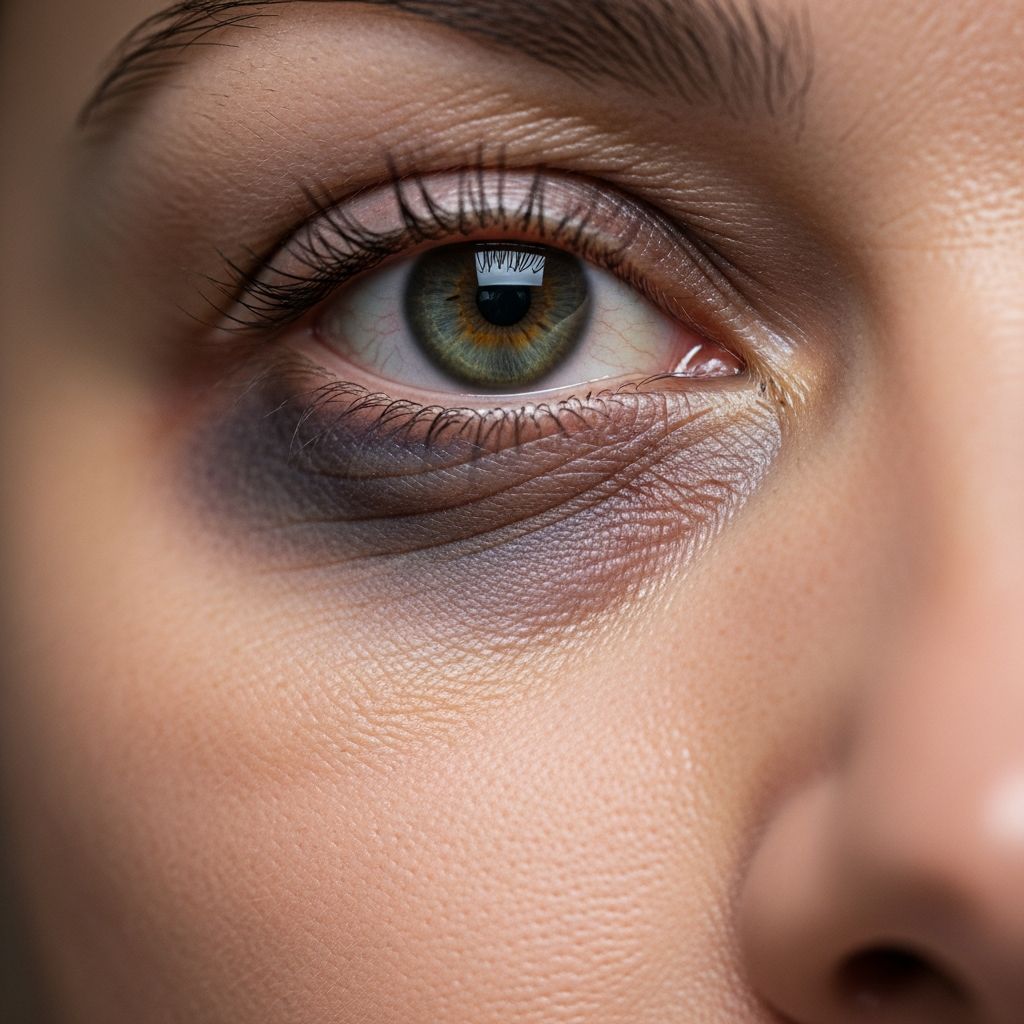
Dark circles are darkened areas of skin that appear beneath the eyes, often making a person look fatigued, older, or unwell. They can manifest as subtle shadows or more pronounced discoloration, and their appearance varies from person to person. The skin around your eyes is significantly thinner than the skin on the rest of your face, making this delicate area more prone to showing signs of aging, pigmentation changes, and blood vessel visibility.
Common Causes of Dark Circles
Understanding what triggers dark circles is essential for selecting the most appropriate treatment. Multiple factors can contribute to their development:
Lack of Sleep
One of the most common causes of dark circles is insufficient sleep. When you don’t get enough rest, your skin becomes dull and fatigued, and blood vessels beneath your eyes can become more dilated and visible. This increased visibility of blood vessels contributes to the darkened appearance under your eyes. Additionally, poor sleep can cause fluid to accumulate in the tissue surrounding your eyes, leading to puffiness that casts shadows and makes dark circles appear more prominent.
Genetics
Your genetic makeup plays a significant role in determining whether you’re predisposed to dark circles. Some individuals naturally have thinner skin around the eyes, which makes the underlying blood vessels more visible. If your parents had dark circles, there’s a higher likelihood that you will too. Genetics also influence skin pigmentation and collagen production, both of which affect how pronounced dark circles appear.
Aging
As you age, your skin naturally loses collagen and elastin, which are proteins responsible for maintaining skin thickness and elasticity. The skin around your eyes becomes progressively thinner with age, allowing the blood vessels and underlying tissue to show through more easily. Additionally, the fat pads beneath your eyes can shift over time, creating hollows that cast shadows and make dark circles more noticeable.
Allergies
Allergies can cause dark circles, particularly through a condition known as allergic shiners. When you have nasal allergies, congestion in your sinus cavities causes swelling in the veins under your eyes, leading to discoloration and puffiness. Over-the-counter and prescription allergy medications can help relieve nasal congestion and reduce the appearance of allergic shiners within a few weeks.
Dehydration
When your body lacks adequate hydration, the skin around your eyes can appear hollow and sunken. This dehydration can make dark circles more noticeable by reducing the skin’s plumpness and elasticity. Ensuring you drink sufficient water throughout the day can help improve skin hydration and potentially reduce the appearance of dark circles.
Related Stories



Sun Exposure
Excessive sun exposure can trigger the production of excess melanin in the delicate under-eye area, leading to pigmentation issues and darkening of the skin. The cumulative effects of UV damage over time can make dark circles more pronounced. Using broad-spectrum sunscreen with an SPF of at least 30, even on cloudy days, can help prevent sun-related pigmentation and protect your skin.
Lifestyle Factors
Several lifestyle habits can contribute to dark circles, including smoking, excessive alcohol consumption, and poor diet. These factors can affect skin health and blood circulation, making dark circles more visible. Smoking restricts blood flow, while alcohol can dehydrate your body and skin. A diet lacking in essential nutrients may also compromise skin quality and increase the appearance of dark circles.
Medical Conditions
In some cases, dark circles may be associated with underlying medical conditions. Anemia, which reduces oxygen levels in the blood, can cause dark circles due to poor circulation. Sinus congestion can also lead to darkening around the eyes due to increased pressure in the area.
Home Remedies and Self-Care Strategies
If you’re looking for simple and accessible ways to reduce the appearance of dark circles, several home remedies and self-care approaches can help:
Cold Compress Application
Applying something cold to the under-eye area can help shrink dilated blood vessels, which may reduce the appearance of dark circles and puffiness. You can use cold spoons, a cold, wet cloth, or a bag of frozen peas wrapped in a soft cloth. Hold the cold compress against your eyes for up to 10 minutes several times a day for best results. This simple remedy is particularly effective for circles caused by poor circulation or swelling.
Targeted Eye Products
Many over-the-counter eye products are specifically formulated to address dark circles. While these products are not regulated by the FDA, many contain ingredients that have been shown in studies to reduce the appearance of dark circles. Look for products containing kojic acid, caffeine, and vitamin K, which can help brighten the under-eye area and improve circulation. Additionally, eye creams with ingredients like retinol, vitamin C, and hyaluronic acid can brighten, hydrate, and firm the skin, gradually reducing darkness and puffiness.
Sun Protection
Protecting your skin from UV damage is crucial for preventing and reducing dark circles caused by sun exposure. Apply a broad-spectrum sunscreen with an SPF of at least 30 to your face and under-eye area every day, even on cloudy days. Reapply sunscreen every two hours, or more frequently if you’re swimming or sweating. Many moisturizers contain sunscreen, making it easy to incorporate sun protection into your daily routine.
Lifestyle Modifications
Making positive lifestyle changes can significantly improve the appearance of dark circles. Get adequate sleep each night—most adults need seven to nine hours—to help your skin rejuvenate. Limit alcohol consumption, as excessive drinking can dehydrate your skin and worsen dark circles. Stay well-hydrated by drinking plenty of water throughout the day, eat a balanced diet rich in vitamins and minerals, and avoid smoking, which can compromise skin health and circulation.
Professional Medical Treatments
For more significant dark circles or when home remedies prove insufficient, several professional treatment options are available:
Laser Therapy
Laser therapy can be an effective option for treating dark circles by targeting pigmentation and stimulating collagen production. This treatment can help reduce discoloration and improve skin texture in the under-eye area. Your healthcare provider can determine whether laser therapy is appropriate for your specific situation.
Chemical Peels
Chemical peels work by exfoliating dead skin cells and stimulating collagen production, which can help reduce pigmentation and create a more even-toned, brighter under-eye area. Over time, this treatment can result in less visible discoloration, especially for circles caused by hyperpigmentation. Multiple sessions may be necessary to achieve optimal results.
Dermal Fillers
Injectable fillers, particularly those made with hyaluronic acid, can address hollowing under the eyes that often casts shadows and makes dark circles appear more prominent. Fillers work by plumping the under-eye area and creating a smoother, more youthful appearance. Results from dermal fillers are typically immediate, though they require periodic maintenance as the filler gradually breaks down over time.
Tear Trough Treatment
Tear trough treatments are specialized filler applications that address the hollows between the lower eyelid and cheek. These treatments provide immediate and long-lasting results by making the under-eye area look plumper and reducing the appearance of dark circles and under-eye bags. Effects are typically visible right after treatment and continue to improve over the following weeks as the filler settles. Full results typically stabilize within 2-4 weeks.
Platelet-Rich Plasma (PRP) Therapy
PRP therapy rejuvenates the skin by stimulating collagen production and improving skin texture and elasticity. This treatment involves extracting and concentrating platelets from your blood, then injecting them into the under-eye area. PRP therapy results in a firmer, brighter under-eye area with reduced discoloration and is particularly beneficial for dark circles caused by thinning skin and poor circulation.
Under-Eye Fat Transfer
Under-eye fat transfer is a natural type of dermal filler that can perk up tired-looking eyes and make you appear more youthful and refreshed. This procedure involves harvesting fat from another area of your body and transferring it to the under-eye area to restore volume and reduce the appearance of hollow areas and shadows.
When to See a Healthcare Provider
While dark circles are usually not a cause for concern, certain situations warrant a visit to your healthcare provider. If your dark circles persist for longer than a few weeks, generally appear during certain times of the year, or are accompanied by excessive swelling, consult a healthcare professional. They can review your medical history, ask about your symptoms, and conduct a physical examination to determine if an underlying medical condition requires special treatment.
If your healthcare provider suspects your dark circles are allergic shiners, they may refer you to an allergist. An allergist specializes in allergies and can conduct tests to help diagnose the specific allergens causing your dark circles. If over-the-counter and prescription allergy medications don’t resolve your allergic shiners, your provider may recommend immunotherapy (allergy shots) or sublingual immunotherapy (allergy tablets or drops) to help your body build tolerance to allergens.
Dark Circles in Children
Dark circles can also appear in children for various reasons. In addition to the common causes affecting adults, children may develop dark circles due to dehydration, snoring, or eye injuries. If you’re concerned about dark circles under your child’s eyes, discuss them with your child’s healthcare provider to rule out any underlying issues.
Comparison of Treatment Approaches
| Treatment Option | Results Timeline | Durability | Cost Level |
|---|---|---|---|
| Cold Compress | Immediate | Temporary (hours) | Low |
| Eye Creams/Serums | Gradual (weeks to months) | Ongoing use required | Low to Moderate |
| Chemical Peels | Progressive (multiple sessions) | Several months | Moderate |
| Dermal Fillers | Immediate | 6-12 months | High |
| Laser Therapy | Progressive (multiple sessions) | Several months to years | Moderate to High |
| PRP Therapy | Progressive (weeks) | 6-12 months | High |
| Fat Transfer | Progressive (weeks to months) | Long-lasting | Very High |
Frequently Asked Questions About Dark Circles
Q: Are dark circles a sign of a serious medical condition?
A: Most dark circles are not a sign of a serious medical problem. They’re typically caused by aging, genetics, fatigue, or allergies. However, if dark circles persist for longer than a few weeks or are accompanied by other symptoms, consult your healthcare provider to rule out underlying conditions.
Q: How can I prevent dark circles from forming?
A: You can help prevent dark circles by getting adequate sleep (7-9 hours per night), staying well-hydrated, using sunscreen daily, limiting alcohol consumption, avoiding smoking, eating a balanced diet, and managing allergies. These lifestyle modifications can significantly reduce your risk of developing dark circles.
Q: How long do dermal filler results last?
A: Dermal filler results typically last 6-12 months, depending on the type of filler used and individual factors. Hyaluronic acid-based fillers are gradually absorbed by your body over time. To maintain results, you’ll need periodic touch-up treatments.
Q: Can I use regular face cream under my eyes?
A: While some regular face creams may be safe for the under-eye area, it’s best to use products specifically formulated for this delicate region. Eye-specific products are typically gentler and contain ingredients specifically designed to address concerns like dark circles and fine lines.
Q: Are home remedies effective for all types of dark circles?
A: Home remedies are most effective for dark circles caused by fatigue, dehydration, or temporary swelling. For dark circles caused by genetics, aging, or pigmentation issues, professional medical treatments may be more effective for achieving noticeable results.
Q: What are allergic shiners?
A: Allergic shiners are dark circles caused by nasal allergies. They occur when congestion in your sinus cavities causes swelling in the veins under your eyes, leading to discoloration. Allergy medications can help relieve nasal congestion and reduce allergic shiners within a few weeks.
Taking Action: Your Path Forward
Dark circles under your eyes don’t have to be permanent. By identifying the underlying cause and selecting an appropriate treatment strategy, you can significantly improve the appearance of your under-eye area. Start with simple home remedies like cold compresses and targeted eye products, then consider professional treatments if desired. Remember that consistency is key—whether using skincare products or following a treatment plan, maintaining your regimen will yield the best results. If dark circles persist or concern you, schedule a consultation with a healthcare provider who can offer personalized recommendations tailored to your specific needs and skin type.
References
- Dark Circles Under The Eyes: Causes & Treatment — Cleveland Clinic. 2024. https://my.clevelandclinic.org/health/symptoms/23128-dark-circles-under-eyes
- Tear Trough Treatments for Dark Circles and Under-Eye Bags — Body Dezign House. https://bodydezignhouse.com/conditions-dark-circles/
- Dark Circles Under Eyes: Causes — Mayo Clinic. https://www.mayoclinic.org/symptoms/dark-circles-under-eyes/basics/causes/sym-20050624
- Allergic Shiners: Causes, Symptoms & Treatment — Cleveland Clinic. 2024. https://my.clevelandclinic.org/health/diseases/allergic-shiners
- Under Eye Fat Transfer: What To Expect, Recovery & Side Effects — Cleveland Clinic. https://my.clevelandclinic.org/health/treatments/23319-under-eye-fat-transfer
Similar Articles








Read full bio of Sneha Tete