Dark Circles Under the Eyes: Causes and Treatments
Understanding dark circles: causes, types, and effective treatment options explained.
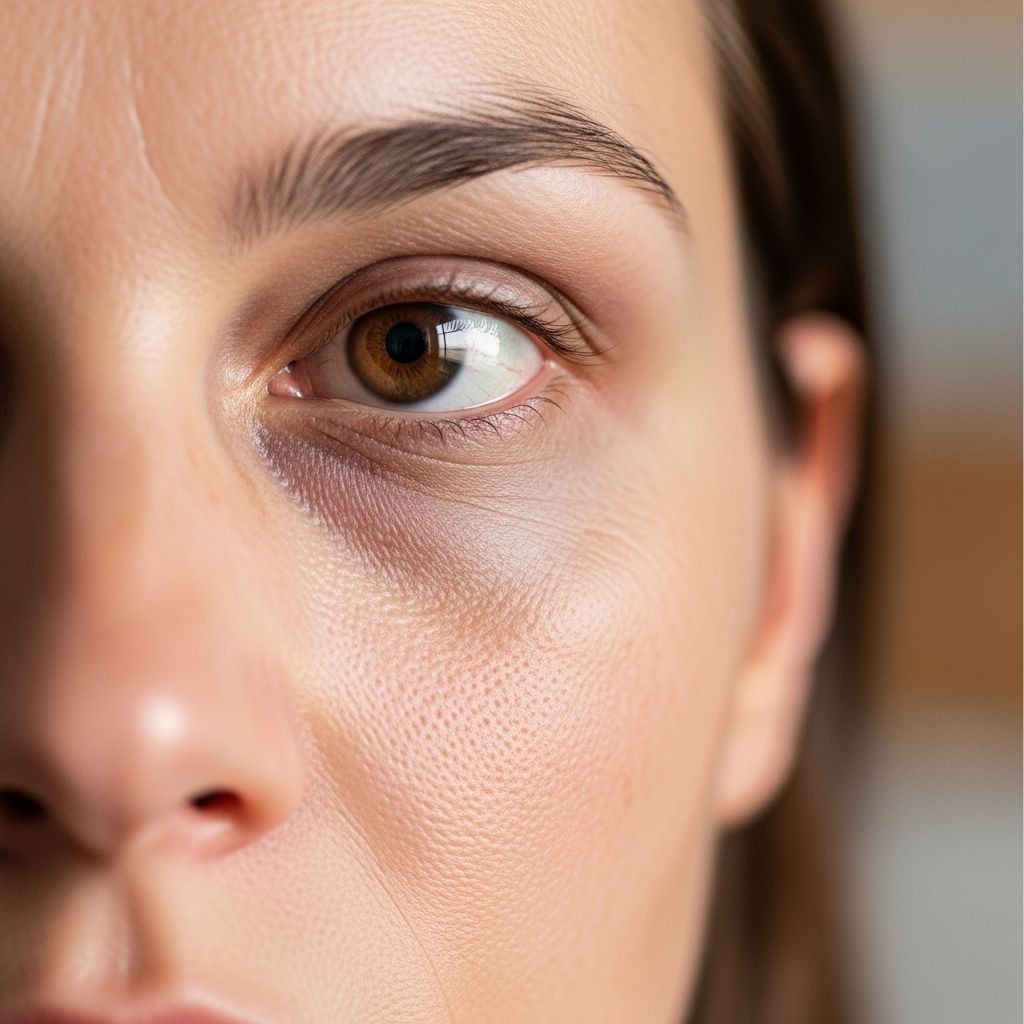
Dark Circles Under the Eyes
Dark circles under the eyes are a common cosmetic concern affecting individuals of all ages and skin types. These darkened areas beneath the eyes can result from various physiological and environmental factors, ranging from simple fatigue to underlying structural changes in the periorbital region. Understanding the specific cause of dark circles is essential for selecting appropriate treatment options, as different etiologies require distinctly different therapeutic approaches.
What Are Dark Circles?
Dark circles under the eyes, medically referred to as infraorbital dark circles, are characterized by darkened pigmentation or shadowing in the area directly beneath the lower eyelid. This condition occurs due to a combination of anatomical, vascular, and pigmentary factors unique to the periorbital region. The skin under the eyes is among the thinnest on the entire body, containing minimal subcutaneous fat and consisting of delicate layers that are particularly susceptible to changes in vasculature, pigmentation, and structural integrity.
Types and Causes of Dark Circles
Dark circles can be classified into several distinct categories, each with unique underlying mechanisms and requiring tailored treatment approaches. Most individuals experience a combination of these types, making comprehensive evaluation essential for optimal treatment outcomes.
Vascular Dark Circles (Bluish or Purplish)
Vascular dark circles appear bluish or purplish in color and result from the visibility of blood vessels beneath the thin periorbital skin. The skin under the eyes contains minimal melanin and is exceptionally thin, making underlying vasculature prominently visible. Several mechanisms contribute to this type:
- Poor circulation and blood pooling beneath the eyes creates a bluish tint
- Chronic rubbing of the eyes causes blood vessel dilation and irritation
- Allergic reactions and sinus congestion dilate blood vessels in the periorbital region
- Nasal congestion exacerbates vascular prominence
- Hereditary thin skin allows greater vessel visibility
The color intensity of vascular dark circles varies depending on skin tone and the depth of underlying vasculature. Cold temperatures can temporarily worsen this condition by causing initial vasoconstriction followed by reactive vasodilation.
Structural Dark Circles (Hollow Eyes and Tear Troughs)
Structural dark circles develop due to anatomical changes in the periorbital region, including loss of volume, development of hollow areas, and shadow formation. These changes are primarily age-related but can also result from genetic predisposition. Key characteristics include:
- Formation of tear troughs (depressed areas beneath the lower eyelid)
- Loss of subcutaneous fat and collagen in the periorbital area
- Descent of fat pads that normally support the eyelid structure
- Development of shadows that create the appearance of darkness
- Loss of skin elasticity leading to sagging
As individuals age, the skin naturally loses elasticity and structural support, leading to hollowing beneath the eyes. These anatomical changes create shadows that appear as dark circles independent of vascular or pigmentary factors.
Puffy Under Eyes with Fluid Retention
Puffy under-eye bags often accompany dark circles due to fluid accumulation and swelling in the periorbital region. Multiple factors contribute to this presentation:
Related Stories



- Fluid retention, particularly during sleep or after consuming salty foods
- Poor lymphatic drainage preventing efficient fluid removal
- Allergic reactions causing periorbital inflammation
- Sinus congestion contributing to localized swelling
- Age-related changes in skin elasticity allowing greater fluid accumulation
- Chronic eye rubbing causing inflammation and darkening
Puffiness is often most pronounced upon waking, as fluid tends to accumulate in dependent areas overnight. Persistent swelling can stretch and thin the surrounding skin, creating a more pronounced dark circle appearance.
Pigmented Dark Circles (Hyperpigmentation)
Pigmented dark circles result from excess melanin deposition in the periorbital skin and appear brown, gray, or dark in color. This type is particularly common in individuals with darker skin tones and higher baseline melanin levels.
- UV exposure stimulating melanin production
- Post-inflammatory hyperpigmentation from chronic eye rubbing
- Eczema and dermatitis causing inflammation and pigmentary changes
- Hormonal influences contributing to pigmentation patterns
- Genetic predisposition to infraorbital hyperpigmentation
Unlike vascular dark circles, pigmented circles do not change appearance with lighting conditions or temperature changes. This type is particularly resistant to simple remedies and often requires targeted pigmentation treatments.
Thin or Crepey Skin
Thin, crepey periorbital skin allows underlying vascular and pigmentary elements to appear more prominent. This type develops through accumulated sun damage, age-related collagen loss, and genetic factors. The compromised skin barrier becomes increasingly transparent, making underlying structures more visible.
Associated Factors and Risk Groups
Certain populations experience dark circles with greater frequency due to genetic, physiological, and lifestyle factors:
- Older adults experiencing cumulative age-related skin changes
- Individuals with darker skin tones prone to hyperpigmentation
- Those with family history of dark circles or periorbital changes
- Individuals experiencing chronic sleep deprivation and fatigue
- People with allergies or chronic sinus conditions
Additional contributing factors include tobacco and alcohol use, excessive screen time, poor dietary habits, dehydration, and certain medications including oral contraceptives and specific pharmaceutical agents.
Medical Conditions Associated with Dark Circles
While dark circles are typically benign cosmetic concerns, certain medical conditions can contribute to their development:
- Dermatomyositis – an autoimmune inflammatory condition
- Melasma – idiopathic facial hyperpigmentation
- Nevus of Ota – a benign pigmented lesion
- Sleep disorders and sleep apnea
- Thyroid disease affecting metabolism and fluid balance
Medical evaluation may be warranted if dark circles develop suddenly, are accompanied by other symptoms, or significantly impact quality of life.
Treatment Options
Management of infraorbital dark circles requires identifying the specific constellation of causative factors present to customize therapy appropriately. Treatment ranges from non-invasive approaches to more aggressive surgical interventions.
Treatment for Vascular Dark Circles
Vascular dark circles respond well to treatments targeting blood vessel appearance and visibility:
- Cold compresses – temporarily shrinks blood vessels and reduces swelling through vasoconstriction
- Caffeine-based eye creams – constrict blood vessels to reduce darkness and may reduce puffiness
- Laser treatments – including Nd:YAG and diode lasers targeting hemoglobin to reduce vessel visibility
- Collagen-stimulating therapies – thicken skin through microneedling or radiofrequency to better conceal underlying vessels
- Retinoid creams – improve skin thickness and collagen production over time
Treatment for Structural Dark Circles
Structural dark circles and tear troughs require volume restoration and skin thickening approaches:
- Hyaluronic acid fillers – restore lost volume and lift shadows through temporary augmentation
- Tear trough fillers – specifically designed to address depressed areas beneath the lower eyelid
- Microneedling – boosts collagen production to improve skin thickness and elasticity
- Fat transfer – uses autologous adipose tissue for long-term volume replacement
- Peptide and retinol eye creams – stimulate collagen to enhance skin elasticity and firmness
- Platelet-rich plasma (PRP) – encourages tissue regeneration and collagen remodeling
Treatment for Pigmented Dark Circles
Pigmented dark circles require targeted depigmentation and melanin reduction strategies:
- Daily sunscreen – prevents further UV-induced pigmentation progression
- Brightening ingredients – vitamin C, kojic acid, and niacinamide reduce excess melanin
- Chemical peels – exfoliate pigmented skin layers to even out tone
- Laser treatments – including fractional CO2, Fraxel, and Clear and Brilliant target and break up melanin deposits
- Hydroquinone creams – prescription-strength bleaching agents reducing melanin production
- Retinoids – accelerate skin cell turnover and reduce pigmentation
Treatment for Thin or Crepey Skin
Thin skin requires collagen stimulation and barrier reinforcement:
- Collagen-stimulating injectables – rebuild skin structure and thickness
- Radiofrequency and ultrasound treatments – stimulate deep collagen production
- Hydrating and peptide-based eye creams – improve elasticity and strengthen the skin barrier
- Lower blepharoplasty – surgically removes excess loose skin for firmer appearance
Treatment for Puffy Under Eyes
Puffy under-eye bags can be managed through multiple approaches addressing fluid retention and structural changes:
- Caffeine-based products – reduce swelling through vasculature constriction
- Cold therapy – temporarily reduces inflammation and puffiness
- Lymphatic drainage massage – encourages fluid movement from periorbital tissues
- Allergy management – treating underlying allergies reduces inflammatory swelling
- Dietary modifications – reducing sodium and alcohol intake decreases fluid retention
- Lower eyelid blepharoplasty – surgically removes or repositions excess fat pads
Preventive Measures and Lifestyle Modifications
Several lifestyle changes can help prevent dark circles from developing or worsening:
- Prioritize sleep – aim for 7–9 hours nightly to prevent fatigue-related darkening
- Maintain hydration – drink adequate water to prevent dehydration-related changes
- Reduce eye strain – take frequent breaks from screens and maintain proper lighting
- Manage allergies and sinus issues – treating congestion prevents vessel dilation and swelling
- Maintain healthy diet – consume antioxidants, vitamins, and omega-3s supporting skin health
- Avoid tobacco and limit alcohol – both contribute to skin damage and dehydration
- Apply sunscreen daily – prevent UV-induced pigmentation and skin damage
- Minimize eye rubbing – chronic rubbing causes inflammation and darkening
Frequently Asked Questions
Q: Are dark circles a sign of a serious health problem?
A: Dark circles are usually cosmetic concerns unrelated to serious health issues. However, they can occasionally indicate underlying conditions like thyroid disease, sleep disorders, or allergies. Consult a healthcare provider if dark circles develop suddenly or accompany other symptoms.
Q: Can dark circles be permanently removed?
A: Many treatments can significantly improve dark circles, but permanent elimination depends on the underlying cause. Structural changes may require ongoing maintenance treatments like fillers, while pigmentation may fade with consistent depigmentation therapy. Surgical approaches offer more permanent results but involve greater recovery time.
Q: What is the most effective treatment for dark circles?
A: Treatment effectiveness depends on the specific cause. Vascular circles respond well to lasers and cold therapy, structural circles benefit from fillers, and pigmented circles improve with laser treatments and depigmenting creams. Customized combination approaches often yield the best results.
Q: How long do results from dark circle treatments last?
A: Results vary by treatment type. Cold compresses and creams provide temporary relief, fillers typically last 6–12 months, and laser treatments may require periodic touch-ups. Surgical interventions offer longer-lasting results but are irreversible.
Q: Can home remedies effectively treat dark circles?
A: Home remedies like cold compresses, adequate sleep, hydration, and dietary changes can help reduce appearance, particularly for vascular and puffy circles. However, structural and pigmented circles typically require professional treatments for significant improvement.
Q: Are dark circles more common in certain populations?
A: Yes, dark circles are more prevalent in older adults, individuals with darker skin tones, and those with family history of dark circles. Certain medical conditions and lifestyle factors also increase susceptibility.
Q: Should I see a dermatologist for dark circles?
A: A dermatologist can identify the specific cause of your dark circles and recommend appropriate treatments. They are particularly helpful for persistent circles unresponsive to home remedies or those causing psychological distress.
References
- Dark Circles Under Eyes: 5 Causes & Best Treatments — Allure Aesthetics LLC. 2025. https://allureaestheticsllc.com/blog/dark-circles-under-eyes/
- What Causes Dark Circles Under the Eyes? — GoodRx. 2024. https://www.goodrx.com/health-topic/dermatology/what-causes-dark-circles-under-the-eyes-and-how-to-treat-them
- 3 Effective Treatments for Dark Circles Under the Eyes — Dr. Khorasani. 2024. https://www.drkhorasani.com/post/3-effective-treatments-for-dark-circles-under-the-eyes
- Infraorbital Dark Circles: A Review of the Pathogenesis, Evaluation, and Management — National Center for Biotechnology Information. 2016. https://pmc.ncbi.nlm.nih.gov/articles/PMC4924417/
- Dark Circles Under The Eyes: Causes & Treatment — Cleveland Clinic. 2023. https://my.clevelandclinic.org/health/symptoms/23128-dark-circles-under-eyes
- What Causes Bags and Dark Circles Under Eyes? — Cigna Healthcare. 2024. https://www.cigna.com/knowledge-center/bags-dark-circles-under-eyes
Similar Articles








Read full bio of medha deb