The Day of Surgery: Getting Ready for the Operating Room
Complete guide to preparing for surgery day and understanding the operating room experience.
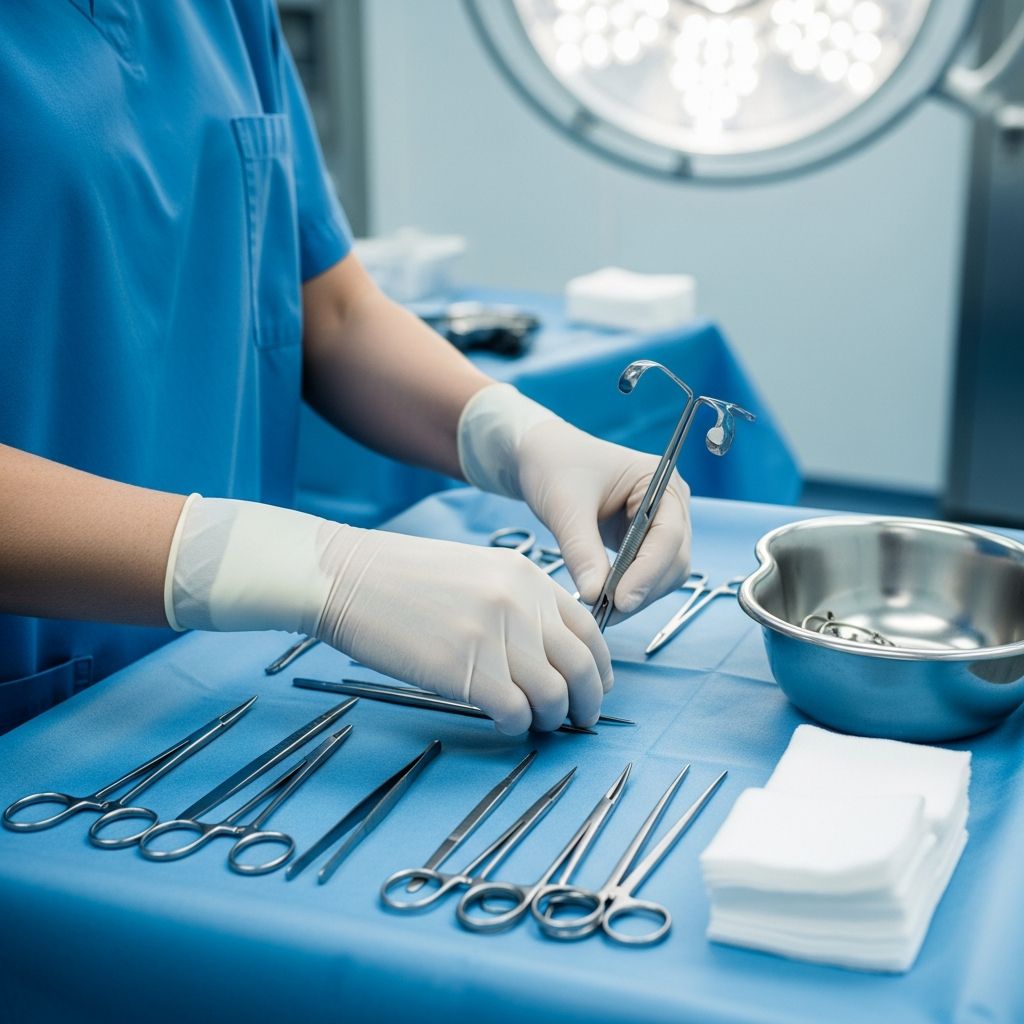
Surgery day represents a significant milestone in your medical journey. Proper preparation before entering the operating room can substantially improve your surgical outcomes, reduce potential complications, and facilitate faster recovery. This comprehensive guide covers everything you need to know about preparing for surgery and what to expect when you arrive at the hospital.
Understanding the Importance of Pre-Operative Preparation
Following specific preparation steps before your surgery is not merely a procedural formality—it is a critical component of ensuring your safety and optimizing your results. When patients comply with pre-operative instructions, they often experience better recovery outcomes, fewer complications, and shorter hospital stays. Healthcare providers focus on your overall health and medical history to eliminate or minimize any complications related to underlying health conditions. Additionally, attention to nutrition and hydration before surgery ensures your body is strong and well-prepared for the procedure ahead.
Pre-Operative Instructions and Checklist
Your surgical team will provide you with a detailed checklist that outlines everything you need to do before arriving at the hospital. This checklist typically includes:
- What items to bring to the hospital
- What to wear on surgery day
- Where to check in upon arrival
- What to expect during the pre-operative period
- Specific preparation procedures, which may include cleaning with special wipes
- Fasting requirements and timing
- Medications to take or avoid
Following this checklist meticulously helps prevent infection, ensures your procedure can proceed as planned, and demonstrates your commitment to a successful surgical experience.
Nutrition and Hydration Guidelines
Your surgical team will inform you precisely when and what you are permitted to eat and drink starting the day before your surgery. These instructions are essential because operating on a full stomach can create serious complications during anesthesia. Staying properly hydrated throughout the entire pre-operative process is vital to enhancing your recovery after surgery is completed.
Typically, you will receive specific NPO (nothing by mouth) guidelines that specify:
- When to stop consuming solid foods
- When to stop drinking clear liquids
- When to stop consuming milk products
- When fasting should begin before your scheduled procedure time
These guidelines vary depending on the type of procedure and type of anesthesia, so follow your specific instructions carefully.
Designating a Support Person
Your surgical team strongly recommends that you designate one family member or friend to be with you throughout the entire process. This support person will accompany you to pre-operative areas, wait during your procedure, and assist you during the immediate post-operative period. Having a designated support person helps ensure smooth communication with your medical team and provides emotional comfort during this significant medical event.
What to Bring to the Hospital
On surgery day, bring the following essential items:
Related Stories



- Insurance cards and photo identification
- List of current medications and supplements
- Any pre-operative instructions or forms from your surgeon
- A comfortable change of clothes for after surgery
- Any required medical documents
- A small comfort item if permitted by your facility
Avoid wearing jewelry, makeup, nail polish, or other personal items that could interfere with monitoring equipment or surgical procedures. Wear loose, comfortable clothing that is easy to remove.
Arrival and Registration Process
When you arrive at the hospital on surgery day, you will proceed to the registration or check-in area. The staff will provide you with a packet containing all the information you need for the day. During registration, you will complete any remaining paperwork, verify your insurance information, and receive your patient identification materials. The registration staff will answer any preliminary questions and direct you to the appropriate pre-operative waiting area.
The Pre-Operative Area Experience
Once you have checked in, you will be shown to the pre-operative area, also called pre-op. This is where the active preparation for your surgery occurs. In the pre-op area, you will meet with various members of your surgical team who will prepare you for your procedure.
Initial Vital Signs Assessment
Your pre-operative nurse will begin by measuring your height and weight. They will then check your vital signs, including oxygen saturation, blood pressure, and temperature. These measurements help ensure that your body is ready for your procedure and establish baseline values for comparison during and after surgery.
Patient Identification and Gowning
Your nurse will provide you with a patient identification bracelet containing your name and relevant medical information. This bracelet is critical for ensuring that you receive the correct procedure and medications throughout your surgical experience. You will also change into hospital pajamas or a surgical gown at this time. If you feel cold, nursing staff can provide warm blankets for your comfort.
Meeting Your Surgical Team
During your time in the pre-operative area, you will meet several key members of your healthcare team:
- Your surgeon will review the procedure, answer any last-minute questions, and confirm surgical consent
- The anesthesia team (anesthesiologist or nurse anesthetist) will discuss anesthesia options, risks, and what to expect
- The operating room nurse will review your medical history and ensure all preparations are complete
- Additional nursing staff will provide support and address any concerns
Each team member will go over consent forms with you and answer any questions about your procedure. This is your opportunity to clarify any concerns and ensure you fully understand what will happen during surgery.
Medical History Review and Pre-Operative Medications
Your pre-operative team will review your complete medical history, including any chronic conditions, previous surgeries, medication allergies, and current medications. This information is essential for ensuring that your anesthesia and surgical care are customized to your specific needs. Depending on your medical history and the type of surgery, a member of the pre-operative team may order pre-operative medications to help manage pain, anxiety, or nausea before you enter the operating room.
Entering the Operating Room
When the operating room is ready for you, the operating room nurse and anesthesia team will escort you to the operating room. This is typically the last moment you will be conscious before surgery begins. The operating room will likely feel cool and brightly lit, and you will notice various monitors and equipment surrounding the surgical bed. This controlled environment is designed to maintain the highest standards of sterility and safety during your procedure.
Positioning and Monitoring Setup
Once you are in the operating room, nursing staff will help you move onto the surgical bed. The anesthesia team will attach several monitoring devices to your body to track your vital functions during surgery. These devices typically include:
- EKG stickers placed on your chest to monitor your heart rhythm
- A pulse oximeter attached to your finger to measure oxygen saturation and heart rate
- A blood pressure cuff on your arm to continuously monitor blood pressure
- Temperature monitoring devices to track your body temperature
These stickers and devices help the doctors monitor that your body remains healthy throughout your surgery and allow them to respond immediately to any changes.
Anesthesia Administration
When everything is ready and all monitors are functioning properly, the anesthesiologist will administer your anesthesia. This may be delivered through a mask that you breathe in, through an intravenous (IV) line, or through a combination of both methods. The anesthesiologist will instruct you to breathe deeply, and within moments, you will gradually become sleepy and lose consciousness. You will not feel any pain during surgery, and you will have no memory of the procedure.
During Your Surgery
While you are under anesthesia, your surgical team will perform your procedure using advanced techniques and equipment. The anesthesia team will continuously monitor your heart rate, blood pressure, oxygen saturation, temperature, and breathing throughout the entire procedure. If any changes occur in your vital signs, the team will make immediate adjustments to ensure your safety and comfort. The operating room staff maintains strict sterile protocols throughout the procedure to minimize infection risk and ensure the best possible outcome.
Post-Operative Care and Recovery
After your surgery is completed, you will be moved to the recovery area, also called the post-anesthesia care unit (PACU). As you wake up from anesthesia, nursing staff will monitor you closely and provide comfort measures. Depending on the type of surgery you had, your recovery protocol will focus on specific areas:
- Fluid intake management to ensure proper hydration
- Mobility and walking as tolerated to promote circulation and prevent complications
- Dietary progression starting with clear liquids and advancing to regular foods as tolerated
- Pain management using medications and other comfort techniques
You will be ready to go home when you are fully hydrated, your pain is well controlled, and you can move about safely and comfortably. Feel free to ask your nurse or physical therapist for assistance at any time following your procedure.
Arranging Post-Operative Support
Your surgical team will work with you to arrange any special care that may be needed after your surgery. This ensures a smooth transition and provides you with plenty of support when you need it most. Whether you need help from family members or require care at a rehabilitation facility, your team will coordinate these arrangements in advance so everything is in place before you leave the hospital.
Frequently Asked Questions
What should I do if I am nervous about surgery?
It is completely normal to feel nervous about surgery. Share your concerns with your surgical team during pre-operative visits. They can provide additional information, answer questions, and in some cases, recommend anxiety management techniques or medications to help you feel more comfortable.
Can my support person stay with me during pre-op?
In most facilities, your designated support person can remain with you in the pre-operative area and will be able to see you briefly after surgery in the recovery area. Ask your surgical team about your facility’s specific policies regarding family presence during various stages of your surgical experience.
What happens if I need to take medications on the morning of surgery?
Your pre-operative instructions will specify which medications you should take on the morning of surgery and which ones you should skip. Some medications should be taken with a small sip of water, while others should be avoided. Follow these instructions precisely, and if you have questions, contact your surgeon’s office before surgery day.
How long will I be in the operating room?
The time you spend in the operating room varies depending on the complexity and type of your procedure. Your surgical team can provide an estimated timeframe during your pre-operative consultations. Remember that this timing does not include time spent in pre-operative preparation or post-operative recovery.
What can I expect to feel like when I wake up from anesthesia?
When you wake up from anesthesia, you may feel groggy, drowsy, or confused temporarily. You might experience a dry mouth, mild sore throat, or nausea. Pain levels vary depending on the procedure. Your recovery team will provide medications and comfort measures to address these sensations. Most patients feel increasingly alert within the first hour after waking.
When can I resume normal activities after surgery?
Your ability to resume normal activities depends on the type of surgery you had and how well your recovery progresses. Your surgeon will provide specific guidelines for activity restriction and when you can return to work, exercise, and other normal activities. Always follow your surgeon’s post-operative instructions rather than making assumptions based on how you feel.
Key Takeaways for Surgery Day Success
Preparing properly for surgery day significantly improves your surgical experience and recovery. Follow all pre-operative instructions provided by your surgical team, arrive early to allow adequate time for check-in and pre-operative preparation, bring all required documents and items, designate a supportive family member or friend to accompany you, and do not hesitate to ask questions if anything is unclear. Remember that your surgical team is committed to your safety and optimal outcomes. By working together and following the recommended preparation steps, you can approach your surgery day with confidence and achieve the best possible results.
References
- Johns Hopkins Medicine – Preparing for Surgery at Howard County General Hospital — Johns Hopkins Medicine. 2023. https://www.hopkinsmedicine.org
- Johns Hopkins Children’s Center – Preparing for Surgery Guide — Johns Hopkins Medicine. 2023. https://www.hopkinsmedicine.org/johns-hopkins-childrens-center
- Johns Hopkins All Children’s Hospital – Surgery Preparation Guidelines — Johns Hopkins Medicine. 2023. https://www.hopkinsmedicine.org
- American Society of Anesthesiologists – Preoperative Preparation — ASA. 2024. https://www.asahq.org
- National Institutes of Health – Surgery Preparation and Recovery — U.S. Department of Health and Human Services. 2024. https://www.nih.gov
Similar Articles








Read full bio of Sneha Tete