DBT vs CBT: Key Differences and How to Choose
Understand DBT and CBT therapies: their differences, applications, and which one suits your mental health needs.
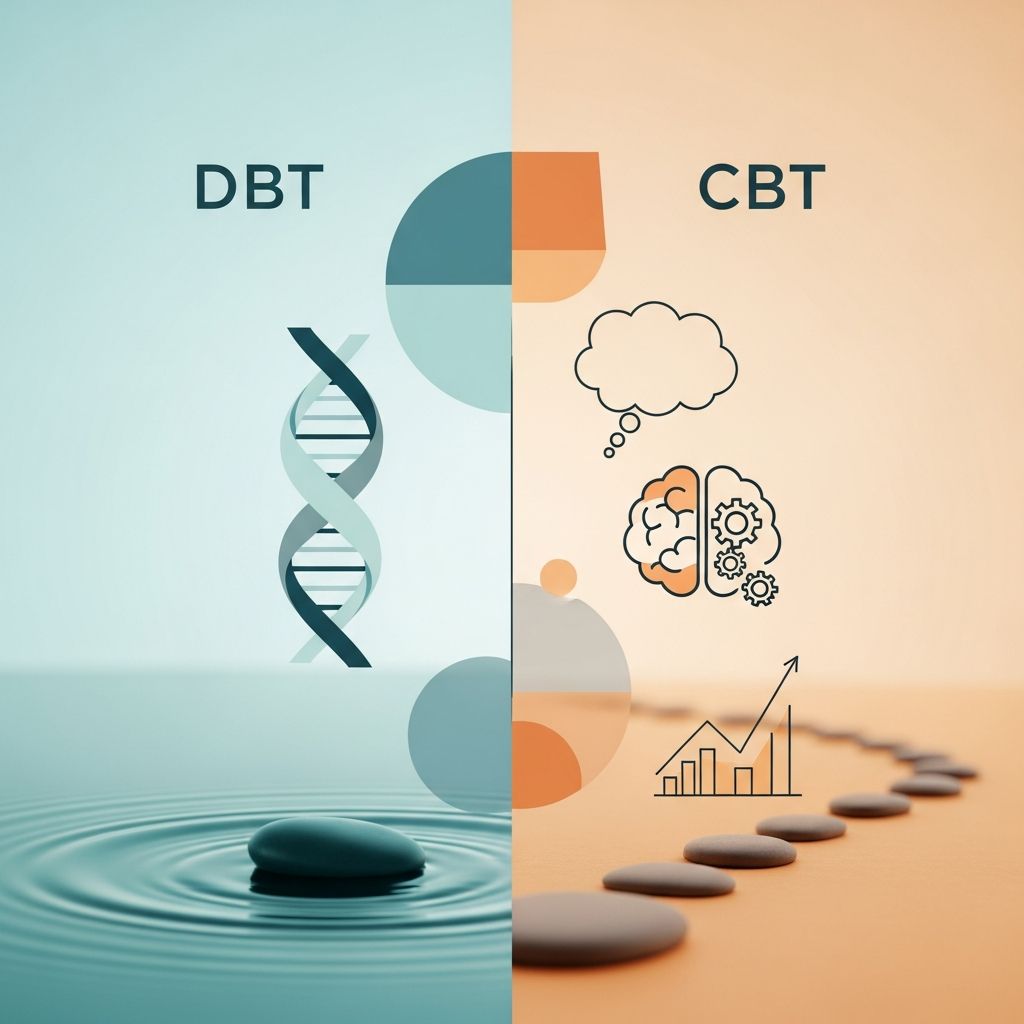
When exploring mental health treatment options, you may encounter two widely-recognized therapeutic approaches: Cognitive Behavioral Therapy (CBT) and Dialectical Behavior Therapy (DBT). While both are evidence-based treatments that help millions of people manage their mental health, they differ significantly in their methodologies, applications, and duration. Understanding these differences is essential for choosing the therapy that best aligns with your specific needs and mental health goals.
What Is Cognitive Behavioral Therapy (CBT)?
Cognitive Behavioral Therapy (CBT) is a structured, goal-oriented approach to psychotherapy that focuses on the interconnection between thoughts, feelings, and behaviors. The fundamental premise of CBT is that our thoughts influence our emotions and behaviors; by identifying and challenging negative or irrational thought patterns, individuals can develop more adaptive thinking and healthier coping mechanisms.
In CBT sessions, therapists work collaboratively with clients to recognize problematic thoughts, examine the evidence for and against these thoughts, and develop practical strategies to redirect thinking patterns. This process, known as cognitive restructuring, helps individuals build skills they can apply to present challenges and future situations.
What Is Dialectical Behavior Therapy (DBT)?
Dialectical Behavior Therapy (DBT) is a more specialized form of psychotherapy originally developed by Marsha Linehan specifically for treating individuals with Borderline Personality Disorder (BPD). DBT integrates principles from CBT with concepts of acceptance, mindfulness, and validation. Rather than solely focusing on changing problematic thoughts and behaviors, DBT emphasizes accepting oneself while simultaneously working toward behavioral change—a balance known as dialectics.
DBT incorporates structured skills training in four key areas: mindfulness, distress tolerance, emotion regulation, and interpersonal effectiveness. The therapy typically involves multiple treatment components, including individual therapy sessions, skills training groups, phone coaching, and therapist consultation teams.
Key Differences Between DBT and CBT
Treatment Duration and Structure
One of the most significant differences between these therapies is their time commitment and structure.
- CBT typically requires fewer sessions and a shorter overall duration. Most clients complete CBT treatment within 12 to 20 weeks, with sessions occurring once weekly for approximately one hour. This short-term, focused approach makes CBT ideal for individuals seeking rapid relief from specific problems within a defined timeframe.
- DBT is designed as a longer-term treatment commitment. The comprehensive program typically lasts six months to a year or longer. Treatment includes weekly individual therapy, group skills training sessions, and phone coaching support as needed. This extended duration allows therapists to address complex, interconnected issues more thoroughly.
Therapeutic Focus and Goals
While both therapies aim to improve mental health outcomes, their primary focuses differ.
CBT is goal-oriented and directive, emphasizing the identification and modification of negative thought patterns and behaviors. Therapists help clients establish specific, measurable objectives and work systematically toward achieving them. The emphasis is on changing cognitive processes to influence emotions and subsequent behaviors.
DBT balances acceptance with change. Rather than focusing exclusively on modifying thoughts, DBT helps clients accept themselves and their current reality while developing skills to manage emotions and regulate destructive behaviors. The therapeutic relationship emphasizes validation and collaboration, with therapists acknowledging that clients’ experiences and emotions are real and valid.
Related Stories



Approach to Emotions
The two therapies handle negative emotions quite differently:
- CBT focuses on identifying and challenging negative thought patterns and beliefs that contribute to emotional distress. By examining how thoughts influence feelings, individuals develop more adaptive thinking patterns that naturally lead to emotional improvement.
- DBT places significant emphasis on accepting and validating emotions while simultaneously working on changing problematic behaviors. This dual approach helps individuals feel safer managing their emotions, which in turn reduces the likelihood of engaging in destructive coping mechanisms.
Skills Development
DBT incorporates four primary skill modules:
- Mindfulness: Developing awareness of thoughts, emotions, and bodily sensations without judgment
- Distress Tolerance: Learning strategies to cope with difficult situations without resorting to destructive behaviors
- Emotion Regulation: Identifying and managing intense emotions effectively
- Interpersonal Effectiveness: Developing assertive communication skills while maintaining healthy relationships
While CBT does teach coping skills, it does not have the same structured, multi-module skills training component that defines DBT.
Which Conditions Does Each Therapy Treat Best?
CBT Is Most Effective For:
Research has demonstrated that CBT is highly effective for a wide range of mental health conditions:
- Depression and depressive disorders
- Anxiety disorders and generalized anxiety disorder (GAD)
- Obsessive-compulsive disorder (OCD)
- Post-traumatic stress disorder (PTSD)
- Phobias and panic disorder
- Sleep disorders and insomnia
- Eating disorders
- Substance use problems
For depression specifically, CBT focuses on breaking cycles of hopelessness by encouraging activities that bring joy and purpose, building confidence gradually through small, achievable steps.
DBT Is Most Effective For:
While DBT originated as a treatment for Borderline Personality Disorder, research has expanded its applications:
- Borderline Personality Disorder (BPD): DBT is considered the gold standard treatment for BPD, helping individuals manage intense mood swings and unstable relationships
- Self-harm behaviors and chronic suicidal ideation
- Eating disorders
- Substance use disorders
- Emotion dysregulation and severe emotional ups and downs
- Trauma-related conditions in individuals with complex presentations
DBT particularly helps people with BPD by teaching skills to manage intense emotions, reduce self-harm behaviors, and improve daily functioning and relationships.
Comparison Table: CBT vs DBT
| Factor | CBT | DBT |
|---|---|---|
| Duration | 12-20 weeks | 6 months to 1+ year |
| Session Frequency | Once weekly, ~1 hour | Individual + group sessions + phone coaching |
| Primary Focus | Changing negative thoughts | Accepting emotions + behavioral change |
| Emotional Approach | Challenge and change | Validate and accept |
| Best For | Depression, anxiety, OCD, PTSD, phobias | BPD, self-harm, emotional dysregulation |
| Philosophical Approach | Directive and goal-oriented | Collaborative and dialectical |
How to Choose Between DBT and CBT
Selecting the right therapy depends on several factors related to your specific mental health condition, goals, and personal preferences.
Consider Your Condition
If you’re struggling with depression, anxiety, OCD, PTSD, or specific phobias, CBT may be your best option. However, if you have been diagnosed with Borderline Personality Disorder, experience chronic self-harm behaviors, or struggle significantly with emotional regulation, DBT is likely more appropriate.
Time Commitment
Your available time and commitment level matter significantly. If you need results relatively quickly and can commit to focused, weekly sessions for a few months, CBT’s shorter duration may suit you. If you have more time and recognize that your challenges are complex and interconnected, DBT’s longer-term approach may be more beneficial.
Therapeutic Style Preference
Some individuals respond better to the structured, directive approach of CBT, appreciating step-by-step guidance toward specific goals. Others connect more with DBT’s collaborative, validating approach that emphasizes acceptance alongside change. Your personal preference regarding therapeutic style can significantly impact your engagement and outcomes.
Consult with a Mental Health Professional
Ultimately, a qualified therapist can assess your specific symptoms, mental health history, and goals to recommend the most appropriate treatment. Mental health professionals can help determine whether you would benefit more from CBT’s focused cognitive restructuring or DBT’s comprehensive skills-based approach.
Frequently Asked Questions
Q: Can someone benefit from both DBT and CBT?
A: Yes, some individuals may use elements of both therapies depending on their needs. A therapist might integrate CBT techniques for specific thought patterns while incorporating DBT skills for emotional regulation. The combination is sometimes tailored to address multiple mental health challenges simultaneously.
Q: Is DBT more expensive than CBT because it lasts longer?
A: Generally, yes. Because DBT involves multiple components (individual therapy, group skills training, and phone coaching) over a longer period, the total cost is typically higher. However, insurance coverage varies, and costs depend on your provider and location. Discuss financial considerations with potential therapists.
Q: How quickly will I see results with CBT?
A: Many people notice improvements within the first few weeks of CBT, with most seeing significant progress by 12 weeks. However, the timeline varies depending on the condition being treated and individual factors.
Q: Is DBT only for Borderline Personality Disorder?
A: While DBT was originally developed for BPD, research has shown it’s effective for other conditions including eating disorders, substance use disorders, self-harm behaviors, and chronic suicidal ideation. Mental health professionals continue exploring additional applications for DBT.
Q: What happens after therapy ends?
A: Both CBT and DBT equip you with skills and tools to manage mental health independently after treatment concludes. Many people maintain their improvements long-term. Some may benefit from occasional maintenance sessions or returning to therapy during challenging periods.
Conclusion
Both Cognitive Behavioral Therapy and Dialectical Behavior Therapy are evidence-based approaches that have helped countless individuals improve their mental health. CBT’s focused, goal-oriented approach makes it ideal for a wide range of conditions requiring relatively short-term intervention. DBT’s comprehensive, acceptance-based model proves particularly valuable for individuals with Borderline Personality Disorder and severe emotional dysregulation.
The choice between DBT and CBT should be based on your specific condition, treatment goals, time availability, and personal therapeutic preferences. Consulting with a qualified mental health professional is essential for determining which approach—or combination of approaches—will best support your journey toward better mental health and improved well-being.
References
- CBT vs. DBT Therapy: Key Differences and How to Choose — Revive Spokane. Accessed January 2026. https://revivespokane.com/cbt-vs-dbt/
- CBT or DBT: Comparing Therapy Approaches for Mental Health — Counseling Center Group. Accessed January 2026. https://counselingcentergroup.com/cbt-vs-dbt/
- Understanding the Differences Between CBT vs DBT — Stone Bridge Treatment. Accessed January 2026. https://sbtreatment.com/dialectical-behavioral-therapy/dbt-vs-cbt/
- Cognitive Behavioral Therapy (CBT) vs. Dialectical Behavior Therapy (DBT) — Palo Alto University. Accessed January 2026. https://paloaltou.edu/resources/business-of-practice-blog/cbt-dbt
- CBT vs. DBT: What’s The Difference? – Therapy — Simply Psychology. Accessed January 2026. https://www.simplypsychology.org/whats-the-difference-between-cbt-and-dbt.html
Similar Articles








Read full bio of Sneha Tete