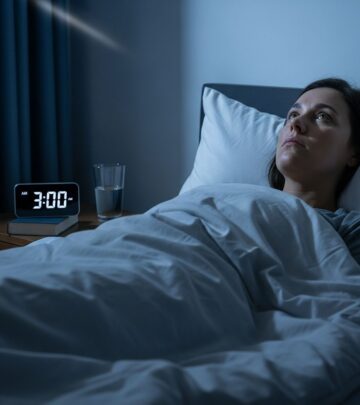
Dealing with Depression and Anxiety Caused by Adult Acne
Explore how adult acne impacts mental health and discover effective strategies for managing depression, anxiety, and rebuilding confidence.
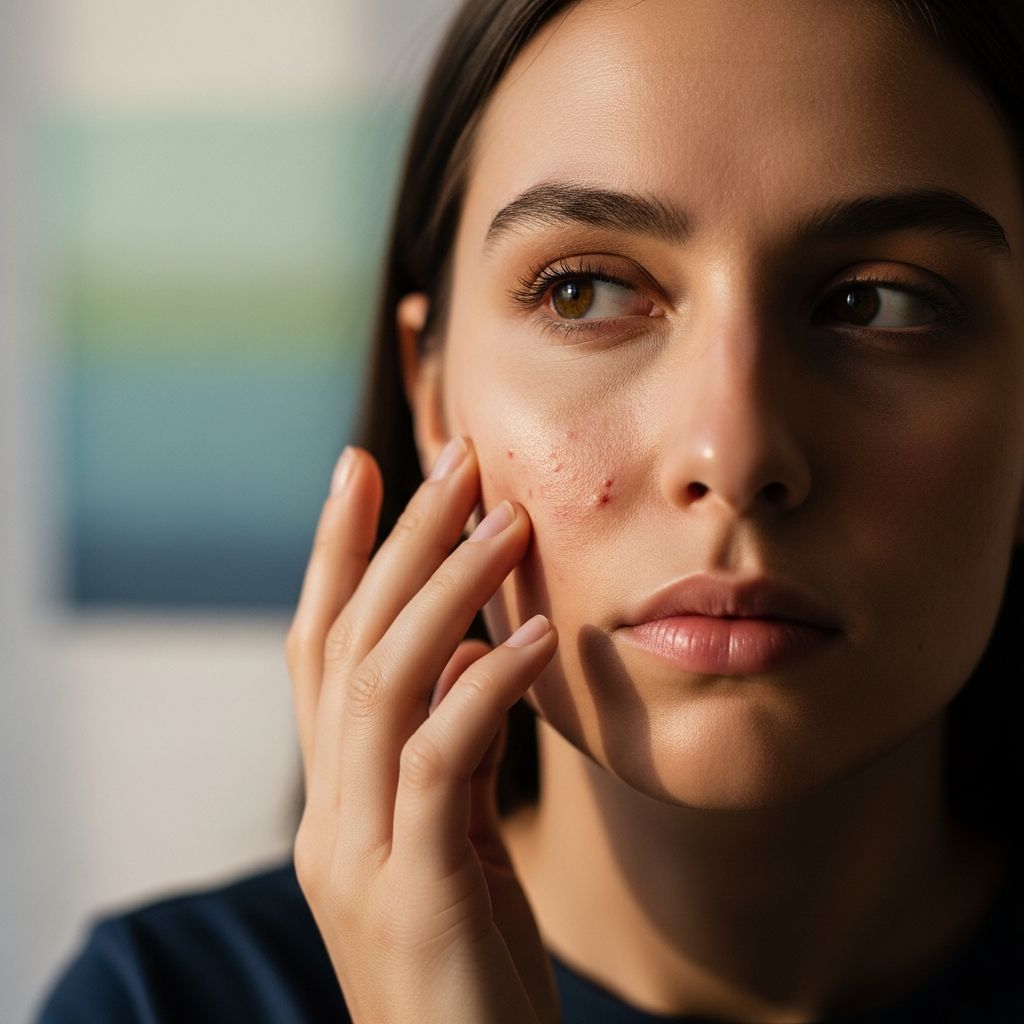
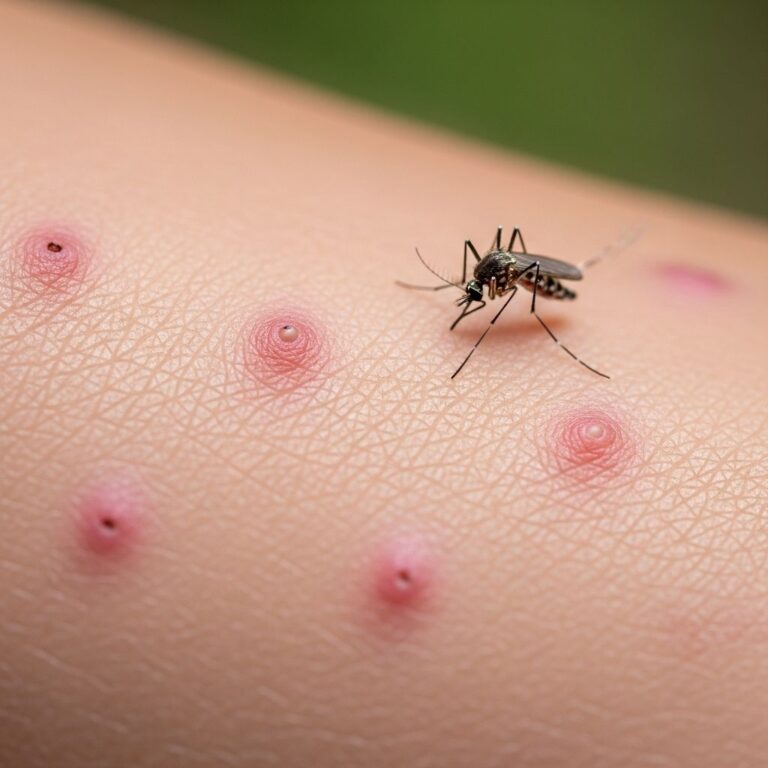
Acne vulgaris affects millions beyond adolescence, persisting into adulthood and profoundly impacting mental health, leading to elevated rates of depression and anxiety in up to 40% of patients. Studies confirm significantly higher anxiety scores among acne sufferers compared to controls, with strong correlations between anxiety and depression (r=0.732, p<0.001). This article examines the psychological toll of adult acne and provides actionable strategies for management.
Why Acne Affects Mental Health
Visible skin conditions like adult acne deeply influence self-esteem, confidence, and social interactions, often resulting in anxiety, depression, and even suicidal ideation reported by over 20% of patients. Research from the British Journal of Dermatology highlights an increased risk of major depression in acne patients, while a Dove Medical Press study found anxiety scores significantly higher (p=0.031) in acne groups versus controls.
Adult acne, unlike teenage variants, carries added frustration: “I should have grown out of this by now!” as noted by dermatologist Dr. Anjali Mahto. Personal accounts, like 23-year-old Emma’s, reveal avoidance of dates, job interviews, and family due to shame and fear of judgment. A 2023 Wiley study observed stronger differences in general depression and anxiety among acne patients, linking it to internalizing problems like excessive worry and low self-esteem.
Prevalence data is stark: depression and anxiety exceed 40% in some cohorts, with 6-7% suicidal cases. Frontiers in Psychology research (2023) associates acne severity and impaired quality of life with depressive symptoms, mediated through psychosocial impacts rather than lesion count alone. JAMA Dermatology patient perspectives echo feelings of low self-worth and social isolation. These effects transcend demographics, affecting relationships, work, and daily functioning.
Best Skincare for Acne
Effective skincare forms the foundation of acne management, reducing breakouts that exacerbate mental distress. Start with a gentle, non-comedogenic routine:
- Cleanser: Use twice daily with salicylic acid or benzoyl peroxide to unclog pores without stripping skin.
- Moisturizer: Opt for oil-free formulas to hydrate while preventing irritation.
- Sunscreen: Broad-spectrum SPF 30+ daily, as UV exposure worsens acne and post-inflammatory hyperpigmentation.
- Targeted Treatments: Retinoids (adapalene) for cell turnover; azelaic acid for inflammation and redness.
Consistency is key—results may take 4-6 weeks. Avoid picking or squeezing spots to prevent scarring, which further impacts self-image. Over-the-counter options suffice for mild cases, but consult a dermatologist for persistent issues.
Lifestyle Changes
Lifestyle modifications can significantly alleviate acne and its psychological burden. Key adjustments include:
- Diet: Reduce high-glycemic foods, dairy, and processed sugars; emphasize anti-inflammatory options like omega-3s from fish, nuts, and greens. Studies link low-glycemic diets to 50% fewer lesions.
- Exercise: 30 minutes daily moderate activity boosts endorphins, reduces stress hormones like cortisol that trigger breakouts, and improves mood.
- Sleep: Aim for 7-9 hours; poor sleep disrupts hormones and impairs skin repair.
- Stress Management: Practices like mindfulness, yoga, or journaling lower anxiety. Cognitive Behavioral Therapy (CBT) techniques help reframe negative thoughts about appearance.
A systematic review confirms skin diseases like acne heighten anxiety and depression, but lifestyle interventions enhance quality of life. Combining these with skincare yields synergistic benefits for both skin and mind.
Related Stories



When to See Your GP
Seek GP advice if acne is widespread, severe, or unresponsive to over-the-counter treatments, or if mental health symptoms like persistent low mood, anxiety, or isolation emerge. GPs assess severity and prescribe:
- Topicals: Antibiotics (clindamycin) or retinoids.
- Oral Antibiotics: For inflammatory acne, short courses like doxycycline.
- Isotretinoin: For resistant cases, but monitor for mood changes, as it’s linked to depression risks—report symptoms immediately.
Early intervention prevents scarring and psychological escalation. HADS questionnaires can screen for anxiety/depression, showing significant correlations in acne patients.
Hormonal Therapies
Hormonal fluctuations drive adult acne, especially in women. Therapies include:
| Treatment | Best For | Pros | Cons |
|---|---|---|---|
| Combined Oral Contraceptives (COCs) | Hormonal acne in women | Regulates androgens, clears skin in 3-6 months | Not for smokers over 35; potential side effects like nausea |
| Spironolactone | Adult female acne | Anti-androgen; effective for jawline/chin spots | Requires monitoring for potassium levels; birth defects risk |
| Progesterone-only options | Those avoiding estrogen | Fewer systemic effects | Variable efficacy |
Discuss with your GP; Emma’s acne worsened post-pill, highlighting need for tailored choices. Hormonal balance reduces flares, alleviating associated anxiety.
Psychodermatology
Psychodermatology integrates mental health into skin care, addressing the bidirectional acne-psyche link. Techniques include:
- CBT to challenge negative body image thoughts.
- Mindfulness to reduce shame and social anxiety.
- Building self-confidence by recognizing doubt patterns.
Onebright offers online CBT for anxiety/depression linked to acne. A 2020 meta-analysis confirms acne’s association with depression/anxiety, advocating psychodermatological approaches. UK resources like Psychodermatology UK provide specialized support, helping patients feel less self-conscious and more empowered.
Finding Support
You’re not alone—communities and professionals offer vital support:
- Online Forums: Reddit’s r/SkincareAddiction or acne support groups for shared experiences.
- Helplines: Samaritans (116 123) for crisis; Mind for anxiety resources.
- Therapy: NHS referrals or private psychodermatologists.
- Family/Friends: Open up to reduce isolation.
Patient stories affirm validation aids recovery. British Skin Foundation data underscores suicide risks, urging proactive help-seeking. Long-term psychometric assessment is recommended.
Frequently Asked Questions (FAQs)
Q: Can adult acne really cause depression?
A: Yes, studies show acne patients have significantly higher depression rates (up to 49%), linked to visible impacts on self-esteem.
Q: How long until skincare improvements show?
A: Typically 4-8 weeks; persistence prevents worsening mental health effects.
Q: Is isotretinoin safe for mental health?
A: Effective but monitor mood; linked to depression risks—inform your doctor.
Q: Does diet affect adult acne?
A: Yes, low-glycemic diets reduce lesions by 50%, easing psychological burden.
Q: When to seek psychodermatology help?
A: If acne causes ongoing anxiety, isolation, or low mood despite treatment.
References
- Assessment of anxiety and depression in patients with acne vulgaris — Dove Medical Press. 2019-12-18. https://www.dovepress.com/assessment-of-anxiety-and-depression-in-patients-with-acne-vulgaris-in-peer-reviewed-fulltext-article-CCID
- Dealing with depression and anxiety caused by adult acne — Patient.info. 2018. https://patient.info/features/mental-health/dealing-with-depression-and-anxiety-caused-by-adult-acne
- Acne and its association with internalizing problems — Wiley Online Library. 2023. https://onlinelibrary.wiley.com/doi/10.1002/der2.181
- Effects of acne severity and acne-related quality of life on depressive symptoms — Frontiers in Psychology. 2023. https://www.frontiersin.org/journals/psychology/articles/10.3389/fpsyg.2023.1153101/full
- Patient Perspectives on the Lived Experience of Acne Among Adult Women — JAMA Dermatology. 2022. https://jamanetwork.com/journals/jamadermatology/fullarticle/2782440
- Is it really ever ‘just acne’? Considering the psychodermatology of acne — British Journal of Dermatology. 2023. https://academic.oup.com/bjd/article/189/Supplement_1/i11/7333863
- Acne can affect more than your skin — American Academy of Dermatology (AAD). 2023. https://www.aad.org/public/diseases/acne/acne-emotional-effects
Similar Articles








Read full bio of medha deb