Death Or Brain Damage From Anesthesia: Risks And Prevention
Understanding the rare but serious risks of death or brain damage from anaesthesia and how they are minimized in modern practice.
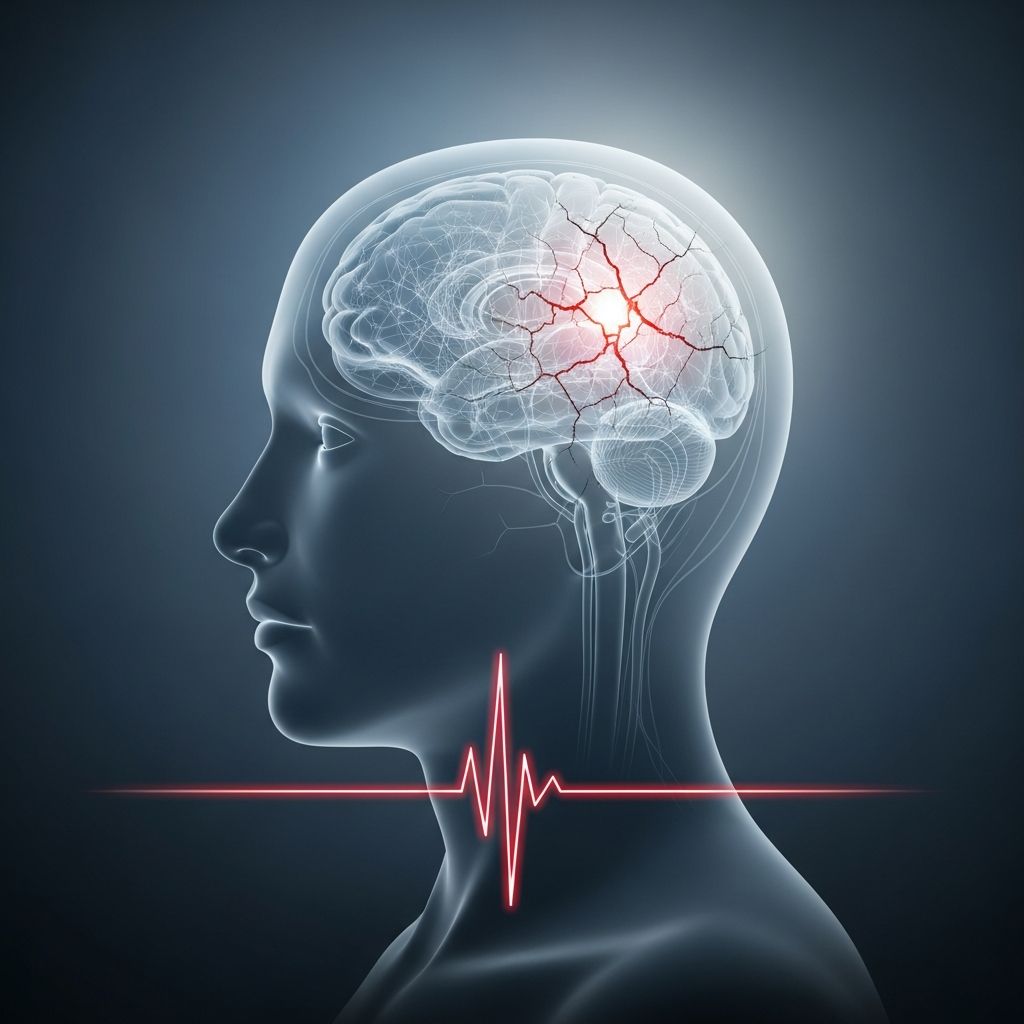
The risk of
death or brain damage
from anaesthesia is extremely low in modern medical practice, with death rates around 1 in 100,000 to 1 in 200,000 for elective procedures. Brain damage typically arises from oxygen deprivation (hypoxia) to the brain lasting several minutes, but advanced monitoring and skilled anaesthetists make this rare.How Can Anaesthesia Cause Brain Damage or Death?
Anaesthesia induces a controlled state of unconsciousness, muscle relaxation, and pain relief using drugs administered intravenously or inhaled. While safe, complications can lead to brain damage or death if not managed promptly. The primary mechanism is hypoxia, where the brain is starved of oxygen, causing cell death after 3-6 minutes without intervention. Other pathways include allergic reactions, low blood pressure, or stroke.
Main Causes of Serious Harm
- Hypoxia (lack of oxygen):** Occurs from airway obstruction, breathing difficulties, or circulatory failure. Modern monitors detect this early.
- Low blood pressure (hypotension):** Reduces brain blood flow; common in spinal or epidural anaesthesia due to sympathetic blockade.
- Allergic reactions (anaphylaxis):** Rare (1 in 10,000-20,000), but can cause airway swelling, low blood pressure, and collapse.
- Stroke:** Higher risk in head/neck/heart surgery or those with atherosclerosis; may occur up to 10 days post-op.
- Air embolism or blood clots:** Can block brain blood vessels.
These events are mitigated by pulse oximetry, capnography, and blood pressure monitoring, which alert teams to issues within seconds.
What is the Risk?
Anaesthesia mortality has plummeted from 1 in 1,000 in the 1940s to under 1 in 100,000 today, thanks to better drugs, equipment, and training. Brain damage risks mirror this, estimated at 1 in 50,000-100,000. A UK study (NAP7) found severe complications in non-obstetric cases mostly from hypotension or haemorrhage in emergencies.
| Type of Anaesthesia | Death Risk (per case) | Brain Damage Risk |
|---|---|---|
| Elective General | 1 in 100,000-200,000 | <1 in 100,000 |
| Emergency General | 1 in 10,000-50,000 | Higher due to patient instability |
| Regional (Spinal/Epidural) | 1 in 50,000-100,000 | Rare, mostly from high block |
Risks vary by patient health, surgery urgency, and site. Elective procedures in healthy patients are safest.
Factors that Increase the Risk
Not all patients face equal risks. Certain factors elevate chances of complications:
- Patient-related:** Obesity, smoking, heart/lung disease, age extremes, or drug/alcohol abuse impair responses.
- Surgery type:** Emergencies carry higher risks due to full stomachs, instability, and complexity.
- Emergency surgery:** Patients are sicker; NAP7 noted hypotension, bradycardia, haemorrhage, and sepsis as top issues.
- High-risk sites:** Head, neck, heart surgeries boost stroke risk.
- Neuraxial blocks:** Hypotension, high spinal, or haematoma risks.
Pre-op assessment identifies these; anaesthetists adjust plans accordingly.
If the Surgery is Being Done as an Emergency
Emergency operations heighten risks 5-10 fold due to unprepared patients (e.g., full stomach risking aspiration), urgency limiting monitoring setup, and comorbidities. Aspiration pneumonitis incidence is 1 in 373-895 in non-obstetric emergencies. General anaesthesia in avoidable C-sections links to higher complications (aOR 1.6 for any, 2.9 for severe). Teams prioritize rapid airway control and use cricoid pressure, though evidence is mixed.
Related Stories



An Allergic Reaction to the Medications
Severe anaphylaxis (rash, bronchospasm, hypotension) affects 1 in 3,000-10,000 anaesthetics. Neuromuscular blockers cause 50-70% of cases. Most recover fully with adrenaline, fluids, and ventilation; mortality <1% with prompt care. Disclose allergies or family history pre-op.
Stroke During or After Anaesthesia
Perioperative stroke risk is 0.1-0.5%, higher in elderly, atherosclerotic patients, or those with prior strokes. It stems from surgery/anaesthesia effects like clots or hypotension. Peaks 1-3 days post-op. Monitoring and blood pressure management reduce it.
Other Rare Complications Leading to Harm
- Awareness under anaesthesia:** 1 in 19,000; distressing but rarely causes lasting damage.
- Malignant hyperthermia:** Genetic reaction to triggers like suxamethonium; treated with dantrolene.
- Total spinal block:** 1 in 3,000-16,000 regionals; causes respiratory arrest, managed by intubation.
- Nerve damage:** Compression or direct injury; ulnar/peroneal most common, usually resolves.
Consent and Patient Information
Patients must receive balanced risk info for informed consent. Most appreciate details despite anxiety. Leaflets cover benefits vs. risks; GPs ensure consent for local anaesthesia. Serious events trigger root-cause analysis for learning.
Recent Trends and Safety Improvements
Studies show gender differences: women face higher post-GA hypertension/tachycardia. C-section data urges neuraxial over general anaesthesia. NAP7 highlights emergency management needs. Pulse oximetry alone cut hypoxia deaths 66%; added monitors slashed mortality further.
Frequently Asked Questions (FAQs)
What is the chance of dying from anaesthesia?
A: For elective surgery, about 1 in 100,000-200,000; higher (1 in 10,000+) for emergencies.
Can anaesthesia cause permanent brain damage?
A: Extremely rare (<1 in 100,000); mainly from untreated hypoxia, prevented by monitors.
Is regional anaesthesia safer than general?
A: Often yes for suitable cases, avoiding intubation risks, but has hypotension/nerve issues.
Should I worry about allergic reactions?
A: Risk low (1 in 10,000); tell your anaesthetist about allergies.
How do anaesthetists prevent complications?
A: Pre-op checks, real-time monitoring (oxygen, CO2, BP), skilled teams, and protocols.
References
- Important complications of anaesthesia — Patient.info. 2023. https://patient.info/doctor/anaesthetics/important-complications-of-anaesthesia
- Adverse events & factors in avoidable anesthesia in C-sections — PMC (PubMed Central). 2023-02-20. https://pmc.ncbi.nlm.nih.gov/articles/PMC9922091/
- Death or Brain Damage from Anaesthesia — Patient.info. 2023. https://patient.info/treatment-medication/anaesthesia/death-or-brain-damage-from-anaesthesia
- Informing patients about risks and complications of anaesthesia — PubMed. 2003-01-28. https://pubmed.ncbi.nlm.nih.gov/12538964/
- Complications in Non-Obstetric Anesthetic Practice UK: NAP7 — Anaesthesia (Wiley). 2023. https://associationofanaesthetists-publications.onlinelibrary.wiley.com/doi/10.1111/anae.16155
Similar Articles








Read full bio of medha deb