Debunking Menstrual Myths: 10 Facts Everyone Should Know
Uncover the truth behind widespread misconceptions about menstruation to empower better health choices and reduce stigma.
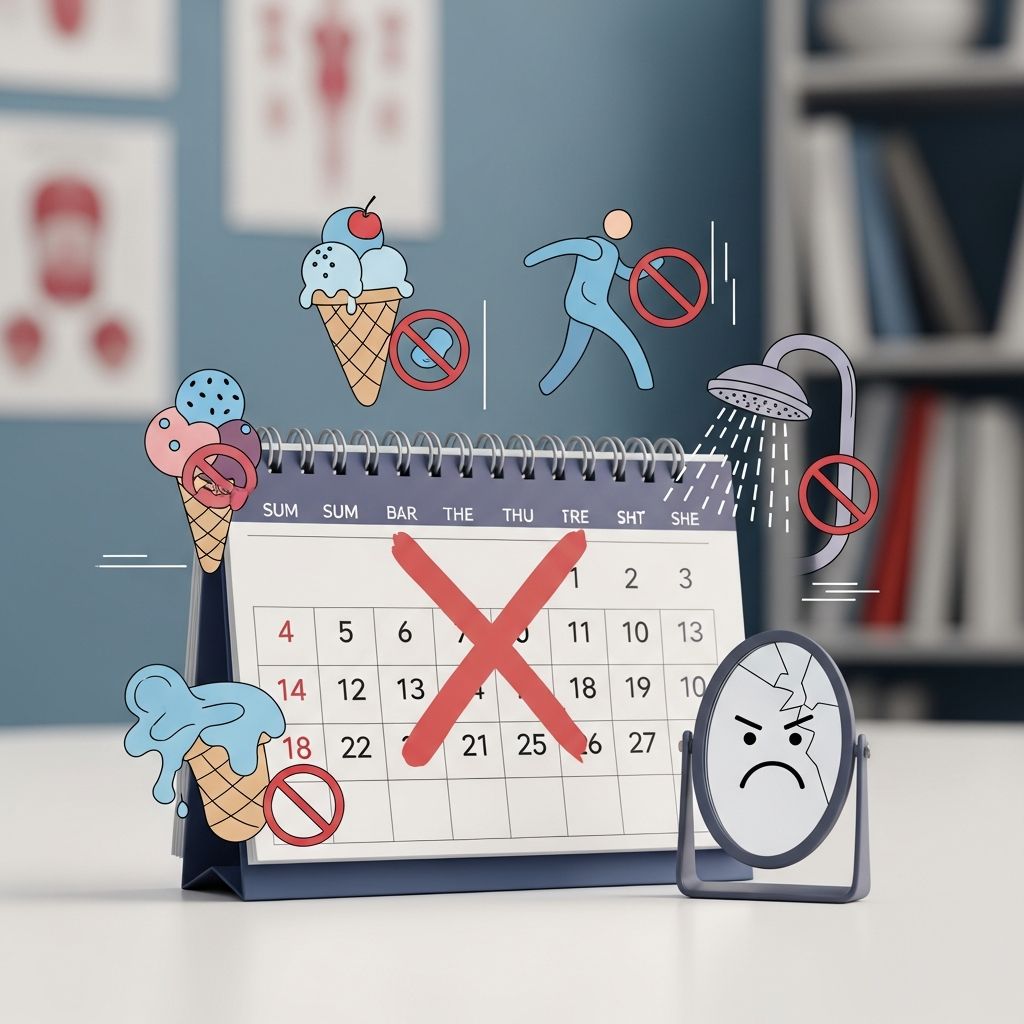
Menstruation remains a natural process surrounded by numerous misconceptions that can lead to unnecessary anxiety, stigma, or poor health decisions. This article separates fact from fiction, drawing on reliable medical insights to clarify key misunderstandings about periods, hormonal changes, and related experiences. Understanding these truths promotes better self-care and open conversations.
Understanding the Menstrual Cycle Basics
The menstrual cycle encompasses far more than just bleeding; it spans from the first day of one period to the first day of the next, typically averaging 28 days but varying widely between 21 and 35 days for adults, and up to 45 days for adolescents. Factors like stress, travel, diet, exercise, and medications influence timing, making each person’s cycle unique.
Bleeding itself, known as menstruation, lasts 3 to 7 days on average, involving the shedding of the uterine lining. Normal blood loss is about 2 to 3 tablespoons total, though it may appear more substantial due to accompanying tissue and mucus. Variations in flow color—from bright red to brown or even black—are common and reflect how long blood has been in the body, not a health issue.
Myth 1: Periods Follow a Strict 28-Day Schedule
Many believe every cycle must precisely match 28 days, but this is an average, not a rule. Shorter cycles around 21 days mean periods could occur twice monthly, while longer ones extend to 35 days or more. Teens often experience irregularity as hormones stabilize post-puberty.
- Cycle length is measured from day 1 of bleeding to day 1 of the next.
- Irregularities are normal unless accompanied by severe symptoms.
- Tracking apps help identify personal patterns without assuming uniformity.
Myth 2: Menstrual Pain Is Comparable to Minor Discomforts
Dismissing cramps as equivalent to a headache ignores their intensity for many. Dysmenorrhea, or period pain, stems from uterine contractions releasing prostaglandins, chemicals that can cause severe cramping, nausea, and fatigue. While mild discomfort is common, debilitating pain warrants medical evaluation for conditions like endometriosis.
Over-the-counter pain relievers, heat therapy, and lifestyle adjustments like exercise often help, but validation of the experience is crucial.
Myth 3: Emotional Changes During PMS Are Imagined or Exaggerated
Premenstrual syndrome (PMS) involves real hormonal shifts: estrogen drops while progesterone rises pre-period, affecting mood, energy, and appetite. Symptoms like irritability, bloating, or cravings vary but are physiological, not excuses. Dismissing them perpetuates stigma.
Not everyone experiences PMS intensely, and severe cases may indicate premenstrual dysphoric disorder (PMDD), treatable with therapy or medication.
Myth 4: Pregnancy Is Impossible During Menstruation
Though less likely, conception can occur during periods, especially with short cycles where ovulation follows closely. Sperm survives up to 5 days in the reproductive tract, potentially meeting an egg released soon after bleeding ends. Consistent contraception is essential regardless of cycle phase.
Related Stories



| Myth | Fact | Implication |
|---|---|---|
| You can’t get pregnant on your period | Sperm viability + early ovulation risk it | Use birth control every time |
| Periods stop ovulation | Ovulation timing varies | Track cycles for awareness |
Myth 5: Period Blood Is Impure or Toxic
Unlike circulating venous blood, menstrual flow consists of blood, uterine lining, mucus, and bacteria—a normal vaginal secretion, not waste or “dirty” fluid. It lacks higher toxin levels and poses no infection risk during intimacy if both parties consent. Misconceptions like this fuel taboos worldwide.
Myth 6: Menstruation Exclusively Affects Women
Periods occur in anyone with a uterus and functioning ovaries, including transgender men and nonbinary individuals. Framing it as a “women’s issue” excludes diverse experiences, emphasizing menstruation as a human health topic requiring inclusive education.
Myth 7: Certain Activities Are Off-Limits During Periods
Outdated beliefs prohibit swimming, exercise, or bathing, but no evidence supports this. Tampons, cups, or period swimwear enable swimming safely. Light exercise often alleviates cramps by boosting endorphins. Cold drinks or heavy lifting myths lack scientific backing and stem from cultural superstitions.
- Swimming: Use internal products to manage flow.
- Exercise: Yoga or walking recommended.
- Hygiene: Regular showers maintain comfort.
Myth 8: Virginity and Periods Are Linked
Menstruation signals reproductive maturity, unrelated to sexual activity or hymen status. The hymen can stretch or thin naturally, and periods occur regardless of virginity. This myth pressures teens unnecessarily.
Myth 9: Birth Control Permanently Impacts Fertility
Fertility typically resumes immediately after stopping most methods, though injectables may linger 6-9 months. No long-term effects are documented; many use hormonal options to regulate heavy or painful cycles.
Myth 10: First Period Always Arrives by Age 14
Average onset is 11-14 years, but variations up to 15 or later are normal if puberty progresses. Consult a doctor if absent by 15 with other signs.
Cultural Superstitions and Global Perspectives
Worldwide, myths persist: from avoiding plants or cooking (believed to wilt food or spoil it) to fears of clumsiness or impurity. In some regions, cold water or beverages are shunned, with up to 89% adherence in studies. Education combats these, fostering hygiene and normalcy.
Managing Your Cycle Effectively
Track cycles to predict patterns, use NSAIDs for pain, stay hydrated, and eat balanced meals rich in iron. Severe symptoms like heavy bleeding (soaking a pad hourly) or pain unrelieved by OTC meds signal need for professional care.
Lifestyle tips:
- Maintain consistent sleep and stress management.
- Incorporate omega-3s and magnesium for cramp relief.
- Choose eco-friendly products like reusables for sustainability.
Frequently Asked Questions (FAQs)
Is it normal to have clots during periods?
Yes, small clots or tissue bits are common from heavy flow coagulation; larger ones may need checking.
Can diet influence period symptoms?
Yes, reducing caffeine/sugar and adding anti-inflammatory foods like fruits can ease PMS.
What if my cycles are irregular?
Common in first years or perimenopause; track for 3 months and consult if persistent.
Do periods sync among friends?
Likely coincidence from similar cycles; no strong evidence for pheromones syncing.
Is heavy bleeding dangerous?
Over 80ml/cycle risks anemia; monitor and seek iron-rich foods or supplements.
Empowering Menstrual Health Conversations
By debunking these myths, individuals gain confidence in managing menstruation. Schools, workplaces, and families should normalize discussions to eliminate shame. Access to accurate info from trusted sources ensures healthier periods for all.
References
- 8 Period Myths We Need to Set Straight — Healthline. 2023-10-15. https://www.healthline.com/health/womens-health/period-myths
- 11 Period Myths and Facts — Nationwide Children’s Hospital. 2025-02-11. https://www.nationwidechildrens.org/family-resources-education/700childrens/2025/02/11-period-myths-and-facts
- Busting Menstruation Myths for Teenage Girls — North Pointe OB/GYN. 2023-05-20. https://northpointeobgyn.com/blog/busting-menstruation-myths-for-teenage-girls/
- Knowledge, readiness, and myths about menstruation — PMC (NCBI). 2018-12-01. https://pmc.ncbi.nlm.nih.gov/articles/PMC6293938/
- Busting Period Myths — Family Doctor.org. 2024-08-10. https://familydoctor.org/busting-period-myths/
- 36 superstitions about periods from around world — Hello Clue. 2022-11-05. https://helloclue.com/articles/culture/36-superstitions-about-periods-from-around-world
Similar Articles








Read full bio of Sneha Tete