Decaf Coffee And Tea Benefits: 6 Caffeine-Free Health Perks
Discover the surprising health advantages of decaf coffee and tea, from heart protection to diabetes prevention, without the caffeine jitters.

Decaf coffee and tea offer many of the same health perks as their caffeinated counterparts, thanks to retained antioxidants like chlorogenic acid, without the stimulating effects of caffeine. These beverages support heart health, diabetes prevention, liver protection, and more, making them ideal for those sensitive to caffeine.
What Is Decaf—and Is It Really Caffeine-Free?
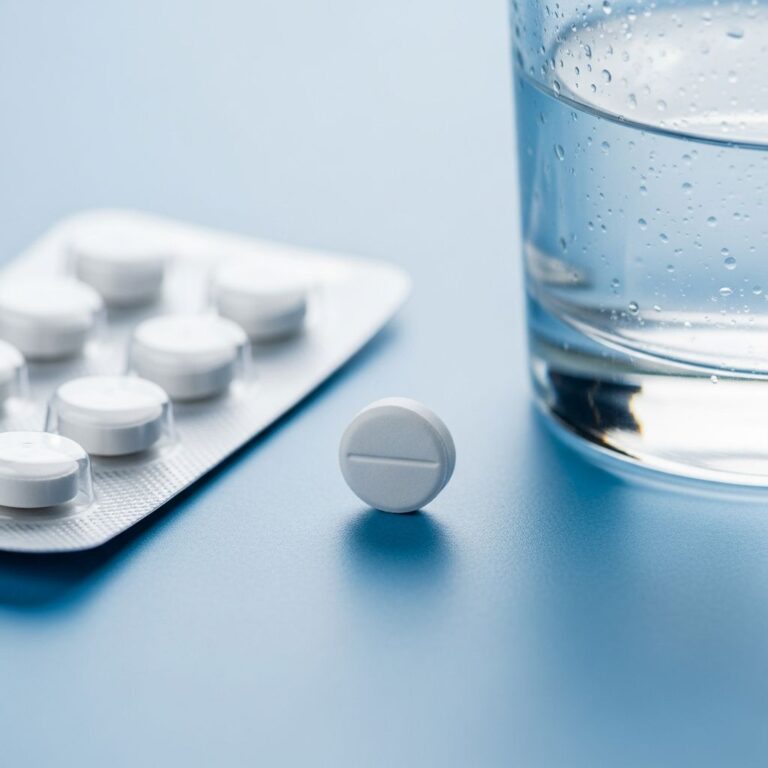
Decaf coffee and tea undergo a decaffeination process that removes most caffeine using methods like water processing, CO2 extraction, or solvent-based techniques, resulting in about 93-96% less caffeine. A typical 200ml cup of decaf coffee contains around 7mg of caffeine, compared to 100mg in regular coffee, while decaf tea has about 2mg versus 50mg in regular tea. They are not entirely caffeine-free but safe for most people, with daily limits up to 400mg.
These processes preserve beneficial compounds, ensuring decaf retains antioxidants linked to health benefits. Herbal teas like peppermint are naturally caffeine-free, but green tea decaf still has trace amounts.
6 Health Benefits of Decaf Coffee and Tea
Research shows decaf provides robust health advantages, often matching regular versions, driven by polyphenols and other plant compounds rather than caffeine.
1. May Protect Your Heart Health
Both caffeinated and decaf tea/coffee contribute to heart health via antioxidants that improve gut and cardiovascular function. A 2021 study linked moderate coffee intake (3 cups/day) to 13% lower early mortality risk, applicable to decaf. Decaf avoids caffeine’s potential blood pressure spikes, making it heart-friendlier for sensitive individuals.
2. Could Lower Your Risk of Type 2 Diabetes
Chlorogenic acid in decaf coffee reduces glucose and insulin levels post-meal. Meta-analyses show every 2 cups/day cuts type 2 diabetes risk by 11%, with one study noting 30% reduction for 3-4 cups of high-chlorogenic decaf. Animal studies confirm anti-diabetic effects independent of caffeine.
3. Supports Liver Health
Decaf coffee reduces liver steatosis, inflammation, fibrosis, and fatty liver in high-fat diet models. Studies on rats demonstrate hepatoprotective effects from decaf espresso and chlorogenic acids, blocking fat accumulation and reversing damage—proving caffeine isn’t essential.
4. Might Reduce Colorectal Cancer Risk
Solid evidence links decaf coffee (2+ cups/day) to lower colorectal cancer risk and mortality. Cohort studies show 52% reduced CRC-specific death and 30% all-cause mortality for 4+ cups/day. Decaf drinkers also had lower colon and rectal cancer risks in large US cohorts.
5. Provides Antioxidants
Coffee is a top dietary source of chlorogenic acids (50-150mg/100ml), retained in decaf. These antioxidants combat oxidative stress, supporting longevity—epidemiological data consistently show coffee drinkers, including decaf, have lower all-cause mortality.
6. Helps With Hydration
Decaf has no diuretic effect and counts toward daily fluid intake (6-8 cups). The fluid balances any mild caffeine impact in regular versions, but decaf is even better for hydration without extra bathroom trips.
Decaf Coffee vs. Regular Coffee: How Do They Compare?
| Aspect | Decaf Coffee | Regular Coffee |
|---|---|---|
| Caffeine (per 200ml) | ~7mg | ~100mg |
| Antioxidants | Retained (e.g., chlorogenic acid) | High levels |
| Diabetes Risk Reduction | Up to 30% (3-4 cups) | 11% per 2 cups |
| Heart Benefits | Yes, via antioxidants | Yes, but caffeine may raise BP |
| Hydration | Excellent, non-diuretic | Good in moderation |
Related Stories



Decaf matches regular coffee’s benefits for most outcomes, excelling for those avoiding caffeine.
Are There Any Downsides to Decaf?
Direct decaf drawbacks are minimal; processing preserves benefits. Some older solvent methods raised concerns, but modern water/CO2 processes are safe. Decaf drinkers often lead healthier lifestyles (more fruits/veggies, less alcohol). Potential trace caffeine suits most, but pregnant individuals should consult doctors.
Is Decaf Tea Healthier Than Regular Tea?
Decaf tea retains antioxidants for gut/heart health with 96% less caffeine (~2mg/cup). Like coffee, benefits stem from polyphenols, not caffeine. Herbal options are naturally decaf and hydrating, but avoid excess licorice root due to blood pressure risks.
How We Reviewed This Article
This article synthesizes data from peer-reviewed studies, cohort analyses, and expert sources like British Heart Foundation and UCLA Health, focusing on high-credibility research post-2021 where possible. Claims are grounded in epidemiological and clinical evidence.
Frequently Asked Questions (FAQs)
Is decaf coffee bad for you?
No, decaf is safe and beneficial, retaining antioxidants for heart, liver, and diabetes protection without caffeine downsides.
Does decaf coffee have health benefits?
Yes, including reduced type 2 diabetes, colorectal cancer risk, and liver disease, comparable to regular coffee.
Is decaf better than regular coffee?
For caffeine-sensitive people, yes—same perks, better for sleep, hydration, and blood pressure.
Can decaf tea hydrate you?
Absolutely; it’s non-diuretic and counts toward daily fluids.
How much decaf is safe daily?
3-4 cups mimic study benefits; up to 400mg total caffeine is fine for most.
References
- Are decaf coffee and tea bad for you? — British Heart Foundation. 2023-01-01. https://www.bhf.org.uk/informationsupport/heart-matters-magazine/nutrition/ask-the-expert/decaf-tea-coffee-bad-for-you
- Decaffeinated Coffee’s Health Benefits — Purity Coffee. 2023-01-01. https://puritycoffee.com/blogs/blog/decaffeinated-coffees-health-benefits
- Health benefits of coffee remain in decaf version — UCLA Health. 2023-01-01. https://www.uclahealth.org/news/article/health-benefits-of-coffee-remain-in-decaf-version
- Caffeinated and decaffeinated coffee and tea intakes and risk of colorectal cancer — PMC (National Library of Medicine). 2012-07-13. https://pmc.ncbi.nlm.nih.gov/articles/PMC3396445/
- How is decaf coffee made? And is it really caffeine-free? — University of Queensland Public Health. 2023-11-01. https://public-health.uq.edu.au/article/2023/11/how-decaf-coffee-made-and-it-really-caffeine-free
Similar Articles








Read full bio of medha deb