Decerebrate Posturing: Causes, Symptoms & Treatment
Understanding decerebrate posturing, its causes, symptoms, and medical management options.
What Is Decerebrate Posturing?
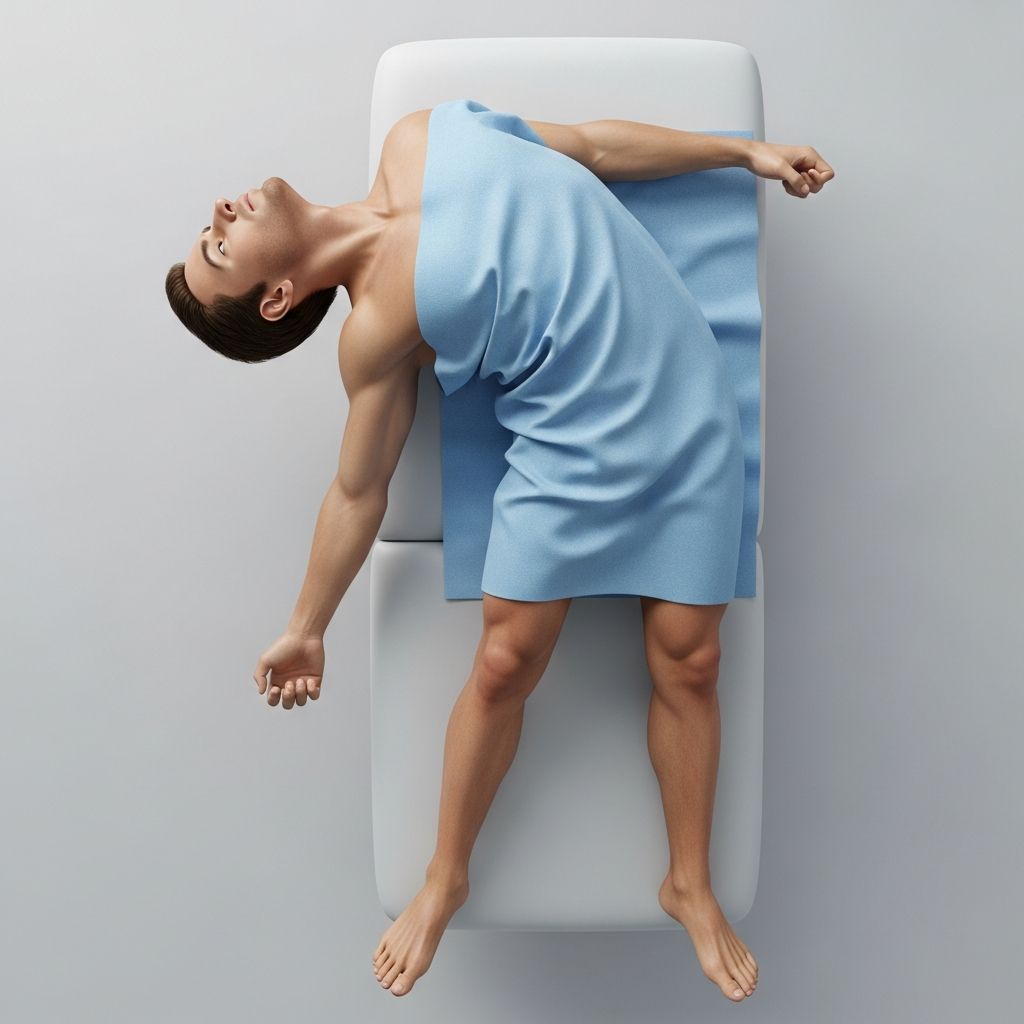
Decerebrate posturing is an abnormal reflex body position that typically occurs in individuals who are in a coma or experiencing severe brain dysfunction. It represents a critical medical emergency that indicates severe damage or major disruptions to brain function. When a person exhibits decerebrate posturing, their body assumes a characteristic rigid stance with specific patterns of muscle contraction and limb positioning.
This condition is not a disease itself but rather a symptom of underlying severe neurological injury or dysfunction. The presence of decerebrate posturing is a clinical indicator that demands immediate medical evaluation and intervention. Understanding what decerebrate posturing means and why it occurs is essential for patients, families, and healthcare providers.
How Decerebrate Posturing Presents
Decerebrate posturing manifests as a distinct physical presentation with characteristic features. The condition typically involves involuntary muscle contractions and rigidity that follow specific patterns across the body. Understanding these clinical presentations helps healthcare providers identify the condition and assess its severity.
Key characteristics of decerebrate posturing include:
- Abnormal extension of the limbs, particularly the legs
- Inward pulling and twisting of the shoulders
- Stretching at the elbows with forearm rotation
- Flexing of the fingers and hands
- Rigid muscle tone throughout affected body areas
- Involuntary response to painful or noxious stimuli
These physical manifestations result from disrupted communication between different levels of the brain and brainstem, causing unopposed motor pathways to activate. The severity and distribution of these symptoms can vary depending on the specific location and extent of brain damage.
Understanding the Causes
Decerebrate posturing can result from numerous conditions that affect the brain and brainstem. These causes generally fall into two categories: structural brain lesions and metabolic or systemic disturbances. Identifying the underlying cause is crucial for determining appropriate treatment options.
Structural Brain Injuries and Lesions
Structural damage to the brain represents the most common category of causes for decerebrate posturing. These include:
- Traumatic brain injury (TBI) including diffuse axonal injury
- Intracerebral hemorrhage (bleeding within the brain)
- Subdural hematoma (bleeding between brain and skull)
- Extradural hematoma (bleeding outside the brain membrane)
- Brain tumors or lesions
- Brain abscess
- Hydrocephalus (fluid buildup in the brain)
- Raised intracranial pressure from various causes
- Posterior fossa lesions compressing the midbrain or rostral pons
Metabolic and Systemic Causes
While less common than structural lesions, metabolic disturbances can also trigger decerebrate posturing in vulnerable patients. These reversible causes are particularly important to identify because they may be treatable.
- Hypoglycemia (low blood sugar)
- Hepatic encephalopathy (brain dysfunction from liver failure)
- Hypoxic brain injury (oxygen deprivation)
- Electrolyte abnormalities including hyponatremia, hypomagnesemia, and hypocalcemia
- Meningitis (brain membrane infection)
- Encephalitis (brain inflammation)
- Cerebral malaria
- Reye syndrome
- Lead poisoning
- Drug intoxication
Related Stories



Location of Brain Damage
The specific location of brain damage determines whether decerebrate or decorticate posturing develops. Decerebrate posturing specifically indicates damage below the level of the red nucleus in the brainstem, which is typically more severe than decorticate posturing. This can involve lesions in the midbrain, pons, diencephalon, or compression of these structures.
Risk Factors and Patient Populations
Certain patient populations face higher risks of developing decerebrate posturing due to their increased likelihood of experiencing the underlying causes. Traumatic brain injury represents the most significant risk factor globally, with approximately 69 million people experiencing TBI annually worldwide, of which about 8% are classified as severe.
Individuals with preexisting central nervous system pathology face particular vulnerability. In these patients, decerebrate posturing can develop in response to various physiological stressors including fever, hypoxia, metabolic disturbances, sensory irritation, hypoglycemia, and meningeal irritation.
Patients who progress from decorticate to decerebrate posturing represent a particularly concerning group, as this transition indicates progressive destruction or compression of brain structures moving downward through the brainstem—a process known as rostrocaudal deterioration.
Clinical Significance and Prognosis
Decerebrate posturing carries serious clinical implications and typically indicates a poor prognosis. Patients exhibiting this condition are usually comatose and face significant medical risks.
Patients with decerebrate posturing are at high risk for:
- Respiratory failure requiring mechanical ventilation
- Cardiac arrhythmias
- Cardiovascular collapse
- Permanent neurological damage
- Loss of brain-controlled functions
- Death without appropriate treatment
Decerebrate posturing carries a significantly worse prognosis than decorticate posturing. The presence of this finding indicates extensive brain injury and warrants immediate, aggressive medical intervention in an intensive care setting. The conditions causing decerebrate posturing can be permanently disabling or fatal without treatment.
Diagnosis and Assessment
Diagnosing the cause of decerebrate posturing requires a comprehensive approach combining clinical observation, imaging studies, and laboratory investigations. Since decerebrate posturing represents a symptom rather than a diagnosis itself, identifying the underlying cause is essential for determining treatment.
Clinical Examination
Healthcare providers carefully assess the characteristics of the abnormal posturing, including which body areas are affected, the symmetry of involvement, and the triggers for the posturing. The Glasgow Coma Scale helps quantify the level of consciousness, with severe TBI typically defined as a score of 8 or less.
Imaging Studies
Neuroimaging represents the cornerstone of diagnostic evaluation:
- CT scans provide rapid assessment of acute structural lesions, particularly hemorrhage and bone fractures
- MRI scans offer detailed visualization of brain tissue injury and can identify lesions not visible on CT
- Imaging helps identify treatable lesions such as hematomas requiring surgical evacuation
Laboratory and Additional Testing
Comprehensive laboratory evaluation helps identify metabolic and infectious causes:
- Blood glucose testing to identify hypoglycemia
- Comprehensive metabolic panel for electrolyte abnormalities
- Liver function tests to assess hepatic encephalopathy
- Cerebrospinal fluid (CSF) examination via lumbar puncture to identify meningitis or encephalitis
- Blood cultures to identify systemic infections
- Toxicology screening for drug intoxication
Treatment Approaches
Decerebrate posturing cannot be treated directly as a symptom. Instead, healthcare providers focus on treating the underlying condition causing it and providing supportive care to maintain vital body functions.
Treatment of Underlying Conditions
The specific treatment depends on the identified cause:
- Structural lesions: Surgical intervention may be necessary for conditions like extra-axial hematoma evacuation, tumor removal, or abscess drainage
- Infections: Appropriate antibiotic or antiviral therapy for meningitis, encephalitis, or other infections
- Metabolic disturbances: Correction of hypoglycemia, electrolyte abnormalities, and liver dysfunction
- Elevated intracranial pressure: Medical therapies including mannitol and hypertonic saline, hyperventilation as a temporizing measure
Supportive Care
Most patients with decerebrate posturing require intensive care management. Since affected individuals are typically unable to breathe independently, supportive care includes:
- Mechanical ventilation to maintain adequate oxygenation and CO2 removal
- Medications to manage pain and maintain appropriate sedation
- Nutritional support through feeding tubes
- Management of infections and complications
- Physical positioning to minimize complications and reduce muscle rigidity
Physical and Occupational Therapy
Positioning interventions can help manage the muscle rigidity associated with abnormal posturing. The increased muscle tone tends to be stronger when lying flat but may decrease when sitting. Healthcare professionals may position patients in a sitting position when possible to limit muscle rigidity and optimize potential movement recovery.
Ethical Considerations in Treatment
Given the often poor outcome associated with decerebrate posturing, particularly in cases of true decerebration, aggressive treatment decisions require careful case-by-case ethical assessment. Healthcare teams must balance potential benefits of intensive intervention against the patient’s wishes, family preferences, and realistic prognosis. These conversations are important and should involve the entire healthcare team and family members.
Frequently Asked Questions
Q: Is decerebrate posturing reversible?
A: Decerebrate posturing itself is not directly treatable, but the underlying cause may be reversible depending on what caused it. Some causes like hypoglycemia or hepatic encephalopathy can be corrected, while others like severe brain trauma may result in permanent changes. Prompt identification and treatment of reversible causes is critical.
Q: What is the difference between decerebrate and decorticate posturing?
A: Both are abnormal posturing responses indicating brain injury, but they reflect damage at different levels. Decorticate posturing involves abnormal flexion and indicates damage above the red nucleus in the brainstem. Decerebrate posturing involves abnormal extension and indicates damage below the red nucleus, typically representing more severe brainstem injury with a worse prognosis.
Q: Can a person recover from decerebrate posturing?
A: Recovery depends on the underlying cause, extent of brain damage, and the patient’s overall condition. While some people recover consciousness and some function after receiving appropriate treatment, decerebrate posturing generally indicates severe injury with poor long-term prognosis. Each case is individual, and healthcare providers can discuss realistic expectations based on specific circumstances.
Q: Why do patients with decerebrate posturing need to be in the intensive care unit?
A: Patients with decerebrate posturing typically require intensive care because they are usually in a coma, cannot breathe independently, and face risks of life-threatening complications including respiratory failure, cardiac arrhythmias, and cardiovascular collapse. ICU settings provide the necessary monitoring, ventilatory support, and medical interventions these critically ill patients require.
Q: Can metabolic problems cause decerebrate posturing?
A: Yes, while structural brain lesions are the most common cause, certain metabolic and systemic disturbances can cause decerebrate posturing. These include severe hypoglycemia, hepatic encephalopathy, electrolyte abnormalities, and infections like meningitis. Identifying and treating these reversible causes is essential for appropriate management.
References
- Decerebrate and Decorticate Posturing — National Center for Biotechnology Information. 2024. https://www.ncbi.nlm.nih.gov/books/NBK559135/
- Decorticate and Decerebrate Posturing — Stroke Manual. 2024. https://www.stroke-manual.com/decorticate-and-decerebrate-posturing/
- Abnormal Posturing (Decerebrate and Decorticate) — Ausmed. 2024. https://www.ausmed.com/learn/articles/abnormal-posturing
- Posturing After Brain Injury: Types and Recovery Outlook — Flint Rehab. 2024. https://www.flintrehab.com/posturing-brain-injury/
- Decerebrate Posture — MedlinePlus Medical Encyclopedia. U.S. National Library of Medicine. 2024. https://medlineplus.gov/ency/article/003299.htm
Similar Articles








Read full bio of medha deb